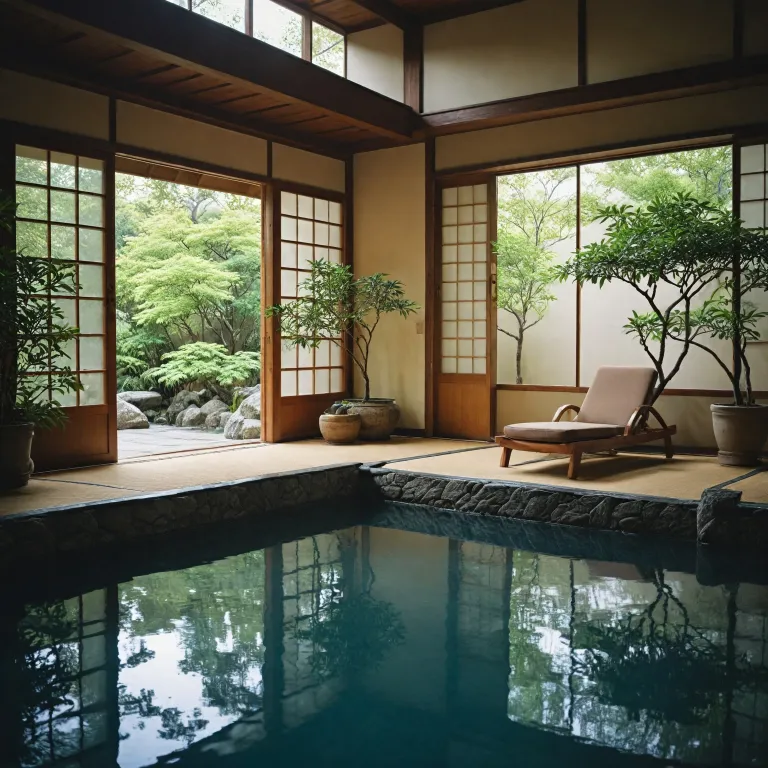
Understanding the essence of luxury ryokans in Japan
Luxury ryokans in Japan offer a harmonious blend of traditional Japanese hospitality and modern comfort. Each ryokan is designed to immerse guests in a unique experience, where every detail, from the tatami-matted rooms to the tranquil gardens, reflects centuries of cultural heritage. The atmosphere is serene, inviting guests to unwind and appreciate the subtle beauty of Japanese style and architecture.
Staying at a luxury ryokan is more than just booking a room; it is an invitation to embrace the rituals and customs that define Japanese hospitality. Guests are welcomed with personalized service, often greeted by staff in kimono, and guided through the etiquette of the ryokan experience. The integration of private onsen baths, open air baths, and traditional kaiseki cuisine ensures that every moment is tailored to relaxation and indulgence.
Many ryokans Japan are located in scenic regions, such as Hakone, Kyoto, and Beppu Onsen, where natural hot springs and mountain views enhance the sense of escape. The rooms often feature sliding shoji doors, futon bedding, and minimalist decor, creating a peaceful retreat. Whether you choose a suite with a private onsen or a traditional Japanese room with a view of the gardens, the luxury ryokan experience is designed to rejuvenate both body and spirit.
With over 50,000 ryokans across Japan, the variety of offerings is immense. Some, like Gora Kadan and Nishimuraya Honkan, are renowned for their historical significance and refined service. Others, such as Hakone Ginyu and Zaborin Ryokan, focus on contemporary design while preserving the essence of traditional Japanese hospitality. The commitment to excellence is evident in every aspect, from the carefully curated breakfast dinner menus to the attentive care provided by the staff.
Signature features of top luxury ryokans in Japan
One of the defining features of luxury ryokans is the presence of onsen, or hot spring baths, which are often available both communally and privately. The open air onsen rooms allow guests to soak in mineral-rich waters while enjoying panoramic views of mountains, rivers, or meticulously landscaped gardens. These hot spring baths are believed to have therapeutic properties, enhancing the overall sense of well-being during your stay.
Rooms in luxury ryokans are designed to provide maximum comfort and privacy. Many suites feature private onsen baths, open air baths, and spacious living areas that blend Japanese and western style elements. The use of natural materials, such as wood and stone, creates a calming environment that encourages relaxation. Guests can choose from a variety of room types, including traditional Japanese rooms with tatami mats and futons, or more contemporary suites with western beds and modern amenities.
Kaiseki dining is another hallmark of the luxury ryokan experience. This multi-course meal showcases seasonal ingredients and artistic presentation, offering a culinary journey through Japanese flavors and techniques. Breakfast dinner options are equally elaborate, often featuring a selection of local delicacies and freshly prepared dishes. The attention to detail in both the cuisine and the service ensures that every meal is a memorable part of your stay.
For those seeking an even more exclusive experience, some ryokans offer private gardens, in-room massages, and personalized cultural activities. Whether you are interested in a traditional tea ceremony, a guided tour of the surrounding area, or simply relaxing in your private air bath, the staff at luxury ryokans are dedicated to creating a bespoke experience. To explore more about the unique offerings and booking options, visit premium Japanese inns booking platform for curated selections.
Exploring iconic luxury ryokans: From Gora Kadan to Nishimuraya Honkan
Gora Kadan in Hakone stands as a symbol of refined elegance, once serving as a retreat for the imperial family. This luxury ryokan seamlessly combines traditional Japanese aesthetics with modern amenities, offering rooms and suites with private open air onsen baths and breathtaking views of the surrounding mountains. The experience is further elevated by attentive service and exquisite kaiseki cuisine, making it a top choice among luxury ryokans Japan.
Nishimuraya Honkan in Kinosaki Onsen is renowned for its authentic architecture and beautiful gardens. Guests can enjoy a variety of hot spring baths, including private onsen rooms and open air baths, each designed to provide a tranquil escape. The ryokan’s dedication to preserving traditional Japanese hospitality is evident in every aspect, from the meticulously prepared breakfast dinner to the serene ambiance of the rooms.
Other notable luxury ryokans include Hakone Ginyu, where each room features a private open air bath with panoramic views, and Zaborin Ryokan in Niseko, Hokkaido, which offers private onsen baths in every villa and award-winning kaiseki cuisine. Onyado Kawasemi and Beppu Onsen are also celebrated for their unique blend of traditional style and contemporary comfort, providing guests with a memorable ryokan experience.
For travelers seeking a comprehensive guide to the best luxury ryokans Japan, the exclusive ryokan selection offers detailed insights and booking options. Each property is carefully curated to ensure an exceptional stay, whether you are drawn to the historic charm of Iwaso or the minimalist elegance of Setouchi Retreat Aonagi.
The art of relaxation: Onsen culture and private baths
Onsen culture is at the heart of the luxury ryokan experience in Japan. These natural hot springs, sourced from geothermal activity, are revered for their healing properties and are an integral part of Japanese wellness traditions. Guests can choose from a variety of spring baths, including communal open air baths, private onsen rooms, and suites with exclusive air baths overlooking scenic landscapes.
Private onsen baths are particularly popular among international guests, offering a secluded space to unwind and enjoy the therapeutic benefits of the hot springs. Many luxury ryokans Japan have invested in innovative designs, creating open air onsen rooms that blend seamlessly with nature. The gentle sound of flowing water, combined with the fresh mountain air, enhances the sense of tranquility and rejuvenation.
For those new to onsen etiquette, it is important to familiarize yourself with the customs before your visit. Guests are typically required to wash thoroughly before entering the bath, and swimwear is not permitted. The experience is designed to be meditative, allowing guests to connect with the natural surroundings and enjoy a moment of stillness. As one expert notes, "Familiarize yourself with onsen etiquette before visiting."
Some ryokans, such as Beniya Mukayu and Naoshima Ryokan Roka, offer unique variations of the onsen experience, including open air baths with views of the sea or mountains. Whether you prefer the communal atmosphere of a large hot spring or the intimacy of a private onsen, the options are diverse and cater to every preference.
Dining and cultural immersion: Kaiseki, breakfast dinner, and Japanese traditions
Kaiseki dining is a highlight of any stay at a luxury ryokan. This traditional Japanese multi-course meal is a celebration of seasonal ingredients, artistic presentation, and meticulous preparation. Each course is thoughtfully crafted to showcase the flavors and textures of the region, providing guests with a culinary journey that is both refined and memorable.
Breakfast dinner at luxury ryokans Japan often features a variety of local specialties, including fresh seafood, seasonal vegetables, and delicately prepared rice dishes. The emphasis on quality and authenticity ensures that every meal is a reflection of the ryokan’s commitment to excellence. Guests can enjoy their meals in the privacy of their rooms or in elegant dining spaces overlooking gardens or open air baths.
Cultural immersion extends beyond the dining table, with many ryokans offering traditional Japanese experiences such as tea ceremonies, calligraphy lessons, and performances by local artists. The opportunity to wear a yukata, participate in a tea ceremony, or explore the surrounding gardens adds depth to the ryokan experience. As one expert explains, "Guests are typically provided with yukata (casual kimono) to wear during their stay, both within the ryokan and sometimes in the surrounding area."
Whether you are savoring a kaiseki dinner, relaxing in a private onsen, or participating in a cultural activity, the luxury ryokan experience is designed to create lasting memories. The combination of exquisite cuisine, attentive service, and authentic traditions sets these establishments apart as the top luxury ryokans Japan.
Booking tips and planning your luxury ryokan stay
Securing a reservation at one of the top luxury ryokans Japan requires careful planning, especially during peak travel seasons. It is advisable to book well in advance to ensure availability, as many ryokans have limited rooms and high demand. Consider the seasonal variations in offerings and scenery, as each region of Japan offers unique experiences throughout the year.
When selecting a ryokan, pay attention to the types of rooms and baths available. Some guests prefer the privacy of a suite with a private onsen, while others enjoy the communal atmosphere of open air spring baths. The choice between traditional Japanese rooms and western style suites depends on your personal preferences and comfort level.
It is important to familiarize yourself with the customs and etiquette associated with staying at a ryokan. Removing shoes indoors, wearing a yukata, and observing quiet hours are all part of the traditional Japanese experience. As one expert advises, "Be prepared to follow traditional customs, such as removing shoes indoors."
For international travelers, many luxury ryokans Japan offer English-speaking staff and detailed instructions to ensure a smooth and enjoyable stay. The integration of modern amenities, such as Wi-Fi and air conditioning, ensures that guests can enjoy the best of both worlds—traditional hospitality and contemporary comfort. With thoughtful planning and an open mind, your stay at a luxury ryokan will be an unforgettable journey into the heart of Japanese culture.
Trends and innovations in luxury ryokans Japan
The landscape of luxury ryokans Japan is constantly evolving, with new trends and innovations enhancing the guest experience. There is a growing emphasis on sustainability and eco-friendly practices, as many ryokans seek to minimize their environmental impact while preserving traditional Japanese values. The use of local materials, organic cuisine, and energy-efficient technologies reflects a commitment to responsible tourism.
Modern design elements are increasingly integrated into traditional ryokan structures, creating a harmonious balance between old and new. Properties like Setouchi Retreat Aonagi and Naoshima Ryokan Roka exemplify this trend, offering minimalist architecture, spacious rooms, and open air baths that blend seamlessly with the natural surroundings. The result is a sophisticated yet authentic experience that appeals to discerning travelers.
The popularity of luxury ryokans among international guests continues to rise, with approximately 30% of visitors coming from abroad. This has led to greater accessibility, with more ryokans offering multilingual services and tailored experiences for diverse audiences. As one expert notes, "While knowledge of Japanese can enhance the experience, many ryokans have English-speaking staff or provide English instructions for guests."
Looking ahead, the future of luxury ryokans Japan lies in the ability to innovate while honoring tradition. The fusion of classic Japanese hospitality with contemporary amenities ensures that these establishments remain at the forefront of luxury travel, offering guests an unparalleled journey through the art of relaxation, culture, and cuisine.
Key statistics on luxury ryokans in Japan
- Number of ryokans in Japan: 50,000 establishments (Japan Ryokan Association)
- Average nightly rate for luxury ryokans: 50,000 JPY (Japan National Tourism Organization)
- Percentage of foreign guests in ryokans: 30% (Japan Tourism Agency)
Frequently asked questions about luxury ryokans in Japan
What is a ryokan?
A ryokan is a traditional Japanese inn that typically features tatami-matted rooms, communal baths, and local cuisine.
Are ryokans suitable for families?
Yes, many ryokans accommodate families and offer family-friendly amenities and services.
Do ryokans provide meals?
Yes, most ryokans offer meals, often including traditional kaiseki dinners and Japanese breakfasts.
