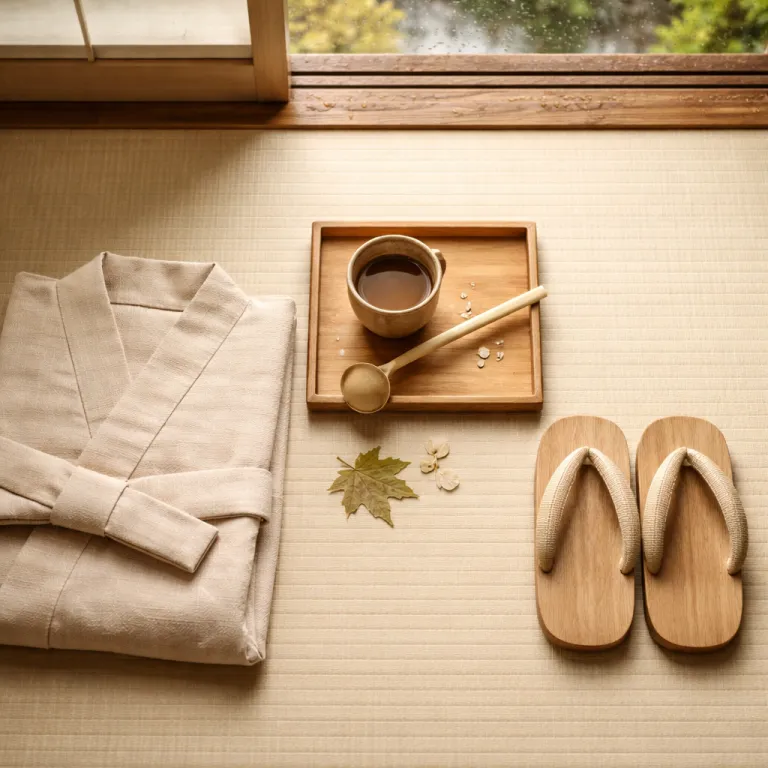
When green season reshapes ryokan gardens in japan
Between the last cherry blossoms and the first crimson maple leaves, Japan enters its quietly spectacular green season. Moss thickens underfoot, bamboo deepens to an almost lacquered green, and hydrangea clouds soften the edges of stone paths in many Japanese gardens. For travelers planning a trip to Japan between late April and early July, choosing a countryside ryokan or hot spring inn with gardens at peak foliage can completely change how the property feels and how your family moves through it.
Ryokan owners and their gardeners treat this seasonal transformation as a deliberate event, using garden maintenance, seasonal flora, and cultural artifacts to frame every view from tatami room to open air bath. Across regions in Japan, from the Kansai region to the foothills with a distant view of Mount Fuji, the shift from spring ryokan landscapes to full summer density is carefully staged. The result is that a traditional Japanese inn in green season becomes less about a single Japanese garden and more about a sequence of living rooms without walls, each garden room tuned to the rhythm of water, stone, and filtered air.
For families, this matters in very practical ways, because children can explore safe paths between pavilions while adults linger over Japanese cuisine or soak in an onsen. The air stays cooler in mountain regions, so a private open air bath or shared hot spring feels comfortable even at midday. When you book a stay during this lush period rather than focusing only on cherry blossom or autumn foliage, you gain quieter spaces, better value, and a more relaxed relationship with Japanese culture that is not rushed by peak crowds.
How design frames every garden view, from room to open air bath
Traditional Japanese architecture in a ryokan is built around controlled sightlines, and green season makes those design decisions suddenly obvious. Sliding shoji panels turn a simple room into a layered frame, guiding your eye from tatami to veranda to the Japanese garden beyond, where maple and bamboo create a soft screen. In many gardens in Japan, the shakkei or borrowed scenery technique means that a far hill, a temple roof, or even a faint view of Mount Fuji becomes part of your private composition when the foliage is at its fullest.
Inside, the transition from indoor bath to open air bath is treated almost like a ceremony, with stone thresholds, lanterns, and carefully placed stepping stones leading you toward the onsen steam. During green season, the air around these spring baths carries the scent of wet moss and pine, which makes even a short solo soak feel longer and more restorative. When you read about Japan’s abandoned ryokan and the government’s plan to clear onsen ghost towns, you understand how much design and maintenance matter, because neglected Japanese gardens lose this precise choreography between water, stone, and air.
Families should look for properties where Japanese style rooms face internal Japanese gardens rather than parking lots or roads, because children can watch koi, dragonflies, and fireflies without leaving the safety of the veranda. A well kept inn with strong green season landscaping will often have low fences or hedges that subtly guide movement while preserving a beautiful open feeling. When you book through a curated luxury hotel platform or specialist ryokan collection, pay attention to room descriptions that mention garden view, open air onsen, and traditional Japanese landscaping, because these details usually signal that the ryokan invests seriously in its outdoor spaces.
Hidden green season regions and family friendly ryokan rhythms
Green season does not arrive everywhere in Japan at once, and that staggered timing creates real opportunities for thoughtful travel planning. Lowland regions near Tokyo warm earlier, while higher valleys in the Kansai region and northern areas hold onto a fresher spring feeling well into early summer. For families, this means you can pair a city stay with a later trip to Japan in June or July to a cooler mountain ryokan where the Japanese gardens are still in that luminous, just after spring ryokan phase.
On islands and coastal areas, a Japanese garden often leans into tsukiyama hill forms and borrowed sea views, so the gardens in Japan there feel more expansive and breezier in green season. Inland, especially around temple towns and historical hot spring villages, you find more compact roji style paths leading from gate to onsen, with moss and ferns thriving in the humid air. When you read refined ryokan and onsen experiences on sacred islands, you see how Japanese culture uses these different garden types to slow guests down between check in, bath, and dinner.
For parents, the rhythm of a day in a green season ryokan is naturally family friendly, because outdoor play slots neatly between bathing and meals. Children can wander short paths, listen to water features, and feel the change in air temperature as they move from sun to shade, while adults appreciate the quiet design choices that make this safe. Ask when cherry blossoms have fully finished and when hydrangea and maple are at their richest green in that specific region, because timing your visit to Japan to this window often means lower international crowds and more attentive service from the nakai san who notices your preferences from the booking form.
Sound, cuisine, and night air: the full sensory green season stay
Once the sun drops behind the hills, a green season ryokan in Japan becomes an acoustic experience as much as a visual one. Cicadas, frogs, and the soft rush of water channels are not background noise but part of the garden design, tuned to be heard from each room and from the open air onsen. When sliding doors are left slightly open, the movement of air carries these sounds inside, turning a simple Japanese style space into something closer to an instrument.
Japanese cuisine at this time of year leans into mountain vegetables, river fish, and herbs that echo what you see outside, so dinner becomes another way of reading the garden. Many ryokan serve kaiseki courses that reference the nearby region, whether that is the Kansai region with its refined broths or a rural hot spring valley with heartier dishes, and the plates often mirror the colors of the Japanese gardens just beyond the glass. Between courses, the silence is intentional, a pause that lets you hear the water in the stone basin and feel the cooler night air bathe your skin when you step briefly onto the veranda.
After bathing in the onsen or in private spring baths, families often sit together on low chairs facing the Japanese garden, watching fireflies thread between shrubs while children count how many cherry blossoms remain on late blooming trees. This is when a green season ryokan stay feels most different from a city hotel, because the boundary between inside and outside almost disappears. If you are considering a new generation onsen retreat, look for properties where innovation in amenities still respects traditional Japanese garden design, as seen in some of the latest open air hot spring resorts highlighted in detailed ryokan reviews.
FAQ
What is a ryokan and how does it differ in green season ?
A ryokan is a traditional Japanese inn offering cultural experiences, with tatami rooms, futon bedding, and usually an onsen hot spring bath. During green season, the focus shifts strongly to the Japanese garden, because moss, bamboo, and hydrangea reach peak lushness and every garden view from your room becomes more layered. Families notice that corridors, verandas, and open air baths feel more connected to nature, making the stay calmer and more immersive than in busier seasons.
When is the best time to visit a green season ryokan in japan gardens ?
The best time to visit Japan for a green season ryokan stay is between late spring and early autumn, after cherry blossoms have fallen but before autumn foliage begins. Lowland regions and cities green up earlier, while mountain areas and the Kansai region often hold a fresher, cooler feeling later into the season. Ask each property when their Japanese gardens usually reach peak moss and hydrangea, because timing varies by region and altitude.
Are ryokans expensive during green season compared with cherry blossom periods ?
Prices at many ryokan are often lower in green season than during peak cherry blossoms or autumn foliage, especially in areas that attract large international tour groups. Because demand for popular hot spring towns can still be high on weekends and holidays, shifting your stay to shoulder or midweek green season dates can mean better value and more attentive service. You still enjoy full kaiseki dinner, onsen access, and beautiful Japanese gardens, but with fewer crowds and more flexible room options for families.
How should families choose a ryokan for a first green season trip japan ?
Families planning a first trip to Japan should prioritise ryokan with clearly described Japanese gardens, open air onsen, and family friendly room layouts. Look for properties that mention internal garden courtyards, safe paths, and private baths, because these features make it easier for children to explore while adults relax. Booking in advance, respecting local customs, and enjoying seasonal cuisine are simple guidelines that help you get the most from a green season stay.
What should I know about etiquette in onsen and spring baths with children ?
Most ryokan welcome children in onsen and spring baths as long as families follow basic etiquette, such as washing thoroughly before entering and keeping noise low. Some properties offer private open air baths that are ideal for parents who want more flexibility with younger children or a solo soak later in the evening. If you are unsure, contact the ryokan in advance, because hosts and gardeners work together to maintain both the water quality and the tranquil atmosphere around the Japanese gardens.