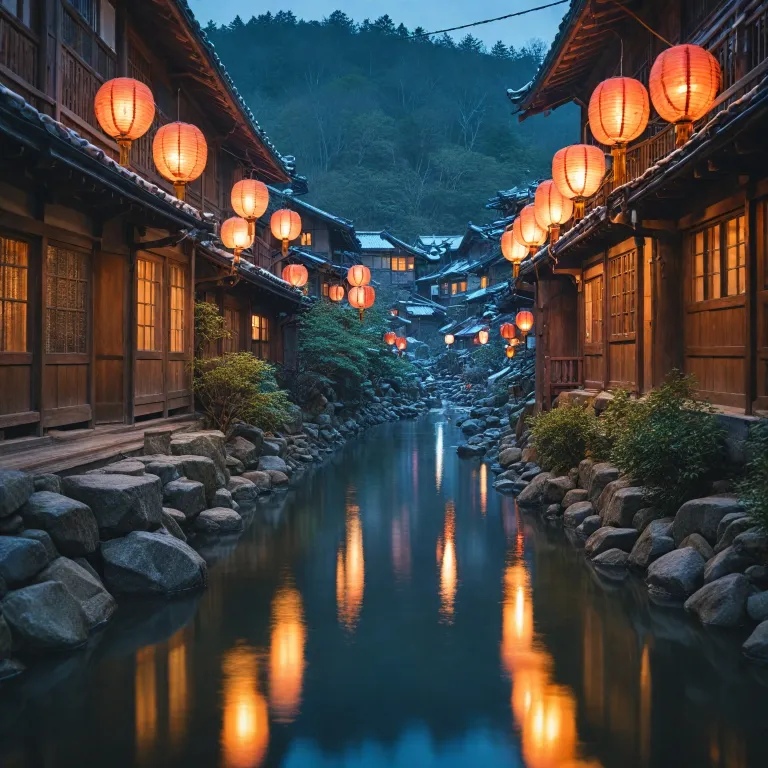
Ginzan onsen ryokan stays in a historic hot spring town
Choosing a ginzan onsen ryokan begins with understanding the character of this spring town in Obanazawa, nestled in the mountains of Yamagata Prefecture. The wooden facades along the Ginzan river create a cinematic atmosphere, and many guest rooms and shared spaces preserve original beams and latticework that reflect traditional Japanese style. Ginzan Onsen developed around silver mining and later transitioned to a hot spring resort town, and this layered history still shapes how each hotel presents its rooms, baths, and service.
When browsing a luxury or premium booking website, focus first on the type of room and bath capacity that match your expectations for comfort. Some guest rooms face the Ginzan river, while others overlook narrow lanes in the town, and the most sought after options include a room private open air bath fed directly by the hot spring. Tatami Japanese flooring, sliding shoji doors, and low furniture define the classic style room, while a few properties offer hybrid layouts that combine Western beds with a Japanese style sitting area.
Every ginzan onsen ryokan uses natural hot springs, but the ambience of each onsen area varies significantly. You will find indoor pools lined with stone, outdoor baths beside the river, and sometimes a private bath that can be reserved by the hour for couples or families. Some ryokan have undergone modern renovations while preserving traditional elements, such as the Fujiya Ryokan redesigned by architect Kengo Kuma, which appeals to travelers who appreciate contemporary design layered over deep tradition.
Understanding rooms, private baths, and onsen etiquette
On a luxury booking platform, the variety of rooms in Ginzan Onsen can feel overwhelming at first glance. Start by comparing the standard room categories, then look carefully at whether each room private facility includes its own onsen style bath or only a modern unit bath. In many premium properties, the most exclusive guest rooms face the Ginzan river and feature a private hot tub on the balcony, allowing you to enjoy the hot spring water in complete privacy.
Shared onsen spaces remain central to the experience, and they are usually separated by gender with clear signage in Japanese and English. Before entering any hot springs, guests must wash thoroughly at the shower stations, then soak quietly so that everyone can relax in the hot water. Some hotels provide a schedule for families who prefer a private bath slot, which is especially useful for visitors unfamiliar with Japanese bathing customs.
Room descriptions on a booking website should specify whether there are rooms smoking or non smoking, and whether any smoking areas exist outside the main building. Luxury travelers often prefer non smoking guest rooms, so confirm this detail before finalizing your reservation. If you require a completely smoke free environment, send a message through the booking system and the hotel staff will usually note your preference and assign an appropriate style room.
Meals, seasonal food, and how dinner is served
One of the greatest pleasures of staying in a ginzan onsen ryokan is the multi course dinner that showcases local food from Yamagata Prefecture. Many plans on luxury booking websites include half board, meaning that both dinner and breakfast are included in the price person, which simplifies budgeting for your stay. Because ingredients are highly seasonal, meals will change throughout the year, with river fish, mountain vegetables, and Yamagata beef often appearing on the menu.
In more traditional properties, dinner is served room by room, and attendants quietly arrange each dish on low tables in your tatami Japanese space. This style of service allows you to dine in a private atmosphere, and hot dishes arrive in sequence so that the temperature and texture remain perfect. Some modern hotels instead use elegant dining rooms where meals will be served at set times, which can be more convenient for larger groups or families with children.
Breakfast usually continues the Japanese style theme, with grilled fish, rice, miso soup, and small side dishes that highlight regional produce. If you prefer Western food, check the booking details carefully, because not every ginzan onsen ryokan offers bread, eggs, or coffee as a standard option. When you have dietary restrictions or need a special menu, contact the property well in advance so the kitchen will be able to adjust the served room meals without compromising quality.
Pricing, value, and how to read luxury booking details
Rates for a ginzan onsen ryokan can vary widely, so understanding how price person is calculated will help you compare options fairly. Most traditional Japanese inns quote prices per guest, including dinner, breakfast, and access to the onsen, rather than per room as in a typical Western hotel. When browsing a premium booking website, always check whether the displayed rate includes tax, service charges, and the local hot spring fee, which can otherwise surprise travelers at checkout.
Room categories often range from a compact standard tatami Japanese room to expansive suites with a private hot open air bath. Higher prices usually reflect larger guest rooms, better views where rooms face the Ginzan river, and enhanced amenities such as a private bath or upgraded seasonal food. Some properties also charge more for weekends, holidays, and peak winter dates when the snow covered town becomes especially atmospheric.
Because availability is limited in this small spring town, booking early is essential, particularly if you want a specific style room or non smoking floor. Luxury travelers planning a wider itinerary across Japan sometimes compare Ginzan Onsen with other destinations, and resources such as this guide to the best ryokan experience in Tokyo can help you balance your overall budget and expectations : best ryokan experience in Tokyo. By reading reviews carefully and noting how meals will be structured, you will be able to select a property where the price person aligns with the level of service and atmosphere you seek.
Access, seasons, and planning your stay in yamagata
Reaching your chosen ginzan onsen ryokan usually begins with a rail journey through northern Japan toward Yamagata Prefecture. The most convenient route is to travel by train to Oishida Station, followed by a bus or taxi ride that winds into the mountains and ends near the historic hot spring town. Because services can be limited in the evening, premium booking websites often recommend that guests aim to arrive by mid afternoon so they can settle into their room before dinner.
Ginzan Onsen is accessible year round, and each season offers a different perspective on the wooden streets and steaming hot springs. Winter is particularly popular due to the picturesque snow-covered scenery, but the area is accessible year-round, and this high demand means that guest rooms with a private hot bath sell out quickly. In spring and autumn, the milder weather makes it pleasant to stroll along the Ginzan river before soaking in an outdoor onsen, while summer brings lush greenery and cooler mountain air compared with many other parts of Japan.
When planning, remember that some properties limit day visitor access to the onsen during busy periods to preserve a calm atmosphere for overnight guests. If you are sensitive to cold, choose a style room where the bath capacity and heating system are clearly described, ensuring that your private bath or shared facilities remain comfortably hot. Booking platforms that specialize in Japanese style inns often provide detailed seasonal notes, helping you decide which month will best match your expectations for scenery, temperature, and crowd levels.
Room policies, smoking rules, and tailoring your experience
Luxury travelers selecting a ginzan onsen ryokan should pay close attention to room policies, especially regarding smoking and the use of shared spaces. Many properties now designate all guest rooms as non smoking, with only a small outdoor area reserved for guests who smoke, while a few still maintain specific rooms smoking categories that must be requested. When using a premium booking website, look for clear labels and, if necessary, send a direct message so the hotel will confirm your preferred environment.
Families and couples often prioritize privacy, so it is important to understand how room private facilities are arranged in each property. Some suites feature a private hot spring bath on the terrace, while others offer a modern bathtub supplied with regular hot water rather than true hot springs, and this distinction significantly affects the overall experience. Descriptions should specify whether guest rooms face the Ginzan river, inner courtyards, or the narrow streets of the spring town, because views strongly influence the sense of retreat.
Check in and check out times are usually fixed, and late arrivals can reduce your opportunity to enjoy the onsen and the carefully prepared food. Because meals will often be served room by room at specific hours, inform the property in advance if your train to Oishida Station may be delayed. By aligning your expectations with the hotel policies on smoking, bathing, and dining, you will create a stay that feels both authentically Japanese and personally comfortable.
Choosing the right ginzan onsen ryokan for different travelers
With around a dozen properties clustered along the Ginzan river, selecting the ideal ginzan onsen ryokan depends on your travel style and priorities. Some hotels emphasize heritage, with creaking corridors, intimate guest rooms, and classic tatami Japanese interiors that appeal to purists of Japanese style hospitality. Others lean toward contemporary design, integrating glass, steel, and minimalist style room layouts while still channeling natural hot springs into both shared and private bath areas.
Couples seeking a romantic escape often prioritize a room private open air bath, where they can enjoy the hot water without sharing the onsen with other guests. Families may instead focus on bath capacity in the larger communal facilities, as well as flexible meal times and menus where meals will accommodate younger diners without sacrificing the quality of local food. Solo travelers sometimes choose a standard room with access to multiple indoor and outdoor baths, balancing value and comfort while still enjoying the atmosphere of the spring town.
Across all traveler types, the most satisfying stays come from matching expectations with the specific strengths of each property in Yamagata Prefecture. Book accommodations well in advance, especially during peak seasons, and be aware of entry restrictions during winter months for day visitors, then explore nearby attractions like Shirogane Waterfall and the old silver mine. By using a luxury or premium booking website that clearly explains room categories, smoking policies, and onsen facilities, you will be able to select a ginzan onsen ryokan that turns your journey through Japan into an elegant and restorative experience.
Key figures about ginzan onsen ryokan
- Number of traditional inns in Ginzan Onsen : 12 establishments.
- Average annual visitors to the area : 200000 people.
Essential questions about staying in ginzan onsen ryokan
What is the best time to visit Ginzan Onsen?
Winter is particularly popular due to the picturesque snow-covered scenery, but the area is accessible year-round. Outside the snowy months, spring blossoms, summer greenery, and autumn foliage each offer distinct atmospheres for enjoying the hot springs. Your choice will depend on whether you value dramatic winter views or quieter shoulder seasons with slightly lower demand for guest rooms.
Are there public baths available for non-overnight guests?
Yes, some ryokan offer daytime access to their baths for non-overnight guests, and there are public bathhouses available. These options are ideal for travelers who base themselves elsewhere in Yamagata Prefecture but still wish to experience the hot spring town for a few hours. Always check current policies in advance, because capacity limits and seasonal restrictions can affect same day access.
How can I get to Ginzan Onsen?
Ginzan Onsen is accessible by train to Oishida Station, followed by a bus or taxi ride to the onsen area. The final leg of the journey passes through rural landscapes, setting the tone for a slower pace of travel. During winter, allow extra time for potential weather related delays and confirm bus schedules before departure.
