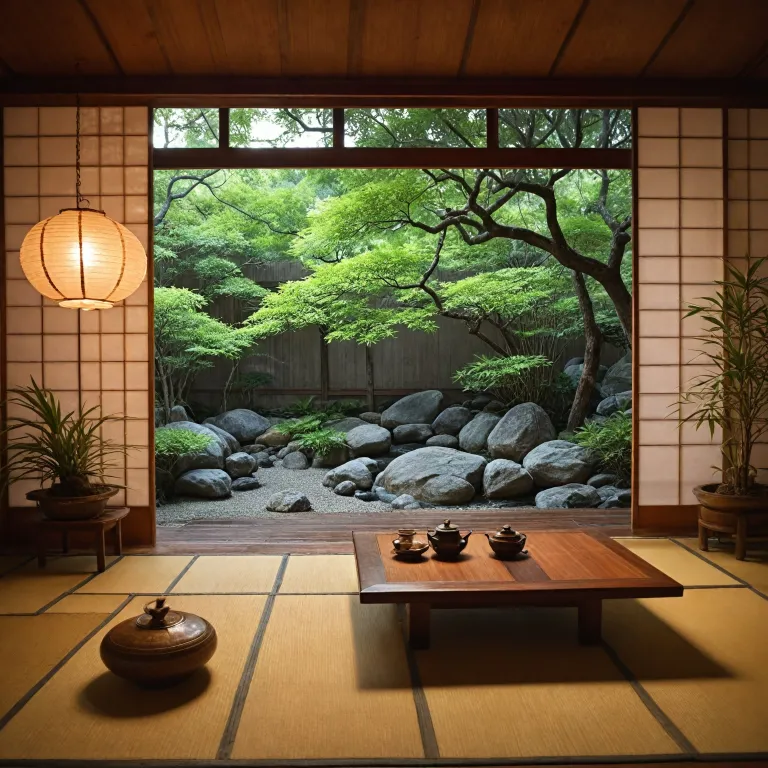
Understanding what makes the best ryokan in Kyoto truly exceptional
Choosing the best ryokan in Kyoto starts with understanding what a ryokan really is. A ryokan is a traditional Japanese inn featuring tatami-matted rooms, communal baths, and local cuisine. In Kyoto, this means stepping into a refined world where japanese culture, architecture, and hospitality shape every moment of your stay.
Many guests arrive in japan expecting a standard hotel, yet a Kyoto ryokan offers something more intimate and ritual driven. You will remove your shoes at the entrance, walk across tatami floors, and sleep on futon bedding in serene style rooms that reflect centuries of tradition. This authentic japanese rhythm can feel unfamiliar at first, but it quickly becomes the highlight of a thoughtful kyoto stay.
Kyoto ryokan properties such as Tawaraya Ryokan, Hiiragiya Ryokan, and Seikoro Ryokan have refined this art over generations. These ryokans combine traditional japanese aesthetics with discreet modern comforts, ensuring every room feels both timeless and quietly luxurious. For travelers comparing hotels and ryokans in japan kyoto, the difference lies in the depth of the experience rather than the number of amenities.
In a ryokan kyoto, the room itself becomes a private retreat where japanese style design, sliding shoji screens, and views of a small garden create a calming atmosphere. Guests who usually prefer a style hotel with western style rooms often find the slower pace surprisingly restorative. When you stay ryokan, attentive service, seasonal cuisine, and the gentle presence of japanese people dedicated to omotenashi hospitality redefine what luxury means in Kyoto.
Iconic Kyoto ryokans for luxury seekers and culture lovers
For travelers seeking the best ryokan Kyoto can offer, a few legendary names stand out. Tawaraya Ryokan, family run for centuries, is renowned for its serene inner garden and meticulous, almost invisible service. Hiiragiya Ryokan offers a similarly intimate atmosphere, blending traditional japanese architecture with subtle modern comforts that appeal to discerning guests.
Seikoro Ryokan, near the historic Higashiyama district, places you within a short minute walk or quick ride of temples and teahouses. Its tatami floors, wooden corridors, and carefully prepared kaiseki dinners create a deeply authentic japanese experience. Toshiharu Ryokan, housed in a preserved townhouse, allows guests to feel the quiet elegance of japan kyoto in a building recognized as a cultural asset.
Nazuna Kyoto Nijo-jo presents another interpretation of the kyoto ryokan concept, with rooms inspired by tea culture and private open air baths overlooking a Zen garden. This property feels like a small luxury sanctuary, ideal for travelers who appreciate traditional japanese design but also value contemporary touches. Guests who usually choose a hotel kyoto for convenience often find that these ryokans offer comparable comfort with far more character.
When comparing rooms across these ryokans and more conventional hotels, consider how much time you plan to spend inside your room. If you value quiet evenings, in room dining, and close contact with japanese culture, these ryokans provide an unmatched setting. For those interested in refined travel gear and comfort, resources such as this guide to elevating your stay at a luxury japanese inn can further enhance your Kyoto experience.
How to plan your Kyoto stay and secure the right ryokan
Demand for the best ryokan Kyoto has available is consistently high, especially during cherry blossom and autumn foliage seasons. Book reservations 6 to 12 months in advance, especially during peak seasons. Is it necessary to book ryokan accommodations in advance? Yes, especially during peak seasons, it's advisable to book 6 to 12 months in advance.
Luxury ryokans in japan kyoto often operate with limited rooms, which preserves a sense of privacy but makes early booking essential. Many guests aim for two or three nights to fully appreciate the rhythm of a traditional japanese stay. Shorter stays can still be rewarding, yet an extra night allows you to slow down, explore the garden, and enjoy both breakfast and dinner in your room.
When planning your kyoto stay, consider proximity to kyoto station and major sights, especially if you prefer a short minute walk or quick taxi ride. Some ryokans sit in quiet residential areas, while others are closer to central hotels and shopping streets. If you are combining Kyoto with a stay in Tokyo, resources such as this guide to authentic japanese hospitality in Tokyo can help you coordinate both parts of your journey.
For travelers who usually favor a style hotel with western style rooms, it can be helpful to mix accommodation types. Spend a few nights in a hotel kyoto near kyoto station for easy transit, then move to a small luxury ryokan kyoto for a quieter finale. This approach lets guests compare hotels and ryokans directly, deepening their understanding of japanese culture and hospitality.
Balancing traditional Japanese style and western comfort in your room
One of the most common concerns for first time guests is how comfortable a traditional japanese room will feel. Tatami floors, futon bedding, and low furniture differ from western style rooms, yet high end ryokans in kyoto have refined these elements for maximum comfort. Staff will usually prepare your futon each evening, layering thick mattresses and duvets to create a surprisingly plush sleeping surface.
Many ryokans now offer a blend of japanese style and western style options, especially in small luxury properties. Some rooms feature low beds instead of futons, or a combination of chairs and floor seating to accommodate different preferences. When you book, clarify whether you prefer fully traditional japanese style rooms or a hybrid layout that feels closer to a style hotel.
Bathrooms in a ryokan kyoto can also vary, from shared onsen style baths to private soaking tubs overlooking a garden. Guests who value privacy may wish to choose rooms with en suite baths, while others enjoy the ritual of communal bathing that is central to japanese culture. In either case, you will be expected to follow onsen etiquette, including washing thoroughly before entering the bath.
Compared with many hotels in japan kyoto, ryokans place more emphasis on atmosphere than on large floor plans. Rooms may be smaller than suites in a hotel kyoto, yet the sense of space created by sliding doors, alcoves, and garden views feels generous. This thoughtful design helps guests stay ryokan comfortably, even when they are accustomed to larger western style hotels.
Maximizing value, service, and last minute opportunities at Kyoto ryokans
Luxury ryokans in kyoto are a significant investment, with average nightly rates for top properties often reaching several hundred dollars. Average nightly rate for luxury ryokan: 800 USD. Occupancy rate during peak seasons: 90 percent.
Because occupancy is high, early booking remains the most reliable way to secure the best ryokan Kyoto can offer. However, travelers with flexible dates sometimes find last minute openings when international guests adjust their plans. To explore these possibilities, consult specialized resources such as this guide to securing last minute luxury ryokan deals, which explains how to monitor cancellations and premium offers.
When comparing ryokans and hotels, remember that rates usually include both breakfast and dinner. Are meals included in the ryokan stay? Yes, most ryokans include breakfast and dinner, often featuring kaiseki, a traditional multi-course Japanese meal. This means that a ryokan kyoto stay often replaces restaurant spending, especially for guests staying multiple nights.
Service at a small luxury kyoto ryokan is typically more personalized than at larger hotels. Staff will anticipate needs, adjust meal times when possible, and help coordinate transport from kyoto station or nearby landmarks. Guests who communicate preferences clearly during booking, such as dietary needs or room layout, usually enjoy a smoother and more tailored experience throughout their japan kyoto journey.
Etiquette, culture, and how to choose the right Kyoto ryokan for you
Respecting etiquette is essential when staying at the best ryokan Kyoto offers, because these properties are guardians of japanese culture. Be prepared to remove shoes upon entering and sleep on futon bedding. Familiarize yourself with onsen etiquette if the ryokan offers communal baths.
Japanese people working in ryokans take pride in omotenashi, a form of hospitality that anticipates guests’ needs without being intrusive. This means that staff may appear only when required, leaving you to enjoy your room and garden in privacy. If you need anything, a simple request will usually be met quickly and graciously, even if language skills vary.
When choosing between different ryokans and hotels in kyoto, consider how important proximity, atmosphere, and formality are to your trip. Some ryokans near kyoto station offer easier access and a short minute walk to transport, while others sit deeper in residential districts with quieter surroundings. Travelers who value a more relaxed environment may prefer a small luxury property with fewer rooms and a more intimate dining room.
For many guests, the ideal kyoto stay combines time in a ryokan kyoto with nights in a hotel kyoto or other hotels across japan. This balance allows you to enjoy both japanese style immersion and the familiarity of western style comforts. If you are unsure where to begin, ask your travel advisor to recommend ryokan options that match your expectations for service, design, and proximity to cherry blossom viewing spots and historic districts.
Key statistics for planning a luxury ryokan stay in Kyoto
- Average nightly rate for luxury ryokan stays in Kyoto is approximately 800 USD, reflecting inclusive dining and high service levels.
- Occupancy rate during peak seasons at top Kyoto ryokans reaches around 90 percent, making early booking essential.
Essential questions about staying at a Kyoto ryokan
What is a ryokan?
A ryokan is a traditional Japanese inn featuring tatami-matted rooms, communal baths, and local cuisine. In Kyoto, many ryokans also include landscaped gardens, tea rooms, and architecture that reflects regional history. Guests choosing a ryokan kyoto over a standard hotel gain deeper access to japanese culture and hospitality rituals.
Are meals included in the ryokan stay?
Yes, most ryokans include breakfast and dinner, often featuring kaiseki, a traditional multi-course Japanese meal. These meals are usually served in your room or in a dedicated dining space, timed to your evening schedule. When comparing prices between ryokans and hotels in kyoto, remember that this dining component significantly enhances value.
Is it necessary to book ryokan accommodations in advance?
Yes, especially during peak seasons, it's advisable to book 6 to 12 months in advance. High occupancy at the best ryokan Kyoto properties means that last minute options are limited, particularly during cherry blossom and autumn foliage periods. Early booking also gives you a better choice of rooms, from fully japanese style layouts with tatami floors to hybrid western style configurations.
