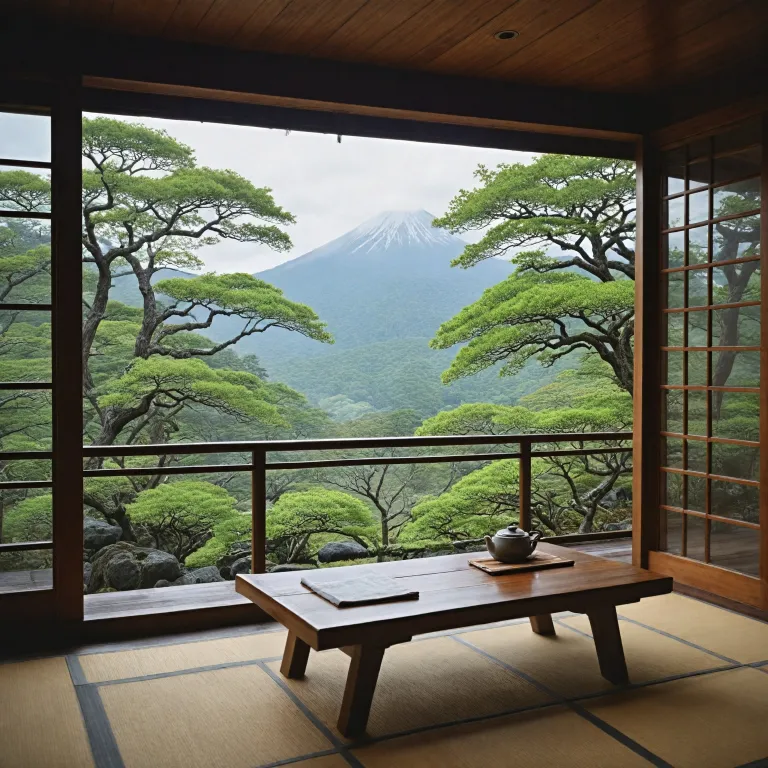
Why a Hakone ryokan with private onsen defines refined Japanese hospitality
Choosing a Hakone ryokan with private onsen is about more than comfort. It is a deliberate step into traditional Japanese hospitality, framed by misty mountains, cedar forests, and mineral rich hot spring baths. In Hakone, the line between hotel convenience and ryokan ritual softens, giving you time to slow down and truly breathe.
The town of Hakone in Kanagawa is renowned for its steaming hakone onsen sources, and many ryokan now balance traditional Japanese style with discreet modern touches. Guests can check availability online, compare rooms with private open air baths, and still arrive to a tatami room where a kimono clad attendant serves tea. This blend of Japanese western influences is particularly evident in properties that offer both futon based rooms and western style beds within the same ryokan.
For travelers planning a first stay, understanding the difference between a standard hotel and a traditional Japanese ryokan is essential. A ryokan is a traditional Japanese inn that typically features tatami-matted rooms, communal baths, and other public areas where visitors may wear yukata. In Hakone, many of these inns now feature private onsen or private open air baths attached to the room, allowing you to enjoy onsen Hakone waters at any hour, in complete privacy.
Demand for a Hakone ryokan with private onsen has grown steadily, especially in areas such as Hakone Yumoto, Hakone Gora, Gora, and Sengokuhara. Luxury addresses like Gora Kadan and Hakone Gora Karaku offer rooms with private open air hot spring baths, while more intimate properties focus on a handful of carefully designed rooms. Across these ryokans, the emphasis remains the same : calm, authenticity, and a deep connection to the surrounding landscape.
Understanding room types, layouts, and private onsen configurations
When you book a Hakone ryokan with private onsen, the first major decision concerns the room layout. Many properties offer pure Japanese style rooms with tatami flooring, sliding shoji doors, and futons that attendants lay out after dinner. Others feature Japanese western rooms, where a western style bed shares space with a low table and zabuton cushions, giving flexibility to guests who prefer a familiar sleeping arrangement.
In Hakone Gora and Gora specifically, luxury ryokan such as Gora Kadan and Hakone Gora Karaku showcase rooms with private open air hot spring baths on terraces. These open air baths, often called rotenburo, allow you to sit in steaming spring baths while cool mountain air drifts across the surface. Some ryokan in Sengokuhara and near Hakone Yumoto instead place the private onsen inside the bathroom area, creating air hot spring baths that can be enjoyed even in colder weather.
Room descriptions on booking platforms can be dense, so it is important to check availability details carefully. Look for phrases such as rooms with private onsen, rooms with open air baths, or private open air hot spring baths attached to the room. If you value scenery, prioritize rooms with open air baths facing the valley or forest, rather than enclosed air baths that emphasize privacy over views.
Travelers comparing Hakone to other hot spring regions may find it helpful to read a refined guide to choosing a Ginzan onsen ryokan in Yamagata Prefecture, which explains similar room and bath distinctions. In Hakone, however, the variety is particularly wide, from compact rooms with private onsen near the station to expansive suites in Sengokuhara with private open terraces. Whatever you choose, ensure the room type, bath style, and view align with how you want to experience onsen Hakone at different times of day.
How to evaluate onsen quality, open air design, and seasonal ambience
Not every Hakone ryokan with private onsen offers the same bathing experience, even when the rooms appear similar. The mineral composition of hakone onsen water, the temperature control, and the design of the open air baths all influence how restorative each soak feels. Before you complete your booking, it is worth reading detailed descriptions of the spring baths and how the water is sourced.
Some ryokan in Hakone Yumoto and Hakone Gora pipe hot spring water directly into private onsen tubs, maintaining a constant flow that keeps the water fresh. Others alternate between filling the private open air baths and the larger communal air baths, which may slightly dilute the sense of exclusivity. When you check availability, look for notes about continuous flow hot spring baths, as these usually indicate higher water quality and a more authentic onsen Hakone experience.
Design also matters, especially for open air baths exposed to mountain breezes. In Gora and Sengokuhara, many rooms with open air hot spring baths are partially sheltered, allowing you to enjoy cool air while remaining protected from rain. These air hot spring baths feel particularly atmospheric in colder months, when steam rises into the night air and the surrounding forest falls silent.
For travelers comparing regions, a Kyoto ryokan with private onsen offers a more urban, temple focused ambience, while Hakone emphasizes volcanic landscapes and lake views. Properties such as Gora Kadan, Hakone Gora Karaku, and Hakone no Meito Matsuzakaya Honten are known for carefully designed spring baths that frame the scenery like a painting. Whether you choose a Japanese style room or a Japanese western layout, prioritize ryokan where the private onsen, open air design, and seasonal views work together to create a coherent sense of place.
Dining, kaiseki, and how restaurant experiences shape your stay
A Hakone ryokan with private onsen is as much about dining as bathing. Traditional Japanese inns place enormous emphasis on kaiseki cuisine, a multi course meal that reflects local ingredients, seasons, and the chef’s aesthetic sense. When you check availability, pay close attention to whether dinner and breakfast are included, and where they are served.
Many ryokan in Hakone Yumoto, Hakone Gora, and Sengokuhara offer in room dining, bringing each course to your tatami room while you relax in a yukata. This format allows you to move between your private onsen and the low dining table, creating a seamless flow between hot spring baths and seasonal dishes. Other properties instead use a dedicated restaurant space, which can be particularly appealing in Japanese western or western style rooms where a table and chair setting feels more natural.
Menus often highlight regional specialties such as wagyu beef, freshwater fish, and mountain vegetables, paired with local sake. If you have dietary restrictions, it is essential to contact the ryokan before your booking and check what adjustments the restaurant can make. Many traditional Japanese kitchens can accommodate pescatarian or no beef requests, but complex allergies may require a more modern hotel style operation.
For travelers building a longer itinerary, reading about ryokan accommodation in Kyoto and its immersive approach to traditional Japanese hospitality can help you compare culinary expectations across regions. In Hakone, properties like Gora Kadan and Hakone Onsen Ryokan Yaeikan are frequently praised for balancing classical kaiseki with contemporary plating. Whether you stay in a compact room with private open air baths or a larger suite with air baths and a separate living area, the quality of the restaurant experience will significantly shape your memory of onsen Hakone.
Digital booking, availability checks, and navigating luxury price points
The rise of online platforms has transformed how travelers secure a Hakone ryokan with private onsen. Instead of relying solely on phone calls or travel agents, you can now check availability in real time, compare room categories, and review detailed photos of private open air baths. This transparency is particularly valuable in Hakone, where subtle differences between rooms with private onsen can justify significant price variations.
When evaluating options in Hakone Yumoto, Hakone Gora, Gora, or Sengokuhara, start by filtering for rooms with private onsen or rooms with open air hot spring baths. Then, examine whether the private onsen is truly private open air, partially enclosed air baths, or indoor spring baths with a window. Luxury ryokan such as Gora Kadan and Hakone Gora Karaku often command higher rates because every room includes a private open air hot spring bath, while other properties offer only a few such rooms.
Price also reflects meal plans, room size, and whether the layout is Japanese style, western style, or Japanese western. A compact Japanese style room with private onsen may cost less than a spacious Japanese western suite with open air baths and a separate living area. Before finalizing your booking, check cancellation policies, payment schedules, and whether seasonal surcharges apply during peak foliage or holiday periods.
Travelers should remember a key piece of advice from local experts : Book in advance, especially during peak seasons. Check for any dietary restrictions or special requests with the ryokan. Be aware of check-in and check-out times to plan your itinerary accordingly. By combining careful digital research with an understanding of how hot spring baths, room types, and restaurant offerings influence value, you can choose an onsen Hakone stay that aligns with both your expectations and your budget.
Comparing signature Hakone ryokans and matching them to your travel style
Within Hakone, several ryokan have become benchmarks for travelers seeking a Hakone ryokan with private onsen. Gora Kadan, a former imperial retreat in Gora, is renowned for its rooms with private open air hot spring baths, meticulous kaiseki, and serene gardens. Nearby, Hakone Gora Karaku offers seventy rooms, each with a private open air onsen and sweeping mountain views, appealing to guests who value consistency across room categories.
In the forested Tonosawa area near Hakone Yumoto, Kinnotake Tonosawa positions itself as an adult only retreat with suites featuring private open air baths and terraces. Aura Tachibana, also convenient to Hakone Yumoto Station, blends modern design with traditional Japanese elements, offering rooms with private onsen on balconies that function as compact air hot spring baths. Further afield, Hakone no Meito Matsuzakaya Honten in Sengokuhara combines centuries of history with rooms that feature private open air spring baths overlooking lush gardens.
Travelers who prioritize award winning open air baths may gravitate toward Ajisai Onsen Ryokan, where communal air baths are fed by natural hot spring sources. Those who prefer a mix of classical layout and modern convenience often choose Hakone Onsen Ryokan Yaeikan, which offers both in room private onsen and shared spring baths. In each case, the balance between Japanese style rooms, western style beds, and Japanese western hybrids allows different types of guests to feel at ease.
When comparing these ryokans, think carefully about how you plan to use your private open air baths. If you expect to soak multiple times a day, prioritize rooms with generous terraces, open air views, and easy access from the sleeping area. By aligning your choice of ryokan, room type, and hot spring configuration with your travel style, you ensure that your onsen Hakone stay feels both luxurious and deeply personal.
Practical etiquette, seasonal planning, and extending your onsen journey
Staying at a Hakone ryokan with private onsen involves a few etiquette points that enhance both comfort and respect. Before entering any hot spring baths, whether private onsen or shared air baths, you must wash thoroughly at the shower area. Swimwear is not worn in traditional Japanese spring baths, so guests bathe nude, using small towels only for modesty while moving between washing areas and the water.
In your room, staff will typically lay out futons in Japanese style spaces while you dine, or they will prepare western style beds in Japanese western rooms before you return from the restaurant. Keep luggage compact and avoid placing heavy suitcases directly on tatami, as this can damage the mats. When you check availability and complete your booking, it is wise to note arrival times so the ryokan can coordinate room preparation and any dietary needs.
Seasonal timing also shapes the character of onsen Hakone. Cooler months highlight the contrast between hot spring water and crisp mountain air, especially in private open air baths that frame autumn foliage or winter silhouettes. Warmer seasons, by contrast, make evening soaks in open air hot spring baths particularly pleasant, as the air baths fill with the scent of nearby forests and gardens.
Travelers who fall in love with this style of stay often extend their journey to other regions, using guides such as an elegant overview of Kyoto ryokan with private onsen to plan the next stop. Whether you base yourself in Hakone Yumoto for easy rail access or in Hakone Gora and Sengokuhara for quieter surroundings, the combination of traditional Japanese hospitality, carefully designed rooms with private onsen, and refined restaurant experiences creates a lasting benchmark. Once you have experienced a well chosen Hakone ryokan with private onsen, every future hotel stay will be measured against the memory of those private open air hot spring baths under the changing Japanese sky.
Key statistics about Hakone ryokans with private onsen
- Number of ryokans in Hakone offering private onsen : 7 ryokans (compiled from provided sources).
Essential questions about Hakone ryokans and private onsen
What is a ryokan?
A ryokan is a traditional Japanese inn that typically features tatami-matted rooms, communal baths, and other public areas where visitors may wear yukata.
What is an onsen?
An onsen is a Japanese hot spring and the bathing facilities and inns frequently situated around them.
Why choose a ryokan with a private onsen?
Choosing a ryokan with a private onsen offers privacy, convenience, and a personalized experience, allowing guests to enjoy the hot springs at their leisure without sharing facilities with others.
References : Japan National Tourism Organization (JNTO), Kanagawa Prefectural Tourism Association, Hakone Town Official Tourism Website.
