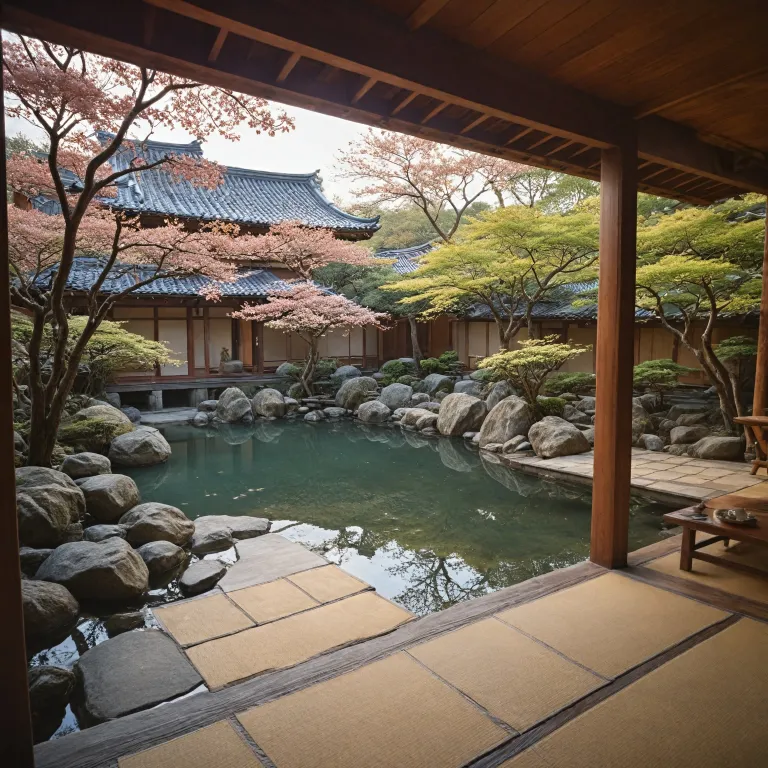
Immersive luxury: the essence of all inclusive ryokan experiences in Japan
All inclusive ryokan Japan experiences offer travelers a seamless blend of traditional Japanese hospitality and modern luxury. Guests are welcomed into serene environments where every detail, from tatami flooring to sliding shoji doors, reflects centuries of cultural refinement. The onsen, or hot spring baths, are a central feature, providing rejuvenation through mineral-rich spring water sourced from natural hot springs.
Many ryokans, such as those near Mount Fuji or in the heart of Kyoto, are renowned for their open air baths and private onsen rooms. These spaces allow guests to soak in tranquil surroundings, whether overlooking lush gardens or gazing at the iconic silhouette of Fuji. The experience is heightened by attentive service, where staff anticipate needs and ensure every aspect of the stay is flawless.
All inclusive packages typically encompass breakfast and dinner, crafted with seasonal ingredients and presented in the kaiseki style. This multi-course dining tradition showcases the best of Japanese cuisine, from delicate sashimi to simmered vegetables. The inclusion of meals, access to onsen, and cultural activities means guests can fully immerse themselves without concern for additional planning or expenses.
Travelers often select ryokan onsen experiences in regions like Hakone, Kinosaki Onsen, or Beppu Onsen for their renowned hot springs and scenic beauty. Whether arriving via the efficient rail network or using a Japan Rail Pass, the journey to these destinations is part of the adventure. Each night spent in a traditional Japanese inn deepens the connection to local customs and landscapes.
For those seeking a truly unique stay, options such as the Floating Ryokan Experience on the Seto Inland Sea combine maritime serenity with all inclusive luxury. The growing popularity of these accommodations among international visitors reflects a desire for authenticity and comfort in equal measure. With approximately 50,000 ryokans across Japan, the possibilities for memorable nights are endless.
Signature features of all inclusive ryokan: onsen, cuisine, and personalized service
The hallmark of all inclusive ryokan Japan is the harmonious integration of onsen, exquisite dining, and attentive service. Onsen ryokan establishments are celebrated for their hot spring baths, which utilize spring water known for its therapeutic properties. Guests can choose between communal open air baths and private onsen rooms, each offering a distinct atmosphere and level of privacy.
Dining is a highlight, with breakfast and dinner included in most packages. The breakfast dinner experience features regional specialties and seasonal produce, often sourced locally. In areas like Hokkaido or Kyushu Beppu, seafood and mountain vegetables are transformed into culinary masterpieces. The ritual of dining in a yukata, or casual kimono, adds to the sense of occasion and immersion in Japanese tradition.
Personalized service is a defining element of the ryokan experience. Staff members, trained in the art of omotenashi (hospitality), anticipate guest needs and provide thoughtful touches throughout the stay. Whether arranging a private onsen session or preparing a special meal for dietary preferences, their expertise ensures a memorable visit.
Travelers are encouraged to research and book in advance, especially during peak seasons when demand for premium ryokan is high. Utilizing trusted travel agencies or official ryokan websites can streamline the process and provide access to exclusive offers. For more insights on planning your trip and understanding the nuances of Japanese hospitality, explore this comprehensive guide to traditional Japanese inns.
Etiquette is important in Japanese culture, particularly in ryokan settings. Guests are expected to remove their shoes before entering, follow bathing protocols in the onsen, and respect the tranquility of shared spaces. These customs enhance the sense of harmony and respect that defines the ryokan experience.
Regional highlights: from Mount Fuji to Hakone and beyond
Japan's diverse geography offers a wealth of options for all inclusive ryokan stays, each with its own unique appeal. The area surrounding Mount Fuji is home to ryokan onsen that provide breathtaking views of the iconic peak. Guests can unwind in open air baths while admiring the changing colors of the landscape throughout the seasons.
Hakone, a short train ride from Tokyo, is renowned for its hot springs and artistic heritage. Ryokan in this region often feature private onsen rooms and offer easy access to local attractions such as the Hakone Open Air Museum. The journey from Tokyo to Kyoto by rail is another popular route, with stops in historic towns where traditional Japanese inns await.
Kinosaki Onsen is famous for its seven public bathhouses, each with its own character and mineral composition. Staying at an onsen ryokan here allows guests to experience the town's unique "bath hopping" culture. In Beppu Onsen, located in Kyushu, the abundance of hot springs and innovative bathing experiences attract visitors from around the world.
For those seeking a more remote escape, Hokkaido offers ryokan nestled amidst pristine forests and snow-capped mountains. The region's hot springs are especially inviting after a day of exploring the natural beauty of the north. Each destination provides a distinct interpretation of the all inclusive ryokan Japan experience, ensuring that every traveler finds their ideal retreat.
To further enhance your journey, consider using a Japan Rail Pass for convenient travel between cities and regions. For detailed information on transportation options and planning your itinerary, refer to this Japan travel resource.
Planning your stay: booking tips and etiquette for all inclusive ryokan
Securing a reservation at a premium all inclusive ryokan requires careful planning, especially during peak travel periods. It is advisable to book several months in advance to ensure availability, particularly in sought-after destinations like Kyoto, Hakone, or Gero Onsen. Official ryokan websites and reputable travel agencies offer the most reliable booking platforms.
When selecting a ryokan, review the specific services included in the all inclusive package. Most will provide accommodation, breakfast dinner, access to onsen, and sometimes additional amenities such as cultural workshops or guided tours. Some ryokans cater exclusively to adults, while others welcome families; always check the policy before confirming your stay.
Understanding ryokan etiquette is essential for a respectful and enjoyable experience. Upon arrival, guests are typically greeted with tea and a warm welcome. Shoes are removed at the entrance, and yukata are provided for comfort during your stay. Bathing in the onsen follows a ritual: wash thoroughly before entering the hot spring, and avoid bringing towels into the water.
For those traveling by train, the proximity of many ryokans to major rail lines makes them easily accessible. The Japan Rail Pass is a cost-effective option for exploring multiple regions, allowing for flexible itineraries and spontaneous adventures. The journey itself, whether by local train or shinkansen, offers scenic views and a glimpse into Japanese daily life. Thoughtful preparation ensures a smooth and enriching experience at every stage of your journey.
Unique experiences: floating ryokan and ocean-view retreats
While traditional ryokan are often nestled in mountain valleys or historic towns, innovative concepts like the Floating Ryokan Experience on the Seto Inland Sea redefine luxury accommodation. This unique offering allows guests to enjoy all inclusive services while drifting gently on calm waters, surrounded by panoramic views of the Japanese coastline. The tranquil setting is complemented by private onsen, open air baths, and gourmet dining featuring the freshest seafood.
Ocean-view ryokans, such as Sumie Chita in Minamichita Utsumi Onsen, provide a serene escape for those seeking relaxation by the sea. These adult-only retreats emphasize privacy and exclusivity, with each room designed to maximize comfort and showcase the beauty of the natural surroundings. Guests can unwind in their own private onsen, savor breakfast dinner overlooking the waves, and participate in cultural activities that celebrate local traditions.
Matsushima Ichinobo, located in Miyagi Prefecture, offers a different perspective with its scenic views of Matsushima Bay. The all inclusive package includes access to multiple hot spring baths, seasonal cuisine, and personalized service that reflects the spirit of Japanese hospitality. Whether you prefer the gentle rhythm of the sea or the tranquility of a garden setting, there is an all inclusive ryokan Japan experience to suit every preference.
These innovative accommodations demonstrate the versatility of the ryokan concept, blending time-honored customs with contemporary luxury. The integration of onsen, gourmet dining, and immersive cultural experiences ensures that each stay is both memorable and meaningful. As the demand for unique and authentic travel experiences grows, all inclusive ryokan continue to set the standard for excellence in Japanese hospitality.
Maximizing value: understanding pricing, packages, and amenities
The cost of an all inclusive ryokan stay in Japan varies depending on location, amenities, and level of luxury. On average, guests can expect to pay around 30,000 JPY per person night, which typically includes accommodation, breakfast dinner, and access to onsen facilities. Some packages may also feature complimentary beverages, snacks, or participation in cultural activities.
When comparing options, consider the value of included services such as private onsen, open air baths, and personalized dining experiences. The convenience of having all meals and amenities provided allows guests to focus on relaxation and exploration. In regions like Gero Onsen or Beppu Onsen, the abundance of hot springs and variety of ryokan onsen ensure a wide range of choices for every budget and preference.
Travelers using a Japan Rail Pass benefit from easy access to ryokan across the country, from the bustling streets of Tokyo to the tranquil landscapes of Hokkaido. The integration of transportation and accommodation streamlines the travel experience and maximizes the enjoyment of each destination. For those seeking the ultimate in privacy and luxury, suites with private onsen rooms and exclusive services are available at select properties.
It is important to review the details of each package, including the number of nights, included meals, and any additional fees. Many ryokans offer special rates for extended stays or off-peak periods, providing excellent value for those with flexible travel plans. By understanding the components of all inclusive ryokan Japan packages, travelers can make informed decisions and enjoy a truly exceptional stay.
As one expert notes, "Typically, an all-inclusive ryokan stay includes accommodation, meals (often breakfast and dinner), access to onsen (hot spring baths), and sometimes additional amenities like beverages, snacks, and cultural activities." This comprehensive approach ensures that every aspect of the guest experience is thoughtfully curated and delivered with care.
Trends and future outlook: the evolving landscape of all inclusive ryokan in Japan
The popularity of all inclusive ryokan Japan continues to rise, driven by a growing appreciation for authentic cultural experiences and seamless service. International travelers are increasingly drawn to the unique combination of traditional Japanese hospitality and modern amenities. The integration of local and seasonal cuisine, personalized service, and immersive activities sets these accommodations apart from conventional hotels.
Innovations such as floating ryokan and ocean-view retreats reflect the industry's commitment to creativity and excellence. The preservation of traditional aesthetics, combined with the adoption of contemporary comforts, ensures that each stay is both timeless and relevant. As more travelers seek meaningful connections with local culture, the demand for all inclusive ryokan is expected to grow.
With approximately 25% of international tourists choosing ryokans for their stay, the impact on Japan's hospitality sector is significant. The emphasis on sustainability, community engagement, and cultural preservation further enhances the appeal of these unique accommodations. Whether exploring the vibrant cities of Tokyo and Kyoto or retreating to the peaceful countryside, the all inclusive ryokan experience offers a gateway to the heart of Japanese tradition.
For those planning their next journey, the wealth of options and the promise of exceptional service make all inclusive ryokan Japan an ideal choice. The continued evolution of this hospitality model ensures that future travelers will enjoy even greater levels of comfort, authenticity, and discovery.
Key statistics on all inclusive ryokan stays in Japan
- Number of ryokans in Japan: 50,000
- Average cost per night at all inclusive ryokans: 30,000 JPY
- Percentage of international tourists choosing ryokans: 25%
Frequently asked questions about all inclusive ryokan in Japan
What is included in an all-inclusive ryokan stay?
Typically, an all-inclusive ryokan stay includes accommodation, meals (often breakfast and dinner), access to onsen (hot spring baths), and sometimes additional amenities like beverages, snacks, and cultural activities.
Are all-inclusive ryokans suitable for families?
While many ryokans cater to adults seeking a tranquil experience, some all-inclusive ryokans are family-friendly. It's advisable to check the ryokan's policy and available amenities for children before booking.
How do I book an all-inclusive ryokan in Japan?
You can book directly through the ryokan's official website, via trusted travel agencies, or through reputable travel booking platforms that offer detailed information and customer reviews.
References:
Japan Ryokan and Hotel Association
Japan National Tourism Organization
Travel Booking Platforms
