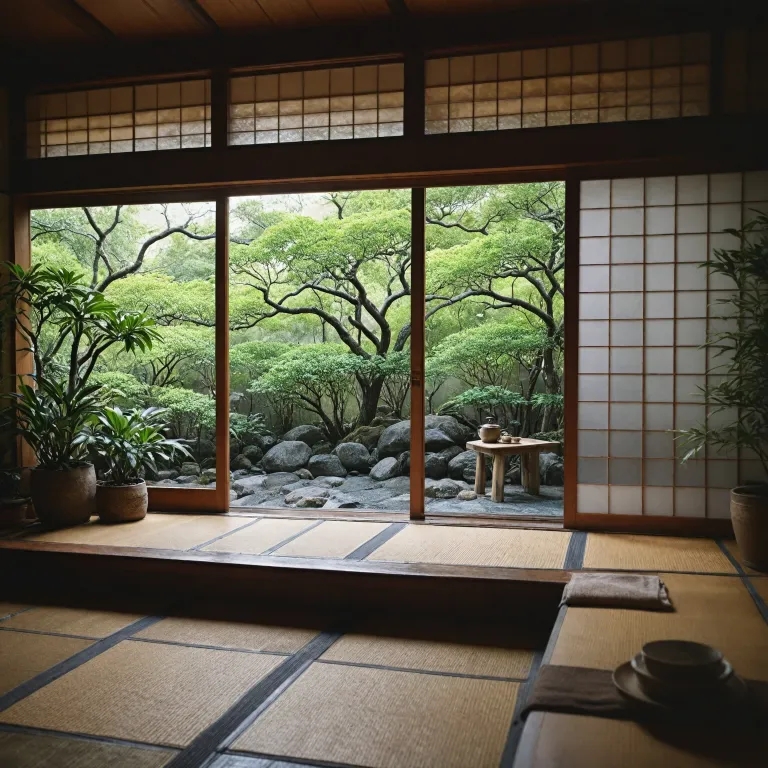
Immersing in Japanese tradition: what defines a traditional ryokan near Tokyo
Traditional ryokan near Tokyo offer guests a unique window into Japanese culture, blending refined hospitality with centuries-old customs. Each ryokan is designed to provide an authentic experience, from tatami-matted rooms to carefully prepared Japanese breakfast and dinner. The architecture and interiors reflect a harmonious balance of nature and simplicity, with sliding screens, futon bedding, and serene garden views setting the tone for a tranquil stay.
Ryokans in Tokyo and its surroundings cater to a variety of preferences, whether you seek a quiet retreat or proximity to vibrant city life. Many ryokans, such as Cyashitsu Ryokan Asakusa and The Edo Sakura, are located just a minute walk from major stations, making them accessible for travelers arriving from Ueno Station or other key transit points. The presence of private onsen and open air baths elevates the experience, allowing guests to unwind in a soothing environment after a day of exploring Tokyo.
Japanese style rooms are central to the ryokan experience, offering both comfort and a sense of tradition. Guests are encouraged to wear yukata, participate in tea ceremonies, and embrace the etiquette that defines ryokan hospitality. Whether you choose a ryokan in Asakusa or a modern interpretation like Yuen Bettei Daita, the commitment to excellence is evident in every detail, from the quality of the rooms to the attentive service. Good reviews and excellent reviews frequently highlight the authenticity and warmth of these establishments, reinforcing their reputation as premier destinations for travelers seeking a genuine Japanese stay.
Onsen culture and the allure of private and open air baths near Tokyo
One of the most cherished aspects of staying at a traditional ryokan near Tokyo is the opportunity to experience onsen culture. Many ryokans, including Hoshinoya Tokyo and Yuen Shinjuku Onsen Ryokan, feature onsen baths sourced from renowned regions like Hakone onsen. These baths, whether communal or private onsen, are designed to promote relaxation and rejuvenation, with mineral-rich waters that have been celebrated in Japan for centuries.
Guests can choose between open air baths, indoor onsen, or even rooms with private onsen, depending on their preferences. The availability of onsen private options ensures privacy and comfort, particularly for those who value solitude or have tattoos, as some ryokans are tattoos allowed. The experience of soaking in an open air bath while gazing at the city skyline or Mount Fuji is unforgettable, and many ryokans near Tokyo offer this unique combination of urban convenience and natural beauty.
For travelers interested in exploring more about onsen hotels and the nuances of Japanese bathing culture, the comprehensive guide to onsen etiquette and ryokan selection provides valuable insights. Good reviews and excellent reviews often mention the quality of the onsen facilities, the cleanliness of the air bath areas, and the attentive service provided by ryokan staff. Whether you are staying at a ryokan Tokyo property or venturing to ryokans Tokyo in the suburbs, the onsen experience remains a highlight of any visit.
Room types, amenities, and the art of Japanese style hospitality
Traditional ryokan near Tokyo are renowned for their diverse room offerings and meticulous attention to detail. Guests can select from a variety of rooms, including Japanese style rooms with tatami flooring, futon bedding, and sliding doors, as well as Western-style rooms for those seeking familiar comforts. The flexibility of room configurations ensures that solo travelers, couples, and families all find suitable accommodations.
Ryokans such as Kaminarimon Ryokan and Ryokan Kamogawa Asakusa provide both standard and premium rooms, with amenities like private onsen, open air baths, and garden views. Each room is designed to foster a sense of peace and relaxation, with natural materials and minimalist décor creating a harmonious atmosphere. The inclusion of Japanese breakfast and traditional tea ceremonies further enhances the cultural immersion, allowing guests to savor authentic flavors and rituals.
For those seeking guidance on selecting the ideal ryokan or understanding the range of amenities available, the expert resource on ryokan room types and services offers detailed information. Good reviews and excellent reviews consistently praise the cleanliness, comfort, and thoughtful touches found in ryokan rooms. Whether you are booking a ryokan asakusa property or exploring options near Ueno Station, the commitment to hospitality is evident in every aspect of the guest experience.
Accessibility and location: finding the perfect ryokan near Tokyo’s landmarks
The strategic location of traditional ryokan near Tokyo makes them an ideal choice for travelers wishing to explore both the city and its cultural landmarks. Many ryokans are situated within a minute walk of major train stations, such as Ueno Station and Asakusa Station, providing easy access to popular destinations like Sensoji Temple, Nakamise shopping street, and the Imperial Palace. This convenience allows guests to maximize their time in Tokyo while enjoying the tranquility of a traditional inn.
Ryokans Tokyo properties, including Onsen Ryokan Yuen Shinjuku and Sawanoya Ryokan, are located in neighborhoods that blend modern amenities with historical charm. Guests can stroll through Japanese gardens, visit local markets, and participate in seasonal festivals, all within walking distance of their ryokan. The proximity to public transportation also makes it easy to plan day trips to Hakone onsen or Mount Fuji, further enriching the travel experience. Good reviews and excellent reviews often highlight the convenience of these locations, the ease of access to major attractions, and the peaceful ambiance that defines the ryokan experience. Whether you are seeking a ryokan hotel in the heart of Tokyo or a serene retreat on the city’s outskirts, there is a perfect option to suit every traveler’s needs.
Guest experiences: reviews, etiquette, and the importance of cultural immersion
Guest reviews play a crucial role in shaping the reputation of traditional ryokan near Tokyo. Travelers consistently leave good reviews and excellent reviews for ryokans that excel in hospitality, cleanliness, and authenticity. The feedback often emphasizes the warmth of the staff, the quality of the rooms, and the unique experiences offered, such as private onsen and Japanese breakfast.
Understanding and respecting ryokan etiquette is essential for a fulfilling stay. Guests are encouraged to remove their shoes before entering, wear the provided yukata, and observe quiet hours to maintain a peaceful environment. Participation in traditional activities, such as tea ceremonies and communal baths, deepens the sense of cultural immersion and fosters a greater appreciation for Japanese customs.
As stated in the expert dataset, "A ryokan is a traditional Japanese inn featuring tatami-matted rooms, communal baths, and other public areas where visitors may wear yukata." This definition underscores the importance of embracing the traditions that make ryokans unique. Whether you are staying at a ryokan Tokyo property or exploring ryokans Tokyo in the suburbs, the opportunity to connect with Japanese culture is a highlight of the experience. Good reviews and excellent reviews frequently mention the transformative impact of these stays, making them a top choice for discerning travelers.
Planning your stay: booking tips, tattoo policies, and maximizing your ryokan experience
Securing a reservation at a traditional ryokan near Tokyo requires careful planning, especially during peak travel seasons. It is advisable to book in advance to ensure availability, particularly for popular ryokans with private onsen or open air baths. Many ryokans offer flexible booking options, allowing guests to choose from a range of rooms and amenities to suit their preferences.
Tattoo policies vary among ryokans, with some establishments being tattoos allowed and others maintaining restrictions. Guests with tattoos should inquire in advance or seek out ryokans that explicitly welcome tattoos, ensuring a comfortable and inclusive experience. The presence of onsen private and air bath facilities further enhances privacy and relaxation, catering to the needs of diverse travelers.
To make the most of your stay, familiarize yourself with ryokan etiquette, participate in traditional activities, and take advantage of the unique amenities offered. Whether you are enjoying a Japanese breakfast, soaking in an onsen room, or exploring the local neighborhood, every aspect of the ryokan experience is designed to create lasting memories. Good reviews and excellent reviews often highlight the value of these immersive stays, making traditional ryokan near Tokyo a preferred choice for luxury and premium travelers seeking authenticity and comfort.
Key statistics on traditional ryokan near Tokyo
- Number of traditional ryokans in Tokyo: 15 establishments
- Average price per night in a Tokyo ryokan: 15,000 yen
Frequently asked questions about traditional ryokan near Tokyo
What is a ryokan?
A ryokan is a traditional Japanese inn featuring tatami-matted rooms, communal baths, and other public areas where visitors may wear yukata.
Are there ryokans in Tokyo?
Yes, Tokyo offers several ryokans that provide traditional Japanese hospitality within the city.
Do Tokyo ryokans have onsen?
Some ryokans in Tokyo have onsen (hot spring baths), while others may offer sento (public baths) or no bathing facilities.
