Understanding what makes the best Japanese ryokan stay
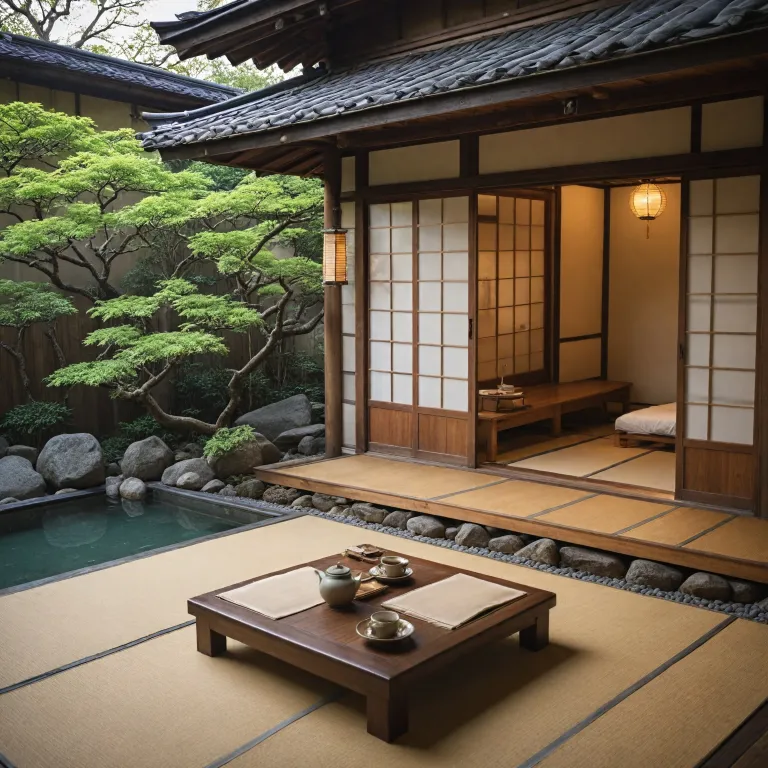
Choosing the best Japanese ryokan begins with understanding what a traditional Japanese inn truly offers. A ryokan is a traditional Japanese inn that typically features tatami-matted rooms, communal baths, and other public areas where visitors may wear yukata. When you stay ryokan style, you step into Japanese culture through tatami floors, sliding shoji doors, and low style rooms that frame the surrounding landscape. Many travelers compare several ryokans in Kyoto, Hakone, and around Mount Fuji before they book, because each region in Japan offers a different atmosphere and rhythm of daily life.
Luxury ryokan properties elevate this experience with refined kaiseki dinners, curated hot spring rituals, and rooms private enough to feel like a sanctuary. The average cost per night in a luxury ryokan is around 50 000 JPY, so it is worth planning your stay carefully and deciding whether you prefer open air baths, a private onsen, or large communal hot spring facilities. Some of the best ryokan addresses, such as Gōra Kadan in Hakone or Hoshinoya Kyoto on the river, blend traditional Japanese aesthetics with discreet modern comforts like climate control and high quality bedding. These details matter when you are staying ryokan for several nights and want both authenticity and ease.
For many guests, the best Japanese ryokan is defined by its onsen and the way hot spring water is integrated into daily rituals. Onsen ryokans often feature multiple baths, including indoor pools, open air baths, and occasionally an exclusive air bath terrace with panoramic views. When you book, check whether your room includes a private onsen or if you will share the hot spring with other guests, because this shapes the intimacy and rhythm of your stay. With more than 50 000 ryokans across Japan, understanding these nuances helps you match your expectations to the right property.
How to evaluate rooms, baths, and private onsen options
Room configuration is central when comparing the best Japanese ryokan options for a couple, family, or solo traveler. Traditional Japanese rooms use tatami mats, futon bedding, and low tables, while some small luxury properties add Western beds in hybrid style rooms for guests who prefer softer mattresses. When you stay ryokan style, ask whether staff can adjust futon thickness, provide extra pillows, or arrange rooms private from corridors to ensure a quiet night. This is especially important if you are staying ryokan with children or light sleepers who need calm surroundings.
Baths are another key factor, particularly in onsen ryokans where natural hot spring water is the highlight. Many luxury ryokan properties offer both large communal baths and smaller open air baths that overlook gardens, rivers, or even a distant view Mount Fuji. If you value privacy, look for rooms private enough to include a private onsen on the terrace or balcony, sometimes described as an open air bath or air bath with direct hot spring flow. These features transform a single night into a deeply restorative experience, especially after long days exploring Kyoto or hiking near Lake Kawaguchiko.
When you book, read room descriptions carefully to understand whether the hot spring is genuine onsen or simply heated water. Some ryokans in Japan highlight that their baths draw directly from a natural hot spring source, which can influence water minerals and skin feel. If you are sensitive to heat, confirm that the hot spring temperature can be adjusted or that there are multiple baths with varying warmth, from very hot pools to milder open air baths. This level of detail ensures your stay ryokan experience feels tailored rather than generic.
Iconic luxury ryokan stays in Kyoto, Hakone, and around Mount Fuji
Certain addresses frequently appear on lists of the best Japanese ryokan because they combine heritage, setting, and service with rare finesse. In Kyoto, Hoshinoya Kyoto sits along a tranquil river at the foot of Arashiyama, offering style rooms that open onto water views and gardens that reflect centuries of Japanese culture. Guests staying ryokan here move by boat, then step into tatami rooms private from the main pathways, creating a sense of retreat within the city. This balance of seclusion and access to Kyoto’s temples makes it a strong candidate when you book a first luxury ryokan stay.
In Hakone, Gōra Kadan has long been regarded as one of the best ryokan experiences in Japan. The property blends traditional Japanese architecture with contemporary comforts, offering multiple onsen baths, including open air baths framed by forest and stone. Many rooms feature a private onsen or semi open air bath, allowing guests to bathe in hot spring water while breathing cool mountain air. Kinnotake Tonosawa, also in Hakone, offers a more contemporary interpretation, with small luxury suites, rooms private from each other, and a strong emphasis on design and atmosphere.
For travelers drawn to Mount Fuji, Gora Kadan Fuji in Shizuoka Prefecture offers a luxury ryokan stay with a dramatic view Mount Fuji from select spaces. Here, onsen ryokans culture meets landscape, with hot spring pools oriented toward the mountain and carefully framed vistas. Around Lake Kawaguchiko, several ryokans in Japan private settings also highlight the view Mount Fuji, combining open air baths and air baths with sweeping panoramas. When you recommend staying in this region, emphasize how a clear day transforms the entire room and bath experience.
Design, atmosphere, and the role of air, light, and water
Beyond amenities, the best Japanese ryokan stays are defined by atmosphere, which is shaped by air, light, and water. Many luxury ryokan architects design style rooms that capture natural breezes, using open air corridors, paper screens, and wooden lattices to filter light softly. This interplay of air and shadow creates a calming environment that feels distinct from conventional hotels in Japan or elsewhere. When staying ryokan, guests often comment that simply sliding open a shoji to the garden becomes a meditative ritual.
Onsen ryokans pay particular attention to how hot spring water moves through the property, from indoor pools to open air baths and more intimate air baths on terraces. The sound of water, combined with fresh mountain or river air, reinforces the sense of retreat and deep rest. In some rooms private decks allow you to step directly from futon to private onsen, so your first experience of the day is a quiet soak facing trees, river, or even a distant view Mount Fuji. This choreography of movement, air, and water is central to the traditional Japanese idea of hospitality.
Lighting also plays a crucial role, especially at night when lanterns guide you between rooms and baths. Small luxury properties often use warm, low level lighting to preserve the night sky and the glow of hot spring steam rising from open air baths. When you stay ryokan in Kyoto or Hakone, notice how pathways, noren curtains, and even the angle of a corridor are designed to slow your pace. For travelers researching premium Japanese stays, it is important to understand that these sensory details are as valuable as room size or the number of baths.
Booking strategies for premium ryokans and etiquette for your stay
Securing a room at the best Japanese ryokan often requires planning several months ahead, especially in Kyoto, Hakone, and around Lake Kawaguchiko. Book in advance, especially during peak seasons. Because the number of rooms private to each property is limited, last minute availability can be rare, particularly for suites with a private onsen or open air bath. When you stay ryokan during cherry blossom or autumn foliage, expect minimum night requirements and higher rates per room and per guest.
Understanding etiquette is essential for a smooth stay in traditional Japanese inns across Japan. Be aware of ryokan etiquette, such as removing shoes before entering. Many onsen ryokans also request that guests wash thoroughly before entering any hot spring baths, whether communal or private. Some ryokans may have age restrictions for certain facilities. When you move between your room and the baths, wearing the provided yukata and slippers is standard, and staff will gladly explain the correct way to tie and layer garments.
When comparing options on a luxury and premium booking website, pay attention to whether meals are included and how they are served. Are meals included in a ryokan stay? Many ryokans include meals, often featuring traditional kaiseki cuisine, but it's advisable to confirm with the specific establishment. Dinner and breakfast are often served in your room or in small private dining rooms, which enhances the sense of intimacy. Do ryokans have private bathrooms? While some ryokans offer rooms with private bathrooms, many have shared facilities. It's best to check the amenities before booking. For travelers researching Japanese adult oriented stays, a separate niche of premium content exists online, and it is important to distinguish this from mainstream hospitality; for example, some users may encounter unrelated material such as specialized Japanese entertainment blogs while searching, which should not be confused with traditional ryokan booking resources.
Matching your ryokan stay to region, season, and travel style
To choose the best Japanese ryokan for your itinerary, start by mapping regions and seasons in Japan. Kyoto offers temple districts, riverside walks, and refined kaiseki, making it ideal for travelers who want to stay ryokan while exploring Japanese culture on foot. Hakone and other hot spring regions focus more on onsen ryokans, where the highlight is soaking in hot spring baths and enjoying mountain air rather than intensive sightseeing. Around Mount Fuji and Lake Kawaguchiko, the emphasis is often on the view Mount Fuji, with open air baths and air baths oriented toward the iconic peak.
Your travel style also shapes which luxury ryokan will feel like the best ryokan for you. Couples may prioritize rooms private with a terrace and private onsen, while families might look for larger style rooms and flexible meal times. Solo travelers often appreciate small luxury properties where staff can recommend staying patterns, such as alternating days of sightseeing with quiet hot spring afternoons. If you plan more than one night in the same ryokan, consider how the property varies its kaiseki menus and bath experiences to keep your stay fresh.
Climate and air quality are additional factors, especially for guests sensitive to heat or humidity. In summer, open air baths with cooler evening breezes can be more comfortable than very hot indoor pools, while in winter the contrast between cold air and steaming hot spring water becomes part of the charm. When you book, ask whether rooms have adjustable air conditioning and whether any air baths or terraces remain usable in rainy weather. These practical questions help ensure that your staying ryokan experience aligns with both your comfort level and your expectations of traditional Japanese hospitality.
How luxury booking platforms can better serve ryokan travelers
Luxury and premium booking websites play a crucial role in connecting international travelers with the best Japanese ryokan options. Yet many platforms still lack filters tailored to traditional Japanese stays, such as onsen availability, private onsen in rooms, or whether baths use genuine hot spring water. A more refined interface could allow users to search specifically for onsen ryokans in Kyoto, Hakone, or near Mount Fuji, and to distinguish between rooms private with open air baths and those with only indoor tubs. This level of detail would make it easier to recommend staying at properties that truly match guest expectations.
Another challenge is accurately presenting the nuances of Japanese culture and etiquette within booking descriptions. Clear explanations of staying ryokan customs, from wearing yukata to using air baths and open air corridors, help guests feel prepared rather than intimidated. Platforms could highlight whether a luxury ryokan offers multilingual staff, flexible meal options, or small luxury touches like in room tea ceremonies and curated view Mount Fuji experiences. For travelers comparing several best ryokan candidates, these qualitative details are as important as price per night or room size.
Finally, booking sites should emphasize transparency around room layouts, bath types, and what “Japan private” really means in context. High quality photography of style rooms, hot spring facilities, and open air spaces, combined with precise labels such as “private onsen,” “shared onsen,” or “air bath with partial hot spring feed,” would reduce misunderstandings. As interest in traditional Japanese stays continues to grow among international visitors, platforms that invest in accurate, culturally sensitive presentation of ryokans in Japan will earn greater trust and loyalty from discerning guests.
Key statistics about luxury ryokans in Japan
- Number of ryokans in Japan : approximately 50 000 establishments across the country.
- Average cost per night in a luxury ryokan : around 50 000 JPY per person including meals.
- Onsen ryokans : a significant share of traditional inns are located in hot spring regions such as Hakone and around Mount Fuji.
Essential questions when choosing the best Japanese ryokan
What is a ryokan?
A ryokan is a traditional Japanese inn that typically features tatami-matted rooms, communal baths, and other public areas where visitors may wear yukata. When you stay ryokan, you experience Japanese culture through architecture, cuisine, and hospitality rituals that differ from standard hotels. This makes ryokans in Japan particularly appealing for travelers seeking a deeper connection with local traditions.
Are meals included in a ryokan stay?
Are meals included in a ryokan stay? Many ryokans include meals, often featuring traditional kaiseki cuisine, but it's advisable to confirm with the specific establishment. In many luxury ryokan properties, dinner and breakfast are served either in your room or in intimate dining spaces, turning each night into a curated culinary experience. When comparing best ryokan options, check whether menus adapt to dietary needs and how strongly they highlight regional Japanese ingredients.
Do ryokans have private bathrooms?
Do ryokans have private bathrooms? While some ryokans offer rooms with private bathrooms, many have shared facilities. In luxury and small luxury properties, it is increasingly common to find rooms private with en suite showers plus access to larger onsen baths. When you book, verify whether your chosen stay ryokan includes a private onsen, an open air bath, or only shared hot spring facilities, so you can align expectations with the level of privacy you prefer.
