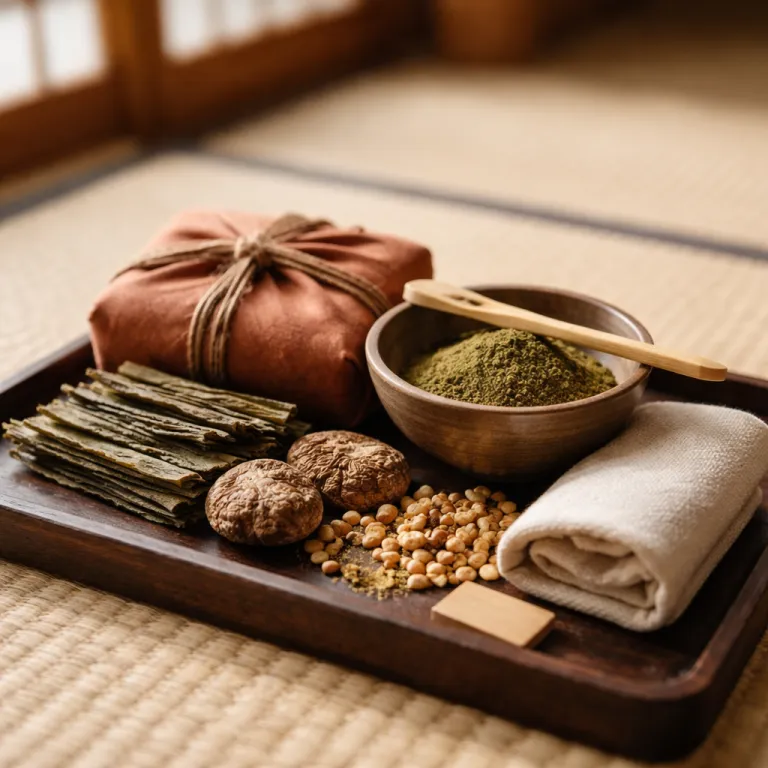
What a ryokan omotenashi experience really feels like for couples
At first contact, a ryokan omotenashi experience feels almost weightless. The okami reads your posture after long travel in Japan and adjusts the welcome pace, while the nakai-san quietly takes your bags and guides you across tatami without a single scripted phrase. In that first ten minutes, couples sense whether this traditional Japanese inn will offer genuine care or only a costume version of Japanese hospitality.
Omotenashi is often translated as selfless service, yet the Japan National Tourism Organization defines it more precisely as a Japanese concept of selfless hospitality rooted in anticipating needs. The best ryokan in Japan turn that concept into a lived experience, where guests will notice that the room temperature, the angle of shoji screens, and even the height of wooden sticks used to hang yukata have been adjusted before you ask. This is where a ryokan omotenashi experience separates itself from international luxury brands that rely on visible gestures and rehearsed performing arts of service.
In a strong property, the nakai-san remembers your tea preference from the booking form and prepares a small tea ceremony in room, using a chashaku tea scoop that matches the season. That same attendant might suggest a short walk to a nearby Hattori Shrine before dinner, explaining the purification ritual at the stone basin in simple, careful English and timing your return so the welcome tea is still warm. Couples quickly understand that this anticipatory care is not about a fee or upgrade; it is about traditional Japanese respect expressed through hundreds of quiet decisions.

From scripted luxury to intuitive care in kaga, mukayu and beyond
Many travelers arrive expecting a ryokan omotenashi experience to resemble a luxury resort check in. Instead, in places like Kaga, the rhythm is slower, and the focus rests on how guests move through onsen corridors, how they sit, how they breathe after travel Japan journeys. A thoughtful ryokan in Japan will time the welcome tea so that steam rises just as you slide open the paper shoji, framing a garden that feels like living art.
At Beniya Mukayu in Kaga, omotenashi is expressed through both art architecture and silence. The building references the Edo period with clean lines and traditional materials, yet the layout gives couples private onsen terraces where staff vanish the moment you settle into the water. Here, the ryokan omotenashi experience means the nakai-san has already adjusted the bath temperature, placed wooden sticks for hanging towels within easy reach, and left a handwritten note about the nearby Yakuoin Onsenji temple for a morning visit, often suggesting a quiet walk of around twenty minutes before breakfast.
In this level of property, scripted luxury phrases about "dear guests" are replaced by specific, almost invisible actions. Staff remember that you mentioned performing arts during booking and place a small leaflet about local traditional performing arts on the low table, next to a seasonal sweet. One attendant might simply say, "We prepared this in case you feel curious later," and then step back. If you are considering a stay at a luxury ryokan with ocean view that balances similar intuitive care with dramatic scenery, study how each inn describes its service rather than only its suites, because that language often reveals whether omotenashi is philosophy or marketing.
Invisible rituals: onsen, shrines and the choreography of care
Once you settle into your tatami room, the ryokan omotenashi experience shifts from greeting to choreography. The timetable moves from welcome drink to onsen soak, then to kaiseki dinner, and finally to futon making while you bathe, each step designed so guests will never feel rushed. This is where couples notice the difference between a property that simply follows a schedule and one that treats hospitality as a living art.
A thoughtful nakai-san might suggest visiting Yakuoin Onsenji before sunset, explaining how the short walk and quiet temple grounds prepare you for the calm of the baths. Later, another attendant may mention how the same route feels different in the morning mist and offer to adjust your breakfast time so the walk fits neatly between tea and dinner-style preparations. These gestures are not charged as an additional fee; they are woven into the traditional Japanese rhythm of the stay, reinforcing that omotenashi is about presence rather than transaction.
Back at the ryokan, couples often find the communal onsen empty because staff have quietly guided other guests to different time slots. The result is a private feeling without any explicit fee guests must pay for exclusivity, only careful orchestration. For travelers curious about deeper cultural layers, from yokai folklore to regional rituals, a refined guide to the more atmospheric ryokan realms can help you choose properties where these invisible details are treated as part of the overall experience rather than optional extras.

Art, tea and making experiences that deepen omotenashi
In the best ryokan, cultural activities are not generic workshops but extensions of the ryokan omotenashi experience. When a property invites local artists to host a paper making experience, the session is scheduled at a time when couples naturally slow down between onsen and dinner. The point is not to fill an itinerary but to let guests handle fibers, water and wooden sticks in a quiet room where the only sound is the frame dipping into the vat.
Some ryokan in Japan, including houses in Kaga and the wider Hokuriku region, design a tea ceremony that feels intimate rather than theatrical. A host may show you how to use a chashaku tea scoop, then step back so you can prepare matcha for each other, turning the ritual into a shared moment rather than a performance. When these making experiences are offered as an experience additional to the room rate, a transparent additional fee is clearly stated, often with approximate timings of thirty to sixty minutes, yet the tone remains gentle, never pushing couples toward paid options.
Properties like Beniya Mukayu sometimes collaborate with ceramic artists whose work appears both in the tokonoma alcove and on the kaiseki table. This integration of art and architecture, or art architecture in the broad sense, means your hand touches the same clay in the bath cup, the tea bowl and the corridor niche. For couples, such details transform cultural activities from check list items into a continuous thread of traditional Japanese aesthetics that runs through the entire stay.

Dining, pairing and the quiet precision of couple focused service
Nowhere is a ryokan omotenashi experience more evident than during kaiseki dinner. The multi course meal is not only about seasonal art on the plate but about how the pace adapts to your conversation, your appetite and your fatigue from travel Japan days. A skilled nakai-san reads whether guests will linger over sake or prefer a shorter service, then adjusts the rhythm without a word.
Some premium ryokan now offer a sommelier pairing that respects both Japanese sake traditions and international wine expectations. When handled with omotenashi, this pairing is introduced as an experience additional to the standard course, with any additional fee explained once, clearly and calmly. The focus stays on how each glass supports the performing arts of the kitchen, from charcoal grilled river fish to delicate paper thin sashimi that recalls Edo period aesthetics.
For couples, private or semi private dining can be transformative, especially in properties that specialize in exclusive culinary experiences. Here, the fee guests pay is justified by the way staff remember allergies, preferred tea temperatures and even whether you like your rice slightly firmer. If you are curious about how private dining at a ryokan can elevate Japanese stays, look for inns where the menu, room layout and service choreography are designed together, and consider booking at least one month in advance during peak seasons so that every element supports a seamless, deeply personal evening.
FAQ
What is a ryokan and how is it different from a hotel?
A ryokan is a traditional Japanese inn that offers tatami mat rooms, futon bedding, kaiseki dinners and often onsen baths. Unlike a standard hotel, a ryokan emphasizes cultural immersion, quiet rhythms and personalized service led by the okami and nakai-san. Guests should expect set meal times, house rules and a strong focus on regional traditions.
What exactly is omotenashi in the context of a ryokan stay?
Omotenashi is the Japanese concept of selfless hospitality, expressed through anticipating needs rather than reacting to requests. In a ryokan, this means staff adjust room settings, bath times and meal pacing based on subtle cues from each couple. The goal is to create a tranquil environment where comfort and cultural appreciation unfold naturally.
Do I have to pay an additional fee for cultural activities?
Many ryokan include basic cultural touches, such as yukata, welcome tea and access to onsen, in the standard room fee. Activities like a guided tea ceremony, a paper making experience or a sommelier pairing may carry an additional fee that is clearly explained in advance. When omotenashi is genuine, staff present these options without pressure, allowing guests to choose what suits their interests and budget.
How should couples prepare for their first ryokan stay in Japan?
Couples should book in advance, read the property’s guidance on etiquette and be ready to follow house rules about bathing and dining times. Packing light, learning simple Japanese greetings and embracing local customs will help you relax into the slower rhythm. Most importantly, arrive with enough time to enjoy onsen, walks to nearby shrines and unhurried meals, because these elements are central to the ryokan omotenashi experience.
Are ryokan suitable for non Japanese speakers?
Many premium ryokan that welcome international travelers have English speaking staff or clear written guidance in multiple languages. Even where language is limited, the structure of the stay and the attentiveness of the nakai-san make it easy to follow the flow of onsen, meals and rest. A willingness to communicate with gestures and patience often leads to some of the most memorable moments of omotenashi.
