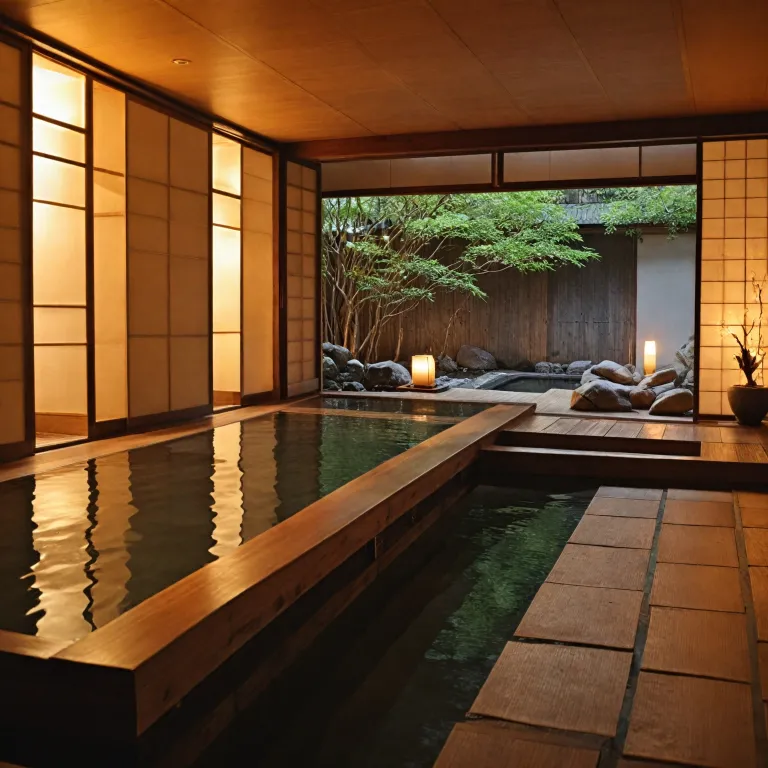
Urban serenity in a tokyo ryokan with onsen
Choosing a tokyo ryokan with onsen means embracing a slower rhythm. In a city defined by neon skylines and express trains, a traditional Japanese inn offers a rare pause that feels both intimate and deeply cultural. Guests step from crowded streets into tatami rooms where the scent of hinoki wood, the softness of futon bedding, and the quiet promise of a hot spring bath create an immediate sense of calm.
Hoshinoya Tokyo in Ōtemachi exemplifies this shift from metropolis to sanctuary. The property rises over multiple floors yet feels like a discreet ryokan tokyo, with communal lounges on each level and an onsen drawn from a hot spring source more than 1 500 meters underground. This depth allows the onsen baths to maintain a stable mineral composition, and the open air baths on the upper levels frame the skyline in a way that blends contemporary architecture with traditional Japanese aesthetics.
Travelers comparing ryokans tokyo will notice how carefully the rooms with tatami are designed to balance privacy and ritual. A standard onsen room may feature a low table for tea, sliding shoji screens, and a compact bath private area, while suites offer a private onsen or semi open air bath on a balcony. For many guests, the most memorable part of the stay is the quiet moment after soaking, when cool air meets warm skin and the city hum fades to a distant murmur.
Traditional japanese hospitality and refined onsen etiquette
Staying in a tokyo ryokan with onsen is as much about manners as it is about mineral water. Staff trained in traditional Japanese hospitality guide guests gently, ensuring that even first time visitors understand how to move from room to bath with confidence. This attention to detail is one reason many seasoned travelers consider a stay in one of the best ryokan properties an essential part of any extended visit to Tokyo.
Before entering any hot spring or air bath, guests must wash thoroughly at the shower stations. This ritual cleansing is non negotiable in ryokans, because the onsen is shared and the water must remain pristine for everyone who uses the open air baths or indoor pools. For travelers with tattoos, it is important to ask in advance, as some onsen hotel policies remain conservative, although a growing number of ryokans tokyo now offer a private onsen or onsen room specifically to accommodate such needs.
Choosing the perfect ryokan tokyo involves more than comparing room sizes or breakfast menus. Travelers should consider whether they prefer a room with futon bedding or low western beds, and whether they want rooms with a private onsen or are comfortable using communal hot spring facilities. For a detailed framework on evaluating service, design, and authenticity, many guests consult guides to experience authentic Japanese hospitality when choosing a ryokan in Tokyo, then refine their shortlist based on location, such as Ōtemachi, Shinjuku, or Ueno.
Design, architecture, and the sensory language of onsen
The most compelling tokyo ryokan with onsen properties use architecture as a bridge between city life and rural tradition. Onsen Ryokan Yuen Shinjuku, for example, blends clean urban lines with natural stone, soft lighting, and a rooftop open air bath that feels unexpectedly tranquil above the traffic. Inside, the transition from lobby to rooms with tatami flooring is choreographed to slow the pace, guiding guests toward a more reflective state before they even reach the hot spring.
In these ryokans, every onsen room is designed to heighten the senses. The sound of water filling an air bath, the texture of woven tatami under bare feet, and the faint aroma of cedar in a bath private space all work together to create a layered experience. Even the movement of air in semi open air baths is considered, with screens and overhangs positioned to frame a view while shielding guests from harsh wind or rain.
While Tokyo does not offer direct views of mount fuji from most central properties, some travelers pair a city stay with a night at a view ryokan near Hakone onsen or the Fuji Five Lakes region. There, a private onsen or open air bath may face mount fuji itself, creating a dramatic contrast with the more vertical vistas of an onsen hotel in Shinjuku or Ōtemachi. For broader context on regional traditions, travelers often read about ryokan stays in Osaka, then compare how design language shifts between Kansai and Kantō.
Rooms, breakfast rituals, and the rhythm of a ryokan stay
Life inside a tokyo ryokan with onsen follows a gentle, reassuring rhythm. Guests typically check into their room in the afternoon, change into a yukata, and head straight to the hot spring before the evening meal. This first bath in a shared or private onsen helps wash away travel fatigue, while the warm water and quiet atmosphere prepare the body for a long, unhurried dinner.
Room categories vary from compact spaces with a small bath private area to expansive suites with open air baths on terraces. Many ryokans tokyo now offer rooms with both a standard shower and an onsen room, allowing guests to choose between a quick rinse and a full immersion in mineral rich water. In some properties, air baths are positioned beside large windows, so guests can enjoy a city view while soaking, even if the hotel is located in dense districts such as Shinjuku or Ueno.
Breakfast is another highlight of the stay, often served in the room or in a quiet dining hall. A traditional Japanese breakfast might include grilled fish, seasonal vegetables, rice, miso soup, and delicate pickles, all arranged with the same care given to the architecture of the ryokan tokyo itself. Guests who prefer western options can usually request alternatives, but many find that starting the day with a Japanese breakfast after a morning hot spring bath becomes their favorite ritual of the entire trip.
Location, views, and planning your ideal onsen experience
Location shapes every tokyo ryokan with onsen experience, from skyline views to access to cultural sites. Properties in Ōtemachi or Shinjuku place guests within walking distance of major stations, while a ryokan near Ueno offers quick access to museums, traditional markets, and quieter residential streets. Travelers who value a dramatic view ryokan setting may prioritize higher floors or corner rooms with wide windows, even if that means a slightly longer transfer from the airport.
Although central Tokyo does not have natural vistas of mount fuji from most ryokans, some onsen hotel designs use vertical gardens, inner courtyards, or rooftop open air baths to create a sense of borrowed landscape. Guests seeking a direct mount fuji panorama often combine a city stay with a night at Hakone onsen or a lakeside property, where a private onsen or air bath may face the mountain across still water. This pairing allows travelers to compare the intensity of urban energy with the quiet of a rural hot spring, deepening their understanding of traditional Japanese bathing culture.
When planning, it is wise to book early, especially for the best ryokan suites with a private onsen or onsen room. Many travelers consult curated guides to refined relaxation in Tokyo hotels with private onsen to understand which rooms with open air baths offer the most value. Tokyo photo enthusiasts should also consider light and orientation, as a room with a west facing window may capture dramatic sunsets, while an east facing bath private terrace is ideal for soft morning light.
Wellness, etiquette reminders, and expert guidance for ryokan stays
Wellness is at the heart of any tokyo ryokan with onsen, but it extends beyond the hot spring itself. The combination of mineral rich water, quiet architecture, and attentive service creates a holistic environment where sleep quality, digestion, and mental clarity often improve over the course of a stay. Many guests report that alternating between hot spring immersion and cool air on an open balcony helps reset their internal rhythm after long haul flights.
To make the most of a stay in ryokans tokyo, guests should remember a few essential etiquette points. Book in advance, especially during peak tourist seasons. Be aware of onsen etiquette, such as washing before entering the bath. Some ryokans may have restrictions on tattoos; inquire beforehand. These guidelines protect both the purity of the hot spring water and the comfort of fellow guests using shared air baths or indoor pools.
For travelers new to the concept of a ryokan tokyo, it helps to understand the basics before arrival. What is a ryokan? A ryokan is a traditional Japanese inn that typically features tatami-matted rooms, communal baths, and other public areas where visitors may wear yukata. Are there ryokans with onsen in Tokyo? Yes, there are several ryokans in Tokyo that offer onsen facilities, such as Hoshinoya Tokyo and Onsen Ryokan Yuen Shinjuku. Do I need to book ryokans in advance? It is recommended to book ryokans in advance, especially during peak tourist seasons, to ensure availability. With this foundation, guests can focus on the sensory pleasures of each bath private moment, from the feel of hot spring water to the quiet satisfaction of a Japanese breakfast enjoyed in a sunlit room.
Key statistics for tokyo ryokan with onsen stays
- Approximately 50 ryokans operate within Tokyo, offering a range of onsen and non onsen experiences for different budgets and preferences.
- The average nightly rate at Hoshinoya Tokyo is around 550 USD, reflecting its position in the luxury ryokan segment with deep sourced hot spring baths.
- The natural hot spring at Hoshinoya Tokyo is drawn from a source about 1 500 meters underground, contributing to stable temperatures and mineral rich water.
Essential questions about staying in a tokyo ryokan with onsen
What defines a traditional ryokan stay in Tokyo ?
A traditional ryokan stay in Tokyo is defined by tatami floored rooms, futon bedding, and a strong emphasis on Japanese hospitality rituals. Guests typically wear yukata within the property, enjoy set course meals, and follow established etiquette in shared or private onsen spaces. The experience contrasts with a standard hotel stay by prioritizing rhythm, ceremony, and close interaction with staff.
How important is onsen etiquette during a stay ?
Onsen etiquette is crucial, because the hot spring baths are shared spaces that rely on mutual respect. Guests must wash thoroughly before entering any bath, avoid bringing towels into the water, and keep voices low to maintain a calm atmosphere. Observing these rules ensures that everyone, from first time visitors to seasoned onsen travelers, can enjoy the wellness benefits in comfort.
Why book a ryokan with onsen in advance ?
Booking a ryokan with onsen in advance is important because many properties have limited rooms with private onsen or open air baths. Peak travel periods see high demand for these categories, and last minute availability can be scarce, especially at renowned addresses such as Hoshinoya Tokyo or Onsen Ryokan Yuen Shinjuku. Early reservations also allow guests to secure preferred meal times, room orientations, and specific bath private configurations.
