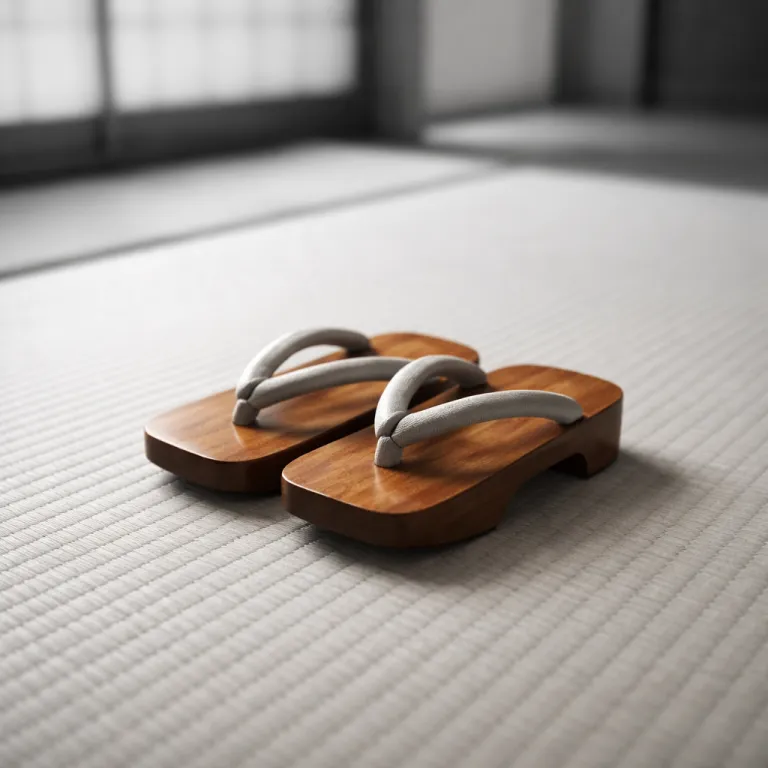
The new spectrum of ryokan: from museum piece to modern ritual
Authentic Japanese inn culture now lives on a spectrum, not a slogan. Some ryokans in Japan feel like carefully dusted museum pieces, while others lean so far into design that the traditional inn becomes a costume. As a solo traveler choosing a ryokan stay, you sit exactly at the point where this tension becomes most visible.
At one end are classic ryokans that preserve every gesture of traditional Japanese hospitality, from the bow at the genkan to the way futon bedding is laid out on tatami floors while you soak in the hot springs. These long established properties can feel deeply moving when the experience is supported by real community ties, local artisans and a pace of time that still matches rural life. They can also feel rigid when guests sense that the rules exist more for bus tour logistics than for living Japanese culture.
At the other end are contemporary inns that call themselves “ryokan inspired” yet operate more like international design hotels with a Japanese style veneer. Here you might find western style beds in concrete rooms, a hot spring piped into a rooftop pool and a kaiseki dinner compressed into a three course tasting menu. The stay can be polished, but solo guests who came for a more traditional ryokan atmosphere often leave unsure whether they have actually been staying ryokan or just staying somewhere that borrowed the vocabulary.
The most interesting properties sit in the middle, where tradition is treated as a living ritual rather than a fixed script. Hoshinoya Tokyo in central Tokyo is a clear example of a modern ryokan that reimagines the classic form inside a high rise, yet still uses tatami mats, gender separated onsen baths and quiet, almost temple like rooms. KAI Hakone in the mountains outside the capital blends Edo period ambiance with contemporary architecture, showing how new wave ryokans can use local materials and hot spring culture without freezing them in time. Both cases suggest that a ryokan stay can be modern, urban and technologically fluent while still feeling anchored in nature, seasonality and the cadence of traditional dinner service.
For solo travelers, this spectrum matters more than for groups because you experience every detail without distraction. You will notice whether the private onsen feels like a spa add on or a genuine extension of the river outside, and whether the tatami floors invite you to slow down or simply frame a photo. You will also sense quickly if the staff’s english support exists to translate rules or to translate meaning, which is crucial when you are navigating onsen gender etiquette alone. As one innkeeper in Gero Onsen put it, “When a guest travels alone, they see everything we do,” and when you choose a modern ryokan, you are not just booking a room; you are choosing which version of Japanese culture you want to spend the night inside.
Why solo travelers read authenticity differently from groups
Traveling alone through Japan sharpens your filter for how genuine a modern ryokan feels. Without family or colleagues to entertain, you have the mental space to read the room, listen to the silence and notice how the staff move through shared spaces. That makes solo guests unusually sensitive to whether a ryokan experience is built for Instagram or for intimacy.
Groups often default to convenience, prioritizing large rooms, buffet dinner and flexible western style beds over the subtler rhythms of a traditional inn. Solo travelers, by contrast, tend to lean into futon bedding on tatami mats, slow multi course kaiseki dinner and the quiet of gender separated onsen where time stretches between soaks. When you are alone, the way a modern ryokan handles onsen gender signage, english explanations and private bathing slots becomes part of the cultural immersion, not just a logistical note.
Economic pressure has pushed many ryokans to chase volume, which can flatten the traditional Japanese experience into a checklist. Publicly available summaries from the Japan Tourism Agency and Nippon.com describe a long term decline in ryokan overnight stays over the past two decades, alongside growth in alternative accommodations, and that shift tempts some inns to dilute their style to compete. Yet the same pressure has also created space for design forward ryokans that focus on fewer guests, more generous rooms and a deeper connection to local nature and foodways.
For solo explorers using a premium booking website, the most valuable filter is not star rating but narrative. Read how a property describes its rooms and you will quickly see whether the tatami floors and private onsen are central to the story or just amenities listed between Wi Fi and parking. Look for mentions of seasonal kaiseki dinner, local ceramics and the timing of baths, because these details show how the ryokan stay is choreographed around the body and the landscape.
If you are hunting for last minute luxury ryokan deals, pay attention to what is discounted and what is protected. When a property cuts price but keeps strict limits on private onsen access, multi course dinner and small guest numbers, it is usually defending its core ryokan experience rather than selling empty rooms. A guide to securing last minute luxury ryokan deals can help you read between the lines, but your own instincts about space, silence and ritual remain the best metric.
Institutional money, modern ryokan design and the new gatekeepers
Institutional investment has entered the ryokan world, and that changes how contemporary Japanese inn culture is produced and sold. Chains and joint ventures bring capital, architects and global marketing to a form once dominated by family run traditional ryokans. The question for you as a traveler is whether this shift dilutes the ryokan experience or quietly democratizes it.
Large players can fund ambitious modern ryokans that reinterpret the traditional blueprint with serious design intelligence. Projects like Hoshinoya Tokyo show how a high rise in the heart of Japan’s capital can still feel like a cocoon, with tatami mats underfoot, a rooftop hot spring and rooms that frame the sky instead of the skyline. These properties often offer excellent english support, clear guidance on onsen gender etiquette and flexible room types that include both futon bedding and western style beds, which makes staying ryokan less intimidating for first timers.
The risk is that scale encourages standardization, turning unique inns into branded products where kaiseki dinner becomes a template and private onsen suites become a category. When every modern ryokan in a portfolio uses the same scent, playlist and plateware, the local character that defines Japanese culture starts to fade. Solo travelers feel this quickly because they are often seeking a specific village, river or mountain, not just a generic hot spring with a familiar logo.
Yet there is a strong counter argument that accessibility brings new audiences who later seek deeper experiences. A traveler who first encounters a modern ryokan through a global chain may gain the confidence to book more remote traditional ryokans on a future trip, once they understand onsen gender rules, dinner pacing and how a ryokan stay flows. In that sense, institutional players can act as a gateway rather than a replacement, especially when they partner with local artisans and protect traditional Japanese elements like tatami floors, seasonal menus and gender separated baths.
For a premium booking platform, the responsibility is to curate rather than simply aggregate. Tools like the Ryoko Pro refined stay framework show how to evaluate each ryokan room type, onsen layout and service pattern against a clear standard of thoughtful, contemporary Japanese hospitality. When a listing explains why a particular hot spring is mineral rich, how many rooms share each private onsen and whether staff can guide you in english through local customs, you gain the information needed to choose between a polished gateway and a more demanding, but rewarding, traditional ryokan.
Redefining cultural immersion for the modern ryokan guest
The most compelling ryokan experiences today are less about strict preservation and more about thoughtful reinterpretation. Architects and innkeepers across Japan are treating the ryokan not as a relic but as a flexible frame for contemporary life. For you as a solo traveler, that shift opens new ways to engage with Japanese culture without sacrificing comfort or clarity.
Modern ryokans now use advanced design and hospitality tools to deepen, not dilute, immersion. Some properties offer cultural workshops in small rooms overlooking gardens, where guests learn about tea, incense or local crafts before slipping into the onsen. Others program slow, seasonal kaiseki dinner experiences that explain each course in english, linking ingredients to nearby fields, rivers and forests so that nature is not just a view from the bath but a story on the plate.
Water remains the quiet center of the ryokan experience, and how a property handles its hot spring tells you a lot about its values. A thoughtful inn will explain onsen gender customs clearly, offer both gender separated baths and at least one private onsen for mixed or shy bathers and design circulation routes that respect privacy. In some cases, a single hot spring source feeds a sequence of indoor and outdoor pools, each framed by different materials and light, turning a simple soak into a slow architectural walk.
Room design is where the balance between modern comfort and traditional ryokan character becomes most tangible. Many properties now offer hybrid rooms with tatami mats and low tables for daytime, plus discreet western style beds or convertible futon bedding for night, allowing guests to choose their comfort level without losing the feeling of a Japanese inn. Lighting, soundproofing and discreet technology matter as much as shoji screens, because they determine whether you can actually hear the river outside or only the corridor.
When you browse a curated booking site, look for listings that talk about rhythm rather than just amenities. A strong description will mention when staff lay out futon bedding, how long dinner usually lasts, whether the onsen is busiest at certain times and how many rooms share each bath. One solo guest in Yufuin described her favorite stay as “a place where the day was planned around the bath and the meal, not my phone,” and for travelers seeking refined relaxation in Tokyo, guides to hotels with private onsen can be a useful starting point, but the deeper question is always the same; does this ryokan stay invite you into a living culture or simply stage one for your camera.
Key figures shaping the future of modern ryokan stays
- Industry commentary from Nippon.com notes that ryokan overnight stays in Japan have fallen noticeably over roughly two decades, while alternative accommodations such as minpaku have grown over the same period, highlighting the economic pressure driving many traditional ryokans to reinvent themselves.
- Informal estimates from the Japan Ryokan Association and regional tourism offices suggest that there are on the order of a few hundred design led or self described modern ryokans operating nationwide, a relatively small but influential subset of the wider ryokan sector that often sets expectations for architecture, english language support and hybrid room styles among international guests.
- According to summary statistics published by the Japan Tourism Agency, higher end ryokans that successfully blend traditional Japanese elements like tatami floors and kaiseki dinner with contemporary comfort tend to report stronger occupancy than the sector average, indicating robust demand for well executed modern interpretations.
- Architecture and design reporting from CLADglobal describes a growing wave of Japanese architects who are “reinterpreting” the ryokan form rather than preserving it unchanged, which aligns with the rise of urban projects such as Hoshinoya Tokyo that integrate hot springs and tatami mats into high rise contexts.
- Hospitality coverage from Tatler Asia highlights new wave ryokans like Roka Naoshima, where contemporary art and landscape focused design are woven into the inn experience, signaling that cultural immersion now extends beyond onsen rituals into curated encounters with local creativity.
References
- Nippon.com – analysis of long term trends in ryokan stays and alternative accommodations in Japan.
- Tatler Asia – coverage of new wave ryokans and ryokan inspired design projects across Japan.
- CLADglobal – reporting on Japanese architects reinterpreting traditional hospitality forms including ryokans.