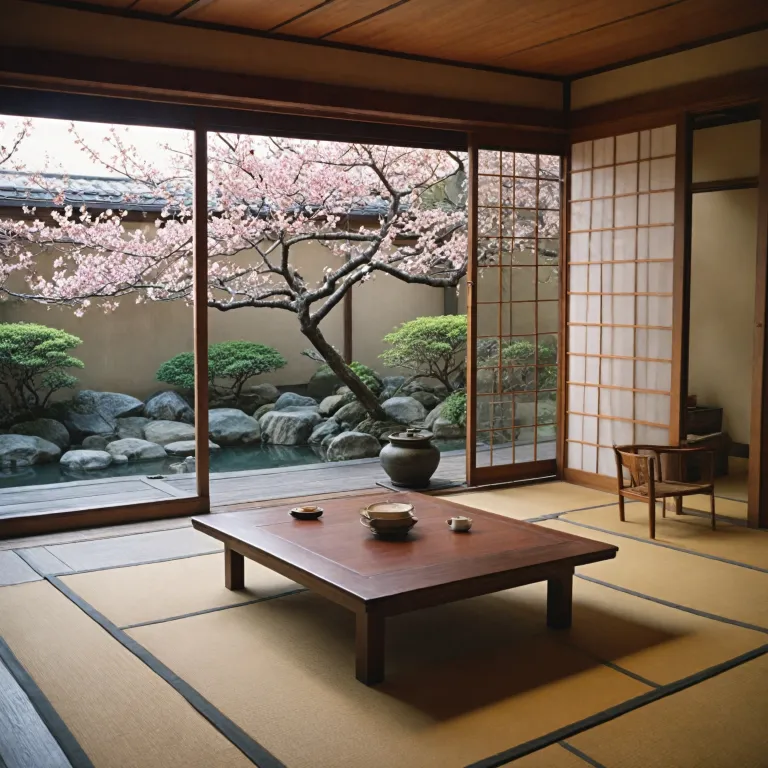
Understanding the essence of Tokyo accommodation ryokan: tradition meets luxury
Tokyo accommodation ryokan offer a unique blend of Japanese tradition and modern luxury, making them a sought-after choice for discerning travelers. These ryokans are more than just a place to sleep; they are an immersion into centuries-old customs, refined hospitality, and the tranquil ambiance of tatami-matted rooms. Guests are welcomed with meticulous attention to detail, from the artful presentation of kaiseki meals to the serene atmosphere of the public bath and private onsen facilities.
In the heart of Tokyo, ryokan options range from the historic Edo Sakura to the innovative Hoshinoya Tokyo, each providing a distinctive experience. Whether you choose a ryokan in Asakusa or near Shinjuku station, you will find rooms designed to evoke a sense of calm and authenticity. The integration of modern amenities such as Wi-Fi, air conditioning, and private baths ensures comfort without compromising the Japanese style that defines these accommodations.
Many ryokans Tokyo offer rooms with private onsen or open air bath, allowing guests to unwind in privacy after a day exploring the city. The proximity to major attractions, such as a minute walk from Asakusa or Shinjuku station, adds convenience to the cultural richness. Excellent reviews consistently highlight the attentive service, the quality of breakfast, and the overall ambiance, making these establishments a top choice for those seeking a memorable stay in Tokyo Japan.
Choosing the right ryokan in Tokyo: location, amenities, and guest experience
When selecting a Tokyo accommodation ryokan, location plays a pivotal role in shaping your experience. Ryokans near Shinjuku station or Asakusa provide easy access to Tokyo’s vibrant neighborhoods, making it simple to explore local attractions and cultural sites. The variety of ryokans Tokyo ensures that every guest can find a property that aligns with their preferences, whether they seek proximity to Mount Fuji views or the bustling energy of central Tokyo.
Rooms in these ryokans are thoughtfully designed, often featuring tatami floors, futon bedding, and sliding shoji doors. Many offer both public bath and private bath options, catering to guests who value privacy or wish to experience the communal aspect of Japanese bathing culture. The inclusion of private onsen and open air bath facilities elevates the luxury, providing a tranquil retreat within the city.
Reviews from previous guests are invaluable when making a booking. Properties like Edo Sakura and Ryokan Asakusa Shigetsu consistently receive good reviews for their authentic Japanese style and attentive service. For those interested in exploring more about Japanese accommodation options, the Tokyo ryokan guide offers comprehensive insights into the best ryokans Tokyo has to offer, helping travelers make informed decisions for their next stay.
Signature experiences: traditional rooms, Japanese baths, and culinary delights
Staying at a Tokyo accommodation ryokan is an invitation to experience the refined rituals of Japanese hospitality. Each room is a harmonious blend of tradition and comfort, with tatami mats, low tables, and futon bedding creating a serene environment. The Japanese style extends to every detail, from the minimalist decor to the carefully arranged tea sets awaiting guests upon arrival.
The bath experience is central to any ryokan stay. Guests can choose between the communal public bath, which fosters a sense of community, and the more exclusive private bath or private onsen. Some ryokans Tokyo even offer open air bath options, allowing guests to soak under the sky, a rare luxury in the heart of Tokyo Japan. The emphasis on relaxation and rejuvenation is evident in every aspect of the bathing facilities.
Culinary offerings are another highlight, with breakfast and dinner often included in the booking. Kaiseki meals showcase seasonal ingredients and traditional techniques, providing a feast for both the palate and the eyes. For those seeking recommendations, the best ryokan breakfast experiences in Tokyo are frequently praised in excellent reviews, underscoring the importance of gastronomy in the overall guest experience.
Modern amenities and innovation in Tokyo ryokan hospitality
While tradition is at the core of every Tokyo accommodation ryokan, innovation ensures that guests enjoy the highest standards of comfort. Modern ryokans Tokyo integrate technology seamlessly, offering amenities such as high-speed Wi-Fi, climate control, and multilingual staff to assist international guests. This balance between heritage and modernity is a defining feature of the city’s best ryokans.
Rooms are equipped to cater to a variety of needs, from families seeking spacious accommodations to solo travelers desiring a quiet retreat. The availability of private onsen and air bath facilities in select rooms provides an added layer of exclusivity. For those with specific preferences, such as a bath private or open air bath, it is advisable to review room descriptions carefully before booking.
Ryokans Tokyo also collaborate with local artisans and businesses to enhance the guest experience. From handcrafted decor to locally sourced ingredients for meals, every element reflects a commitment to authenticity and quality.
Guest perspectives: reviews, ratings, and the value of authentic experiences
Reviews play a crucial role in shaping perceptions of Tokyo accommodation ryokan. Guests consistently praise the attentive service, the tranquility of the rooms, and the immersive Japanese style that defines these properties. Good reviews often highlight the convenience of locations near Shinjuku station or Asakusa, as well as the quality of amenities such as private onsen and open air bath facilities.
Excellent reviews frequently mention the personalized touches, from the welcome tea to the thoughtfully prepared breakfast. The ability to choose between public bath and bath private options allows guests to tailor their experience to their comfort level. "A ryokan is a traditional Japanese inn featuring tatami-matted rooms, communal baths, and local cuisine." This quote encapsulates the essence of what makes a stay at a ryokan memorable.
For those seeking reassurance before making a booking, reading reviews from previous guests provides valuable insights into the strengths and unique features of each ryokan. The diversity of ryokans Tokyo ensures that every traveler can find a property that meets their expectations, whether they prioritize proximity to Mount Fuji, the charm of Edo Sakura, or the convenience of a minute walk from major stations.
Planning your stay: practical tips for booking and enjoying a Tokyo ryokan
Securing a room at a Tokyo accommodation ryokan requires thoughtful planning, especially during peak travel seasons. It is advisable to book in advance to ensure availability, particularly for rooms with private onsen or open air bath features. When reviewing options, pay close attention to the amenities offered, such as breakfast, bath private facilities, and proximity to key attractions like Asakusa or Shinjuku station.
Understanding the customs associated with ryokan stays enhances the overall experience. Guests are expected to remove their shoes before entering rooms and to observe etiquette in communal baths. Some ryokans may have curfews or specific policies regarding the use of public bath and air bath facilities, so it is important to familiarize yourself with these details prior to arrival.
For travelers with dietary restrictions, many ryokans Tokyo can accommodate special requests if informed in advance. The combination of Japanese style hospitality, modern amenities, and excellent reviews makes these properties a standout choice for visitors to Tokyo Japan. Whether you are drawn to the historic charm of Edo Sakura or the contemporary elegance of Hoshinoya Tokyo, a ryokan stay promises an unforgettable journey into Japanese culture.
Exploring Tokyo from your ryokan: cultural highlights and nearby attractions
Staying at a Tokyo accommodation ryokan places you at the crossroads of tradition and modernity, with easy access to the city’s most iconic sites. Many ryokans Tokyo are located within a minute walk of major stations, making it simple to explore neighborhoods like Asakusa, Shinjuku, and beyond. The proximity to landmarks such as Mount Fuji and the vibrant streets of Tokyo Japan adds depth to your travel experience.
Guests can enjoy the best of both worlds: the tranquility of Japanese style rooms and the excitement of urban exploration. Whether you choose a ryokan asakusa for its historic ambiance or a property near Shinjuku station for its convenience, each location offers unique opportunities to engage with local culture. The availability of private onsen and open air bath facilities provides a welcome respite after a day of sightseeing.
For those seeking inspiration, browsing Tokyo photo galleries and reading reviews can help identify the ryokans Tokyo that best match your preferences. The combination of authentic hospitality, modern comforts, and strategic locations ensures that every stay is both enriching and memorable. With a wealth of options to choose from, booking a ryokan in Tokyo Japan is an investment in a truly exceptional travel experience.
Key statistics on Tokyo accommodation ryokan
- Number of ryokans in Tokyo: 50 establishments
- Average price per night in a Tokyo ryokan: 20,000 JPY
- Percentage of international tourists choosing ryokans: 15%
Frequently asked questions about Tokyo accommodation ryokan
What is a ryokan?
A ryokan is a traditional Japanese inn featuring tatami-matted rooms, communal baths, and local cuisine.
Are ryokans expensive?
Prices vary, but many ryokans in Tokyo range from 8,000 to 20,000 yen per night per person.
Do ryokans accommodate dietary restrictions?
Many ryokans can accommodate dietary restrictions if informed in advance.
