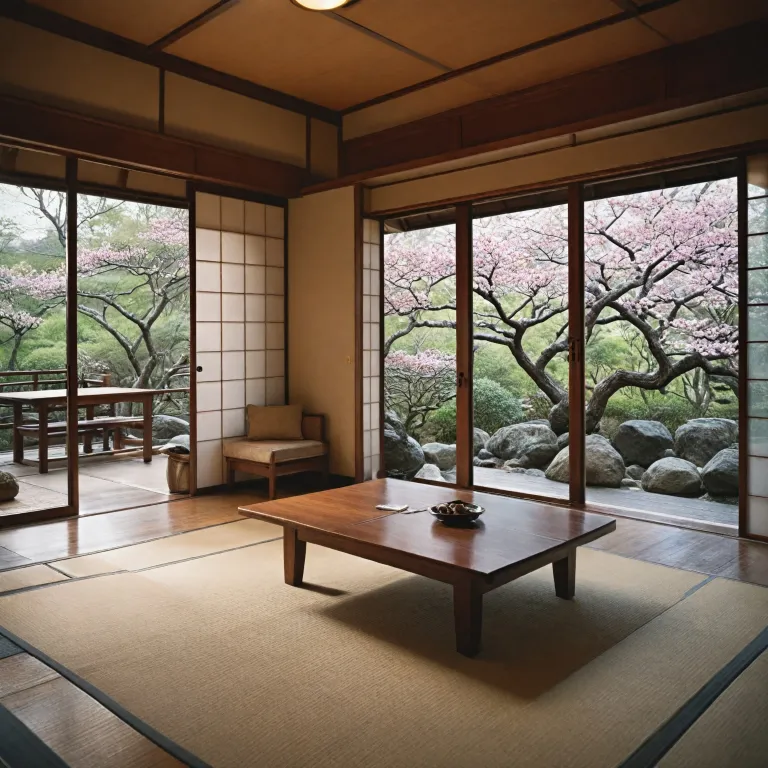
Understanding the essence of a ryokan stay in Japan
Choosing where to stay in ryokan is an invitation to immerse yourself in the refined world of traditional Japanese hospitality. Ryokans are not simply accommodations; they are cultural sanctuaries that offer a unique blend of comfort, tradition, and artistry. Each ryokan is designed to reflect the spirit of its region, from the tatami-matted rooms to the tranquil onsen baths that draw mineral-rich spring water from the earth. The experience of a ryokan stay is deeply rooted in Japanese style, where every detail, from the sliding shoji doors to the seasonal kaiseki traditional dinner, is curated to create harmony and relaxation.
Guests will find that ryokans offer a variety of rooms, each with its own character, whether overlooking a serene garden or offering views of majestic Mount Fuji. The baths, often fed by natural hot springs, are central to the ryokan experience, providing both private and public bath options. When you book a stay at a luxury ryokan, you are not just reserving a room; you are securing an opportunity to experience Japanese tradition at its finest. The multi course kaiseki dinner and Japanese breakfast are highlights, featuring local ingredients and exquisite presentation. For those seeking to find ryokan options that blend heritage with modern comfort, Japan’s renowned establishments such as Gôra Kadan in Hakone and Tawaraya in Kyoto set the standard for excellence.
Ryokan stays are particularly popular in regions known for their hot springs, such as Kinosaki Onsen and Iizaka Onsen, where the tradition of communal bathing is celebrated. The onsen ryokan experience is enhanced by the soothing properties of the hot spring water, which is believed to promote health and well-being. Whether you are planning to visit Japan for the first time or are a seasoned traveler, understanding the nuances of a ryokan stay will enrich your journey and provide memories that last a lifetime.
How to book your ideal ryokan: tips for a seamless experience
When considering where to stay in ryokan, booking in advance is essential, especially during peak travel seasons when demand for premium rooms and onsen baths is high. Many luxury ryokans, such as Hoshinoya Kyoto and Myojinkan, offer online reservation systems that allow you to select your preferred room style and meal options. It is important to communicate any dietary restrictions ahead of time, as the kaiseki traditional dinner and Japanese breakfast are often set menus crafted with seasonal ingredients. This ensures your ryokan experience is tailored to your needs.
For travelers seeking an authentic Japanese style stay, attention to traditional customs is key. Upon arrival, guests will be asked to remove their shoes and may be guided through the etiquette of using the onsen bath. Some ryokans offer private baths in addition to public bath facilities, catering to those who value privacy. The process of booking a stay at a luxury ryokan often includes options for multi course meals, room upgrades, and cultural experiences such as tea ceremonies or calligraphy workshops. To enhance your planning, explore comprehensive guides and booking platforms that specialize in traditional Japanese inns.
For more detailed insights on planning your trip and understanding the nuances of Japanese hospitality, visit this comprehensive ryokan travel guide. By leveraging expert advice and user reviews, you can find ryokan options that align with your preferences, whether you prioritize proximity to hot springs, the availability of onsen baths, or the reputation of the inn’s cuisine. The key to a memorable ryokan stay is thoughtful preparation and a willingness to embrace the traditions that make these Japanese inns truly special.
Exploring iconic ryokans: from Kyoto to Mount Fuji
Japan is home to over 50,000 ryokans, each offering a distinct interpretation of traditional Japanese hospitality. In Kyoto, renowned establishments such as Tawaraya and Hoshinoya Kyoto provide an unparalleled blend of elegance, history, and culinary artistry. These ryokans are celebrated for their serene settings, exquisite rooms, and access to private or communal onsen baths. The experience of staying in a Kyoto ryokan is elevated by the city’s cultural heritage and the seasonal beauty of its gardens and rivers.
Travelers seeking a ryokan stay near Mount Fuji will find options that showcase breathtaking views and rejuvenating hot spring baths. Many luxury ryokans in this region offer rooms with panoramic vistas of the iconic mountain, as well as access to spring water onsen baths that are said to have healing properties. The kaiseki traditional multi course dinner served at these inns highlights local produce and seafood, providing a true taste of Japanese cuisine. Whether you choose to stay in a historic ryokan or a modern interpretation, the emphasis on Japanese style and attention to detail remains constant.
For those interested in exploring other regions, destinations such as Kinosaki Onsen and Iizaka Onsen are renowned for their concentration of traditional Japanese inns and public bathhouses. To further enrich your journey, consider reading about unique ryokan experiences in Japan. Each ryokan offers a unique perspective on Japanese hospitality, from the art-filled halls of Itamuro Onsen Daikokuya to the mountain retreats of Myojinkan. The diversity of ryokans ensures that every traveler can find a stay that resonates with their personal tastes and travel goals.
The art of kaiseki dining and Japanese breakfast in ryokans
A defining feature of the ryokan experience is the emphasis on culinary excellence, particularly through the kaiseki traditional multi course dinner and Japanese breakfast. Kaiseki is a refined dining tradition that showcases the seasonality and artistry of Japanese cuisine. Each dish is thoughtfully prepared and presented, reflecting the region’s ingredients and the chef’s expertise. Guests will savor a progression of flavors and textures, from delicate sashimi to simmered vegetables and grilled fish, all served in the privacy of their room or a dedicated dining area.
Breakfast at a ryokan is equally memorable, featuring a balanced array of Japanese style dishes such as miso soup, grilled fish, rice, and pickled vegetables. The focus on fresh, local ingredients ensures that each meal is both nourishing and visually appealing. Many luxury ryokans offer the option to customize your meals based on dietary preferences, provided these are communicated at the time of booking. The ritual of dining in a ryokan is not merely about sustenance; it is an integral part of the cultural immersion that defines the ryokan stay.
For those seeking to deepen their appreciation of Japanese culinary traditions, some ryokans offer cooking classes or sake tastings as part of the guest experience. The interplay between food, hospitality, and setting is central to the appeal of staying in a traditional Japanese inn. Whether you are enjoying a multi course dinner or a simple breakfast, the attention to detail and commitment to quality will leave a lasting impression.
Onsen culture: the heart of relaxation in Japanese ryokans
One of the most cherished aspects of where to stay in ryokan is the opportunity to experience authentic onsen culture. Onsen baths are an integral part of Japanese tradition, offering guests the chance to relax in mineral-rich hot spring water. The ritual of bathing in an onsen is both restorative and social, with many ryokans providing a choice between private and public bath facilities. The water’s temperature, mineral content, and setting vary by region, creating a diverse array of experiences for travelers.
Ryokans located in famous hot spring towns such as Kinosaki Onsen and Iizaka Onsen are particularly renowned for their extensive bathing options. Guests can enjoy indoor and outdoor baths, some with views of gardens or mountains, and many ryokans offer special onsen bath amenities such as herbal infusions or stone-lined pools. The etiquette of onsen bathing, including thorough cleansing before entering the bath and maintaining a quiet atmosphere, is an important part of the experience. As noted in the expert dataset, "Some ryokans may have shared bathing facilities; check in advance if private baths are preferred."
The health benefits of hot springs are widely appreciated in Japan, with many believing that the minerals in the spring water promote relaxation and well-being. Whether you are seeking a luxury ryokan with exclusive onsen facilities or a traditional Japanese inn with communal baths, the onsen experience is a highlight of any ryokan stay. Embracing this aspect of Japanese culture will enhance your journey and provide a sense of tranquility that lingers long after your visit.
Planning your ryokan journey: practical advice and cultural insights
To make the most of your ryokan experience, thoughtful planning and cultural awareness are essential. Begin by researching the regions and ryokans that align with your interests, whether you are drawn to the historic streets of Kyoto, the scenic beauty of Mount Fuji, or the hot springs of Kinosaki Onsen. Consider the type of room, the availability of onsen baths, and the style of meals offered when making your reservation. As highlighted in the expert dataset, "Book in advance, especially during peak travel seasons."
Familiarize yourself with the customs and etiquette associated with staying in a traditional Japanese inn. This includes removing shoes at the entrance, wearing the provided yukata robe, and respecting the quiet ambiance of the ryokan. Learning basic Japanese phrases or using a translation app can enhance communication, as "English proficiency may vary among staff." For families, it is important to note that "Policies vary; some ryokans welcome children, while others may have age restrictions. It's best to check in advance."
By embracing the traditions and rituals of ryokan hospitality, you will gain a deeper appreciation for Japanese culture and create lasting memories. The process of finding and booking the right ryokan is part of the adventure, and with careful preparation, your stay will be both comfortable and enriching. Whether you are a first-time visitor or a seasoned traveler, the world of Japanese ryokans offers endless opportunities for discovery and delight.
Key statistics on ryokan stays and onsen culture in Japan
- Number of ryokans in Japan: 50,000 establishments
- Average nightly rate for a ryokan: 20,000 JPY
- Percentage of ryokans with onsen facilities: 80%
Frequently asked questions about where to stay in ryokan
What is a ryokan?
A ryokan is a traditional Japanese inn that typically features tatami-matted rooms, communal baths, and local cuisine.
Are ryokans expensive?
Prices vary widely; while some luxury ryokans can be expensive, there are also many affordable options available.
Do ryokans accommodate dietary restrictions?
Many ryokans can accommodate dietary restrictions if informed in advance, though options may be limited.
