Kyoto ryokan stays for refined travellers in Japan
Choosing a ryokan in Kyoto, Japan means entering a world where time slows. In this historic city, every traditional detail of your stay is curated to frame an intimate encounter with Japanese culture and refined hospitality. For travellers comparing a standard hotel with a ryokan Kyoto experience, the difference lies in how each moment of your stay will feel purposeful and quietly ceremonial.
A classic Kyoto ryokan welcomes you with sliding doors, a tatami mat fragrance, and staff who move with unhurried precision. These traditional Japanese inns are not only accommodation options ; they are guardians of customs that have shaped Japanese people and their way of hosting guests for centuries. When you book a room here, you are also reserving a place in a living cultural narrative that continues to evolve while remaining deeply rooted.
Across Japan there are tens of thousands of ryokans, yet Kyoto holds a special place. The city’s temples, narrow lanes, and hidden garden courtyards create a natural setting for a stay that feels both serene and intensely local. Many travellers say that staying ryokan in Kyoto transforms their perception of Japanese style rooms, because the architecture, cuisine, and service are woven together into one seamless experience.
Among the most prestigious names, Tawaraya Ryokan stands out as a symbol of quiet luxury. This traditional Japanese inn offers guest rooms with tatami mat floors, shoji screens, and carefully composed private gardens that frame each season. For those seeking the best ryokan Kyoto can offer, properties like this show how a ryokan Kyoto Japan stay can rival the finest hotels while remaining unmistakably authentic Japanese.
Understanding traditional Japanese hospitality in Kyoto ryokan stays
To appreciate a ryokan Kyoto Japan stay, it helps to understand the philosophy behind traditional Japanese hospitality. A ryokan is a traditional Japanese inn featuring tatami-matted rooms, communal baths, and kaiseki meals. This definition captures the essentials, yet the deeper meaning lies in how every element of the room, the meal, and the onsen bath is designed to anticipate your needs before you even express them.
In Kyoto, many ryokans are family run, with generations refining the art of hosting. You might arrive at Kyoto Station, take a short taxi ride, and step into a lobby where staff kneel to greet you, gently guiding you through customs such as removing shoes and changing into indoor slippers. For first time visitors to Japan, this ritual can feel unfamiliar, yet it quickly becomes part of the pleasure of staying ryokan rather than in conventional hotels.
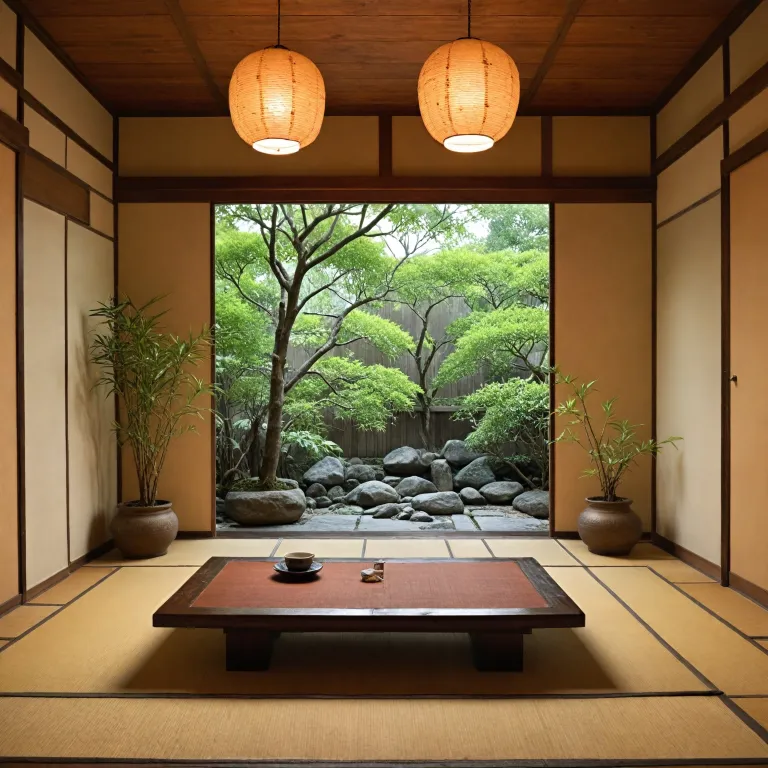
Guest rooms in a Kyoto ryokan are usually minimalist, with tatami mat flooring, low tables, and futon bedding stored away until evening. This Japanese style layout allows the same space to shift from tea room to bedroom, creating a flexible environment that feels both simple and luxurious. Some properties offer style rooms that blend Western beds with traditional elements, giving travellers more choice while preserving the essential atmosphere.
Modern ryokans in Kyoto and nearby cities such as Osaka increasingly feature private onsen baths, either in guest rooms or on secluded terraces. Travellers comparing a ryokan Kyoto stay with an urban ryokan in Osaka can explore how different regions interpret the same traditions through this detailed guide to experiencing authentic Japanese hospitality in the heart of Kansai. Whether you choose a central hotel Kyoto property with ryokan style rooms or a secluded inn in the hills, the core promise remains the same ; your stay will be shaped by attentiveness, discretion, and a deep respect for privacy.
Design, rooms, and onsen rituals in Kyoto ryokan Japan
Architecture plays a central role in the ryokan Kyoto Japan experience, especially in a city where wooden townhouses and temple complexes define the skyline. Traditional Japanese design emphasises natural materials, sliding doors, and a close relationship with the garden, which together create a sense of calm that many modern hotels struggle to replicate. When you stay ryokan in Kyoto, the room itself becomes a quiet stage for observing light, shadow, and seasonal change.
In many Kyoto ryokans, guest rooms open onto a small private garden framed by bamboo, moss, and stone lanterns. This garden is not merely decorative ; it is an integral part of the room, offering a living painting that changes with the weather and time of day. Some of the best ryokan Kyoto properties position their rooms so that you can enjoy this view while soaking in a wooden tub or sipping tea after a long walk from Kyoto Station.
Inside, the tatami mat flooring encourages guests to slow their movements and sit closer to the ground. Low tables, cushions, and alcoves displaying seasonal art or flower arrangements reflect Japanese culture and its appreciation for impermanence. For travellers used to Western hotel layouts, these Japanese style rooms may feel sparse at first, yet many guests later describe them as the most restful accommodation of their trip.
Bathing is another highlight of staying ryokan, with many Kyoto properties offering communal onsen or private baths. Some modern inns, such as Sora Niwa Terrace Kyoto Bettei, feature open air baths and a sky garden terrace that reinterpret traditional Japanese bathing rituals for contemporary travellers. To understand how these experiences fit into the broader landscape of authentic Japanese hospitality across the country, this in depth article on unique ryokan experiences in Japan offers valuable context and comparisons.
Cuisine, tea ceremony, and the rhythm of a Kyoto ryokan stay
Meals are central to any ryokan Kyoto Japan stay, and Kyoto’s culinary heritage makes the experience particularly memorable. Dinner often takes the form of kaiseki, a multi course feast that showcases seasonal ingredients, precise techniques, and the aesthetics of traditional Japanese plating. In many Kyoto ryokans, this meal is served in your room, transforming the space into a private dining salon where each course arrives in a carefully timed sequence.
Japanese breakfast at a ryokan is equally considered, typically featuring grilled fish, rice, miso soup, pickles, and small side dishes. For travellers accustomed to buffet style hotel breakfasts, this set menu can feel both structured and deeply personal, as it reflects regional flavours and the preferences of Japanese people. Some ryokans can adapt the breakfast for dietary needs if informed in advance, which is particularly helpful for international guests planning a longer stay.
Tea plays a quiet yet powerful role in the rhythm of a Kyoto ryokan stay. Many inns welcome guests with matcha and sweets, while some offer a formal tea ceremony that introduces the philosophy behind each gesture and utensil. Participating in a tea ceremony within a tatami mat room overlooking a garden allows travellers to connect with Japanese culture in a way that feels intimate rather than touristic.
Properties such as Japanese Ryokan Seryo in the village of Ohara illustrate how cuisine and setting work together to create a complete experience. Recognised for its hospitality and private open air baths, this inn shows how a short minute walk from the countryside bus stop can transport you into another world. For travellers comparing room rates and package options, it is worth remembering that meals often represent a significant part of the value when you book a Kyoto ryokan stay.
How to choose the best ryokan Kyoto offers for your trip
Selecting the best ryokan Kyoto can offer depends on your priorities, whether they are proximity to Kyoto Station, access to onsen, or the level of formality in service. Some travellers prefer a central hotel Kyoto location with easy access to shopping and temples, while others seek a quieter neighbourhood where the only sounds at night are wind and water. Clarifying how you like to move through a city will help you decide which area and style of accommodation suits your stay.
Room types vary widely, from compact Japanese style rooms ideal for solo travellers to expansive suites with private gardens and open air baths. When comparing room rates, pay attention to whether dinner and Japanese breakfast are included, as this can significantly influence the overall value of your package. Many Kyoto ryokans offer seasonal packages that align with cherry blossom viewing, autumn foliage, or quieter months when you can enjoy more space and time.
For travellers seeking a deeply traditional experience, historic inns such as Tawaraya Ryokan embody the essence of Kyoto ryokan hospitality. Others may prefer modern properties like Sora Niwa Terrace Kyoto Bettei, where contemporary design meets authentic Japanese service and onsen facilities. Reading detailed descriptions and looking for mentions of guest rooms, garden views, and minute walk distances from key landmarks can help you visualise daily life during your stay.
Nishiyama Ryokan is another respected name, often praised for balancing accessibility with a strong sense of place. Its location allows guests to reach major sights within a short minute walk, while still returning to a quiet environment that feels removed from the city’s busiest streets. Whether you choose one of these renowned ryokans or a smaller inn, focusing on how each property interprets traditional Japanese hospitality will guide you toward the right choice.
Practical tips for booking and enjoying a Kyoto ryokan stay
Planning a ryokan Kyoto Japan stay requires more preparation than booking a standard hotel, yet the rewards are considerable. Book well in advance, especially during peak seasons. Be prepared to follow traditional customs, such as removing shoes indoors. Some ryokan may have restrictions for guests with tattoos in communal baths. These practical guidelines help ensure that your stay will feel smooth and respectful for both you and the staff.
When you book a Kyoto ryokan, pay close attention to check in times, meal schedules, and whether staff speak your language. Many ryokans operate more like private homes than hotels, with fixed dinner hours and limited late night services. Communicating arrival time from Kyoto Station, especially if you expect delays, allows the team to adjust meal preparation and maintain the quality of your kaiseki dinner and Japanese breakfast.
Understanding bathing etiquette is essential, particularly if your stay includes access to onsen or communal baths. Guests are expected to wash thoroughly before entering the shared tub, keep towels out of the water, and move quietly to preserve the tranquil atmosphere. If you prefer more privacy, consider booking guest rooms with private baths or choosing a package that includes access to smaller, reservable facilities.
For travellers designing a longer itinerary across Japan, combining a Kyoto ryokan stay with other regions can deepen your appreciation of Japanese culture. An urban retreat in Tokyo, for example, offers a different perspective on refined hospitality, as shown in this guide to elegant Tokyo ryokan with onsen stays. Balancing nights in traditional Japanese inns with time in contemporary hotels will give you a fuller sense of how accommodation in Japan reflects both continuity and change.
Key statistics about ryokan Kyoto Japan stays
- There are approximately 40 thousand ryokan across Japan, with Kyoto hosting some of the most historically significant properties.
- The average cost per night at a mid range ryokan is around 300 USD per person, reflecting the inclusion of kaiseki dinner and Japanese breakfast.
- Mid range ryokans across Japan typically range from 150 to 300 USD per person per night, depending on room type, season, and included meals.
Essential questions about staying in a Kyoto ryokan
What is a ryokan and how does it differ from a hotel ?
A ryokan is a traditional Japanese inn featuring tatami-matted rooms, communal baths, and kaiseki meals. Unlike most hotels, a ryokan stay usually includes dinner and Japanese breakfast served either in your room or in a dedicated dining space. The emphasis is on immersive Japanese culture, personalised service, and a slower rhythm of time rather than on extensive modern amenities.
Are ryokan in Kyoto expensive compared with other accommodation ?
Prices for Kyoto ryokans vary widely, from modest family run inns to some of the most exclusive accommodation in Japan. Many mid range ryokans fall within the general range of 150 to 300 USD per person per night, which typically includes both dinner and Japanese breakfast. When comparing costs with hotels, it is important to factor in the value of multi course meals, onsen access, and the depth of cultural experience.
Can Kyoto ryokans accommodate dietary restrictions or special requests ?
Many ryokans in Kyoto can accommodate dietary restrictions if informed well in advance, especially for allergies, vegetarian preferences, or religious requirements. Because kaiseki meals are carefully planned and rely on seasonal ingredients, last minute changes can be challenging for the kitchen team. When you book, clearly state your needs and confirm them again a few days before arrival to ensure your stay will remain both safe and enjoyable.
