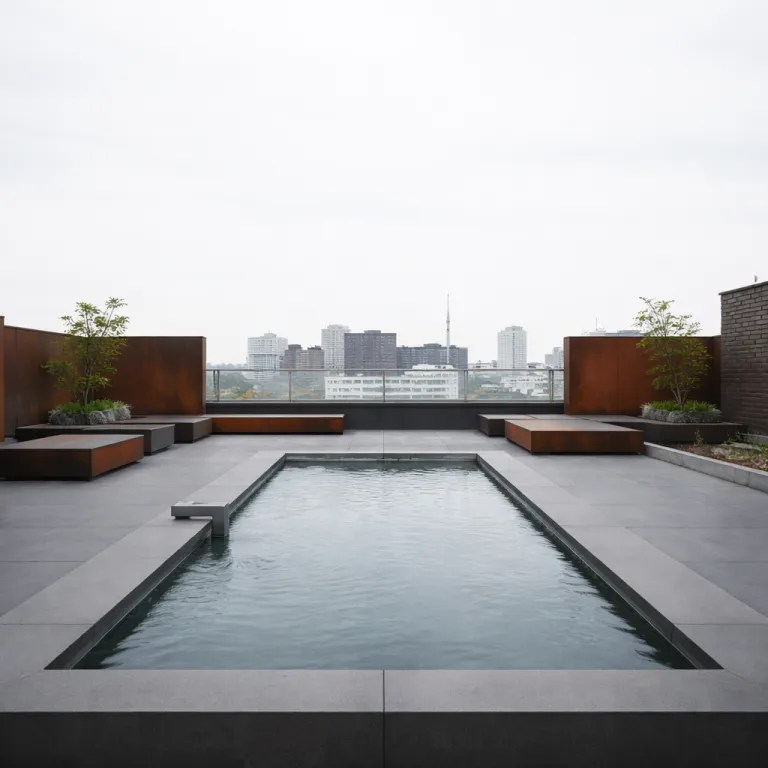
Urban serenity at an onsen ryokan in Tokyo
Staying at an onsen ryokan in Tokyo offers a rare balance between urban energy and deep calm. In the capital, a traditional ryokan blends tatami rooms, kaiseki dinner, and soothing onsen baths with the convenience of world class transport. For travellers planning a refined stay, this mix of heritage and comfort turns a simple hotel night into a cultural experience.
Tokyo’s most atmospheric ryokans integrate natural hot spring traditions into a vertical cityscape of glass and steel. Properties such as Hoshinoya Tokyo reinterpret the classic onsen ryokan with a high rise format, where each floor feels like a small inn wrapped around serene spring baths. Guests step from the elevator into hushed corridors, then slide open a shoji door to a japanese style room that feels far removed from the streets below.
Many visitors search for an onsen ryokan Tokyo stay that combines authentic rituals with modern room amenities. A well curated ryokan will offer both communal baths and at least one private onsen option, ideal for couples or guests who prefer privacy. Before booking, check whether the onsen uses true hot springs or heated tap water, because the mineral rich hot spring experience is central to traditional bathing culture.
Tokyo’s ryokans participate in a broader movement to preserve japanese hospitality while embracing innovation. The goal is to maintain tatami, futon, and multi course dinner service, yet integrate discreet technology and air conditioning for comfort. This careful balance is especially important for international guests who may be new to onsen etiquette but expect high standards from a luxury hotel.
Choosing an onsen ryokan near Shinjuku and central Tokyo
For many travellers, proximity to Shinjuku station is a decisive factor when selecting an onsen ryokan in Tokyo. A Shinjuku ryokan stay allows easy access to business districts by day and neon lit streets by night, while still returning to quiet spring baths before sleep. When a property advertises a three minute walk from a major walk exit, verify the exact route and whether it involves stairs or underground passages.
Shinjuku is one of the city’s busiest hubs, yet a carefully designed ryokan can feel surprisingly secluded. Look for descriptions that mention upper floor bathing areas, open air baths, and soundproofed rooms that shield you from the constant flow of trains. Some ryokans near Shinjuku station offer a private onsen on the rooftop, where an open air bath lets you feel the night breeze while gazing at the skyline.
Travellers comparing an onsen ryokan Tokyo stay with a conventional hotel should pay close attention to room size and layout. Tatami rooms often appear larger because furniture is minimal, yet futons are stored away during the day to create more space. Check whether your room includes an en suite air bath or whether you will use shared hot springs on a separate floor.
Properties such as Andon Ryokan and Cyashitsu Ryokan Asakusa show how central locations can still offer intimate bathing experiences. Cyashitsu, for example, features open air and private onsen options that appeal to guests seeking quiet moments after exploring the city. These ryokans demonstrate that refined onsen experiences are possible even in dense neighbourhoods like Shinjuku, Asakusa, and beyond, especially when design focuses on light, air, and water.
From Tokyo to Hakone onsen, Atami onsen, and Mount Fuji views
Many guests combine an onsen ryokan in Tokyo with a side trip to Hakone onsen or Atami onsen. This itinerary allows you to compare urban hot springs with mountain or seaside hot springs, each offering distinct moods and landscapes. In Hakone onsen, ryokans often frame views of Mount Fuji, while Atami onsen faces the sea and offers milder coastal air.
When planning, consider how long you wish to spend in each destination and how many ryokans you want to experience. A typical pattern is one or two nights in a Shinjuku ryokan or central onsen ryokan Tokyo property, followed by two nights in a Hakone onsen retreat. Some travellers then continue to onsen Atami for a final night by the water, enjoying different hot springs and spring baths along the way.
Regions around Fuji Kawaguchiko are especially popular for combining hot springs with iconic mountain scenery. Here, a private onsen with a direct view of Mount Fuji can be the highlight of the trip, particularly at sunrise or after dinner. When a ryokan advertises a Fuji view, confirm whether it is from the room, the open air baths, or a shared terrace.
For deeper research into traditional stays beyond Tokyo, curated guides to refined japanese style inns in Kyoto can be invaluable. Resources such as this overview of ryokan stays in Kyoto help you compare regional customs, room amenities, and dining styles. By combining Tokyo, Hakone onsen, Atami onsen, and Fuji Kawaguchiko, you create a layered journey through different expressions of japanese hospitality.
Inside the experience: rooms, baths, and refined japanese style dining
The essence of an onsen ryokan Tokyo stay lies in the interplay between rooms, baths, and meals. A classic japanese style room features tatami flooring, sliding doors, and low furniture, with futons laid out after dinner. Many ryokans now offer both traditional rooms and hybrid rooms with beds, giving guests flexibility without losing the calm aesthetic.
Bathing is the heart of any onsen ryokan, whether in Tokyo or in regional hot springs. Communal spring baths are usually separated by gender, with meticulous cleaning routines and clear etiquette signage for international visitors. Some properties also provide a private onsen that can be reserved by the hour, ideal for families or guests with tattoos who prefer privacy.
Open air baths are especially prized, even in the city, because the contrast between hot water and cool air heightens relaxation. When a ryokan lists an open air bath or air bath on the rooftop, check whether it is fed by a true hot spring source or heated water. In either case, the design of the baths, the quality of the stone, and the surrounding lighting all influence the mood.
Meals are another highlight, with elaborate breakfast and dinner services that showcase seasonal japanese ingredients. A traditional breakfast might include grilled fish, rice, miso soup, and small side dishes, while dinner often follows a kaiseki format with multiple courses. Guests should inform the ryokan in advance about dietary needs, because menus are carefully planned and rely on precise preparation rather than last minute changes.
How to evaluate luxury and premium onsen ryokan booking options
Choosing the right onsen ryokan in Tokyo requires more nuance than booking a standard hotel. Beyond star ratings, you should examine how each property integrates hot springs, room amenities, and service into a coherent experience. The most refined ryokans balance tradition and innovation, offering tatami rooms and spring baths alongside discreet technology and multilingual support.
When comparing ryokans, pay close attention to the description of baths and hot springs. Some properties highlight natural hot spring sources, while others focus on design led baths that still provide deep relaxation. Look for clear information on the number of baths, whether there are separate spring baths for men and women, and if any private onsen options are available.
Room details also matter, especially in dense districts like Shinjuku where space is at a premium. Check the exact size of rooms, the type of bedding, and whether there is a view of gardens, city lights, or an inner courtyard. Many premium ryokans specify if rooms are on a higher floor to reduce noise and improve air quality, which can significantly enhance sleep.
Expert curated resources can help you navigate the growing number of urban ryokans. For example, this guide to elegant Tokyo ryokan with onsen stays focuses on properties that deliver consistent service and authentic ambience. By cross checking such recommendations with guest reviews and official websites, you can identify ryokans that align with your expectations for quiet luxury and attentive japanese hospitality.
Practical etiquette and planning tips for onsen ryokan stays
Thoughtful planning ensures that your onsen ryokan Tokyo stay feels effortless from arrival to departure. Most ryokans set check in around mid afternoon and check out late morning, so schedule flights and trains accordingly. Because popular ryokans and private onsen slots book quickly, especially near Shinjuku station or in Hakone onsen, early reservations are essential.
Understanding onsen etiquette is crucial for a comfortable experience in both communal and private baths. Guests must wash thoroughly before entering the water, keep towels out of the baths, and speak quietly to maintain a calm atmosphere. Policies on tattoos vary, so always confirm in advance whether the ryokan allows them in shared hot springs or recommends booking a private onsen instead.
Ventilation and water temperature also influence comfort, particularly for first time visitors to hot springs. Some guests prefer an open air bath where cooler air balances the heat of the water, while others enjoy indoor baths with carefully controlled air hot conditions. If you are sensitive to heat, start with shorter sessions and step out whenever your heart rate increases.
Official guidance notes that “Book in advance. Check for tattoo policies. Follow onsen etiquette.” These simple principles apply equally in Tokyo, Hakone onsen, Atami onsen, and smaller ryokans around Fuji Kawaguchiko. By respecting local customs and planning around meal times, you allow the rhythm of japanese style hospitality to unfold naturally throughout your stay.
Extending the experience: from Tokyo ryokans to wider Japanese onsen culture
Staying at an onsen ryokan in Tokyo offers an elegant introduction to a much wider bathing culture. Japan counts thousands of onsen establishments and even more individual hot spring sources, spread from coastal Atami onsen to mountain villages near Mount Fuji. Each region shapes its own style of ryokans, spring baths, and seasonal cuisine, yet the core values of calm, cleanliness, and hospitality remain constant.
Urban ryokans such as Hoshinoya Tokyo, Andon Ryokan, and Cyashitsu Ryokan Asakusa show how tradition can adapt to contemporary life. Hoshinoya Tokyo, for instance, is a modern high rise ryokan with traditional design, while Andon Ryokan is a traditional inn offering private onsen, and Cyashitsu Ryokan Asakusa features open-air and private onsen. These properties demonstrate how a carefully designed room, a well ventilated air bath, and attentive staff can create a sanctuary even in the heart of the city.
As interest in onsen tourism grows, more travellers seek ryokans that combine cultural depth with comfort. Many now look for rooms with a private onsen, refined breakfast and dinner, and easy access from a major walk exit or a short minute walk from the station. This demand encourages ryokans to refine room amenities, improve multilingual communication, and clarify details about hot springs and baths on their booking pages.
For guests, the reward is a stay that feels both restorative and meaningful, whether in a Shinjuku ryokan, a lakeside inn near Fuji Kawaguchiko, or a hillside retreat in Hakone onsen. By approaching each onsen ryokan with curiosity and respect, you participate in a living tradition that continues to shape japanese daily life. Over time, these experiences can become a quiet thread that connects multiple journeys across the country.
Key statistics about Japanese onsen culture
- Number of onsen in Japan : 3000 establishments.
- Number of hot spring sources in Japan : 25000 sources.
Essential questions about ryokans and onsen stays
What is a ryokan?
A ryokan is a traditional Japanese inn offering tatami rooms and communal baths. Guests typically sleep on futons, enjoy multi course meals, and follow established etiquette in shared spaces. Many modern ryokans now blend classic design with contemporary comforts to welcome international travellers.
Are tattoos allowed in onsen?
Policies vary ; some ryokans permit tattoos, others do not. In many cases, guests with tattoos are encouraged to use private onsen facilities instead of communal baths. Always check the specific policy of your chosen ryokan before booking to avoid disappointment.
Do ryokans in Tokyo have private onsen?
Some ryokans in Tokyo do offer private onsen ; check specific ryokan amenities. These can be attached to individual rooms or reserved by the hour in separate spaces. Private facilities are particularly valued by couples, families, and guests who prefer a more intimate bathing experience.
