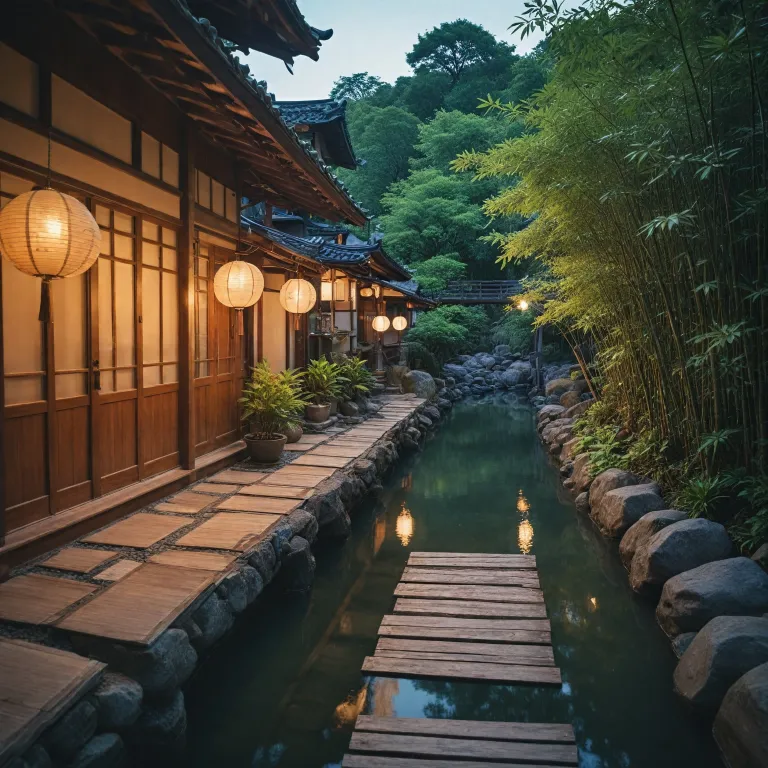
Why kinosaki ryokan onsen is ideal for refined travelers
The town of Kinosaki Onsen in Hyōgo Prefecture offers a rare blend of serenity, heritage, and refined comfort for guests who value atmosphere as much as amenities. In this compact hot spring town, the Kinosaki Onsen Ryokan Association coordinates more than 74 traditional ryokan properties, each preserving a sense of old Japan while quietly integrating modern comforts. For travelers comparing luxury options, this concentration of ryokans in Kinosaki creates an unusually rich choice of rooms, plans, and levels of privacy.
Staying in a kinosaki ryokan onsen means entering a world of tatami rooms, sliding shoji doors, and carefully prepared dinner and breakfast that highlight the region’s produce. Many ryokan kinosaki options feature course dinner menus built around Tajima beef or seasonal crab, while breakfast included plans emphasize local vegetables, rice, and grilled fish. Guests who prefer flexibility can select stay plans that separate dinner, breakfast, and hot spring access, tailoring each night to their own rhythm and budget.
The entire region Kinosaki is organized around its seven public hot springs, which are linked by lantern lit streets where visitors stroll in yukata and wooden geta. Ryokans Kinosaki typically provide free shuttle services or passes to these hot springs, allowing each person to sample different spring baths and open air pools throughout the day. For travelers who value privacy, many properties also offer private onsen kinosaki experiences, including free private indoor tubs or open air bath terraces attached directly to the room.
Understanding luxury in a traditional japanese ryokan setting
Luxury in a kinosaki ryokan onsen does not always mean marble lobbies or grand chandeliers ; instead, it often appears in quiet details and attentive service. A japanese style room may seem simple at first glance, yet the alignment of tatami mats, the softness of the futon, and the placement of a single flower arrangement all contribute to a sense of calm. Guests who appreciate design will notice how each property balances traditional architecture with discreet additions such as free WiFi, climate control, and high quality bedding.
For many visitors, the highlight of a stay is the kaiseki dinner, a multi course dinner that showcases local ingredients in a precise seasonal sequence. In Kinosaki, Tajima beef and snow crab from nearby Toyooka and the Sea of Japan often appear as centerpieces, giving each person a direct connection to the surrounding region. When comparing ryokan kinosaki plans online, pay close attention to whether dinner breakfast combinations are included, whether the course dinner features Tajima beef or crab, and how the property handles dietary requests.
Breakfast included plans at ryokans Kinosaki usually feature a japanese spread of grilled fish, rice, miso soup, and small side dishes, though some rooms also offer Western options. Because the town attracts both domestic and international guests, many properties publish detailed descriptions of their dinner, breakfast, and hot spring facilities, along with translated onsen etiquette. Reading recent reviews can help you understand how staff communicate, how flexible they are with children or group day visits, and whether the atmosphere suits a quiet couple, a family, or a multigenerational gathering.
Choosing rooms, private baths, and stay plans with confidence
Selecting the right room in a kinosaki ryokan onsen requires more than simply checking the number of beds or the view. First, decide whether you prefer a fully japanese style room with futon bedding or a hybrid layout that combines tatami with low Western beds, as this affects comfort for each person in your group. Next, consider whether you want a private onsen attached to the room, access to open air baths, or are content to use the shared spring baths and the town’s public hot springs.
Many ryokan kinosaki properties categorize rooms by size, view, and bath type, so read the details carefully before you check availability. Some rooms include a free private indoor tub that draws natural hot spring water, while others offer a semi open air bath or a larger air bath terrace overlooking the river or gardens. Because these features are limited, they often sell out quickly on weekends and during peak seasons, especially when group day excursions from Toyooka and nearby cities increase demand.
Stay plans in Kinosaki Onsen are usually structured around whether dinner breakfast is included, whether the course dinner features Tajima beef or crab, and how many nights you intend to stay. For a first visit, many guests choose a one night plan with dinner and breakfast included, then spend the day exploring different hot springs around town. Longer stays allow you to try multiple ryokans Kinosaki, comparing room layouts, service styles, and the subtle differences between each property’s spring baths and cuisine.
Navigating hot spring etiquette, comfort, and seasonal cuisine
Onsen culture is central to any kinosaki ryokan onsen experience, and understanding etiquette will make your stay more comfortable. Before entering any hot spring or spring baths, guests must wash thoroughly at the shower stations, rinse off all soap, and then step slowly into the hot water. Tattoos are accepted in Kinosaki’s public hot springs, which is unusual in Japan and particularly reassuring for international guests who might otherwise hesitate.
Within each property, you may find both communal and private onsen kinosaki facilities, including indoor pools and open air baths that change atmosphere with the seasons. Water temperatures can feel very hot at first, so alternate short soaks with cool down periods in the air bath areas or relaxation lounges to avoid fatigue. Many ryokan kinosaki provide clear details in English and japanese about recommended bathing times, hydration, and how to rotate between different hot springs during your stay.
Seasonal cuisine is another defining element of the region Kinosaki, and menus shift noticeably throughout the year. In colder months, course dinner menus often highlight snow crab from Toyooka waters, while other seasons emphasize Tajima beef, mountain vegetables, and delicate river fish. When you check availability and compare plans, look for descriptions that specify whether crab, Tajima beef, or vegetarian alternatives are included in dinner breakfast combinations, and confirm any allergies with the property in advance.
Using premium booking platforms to evaluate ryokans in Kinosaki
For travelers who value clarity and reassurance, a well designed luxury booking website for traditional japanese inns can transform the process of choosing a kinosaki ryokan onsen. High quality platforms present each property with precise room descriptions, verified photos of hot springs and open air baths, and transparent explanations of dinner, breakfast, and stay plans. This level of detail allows each person to compare ryokan kinosaki options side by side, focusing on what matters most, whether that is a private bath, proximity to certain hot springs, or the inclusion of Tajima beef in the course dinner.
Credible booking sites also curate reviews in a way that highlights patterns rather than isolated complaints, helping guests understand service consistency across multiple nights and seasons. Look for comments that mention free shuttle services to the station, the reliability of free WiFi in rooms, and how staff handle special requests such as late arrivals or group day visits. When a property repeatedly earns praise for attentive japanese hospitality, immaculate rooms, and well paced dinner breakfast service, it becomes easier to book with confidence.
Some premium platforms go further by offering editorial style guides to Kinosaki Onsen, interviews with the Kinosaki Onsen Ryokan Association, and in depth features on topics such as the role of Toyooka seafood in local cuisine. Others may include links to niche cultural content, such as specialized articles on traditional japanese adult entertainment, which you might encounter under anchors like premium japanese content. While not central to most stays, these links illustrate how diverse media and hospitality intersect within the broader japanese travel ecosystem.
Planning your stay length, budget, and cultural immersion
Deciding how many nights to spend in a kinosaki ryokan onsen depends on your travel rhythm and broader itinerary. A single night allows you to sample one property, enjoy a full course dinner with Tajima beef or crab, and visit several hot springs using the town pass. However, two or three nights give each person more time to slow down, compare different ryokans Kinosaki, and appreciate the subtle variations in rooms, spring baths, and service styles.
Budget planning should account for the fact that dinner breakfast combinations are usually included in higher end plans, which can actually simplify costs. When you check availability, compare rates that include breakfast included and full course dinner against room only options, remembering that dining out in the region Kinosaki can also be appealing. Some properties offer free shuttle transfers from Kinosaki Onsen Station, free private bath slots by reservation, or discounts for group day bookings, all of which can influence overall value.
Cultural immersion extends beyond the property itself, as guests wear yukata and geta to stroll between hot springs, visit small shrines, and explore Toyooka’s nearby attractions. The Kinosaki Onsen Ryokan Association emphasizes that “Kinosaki Onsen offers visitors an authentic Japanese cultural experience through stays at traditional ryokan inns, featuring tatami-matted rooms, kaiseki meals, and access to natural hot springs.” By choosing a ryokan kinosaki that aligns with your preferences for privacy, cuisine, and atmosphere, you transform a simple night’s accommodation into a layered experience of japanese hospitality, regional flavors, and restorative water.
Key statistics about Kinosaki Onsen
- Number of ryokan in Kinosaki Onsen : 74 ryokan, coordinated through the Kinosaki Onsen Ryokan Association to preserve traditional hospitality standards.
- History of Kinosaki Onsen : approximately 1,300 years as a hot spring resort, contributing to its reputation for therapeutic waters and cultural continuity.
Essential questions about kinosaki ryokan onsen stays
What is a ryokan?
A ryokan is a traditional Japanese inn featuring tatami-matted rooms, communal baths, and local cuisine. In the context of a kinosaki ryokan onsen, this means sleeping on futon in a japanese style room, bathing in natural hot springs, and enjoying carefully prepared dinner and breakfast that highlight regional ingredients. Many ryokans Kinosaki combine this classic format with modern comforts such as free WiFi, climate control, and occasionally private open air baths attached to selected rooms.
Are tattoos allowed in Kinosaki Onsen baths?
Yes, all public onsens in Kinosaki Onsen allow tattoos, which is uncommon in Japan. This policy makes the region Kinosaki particularly welcoming for international guests who might otherwise feel excluded from hot spring culture. Within individual properties, private onsen kinosaki facilities and spring baths also provide additional comfort for any person who prefers more seclusion while still enjoying the therapeutic benefits of the hot water.
What is kaiseki?
Kaiseki is a traditional multi-course Japanese dinner emphasizing seasonal ingredients and presentation. In a kinosaki ryokan onsen, kaiseki often appears as a course dinner that features Tajima beef, crab from Toyooka, and delicately prepared vegetables, served in your room or a private dining space. When you check availability and compare stay plans, look for dinner breakfast options that specify kaiseki menus, as these experiences are central to understanding japanese culinary artistry in Kinosaki Onsen.
