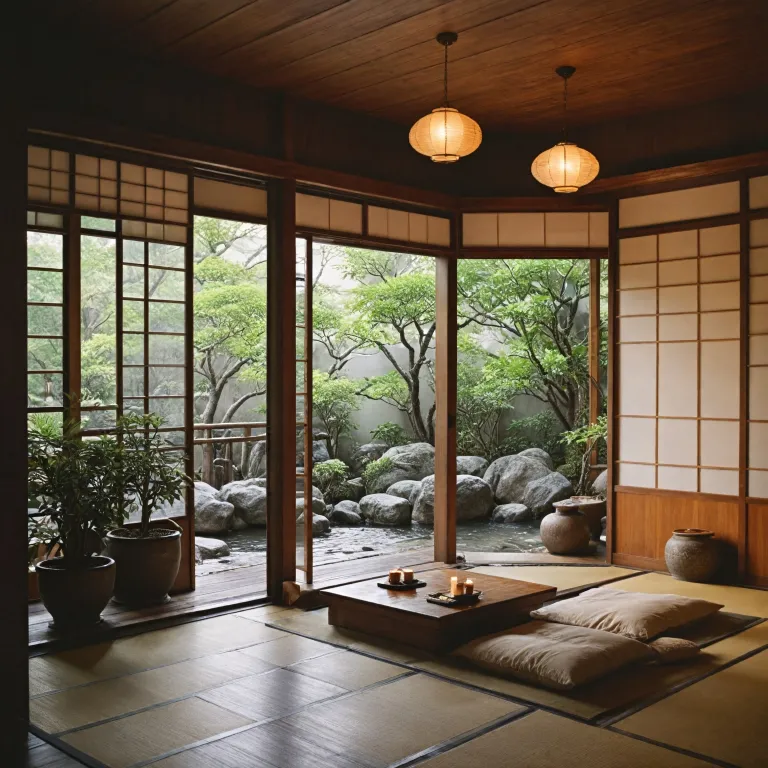
Embracing the essence of premium ryokan with onsen: tradition meets luxury
Japan’s tradition of hospitality is elevated in the experience of a premium ryokan with onsen, where centuries-old customs blend seamlessly with modern luxury. These ryokans offer guests an intimate retreat, often nestled in scenic locations such as Hakone, Kyoto, or Hokkaido, where the natural beauty enhances every moment. The allure of a private onsen bath in your room, with open air views of mountains or gardens, is a hallmark of these luxury ryokans.
Each ryokan is designed to reflect its surroundings, using natural materials like tatami mat flooring and shoji screens to create a tranquil atmosphere. The integration of open air baths allows guests to soak in mineral-rich hot springs while enjoying the serenity of nature. Whether you choose a room with a view of Mount Fuji, the lush forests of Hanazono, or the tranquil waters of Lake Kawaguchiko, the experience is deeply rooted in Japanese aesthetics and mindfulness.
Luxury ryokans such as Gôra Kadan in Hakone, Hoshinoya Kyoto, and Zaborin Ryokan in Hokkaido are renowned for their attention to detail and personalized service. The tradition of omotenashi, or wholehearted hospitality, ensures every guest feels valued and cared for. With private onsen baths, open air baths, and rooms designed for relaxation, these ryokans provide an unparalleled escape from the everyday.
Guests are encouraged to embrace the customs of the ryokan, from wearing a yukata to enjoying seasonal kaiseki cuisine. The experience is not just about luxury, but about connecting with Japanese culture and tradition. As demand for privacy and exclusivity grows, more ryokans are offering rooms with private onsen, ensuring a truly personal and memorable stay.
Signature features of luxury ryokans: private onsen, open air baths, and breathtaking views
One of the defining characteristics of a premium ryokan with onsen is the availability of private onsen baths in guest rooms. According to the Japan Ryokan Association, approximately 30% of ryokans now offer private onsen baths, catering to guests who seek both luxury and privacy. These private onsen rooms often feature open air baths, allowing guests to immerse themselves in hot spring waters while taking in panoramic views.
Hakone Ginyu, for example, is celebrated for its rooms with private open air onsen baths and sweeping mountain vistas. The design of each room emphasizes harmony with nature, using large windows and terraces to bring the outdoors in. Guests can unwind in their own hot spring bath, breathing in the fresh air and listening to the sounds of the surrounding landscape.
In Arima Onsen, luxury ryokans offer unique experiences such as gold and silver hot springs, renowned for their therapeutic properties. The combination of traditional Japanese architecture and modern amenities ensures that every stay is both comfortable and culturally enriching. Many ryokans also provide rooms with views of iconic landmarks, such as Mount Fuji or Lake Kawaguchiko, enhancing the sense of place and tranquility.
For those seeking a truly exclusive experience, ryokans like Zaborin in Hokkaido offer villas with private onsen baths and open air baths set amidst tranquil woods. The focus on privacy, comfort, and natural beauty defines the premium ryokan with onsen experience. For more inspiration on planning your luxury escape, explore this comprehensive guide to Japanese hot spring inns.
Culinary excellence: breakfast, dinner, and the art of kaiseki at premium ryokans
The culinary journey at a premium ryokan with onsen is as memorable as the bathing experience. Most luxury ryokans include both breakfast and dinner in their room rates, offering guests the chance to savor traditional kaiseki cuisine. This multi-course meal showcases seasonal and local ingredients, prepared with meticulous attention to detail and presentation.
Ryokans partner with regional farmers and fishermen to source the freshest produce, seafood, and meats. The result is a dining experience that reflects the flavors and traditions of the region. At Hoshinoya Kyoto, for example, guests enjoy riverside dining with dishes that change with the seasons, highlighting the bounty of Kyoto’s countryside.
Breakfast at a luxury ryokan is typically a balanced meal featuring rice, grilled fish, miso soup, and a variety of side dishes. Dinner is an elaborate affair, with courses that may include sashimi, tempura, simmered vegetables, and delicacies unique to the area. The emphasis on freshness and seasonality ensures that every meal is a celebration of Japanese culinary artistry.
Guests with dietary restrictions are encouraged to communicate their needs in advance, as kaiseki menus are often set. The combination of exquisite cuisine, attentive service, and the tranquil setting of a ryokan dining room creates an unforgettable gastronomic experience. For those interested in exploring more about the intersection of luxury travel and Japanese cuisine, visit our Japanese culinary travel resource.
Design and ambiance: how architecture and nature shape the ryokan experience
The architecture and design of a premium ryokan with onsen are integral to its appeal. Traditional elements such as tatami mat flooring, futon bedding, and sliding shoji screens create a sense of authenticity and comfort. Ryokans are often situated in locations that maximize natural beauty, with rooms oriented to capture views of mountains, forests, or hot springs.
Open air baths are a signature feature, allowing guests to bathe under the sky while surrounded by nature. The use of natural materials, such as wood and stone, enhances the connection to the environment. Many ryokans incorporate gardens, koi ponds, and walking paths, inviting guests to explore and unwind.
Modern luxury is seamlessly integrated into the traditional framework, with amenities such as climate control, Wi-Fi, and spa treatments. The goal is to provide comfort without detracting from the authenticity of the experience. Ryokans like Beniya Mukayu in Yamashiro Onsen emphasize simplicity and tranquility, creating spaces that encourage relaxation and reflection.
Guests often comment on the peaceful ambiance and the sense of escape that a ryokan provides. The combination of thoughtful design, natural beauty, and attentive service makes each stay unique.
Booking strategies and practical tips for a seamless ryokan stay
Securing a reservation at a premium ryokan with onsen requires careful planning, especially during peak travel seasons. It is advisable to book well in advance to ensure availability, particularly for rooms with private onsen or open air baths. Many luxury ryokans have limited rooms, and demand is high among both domestic and international travelers.
When booking, consider the location and the type of hot spring experience you desire. Some ryokans are renowned for their views, such as those overlooking Mount Fuji or Lake Kawaguchiko, while others are celebrated for their unique hot springs, like Arima Onsen’s gold and silver baths or the therapeutic waters of Beppu Onsen and Sumoto Onsen. Reviewing room options carefully ensures you select a space with the amenities and views that matter most to you.
It is important to familiarize yourself with ryokan customs, such as removing shoes indoors and wearing a yukata during your stay. "Guests are usually provided with a yukata (casual kimono) to wear during their stay, both within the ryokan and sometimes in the surrounding area." Communicate any dietary restrictions in advance, as meals are often set menus. Some ryokans may have age restrictions for children, so check policies before booking.
For international guests, many luxury ryokans offer English-speaking staff and written instructions to ensure a smooth experience. "While knowledge of Japanese can enhance the experience, many luxury ryokans have English-speaking staff or provide English instructions for international guests." By preparing ahead and understanding the unique aspects of ryokan hospitality, you can fully enjoy the luxury and tranquility of your stay.
The evolving landscape of luxury ryokans: trends, sustainability, and guest expectations
The world of premium ryokan with onsen is constantly evolving to meet the changing needs of travelers. Increased demand for privacy has led to a rise in rooms with private onsen and open air baths, allowing guests to enjoy hot springs in seclusion. Ryokans are also integrating modern amenities, such as advanced climate control and in-room entertainment, without compromising traditional aesthetics.
Sustainability is becoming a key focus, with many ryokans adopting eco-friendly practices in their operations. This includes sourcing local ingredients for meals, using renewable energy, and minimizing waste. The partnership with local artisans and communities not only supports the regional economy but also preserves cultural heritage.
Luxury ryokans are also enhancing guest experiences through curated activities, such as tea ceremonies, calligraphy lessons, and guided nature walks. The goal is to offer a holistic experience that goes beyond accommodation, immersing guests in Japanese culture and tradition. The balance between innovation and tradition ensures that the premium ryokan with onsen remains a sought-after choice for discerning travelers.
As guest expectations continue to rise, ryokans are responding with personalized service and unique offerings. Whether you seek a tranquil retreat in the woods of Hokkaido or a room with a view of the iconic Mount Fuji, the options are diverse and ever-expanding. The enduring appeal of the ryokan lies in its ability to adapt while staying true to the principles of Japanese hospitality.
Notable destinations: exploring Japan’s most iconic luxury ryokans with onsen
Japan is home to approximately 50,000 ryokans, with a growing number offering luxury experiences and private onsen baths. Destinations such as Hakone, Kyoto, Arima Onsen, Beppu Onsen, and Lake Kawaguchiko are renowned for their concentration of premium ryokans. Each region offers its own unique blend of natural beauty, hot springs, and cultural attractions.
Gôra Kadan in Hakone stands out for its imperial heritage and elegant design, while Hoshinoya Kyoto offers riverside seclusion accessible only by boat. Hakone Ginyu is celebrated for its panoramic mountain views and open air baths, and Zaborin Ryokan in Hokkaido provides contemporary villas with private onsen set in tranquil woods. Beniya Mukayu in Yamashiro Onsen is known for its serene ambiance and focus on simplicity.
When choosing a destination, consider the type of hot spring and the surrounding landscape. Arima Onsen is famous for its gold and silver springs, while Beppu Onsen offers a variety of baths and geothermal attractions. Lake Kawaguchiko provides stunning views of Mount Fuji, making it a popular choice for those seeking a room with a view.
Each luxury ryokan offers a distinct experience, shaped by its location, design, and approach to hospitality. Whether you are seeking relaxation, cultural immersion, or culinary excellence, Japan’s premium ryokans with onsen provide an unforgettable journey into the heart of Japanese tradition and luxury.
Key statistics on premium ryokan with onsen
- Number of ryokans in Japan: 50,000 establishments (Japan Ryokan Association)
- Average nightly rate for luxury ryokans: 50,000 JPY (Japan National Tourism Organization)
- Percentage of ryokans offering private onsen baths: 30% (Japan Ryokan Association)
Frequently asked questions about premium ryokan with onsen
What is a ryokan?
A ryokan is a traditional Japanese inn that typically features tatami-matted rooms, communal baths, and other public areas where visitors may wear yukata and talk with the owner.
Are private onsen baths common in ryokans?
While many ryokans offer communal baths, a growing number now provide private onsen baths in guest rooms to cater to guests seeking more privacy.
Are meals included in the stay at a ryokan?
Most ryokans include meals, typically breakfast and dinner, featuring traditional kaiseki cuisine made from seasonal and local ingredients.
References:
Japan Ryokan Association
Japan National Tourism Organization
Official websites of Gôra Kadan, Hoshinoya Kyoto, Hakone Ginyu, Zaborin Ryokan, Beniya Mukayu
