Explore unique ryokan experiences in Japan, from luxury onsen stays to traditional Japanese hospitality, architecture, and cuisine. Plan your perfect trip today.
Immersing in Japanese culture through unique ryokan stays
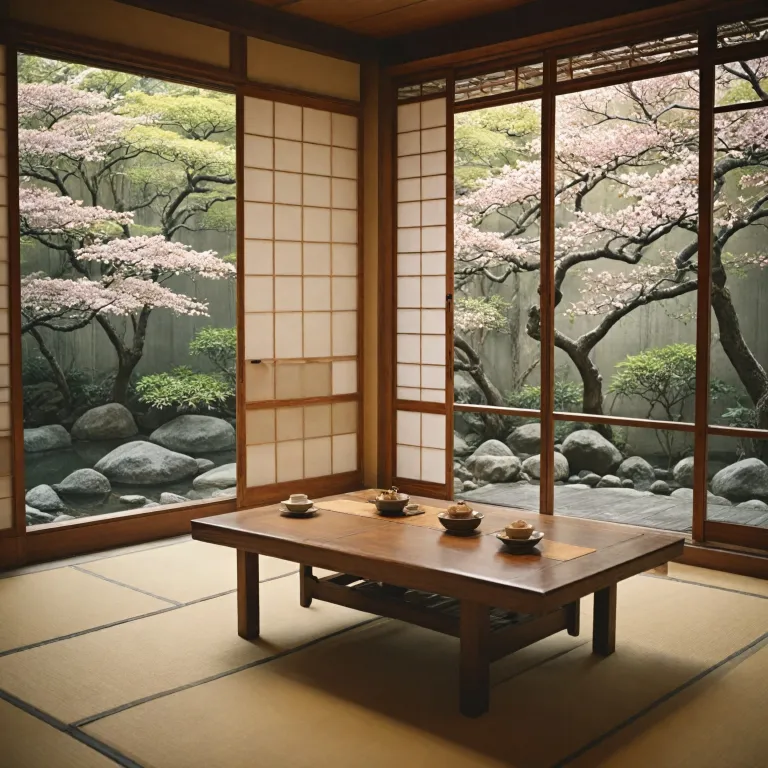
Ryokan stays offer a profound window into Japanese culture, blending centuries-old traditions with modern luxury. Guests are welcomed into an environment where every detail, from tatami mats to shoji doors, reflects the spirit of Japanese hospitality. The unique ryokan experiences Japan offers are not merely about accommodation; they are about living Japanese style, even if only for a night. Upon arrival, guests are often greeted with a warm welcome and a yukata, a casual kimono, to wear throughout their stay. The rooms include traditional Japanese style rooms, where tatami mats and futons replace western style beds, and sliding shoji doors create a tranquil ambiance. Many ryokans, such as Ryokan Sanga and Ryokan Yoyokaku, are set amidst serene gardens or riversides, enhancing the sense of peace and connection to nature. The architecture and design of these inns, including converted temples and historic buildings, immerse guests in the beauty of Japanese aesthetics. A highlight of the unique ryokan experiences Japan is the opportunity to participate in cultural activities. Guests may enjoy tea ceremonies, calligraphy, or seasonal festivals, deepening their appreciation for Japanese culture. The communal spaces, often featuring a coffee table set for green tea, encourage relaxation and conversation. For those seeking privacy, luxury ryokan options like Zaborin provide private open air onsen baths and minimalist style rooms, merging comfort with tradition.The allure of onsen: mineral rich hot springs and private baths
The onsen experience is central to the unique ryokan experiences Japan is renowned for. Onsen ryokan are celebrated for their mineral rich hot springs, which have been cherished for their therapeutic properties for centuries. Whether you seek a communal spring bath or a private open air bath, the soothing waters are an essential part of Japanese travel. Many ryokans, such as Fuji Onsenji Yumedono and Itamuro Onsen Daikokuya, offer private onsen baths attached to guest rooms, allowing guests to unwind in seclusion. The hot spring baths are often set against stunning natural backdrops, from lush forests to views of Mount Fuji. The ritual of bathing in hot springs is deeply rooted in Japanese culture, emphasizing relaxation and purification. Guests are encouraged to familiarize themselves with onsen etiquette, such as washing before entering the baths and maintaining quiet. Some ryokans feature open air spring baths, where the fresh mountain air enhances the experience. The variety of spring baths available, from indoor pools to outdoor rock baths, ensures every guest finds their ideal retreat. For those new to the experience, staff are happy to guide you through the customs, ensuring a memorable and respectful visit. For more insights on Japanese onsen culture, explore our comprehensive guide to Japanese hot springs and etiquette.Booking luxury ryokan: navigating premium experiences and exclusive rooms
Securing a stay at a luxury ryokan requires thoughtful planning, especially during peak travel seasons. With over 40,000 ryokans in Japan, options range from historic inns to modern luxury ryokan, each offering unique ryokan experiences Japan travelers seek. Booking in advance is highly recommended, particularly for ryokans with private onsen or exclusive guest rooms. Online booking platforms and travel agencies provide access to a curated selection of premium ryokans. Many luxury ryokan, such as Hoshinoya Kyoto, blend traditional Japanese style with contemporary amenities, ensuring comfort without sacrificing authenticity. Rooms include features like tatami mats, western style beds, and private open air baths, catering to diverse preferences. When booking, consider the style of room that best suits your needs. Some ryokans offer both Japanese style rooms and western style rooms, while others specialize in traditional layouts. The choice between communal and private baths, as well as the availability of spring baths with mountain or garden views, can greatly enhance your stay. For travelers seeking alternatives, platforms like Airbnb occasionally list converted temple accommodations and unique ryokan experiences Japan is famous for. Explore our exclusive ryokan booking recommendations to find the perfect match for your next journey.Culinary excellence: savoring kaiseki and regional Japanese cuisine
Dining at a ryokan is an integral part of the unique ryokan experiences Japan offers. Guests are treated to kaiseki, a multi-course meal that showcases seasonal ingredients and regional flavors. The artistry of Japanese cuisine is evident in every dish, from delicate sashimi to simmered vegetables, served in elegant style rooms or private dining spaces. Ryokans like Shirasagiyu Tawaraya and Honke Bankyu are renowned for their dedication to culinary tradition. Meals are often served on low tables in guest rooms, allowing guests to dine in comfort and privacy. The presentation is as important as the taste, with each course arranged to reflect the beauty of nature and the changing seasons. For those with dietary restrictions, many ryokans can accommodate special requests if informed in advance. The experience of dining in a traditional Japanese setting, surrounded by the gentle glow of lanterns and the scent of tatami mats, is unforgettable. After dinner, guests may relax with a cup of green tea at the coffee table, reflecting on the flavors and hospitality that define Japanese travel.Architectural heritage: from converted temples to modern luxury ryokans
The architecture of ryokans is a testament to Japan’s rich cultural heritage. Many inns are housed in historic buildings, including converted temples and centuries-old estates, offering guests a tangible connection to the past. The use of natural materials, such as wood and paper, creates a harmonious atmosphere that is both elegant and inviting. Ryokan Kanaguya, for example, is believed to have inspired the iconic bathhouse in "Spirited Away," while Ryokan Yoyokaku transports guests to the samurai era with its meticulously preserved gardens. Modern luxury ryokan like Zaborin reinterpret traditional design with minimalist aesthetics and state-of-the-art amenities. The juxtaposition of old and new is a hallmark of unique ryokan experiences Japan travelers cherish. Rooms include features such as tatami mats, futons, and shoji doors, while some offer western style beds for added comfort. Open air spaces, including verandas and garden paths, invite guests to unwind and appreciate the surrounding landscape. The thoughtful integration of architecture and nature is central to the ryokan experience, fostering a sense of peace and well-being.Practical guidance: etiquette, booking tips, and enhancing your ryokan journey
To fully enjoy unique ryokan experiences Japan, it is important to understand the customs and etiquette associated with these traditional inns. Upon arrival, guests are expected to remove their shoes and change into indoor slippers or a yukata. Respect for quiet hours and communal spaces is essential, as is observing proper behavior in hot spring baths. "Book in advance, especially during peak seasons. Familiarize yourself with onsen etiquette. Be prepared to sleep on futons and use communal baths. Respect quiet hours and traditional customs. Try local specialties offered in kaiseki meals." These guidelines ensure a harmonious stay for all guests. When booking, consider the location and amenities that best suit your travel plans. Some ryokans are situated near iconic sites like Mount Fuji, while others are nestled in rural villages or along scenic rivers. The choice between private and communal baths, as well as the availability of western style rooms, can influence your comfort and enjoyment. Engage with staff and participate in cultural activities to deepen your appreciation of Japanese hospitality. Many ryokans partner with local tourism boards and cultural organizations to offer unique experiences, from guided walks to craft workshops. By embracing the traditions and rhythms of ryokan life, guests contribute to the preservation of Japanese culture and support local communities.Statistics on unique ryokan experiences in Japan
- Number of ryokans in Japan: 40 thousand (Japan Ryokan Association)
Frequently asked questions about unique ryokan experiences in Japan
What is a ryokan?
A ryokan is a traditional Japanese inn that typically features tatami-matted rooms, communal baths, and local cuisine.
Are ryokans expensive?
Prices vary widely; some ryokans are affordable, while luxury ryokans can be quite expensive.
Do ryokans accommodate dietary restrictions?
Many ryokans can accommodate dietary restrictions if informed in advance.
