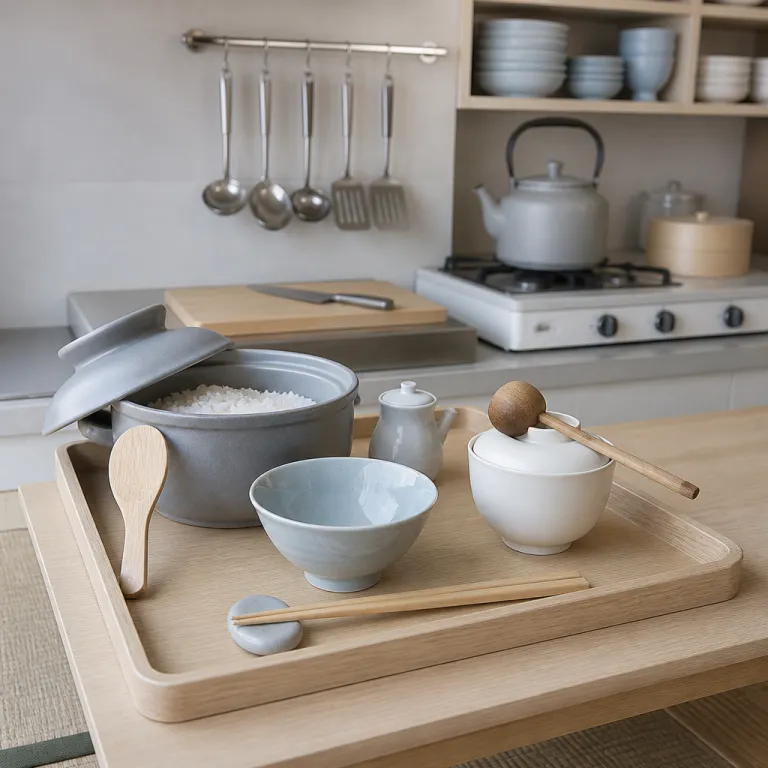
Reading the morning tray: a ryokan breakfast Japan guide for serious eaters
The first light over the garden is when a ryokan quietly shows its hand. In any thoughtful ryokan breakfast Japan guide, the morning tray is where the kitchen’s discipline, sourcing and respect for traditional Japanese technique become impossible to fake. When you stay in carefully run Japanese inns, the way your Japanese breakfast appears at the low table tells you more about the property than any lobby design ever will.
At a well run ryokan, Japanese chefs treat breakfast as a daily kaiseki in miniature. The average traditional Japanese morning spread in Japan includes around ten separate dishes, a figure echoed in Japan National Tourism Organization materials that describe the classic “ichiju-sansai” structure expanded with seasonal plates. This multi dish rhythm is what makes staying in a Japanese ryokan feel like a complete experience rather than just a place to sleep between onsen baths and travel days.
Expect steamed rice in its own lacquered bowl, miso soup fragrant with local seaweed, a grilled fish fillet, dashimaki tamago, tofu, pickles and seasonal vegetables. When you stay ryokan style in Japan, the best inns build this tray around local produce from nearby farmers and fishmongers, using clay pots, grills and steamers rather than shortcuts. That is why any honest ryokan breakfast Japan guide will tell you that the first bite of rice and the first sip of miso reveal whether the kitchen is honoring regional Japan travel traditions or simply reheating something from a central kitchen.
Timing matters as much as taste. Breakfast in Japanese inns is generally served between 7:00 and 9:00, with many ryokans asking you to choose a specific time the night before so the rice can be cooked to order, a practice also noted in regional ryokan association guides. In a classic ryokan stay, you will often eat in the same dining room or private room where dinner was served, then slip back to the onsen bath for one last soak in hot spring water before checkout.
The anatomy of a quintessential Japanese breakfast tray
Look closely at the tray and you will see a map of Japan in miniature. A serious ryokan breakfast Japan guide starts with rice, because the grain in your bowl tells you exactly how seriously the property takes its role as a guardian of traditional Japanese food culture. In Niigata, for example, a Japanese ryokan that serves freshly cooked Koshihikari rice from nearby paddies is signaling a commitment to local agriculture that you can taste in every bite.
Next comes the grilled fish, which is where regional identity becomes obvious. In Hokkaido, ryokans lean into salmon or hokke, while in Kyushu you might be served tai or mackerel that arrived from the port only hours earlier, and this contrast is what makes travel in Japan such a layered culinary experience. A ryokan onsen property that grills each fillet to order, rather than batch cooking, is quietly telling you that dinner will likely be handled with the same precision as breakfast.
Then there are the supporting dishes that complete the Japanese breakfast. Dashimaki tamago, tofu, nori, tsukemono and simmered vegetables are not decoration; they are the daily test of a kitchen’s technique and its relationship with local suppliers. When you are staying ryokan style, notice whether the tofu tastes handmade, whether the pickles still have crunch, and whether the miso soup reflects local preferences for white or red miso, because these details separate a truly traditional ryokan stay from a generic hot spring resort.
Kaiseki dinner may be the headline act, but breakfast is the daily performance. If you are weighing properties on reservation sites, remember that a ryokan that treats the morning tray as a serious culinary event usually delivers a more coherent kaiseki experience at night as well. For a deeper look at how evening meals can overshadow the room, read this analysis of the kaiseki paradox on JapaneseInnStay, which unpacks when dinner becomes the destination rather than the stay itself and cites specific multi course menus from long running inns.
Regional signatures: how place shapes the ryokan breakfast
Once you start paying attention, regional differences turn every ryokan breakfast into a quiet geography lesson. A thoughtful ryokan breakfast Japan guide should help you read these signals so your planning trip becomes a way to taste Japan’s landscapes, not just move between onsen towns. When you travel through different regions and stay in multiple ryokans, the shift in rice, miso and fish becomes one of the most rewarding parts of the experience.
In Tohoku, expect heartier flavors and miso soups that lean darker and richer, often paired with robust grilled fish and pickles that can stand up to cold mornings. Kyoto ryokans, by contrast, often serve lighter white miso soups, delicate tofu and vegetables that reflect the city’s refined temple cuisine, and this contrast makes each Japanese breakfast feel like a distilled expression of place. Down in Shikoku, citrus notes might appear in small dishes or condiments, while coastal onsen ryokan properties use the morning tray to showcase whatever came off the boats at dawn.
Seasonality is another layer that any serious Japan travel enthusiast should track. In January, for example, some mountain Japanese inns will quietly add warming dishes or heartier broths to help guests face the cold after their morning onsen bath, while summer breakfasts might lean fresher and lighter. If you are booking through reservation sites, look for menus that mention seasonal or organic ingredients, because those phrases usually indicate a kitchen that works closely with local farmers and fishmongers rather than relying on generic supply chains.
Where you eat also shapes the mood. Some high end ryokans still favor a shared dining room, while others offer in room service or small private dining spaces that feel almost like a personal restaurant, and this choice can transform a couple’s ryokan stay into a more intimate ritual. For travelers who value seclusion, JapaneseInnStay has a detailed guide to private dining in ryokan booking that explains how exclusive culinary experiences can elevate a traditional Japanese stay without losing the quiet rhythm of the morning tray.
What the details reveal: quality cues on the breakfast table
Not every ryokan breakfast is created equal, and the differences are rarely accidental. A reliable ryokan breakfast Japan guide teaches you to read the small cues that separate a kitchen with real discipline from one that is simply performing a script. Once you know what to look for, you will never see a Japanese breakfast tray the same way again.
Start with the rice, because it is the foundation of any traditional Japanese meal. Freshly cooked rice served in a warm bowl, sometimes even in a small clay pot at the table, signals that the kitchen has timed its workflow around your chosen breakfast time rather than forcing you to fit a buffet schedule. Reheated or slightly dry rice, by contrast, suggests a property that may be prioritizing volume over craft, which can echo through both breakfast and dinner.
Fish is the next tell. At a serious onsen ryokan, you will often hear or smell the grill working as you walk past the kitchen, and the fillet on your tray will show crisp skin, moist flesh and a temperature that proves it was cooked to order. When you experience ryokan breakfasts where the fish feels lukewarm or uniformly overcooked, you are likely seeing the result of batch preparation, which undercuts the promise of a carefully curated ryokan stay.
Then look at the side dishes and how they are plated. Handmade tofu with a delicate wobble, pickles that still taste of the farm, and miso soup that reflects local preferences all point to a kitchen that respects its region and its guests, while factory tofu and generic miso tell a different story. As one reference guide from a major ryokan association notes without embellishment, “What is typically included in a ryokan breakfast? Steamed rice, miso soup, grilled fish, tamagoyaki, pickles, and seasonal side dishes.”
Western options, onsen rhythms and how to book for the best breakfast
For many international guests, the first question is whether a ryokan offers Western breakfast options alongside the traditional Japanese tray. A nuanced ryokan breakfast Japan guide has to acknowledge that the presence or absence of eggs, pastries and coffee is not just about taste; it is a window into the property’s clientele strategy. A Japanese ryokan that offers both Japanese breakfasts and Western plates is usually courting a broader travel audience, while a purist inn may serve only the quintessential Japanese set.
Neither approach is inherently better. If you are planning trip details for a couple that loves food, choosing a stay ryokan experience that focuses on the full Japanese breakfast can be more rewarding, especially when paired with an evening kaiseki that tells a coherent regional story. Families or first time visitors to Japan, on the other hand, might appreciate the safety net of toast and eggs on mornings when they are still adjusting to grilled fish at 8:00.
Rhythm matters as much as menu. The classic pattern is simple: wake early, soak in the onsen bath while the hot spring steam rises, then return to your room or the dining room for breakfast before one last dip in mineral rich water and checkout. Properties with private onsen facilities in the room make this flow even smoother, turning the gap between breakfast and departure into a final, quiet chapter of your ryokan onsen story.
When you book, pay attention to how each property talks about meals. On reservation sites, look for plans that explicitly include Japanese breakfast and kaiseki dinner, and do not hesitate to inform the ryokan of dietary restrictions in advance, because “Can dietary restrictions be accommodated at ryokans? Yes, but inform the ryokan in advance to ensure suitable meal preparation.” For a deeper understanding of how a traditional ryokan differs from a more generic hot spring resort, JapaneseInnStay’s guide to what separates a traditional inn from an onsen hotel is essential reading before you choose where to stay.
FAQ
What is usually included in a traditional ryokan breakfast ?
A traditional ryokan breakfast in Japan typically includes steamed rice, miso soup, a grilled local fish, dashimaki tamago, tofu, pickles, nori and several small seasonal side dishes. Many ryokans aim for around ten separate items, creating a balanced start to the day. This structure allows ryokan chefs to showcase regional ingredients and traditional Japanese cooking techniques in a single tray.
Is a Japanese breakfast mandatory, or can I request Western dishes ?
Most ryokans default to a Japanese breakfast, especially at more traditional Japanese inns that focus on local cuisine. Some properties, particularly those used to international travel guests, also offer Western style plates such as eggs, bread and coffee. If you prefer Western dishes, mention this when you make your reservation so the ryokan can confirm what is possible.
How early is breakfast served at ryokans in Japan ?
Breakfast at ryokans is generally served in the morning window between 7:00 and 9:00. Guests usually choose a specific time the night before, which allows the kitchen to cook rice and grill fish to order. This timing also fits the classic rhythm of an early onsen bath, breakfast, then a final soak before checkout.
Where do guests usually eat breakfast during a ryokan stay ?
Depending on the property, breakfast may be served in a shared dining room, in a semi private dining area or directly in your room on low tables. More traditional Japanese inns often favor in room service, which lets staff quietly lay out futons after dinner and reset the space for the morning tray. Larger onsen ryokan resorts sometimes use dedicated dining rooms to handle more guests while still presenting a full Japanese breakfast set.
How should I handle dietary restrictions when booking a ryokan ?
The most important step is to communicate clearly before you arrive. When you book through reservation sites or directly with the ryokan, explain any allergies, religious restrictions or preferences in detail, ideally in writing. This advance notice gives the kitchen time to adjust the Japanese breakfast and kaiseki dinner menus without compromising the overall experience.