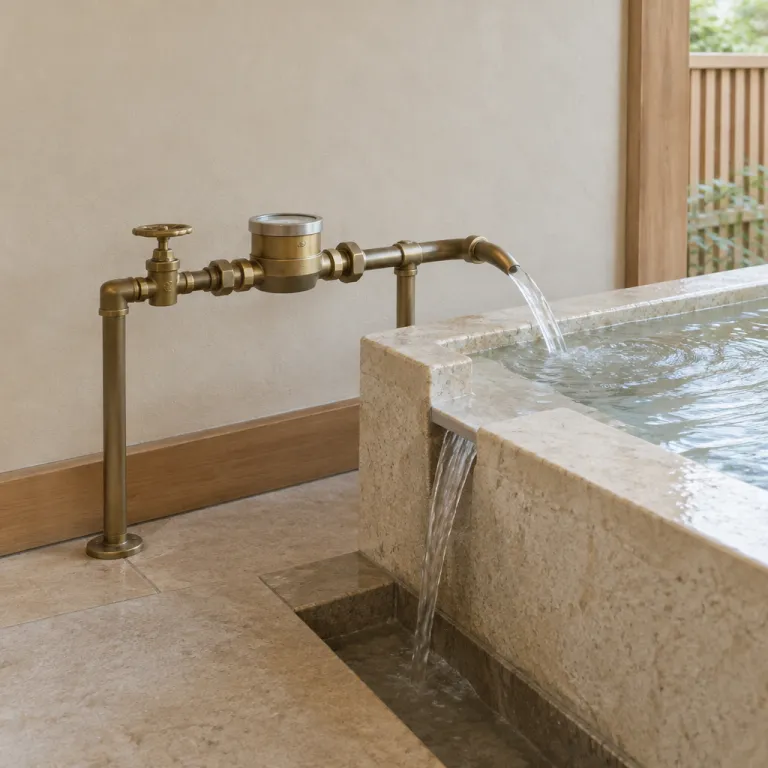
What kakenagashi really means for your bath and for the spring
Step into a quiet onsen in Japan and the first thing you notice is the temperature of the hot water against your skin. In a ryokan that advertises gensen kakenagashi, that hot spring flow comes straight from the source, with mineral-rich onsen water running continuously through the baths before spilling away. For many serious bathers, this free flowing purity is the gold standard of bathing culture and the main reason they cross prefecture lines for a single soak.
In practice, kakenagashi means the spring water is not mechanically recirculated, not mixed back into the bath water after filtration, and not stabilized with chlorine in the way many public baths generally operate. The onsen water experience feels softer on the body, carries a more distinct mineral scent, and often leaves the skin with that unmistakable post bath glow that regular hot springs fans chase across springs Japan. For guests comparing onsen waters on reservation sites, the phrase gensen kakenagashi signals both authenticity and a certain uncompromising attitude toward the natural hot spring.
There is a catch, and it runs beneath the surface of every onsen ryokan that offers free flowing hot water from the mountain. Continuous flow means continuous extraction, and the more popular the ryokan onsen becomes, the more pressure the hot spring source endures over time. When you read kakenagashi on a sign in an onsen Japan property, you are also reading a quiet promise about how that ryokan will balance guest expectations with the long term health of the springs.
The resource reality behind pure onsen water and endless flow
From a sustainability perspective, kakenagashi onsen sustainability water is less about romance and more about arithmetic. Every minute, hot water leaves the hot spring source, passes through the baths, and exits as wastewater that must be treated under local rules in each prefecture. Onsen operators work with water meters, thermal sensors, and accounting systems to understand how much spring water they can use without compromising the long term stability of their hot springs.
Free flowing systems consume more onsen water than recirculated baths, and that volume translates into wastewater tariffs and energy costs that shape room rates at many ryokan. A sustainability cost analysis typically looks at flow measurement, energy cost modelling, and wastewater tariff analysis to understand the full impact of keeping bath water constantly fresh. One study comparing free flowing and recirculating facilities reported that the annual chemical cost differential free-flowing vs recirculating is 300000 ¥, which helps explain why some onsen ryokan quietly shift toward partial recirculation while still highlighting their natural hot spring credentials; this figure is consistent with ranges cited in industry briefings by prefectural hot spring associations.
Heat is the other part of the kakenagashi onsen sustainability water equation, because not every spring in Japan emerges at perfect bathing temperature. Some springs Japan wide are so hot that operators must cool the onsen waters with ambient air or added cold water, while others in cooler regions need supplemental heating to keep the baths comfortable. When you read about government support for onsen resource protection or about Japan onsen upgrade funds, such as those discussed in analyses of green ryokan subsidies, much of that policy work is aimed at helping properties manage this energy and water balance more responsibly.
Source protection, overuse risk and how towns like Beppu respond
Across onsen towns in Japan, from Hokkaidō to Kyūshū, the tension between kakenagashi purity and resource limits is becoming sharper. Beppu in Ōita Prefecture is a useful case study, because the city sits on one of the highest concentrations of hot springs in the country and has long marketed the variety of its baths. In Beppu onsen districts, you will find everything from simple public baths fed by single hot spring sources to elaborate ryokan onsen complexes that pipe spring water across several facilities.
When too many properties draw heavily on the same hot spring field, pressure can drop and water temperature can shift, which threatens both the health benefits and the long term viability of the springs. Regulatory agencies and local governments now work more closely with onsen operators to monitor flows, using regular reporting cycles to track how much hot water each property uses and how that affects the shared resource. One verified data point often cited in policy discussions is the number of onsen sources in Japan is 28000 sources, which underlines how many individual springs must be managed carefully to keep the overall system stable; this figure appears in statistics published by the Japan Tourism Agency and the Hot Springs Research Institute of Kanagawa Prefecture.
For travelers, this means that kakenagashi onsen sustainability water is not just a property level issue but a town wide conversation that shapes how future baths will feel. In places like Beppu onsen and other dense springs Japan clusters, you may notice more signage about source protection, or explanations of why some baths are now partially recirculated during peak seasons. Guides to identifying genuinely sustainable ryokan stays increasingly highlight how clearly a property explains its relationship with the local hot springs, not only how photogenic the baths look on social media.
How luxury ryokan balance purity, cost and honest disclosure
High end onsen ryokan know that their guests care deeply about the feel of the water on the body, but they also face rising costs for energy, wastewater treatment, and maintenance. In response, many properties now operate a mix of kakenagashi and recirculated baths, reserving the purest free flowing onsen waters for a few key facilities such as open air rotenburo or private suites. Other baths on the same site may use a blend of spring water and heated tap water, or rely on discreet filtration systems to reduce the need for constant replenishment.
From a guest perspective, the important question is not whether a ryokan uses technology, but how transparently it explains the system behind each bath. Responsible properties in Japan onsen regions generally label which baths are gensen kakenagashi, which are partially recirculated, and whether any chlorine is used to maintain public baths that see heavy daily bathing traffic. When you browse reservation sites, look for room and bath descriptions that specify hot spring source details rather than vague references to natural hot water, because precise language usually signals a more serious approach to both health benefits and sustainability.
Regulatory agencies encourage this clarity, and one official guidance captures the spirit of current enforcement by stating : "Check facility notices for added water/heat/recirculation", "Avoid claims without disclosure", "Ask about wastewater treatment fees". For travelers who care about kakenagashi onsen sustainability water, this means you can and should expect a luxury ryokan onsen to share basic information about its springs, its bath water management, and its long term plans for protecting the source. Independent reviews and curated platforms such as Japaneseinnstay.com increasingly factor this level of disclosure into their assessments of what counts as a truly sustainable onsen Japan experience.
How to be a discerning guest without being a nuisance
As a solo traveler booking a stay in an onsen ryokan, you sit at the end of the sustainability chain, but your questions still matter. Before you reserve, read the property page carefully and look for clear explanations of the hot spring source, the type of baths, and whether any kakenagashi onsen sustainability water practices are mentioned. When reservation sites do not provide this level of detail, a short email asking which baths are free flowing and how the ryokan manages its hot springs can signal that guests value transparency.
On arrival, you can usually learn more from the in room information or from a brief conversation with staff, ideally at a quiet moment rather than during peak check in. Thoughtful questions focus on understanding rather than challenging, such as asking whether all baths use the same spring water, whether any baths are cooled with added cold water, or how the property handles wastewater treatment in that prefecture. Many onsen operators are proud of their systems and will happily explain how they balance the feel of the water on your skin with the need to protect the springs for future baths.
Planning your trip around shoulder seasons can also reduce pressure on popular springs Japan wide, and guides to shoulder season ryokan value often highlight how quieter periods improve both the bathing experience and the environmental footprint. When you compare Japan onsen options, consider not only the beauty of the baths but also how each property talks about onsen waters, health benefits, and long term stewardship. In the end, choosing a ryokan that treats kakenagashi onsen sustainability water as a shared responsibility rather than a marketing slogan is one of the most meaningful decisions you can make as a guest.
FAQ
What is gensen kakenagashi in an onsen context ?
Gensen kakenagashi refers to hot spring baths where fresh onsen water flows continuously from the source into the tub and then out as wastewater without being recirculated. The bath water is not mixed back in after filtration and is generally not stabilized with chlorine, which preserves more of the natural minerals and texture. For many guests, this creates a softer feel on the body and a stronger sense of connection to the underlying hot spring.
Is kakenagashi legally defined in Japan ?
There is currently no strict legal definition of kakenagashi in Japanese hot spring law, which means the term is handled mainly through advertising and consumer protection rules. Regulatory agencies focus on whether facilities describe their baths accurately, especially when they claim free flowing or 100 percent source water. This is why guests are encouraged to read facility notices carefully and to ask staff if any added water, heat, or recirculation is involved.
Why is free flowing onsen water more expensive to operate ?
Free flowing systems use a larger volume of spring water, which increases both the cost of wastewater treatment and the energy required to keep the hot water at a stable bathing temperature. Operators also save less on chemicals, because they are not recirculating and treating the same bath water repeatedly. These combined costs often make kakenagashi baths a premium feature within a ryokan, reserved for certain facilities or room types.
How can I tell if a ryokan is managing its hot springs sustainably ?
A responsible ryokan onsen will usually provide clear information about its hot spring sources, which baths are gensen kakenagashi, and how it handles wastewater and energy use. Transparent signage, detailed explanations on reservation sites, and staff who can answer basic questions about the springs are all positive signs. You can also look for properties that participate in local conservation efforts or that are highlighted in independent guides to sustainable stays in Japan.
What questions can I ask without offending the onsen staff ?
Polite, focused questions about the springs and baths are generally welcome, especially when asked at a calm moment. You might ask which baths use pure spring water, whether any baths are cooled or heated beyond the natural temperature, or how the property ensures the long term health of its hot springs. Framing your curiosity as appreciation for the onsen tradition usually leads to open, informative conversations.