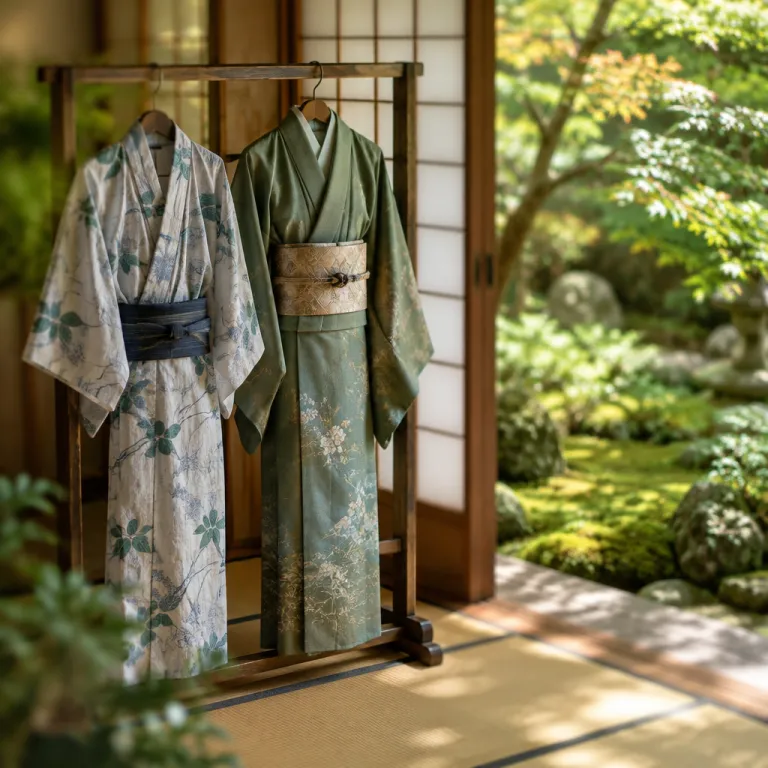
Why the difference between yukata and kimono matters for your ryokan stay
When you arrive at a luxury traditional Japanese inn in Japan, the first thing you often see in your room is a neatly folded yukata on the tatami. Many guests immediately ask about the difference between this light robe and the more structured kimono worn by staff or other guests during formal occasions. Understanding the differences between these two pillars of traditional Japanese clothing helps you feel confident, respectful, and fully present in the cultural experience.
From a hospitality perspective, the main difference between yukata and kimono shapes how you move through shared spaces, from the kaiseki dinner room to the open air onsen baths. A yukata worn inside the inn signals relaxed, casual comfort, while a formal kimono worn by staff or performers communicates ceremony, precision, and a higher level of ritual. Luxury ryokan in Kyoto, Kanazawa, and Hakone curate these clothing articles carefully, using fabrics, colours, and accessories to guide guests through the rhythm of the stay.
In practice, people wear the inn’s yukata as semi formal loungewear, suitable for walking between your room, the hot spring, and sometimes even nearby shops. By contrast, a type of formal kimono worn by a tea ceremony host or by a bride at a shrine wedding is reserved for highly formal occasions and never used as casual resort wear. When you understand the differences between these garments, you read the visual language of Japanese fashion more clearly and participate in the inn’s etiquette with ease.
Materials, weight, and comfort between yukata and kimono
For travellers, the most tangible difference between yukata and kimono is how each garment feels against the skin. A yukata worn in a hot spring resort is usually made from breathable cotton or a cotton linen blend, which keeps you cool during the humid summer months. By contrast, a formal kimono worn for ceremonies uses silk, wool, or other refined fabrics that drape heavily and insulate the body, making them less suited to summer heat but ideal for structured silhouettes.
Textile specialists note that the sleeve length difference between many formal kimono and standard yukata can be substantial, often in the range of several hand widths, which changes both movement and visual impact. Industry comparisons also suggest that a typical yukata is noticeably lighter than a similar sized kimono, a detail you feel immediately when walking through long ryokan corridors. These practical differences between fabrics and construction explain why people wear yukata kimono style robes for relaxation, while inn staff reserve the more complex type of kimono for greeting guests or hosting semi formal tea services.
When you stay in a refined inn in Kyoto or in a design focused ryokan in Osaka, you may notice that men and women receive slightly different patterns and weights. Men often receive darker, straighter cut Japanese clothing, while women receive softer colours and sometimes slightly longer sleeves, though both are still casual yukata worn for comfort. If you are curious about how these choices relate to broader inn culture, reading about Osaka’s ryokan scene and what a city built on street food teaches about inn culture at this in depth guide to Osaka ryokan culture can frame how clothing and hospitality intersect.
When to wear yukata and when to wear kimono at an inn
Guests often worry about when to wear yukata and when a more formal kimono might be expected during a luxury stay. In almost every traditional Japanese inn, the yukata worn in your room is the default clothing for moving around the property, from the lobby to the onsen and even to dinner unless the inn specifies otherwise. This casual garment bridges the gap between loungewear and semi formal resort attire, allowing people wear something both relaxed and culturally appropriate.
By contrast, a formal kimono worn by guests usually appears only during very specific formal occasions, such as a family celebration, a coming of age ceremony, or a private tea gathering hosted in the inn’s tearoom. In those cases, the difference between yukata and kimono becomes visually striking, because the structured layers, obi belt, and accessories of the kimono signal a higher level of ritual. Staff will often wear kimono or a hybrid of Japanese clothing and Western uniforms, helping guests read the hierarchy between casual and ceremonial spaces.
For travellers who want to deepen their connection to traditional Japanese aesthetics, some inns offer rental plans where men and women can wear kimono for a stroll through nearby streets or temples. Others focus on enhancing the comfort of the inn provided yukata, using cool waves cotton linen fabrics that breathe beautifully in summer. To understand how a thoughtfully designed robe can transform your stay, explore this detailed article on how a cool waves cotton yukata robe elevates your stay in a traditional Japanese inn at this guide to elevated yukata comfort.
Styling, accessories, and etiquette between kimono and yukata
Once you understand the structural difference between yukata and kimono, the next layer is styling and etiquette. A yukata worn in a ryokan is usually paired with a simple obi sash, light socks or bare feet, and sometimes wooden geta sandals for short walks outside. The accessories remain minimal, reinforcing the casual nature of this type of Japanese clothing and keeping movement easy on tatami floors.
In contrast, a formal kimono worn for weddings, tea ceremonies, or high level dinners involves a more elaborate set of accessories, including an obi with padding, decorative cords, hair ornaments, and often a structured handbag. These accessories transform the kimono yukata spectrum from relaxed resort wear into a statement of status, season, and occasion, especially in cultural hubs like Kyoto where local Japanese fashion traditions remain strong. The differences between these ensembles help guests immediately see whether a gathering is casual, semi formal, or fully ceremonial.
At a luxury inn, staff will usually explain how to wear yukata correctly, ensuring the left panel wraps over the right, which is the standard for living people in Japan. They may also advise when not to wear kimono or yukata, such as in certain high end restaurants that require Western formalwear. If you wish to shop for your own garments after your stay, many inns can recommend a nearby shop that specialises in traditional Japanese clothing articles for both men and women, including entry level yukata and more investment focused type of kimono.
Regional nuances from Kyoto to rural onsen towns
The difference between yukata and kimono also shifts subtly between regions, which you will notice as you travel between Kyoto, Tokyo, and rural onsen towns. In Kyoto, where traditional Japanese arts such as tea ceremony and classical dance remain central, people wear formal kimono more frequently for cultural events and shrine visits. Here, the line between casual yukata worn at summer festivals and structured kimono worn for formal occasions is especially visible on streets near Gion and Higashiyama.
In smaller hot spring villages across Japan, the yukata kimono style robe becomes almost a uniform for guests wandering between inns, bathhouses, and riverside promenades. During the summer months, entire streets can feel like moving galleries of Japanese clothing, with men and women in coordinated inn patterns, light cotton linen fabrics, and simple accessories. The differences between patterns often indicate which inn a guest is staying at, turning clothing into a subtle map of local hospitality culture.
Urban luxury inns sometimes blend these traditions with contemporary Japanese fashion, offering monochrome yukata worn with modern sandals or pairing kimono inspired jackets with Western garments. Whether you stay in Kyoto or in a design forward city inn, asking staff about the story behind their chosen type of kimono or yukata can open conversations about regional identity. For a deeper sense of how sensory rituals like tea, fragrance, and textiles come together, this refined guide to Japanese herbal tea at luxury traditional Japanese inns at a detailed herbal tea guide shows how clothing and beverage rituals share the same attention to season and mood.
Practical booking tips: choosing inns that honour traditional clothing
When you book a luxury traditional Japanese inn online, paying attention to how the property handles the difference between yukata and kimono can help you choose the right experience. Look for descriptions that mention high quality fabrics, such as breathable cotton linen yukata worn in guest rooms and public spaces, rather than generic robes. Properties that highlight formal kimono worn by staff during greeting ceremonies or dinner service usually place strong emphasis on cultural authenticity and guest immersion.
Many premium booking platforms now include detailed photos of Japanese clothing provided by each inn, allowing you to compare patterns, colours, and accessories before you reserve. If you see images where men and women wear yukata confidently in lobbies, gardens, and dining rooms, you can assume the inn has clear guidance on etiquette and comfort. Some listings even explain the differences between the type of kimono used by staff and the more casual yukata worn by guests, which is especially helpful for first time visitors to Japan.
Before confirming your stay, read whether the inn offers rental or purchase options through an on site or partner shop, especially in Kyoto where kimono culture is strong. This can be an excellent way to transition from wearing the inn’s yukata to owning a personal garment that reflects your taste in Japanese fashion. When you arrive, do not hesitate to ask staff when to wear kimono versus when to wear yukata, because their guidance ensures you move gracefully between casual relaxation, semi formal dinners, and any special ceremonies hosted during your stay.
Expert insight on fabrics and occasions for yukata and kimono
For travellers who want a concise framework, textile and fashion research offers a clear summary of the difference between yukata and kimono. One expert explanation states, “Yukata uses cotton or synthetic; kimono uses silk, wool, fine fabrics” and continues, “Yukata in summer festivals; kimono at formal ceremonies”. This pairing of fabrics and occasions aligns closely with how luxury inns in Japan structure their guest experiences around climate, season, and the emotional tone of each moment.
In practice, this means a yukata worn in a hot spring resort is optimised for the summer months, when people wear lighter Japanese clothing to stay comfortable between baths and meals. The same guest might choose a formal kimono worn for a family portrait in Kyoto or for a visit to a shrine, where the heavier fabrics and layered structure feel appropriate to the gravity of the occasion. The differences between these garments are not only visual but also deeply tied to how traditional Japanese culture balances ease and ceremony.
For men and women planning a multi night itinerary across Japan, it can be helpful to think of yukata kimono style robes as your casual, inn based wardrobe, and the more structured type of kimono as your option for formal occasions or semi formal cultural experiences. When booking, check whether each inn provides yukata worn in multiple sizes and whether they can arrange access to a specialist shop for higher end clothing articles. This approach lets you move fluidly between the relaxed intimacy of your ryokan and the more public, ceremonial spaces where Japanese fashion expresses its most refined forms.
Key figures on yukata and kimono in luxury inn culture
- Studies comparing garment construction report that the sleeve length difference between many standard yukata and formal kimono can be roughly in the range of several tens of centimetres, which significantly affects how the fabric moves when guests walk through long inn corridors (fashion studies, comparative analysis).
- Textile comparisons indicate that a typical yukata is often a few hundred grams lighter than a similar sized kimono, a weight difference that becomes especially noticeable in humid onsen regions where guests wear the robe for several hours at a time (textile comparison, industry data).
- Luxury ryokan in major destinations such as Kyoto and Hakone commonly provide at least two sizes of yukata for both men and women, ensuring that the vast majority of guests can wear a properly fitted robe without advance measurements (hospitality operator surveys, national tourism reports).
- Industry observations from Japanese inn associations suggest that many high end properties now photograph their provided Japanese clothing for booking platforms, because listings with clear yukata images tend to see higher engagement and longer on site browsing times (hospitality marketing analyses).
FAQ about the difference between yukata and kimono at traditional Japanese inns
What is the main difference between yukata and kimono for guests at an inn ?
For guests, the main difference between yukata and kimono is formality and function. The yukata worn in your room is casual, lightweight Japanese clothing designed for relaxation and movement around the property. A formal kimono worn by staff or by guests at ceremonies is heavier, more structured, and reserved for clearly defined formal occasions.
Can men and women both wear yukata inside and outside the inn ?
Yes, both men and women wear yukata provided by the inn, usually within the property and sometimes in nearby streets if the area is accustomed to ryokan guests. The patterns and cuts may differ slightly between men’s and women’s clothing articles, but the casual purpose remains the same. Staff will advise if there are any spaces where you should not wear yukata, such as certain high end restaurants.
Is it acceptable to wear kimono instead of yukata at a luxury ryokan ?
It is acceptable to wear kimono at a luxury ryokan, especially if you are attending a semi formal or formal event such as a tea ceremony or family celebration. However, most inns still expect guests to use the provided yukata worn for everyday movement between baths, lounges, and dining rooms. If you plan to wear kimono, inform the inn so they can advise on timing, weather, and any regional customs.
How can I tell if an inn takes traditional clothing seriously when booking online ?
When browsing a booking website, look for detailed photos and descriptions of the Japanese clothing provided, including mentions of cotton linen fabrics, multiple sizes, and clear guidance on when to wear kimono or yukata. Inns that highlight formal kimono worn by staff and carefully designed yukata for guests usually invest more in cultural authenticity. Reading guest reviews that mention comfort, fit, and the pleasure of wearing yukata around the property can also signal a strong clothing program.
Should I buy my own yukata or kimono during my trip to Japan ?
Buying your own yukata or kimono can be a meaningful way to extend the experience of staying in a traditional Japanese inn. Many properties, especially in Kyoto and other cultural centres, can recommend a reputable shop where people wear and try on different types of kimono and yukata with expert guidance. Starting with a casual yukata is often easier for travellers, while investing in a formal kimono makes sense if you plan to attend ceremonies or deepen your engagement with Japanese fashion over time.