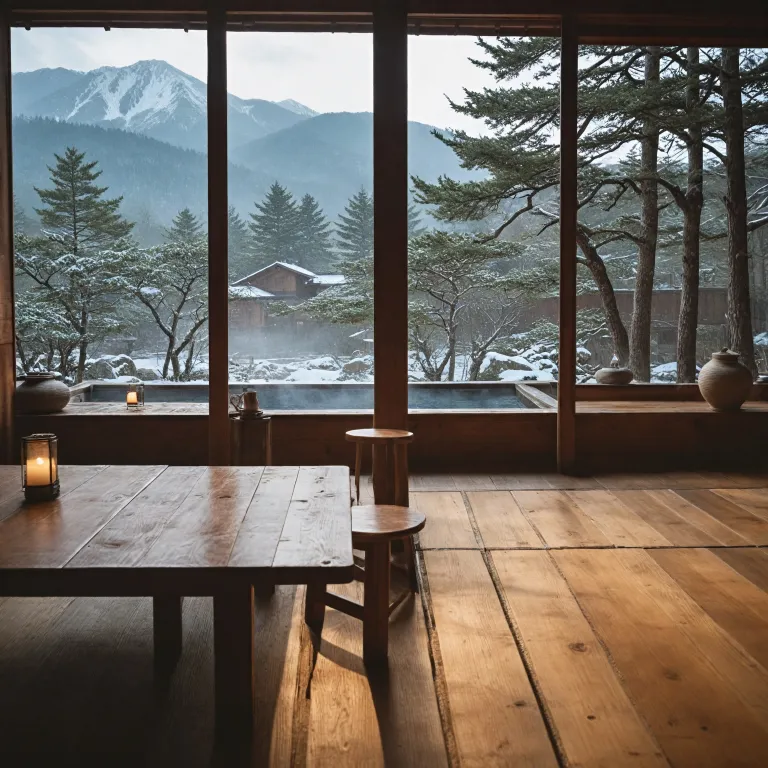
Takayama ryokan elegance in the heart of the Japanese Alps
In the mountain air of Takayama, a ryokan stay feels quietly transformative. This compact city in Takayama Gifu Prefecture blends preserved streets, refined cuisine, and hot spring culture into one seamless experience for guests. For travelers comparing each type of accommodation, a luxury Takayama ryokan offers a different rhythm from a standard hotel, with tatami rooms, kaiseki dinners, and attentive hosts shaping every moment.
Set within Takayama city, many ryokans stand close to the Old Town yet feel worlds away. Historic Kaminaka Ryokan, built in the nineteenth century and now a registered cultural property of Japan, exemplifies how traditional Japanese architecture and hospitality can coexist with discreet modern comforts. These traditional Japanese inns preserve tatami-matted rooms and futon bedding, while adding heating, Wi-Fi, and refined bathrooms that meet expectations of premium travelers from Tokyo Kyoto and beyond.
Luxury minded guests often compare rooms and reviews before choosing where to stay in hida Takayama. Some ryokans Takayama side, such as Takayama Kanko Hotel and Hoshokaku, sit on hills above the city center, pairing Japanese style rooms with sweeping valley views. Others, like Ryokan Asunaro near Takayama Station, prioritize a short minute walk from trains, making it easier to check in, drop luggage, and step straight into the Old Town for an immediate traditional Japanese immersion.
Choosing the right type of Takayama ryokan for your stay
Selecting the right type of Takayama ryokan begins with clarifying how you like to travel. Some guests want a quiet onsen ryokan focused on hot spring rituals, while others prefer a property closer to Takayama Station and the city center for easy sightseeing. Reading previous reviews excellent and average alike helps you understand whether a ryokan emphasizes cuisine, design, or onsen facilities.
Traditional Japanese ryokans in Takayama generally offer several room categories, from compact tatami rooms for solo guests to spacious suites for families or groups. When comparing rooms, check whether your room includes a private bath, an open air tub, or access only to shared spring baths. Many premium ryokans Takayama wide now feature a mix of Western beds and futons, so you can choose the sleeping style that best suits your comfort and previous experience.
Location also shapes your stay in hida Takayama, especially if you plan day trips. A ryokan Takayama on a hill, such as Takayama Kanko Hotel or Hoshokaku, offers panoramic views and quieter nights, while a property like Ryokan Asunaro places you within a short minute walk of Takayama Station and the Old Town. For travelers arriving from Tokyo Kyoto by rail, staying near the station reduces transfer time and makes it easier to check in, relax in your room, and then explore the city center on foot.
Onsen culture, hot spring baths, and open air relaxation
For many travelers, the highlight of a Takayama ryokan stay is the onsen experience. Natural hot spring water, rich in minerals, flows into indoor pools and open air baths that frame the surrounding hida mountains. Properties such as Takayama Kanko Hotel and other onsen ryokan retreats around Takayama onsen areas use these hot spring sources to create serene spring baths for guests.
When you check the details of each ryokan, pay attention to how the onsen facilities are arranged. Some ryokans Takayama side offer gender separated indoor and open air pools, while others add private hot spring baths that can be reserved by the hour. The water is typically hot but soothing, and many previous guests mention in reviews that an evening soak before returning to your room becomes a cherished ritual.
Onsen Takayama etiquette is straightforward once you understand the basics of Japanese bathing culture. Guests wash thoroughly before entering the hot spring, soak quietly without splashing, and then dry off before returning to the tatami rooms. If you prefer more privacy, look for a ryokan Takayama with in room baths or book a property where certain rooms feature private open air tubs, allowing you to enjoy the hot spring under the sky with only the sound of the wind over Takayama city.
Signature ryokans in Takayama and what sets them apart
Several standout ryokans in Takayama illustrate the range of luxury and premium experiences available in this part of Japan. Kaminaka Ryokan, established in the nineteenth century, is a tangible cultural property that immerses guests in traditional Japanese architecture while still providing carefully updated comforts. Its rooms showcase wooden beams, sliding shoji, and tatami floors that reflect the heritage of hida craftsmanship.
Ryokan Asunaro, located about a six minute walk from Takayama Station, appeals to travelers who value both convenience and atmosphere. Guests praise its classic design, regional cuisine, and warm staff in many reviews, often noting that the short walk from trains makes arrival from Tokyo Kyoto connections especially smooth. For those seeking more elevated views, Takayama Kanko Hotel and Hoshokaku sit on hills above the city center, pairing onsen facilities with vistas over Takayama city and the surrounding mountains.
While ryokan gizan is sometimes mentioned in traveler discussions about the region, the core cluster of renowned ryokans Takayama offers includes these historic and hillside properties. Each ryokan Takayama option balances traditional Japanese aesthetics with modern amenities, from climate control in rooms to multilingual support for international guests. When you check online reviews excellent and critical, focus on comments about room size, hot spring quality, and staff attentiveness, as these factors most strongly shape the overall guest experience.
Planning your stay, pricing, and what to expect as a guest
Planning a stay at a Takayama ryokan requires more attention to detail than booking a standard hotel. Room rates usually include both dinner and breakfast, so when you compare prices per night adults, remember that you are also paying for multi course kaiseki meals and access to hot spring baths. Many ryokans Takayama wide adjust their pricing by season, with higher rates during the famous Takayama Festival in spring and autumn.
Before you check in, review the schedule for meals, onsen hours, and any transport between Takayama Station and the property. Some ryokan Takayama options offer shuttle services from the station, while others expect guests to walk or take a short taxi ride to the city center or hillside location. When you arrive, staff typically guide you to your room, explain how to wear the yukata, and outline how to use the spring baths and open air facilities.
As a guest, you can expect a structured yet relaxed rhythm to each day. Afternoons might be spent exploring hida Takayama streets, then returning to your room to change before dinner and a soak in the hot spring. Previous guests often mention in reviews that this pattern of walking, dining, and bathing creates a restorative experience that feels distinct from stays in other parts of Japan, and resources such as this refined guide to yokai themed ryokan stays offer additional cultural context for thoughtful travelers.
Digital booking, reviews, and building trust for luxury ryokan stays
For international travelers, the main challenge with booking a Takayama ryokan online is interpreting subtle differences between properties. Many onsen ryokan listings use similar language about hot spring baths, traditional Japanese rooms, and regional cuisine, so detailed reviews become essential. When you read previous guest comments, look for specific mentions of room cleanliness, onsen temperature, and staff responsiveness rather than only overall scores.
Luxury and premium booking platforms now highlight verified reviews excellent and moderate to help travelers make informed choices. Pay attention to how often guests mention the same strengths or weaknesses, such as noise levels in certain rooms or the quality of the hot spring water. Cross checking information between the official ryokan website and independent reviews also helps you confirm whether amenities like open air baths, private onsen, or shuttle services from Takayama Station are currently available.
Because some staff in Takayama city may speak limited English, clear pre arrival communication is important, especially for dietary needs or mobility concerns. Many ryokans Takayama side now provide online forms in English, and translation tools can bridge remaining gaps for guests arriving from Tokyo Kyoto or overseas. By combining careful research, transparent reviews, and direct communication, travelers can approach each ryokan Takayama booking with confidence that their hot spring stay in hida will align with their expectations for comfort, authenticity, and attentive Japanese hospitality.
Key figures about Takayama and its traditional hospitality
- Population of Takayama city : 81 968 people, reflecting a relatively small yet vibrant regional hub in the Japanese Alps.
- Total area of Takayama city : 2 177.61 km², giving the destination a low population density and a strong sense of space around the historic center.
Essential questions about staying in a Takayama ryokan
What is a ryokan?
A ryokan is a traditional Japanese inn featuring tatami-matted rooms, communal baths, and local cuisine.
Are ryokan accommodations suitable for families?
Yes, many ryokan offer family-friendly amenities and experiences.
Do ryokan in Takayama offer private onsen baths?
Some ryokan provide private onsen baths; it's advisable to check with the specific establishment.
Is English spoken at ryokan in Takayama?
While some staff may speak English, it's helpful to know basic Japanese phrases or have a translation app.
What is the best time to visit Takayama?
Spring and autumn are popular due to the Takayama Festival and pleasant weather.
