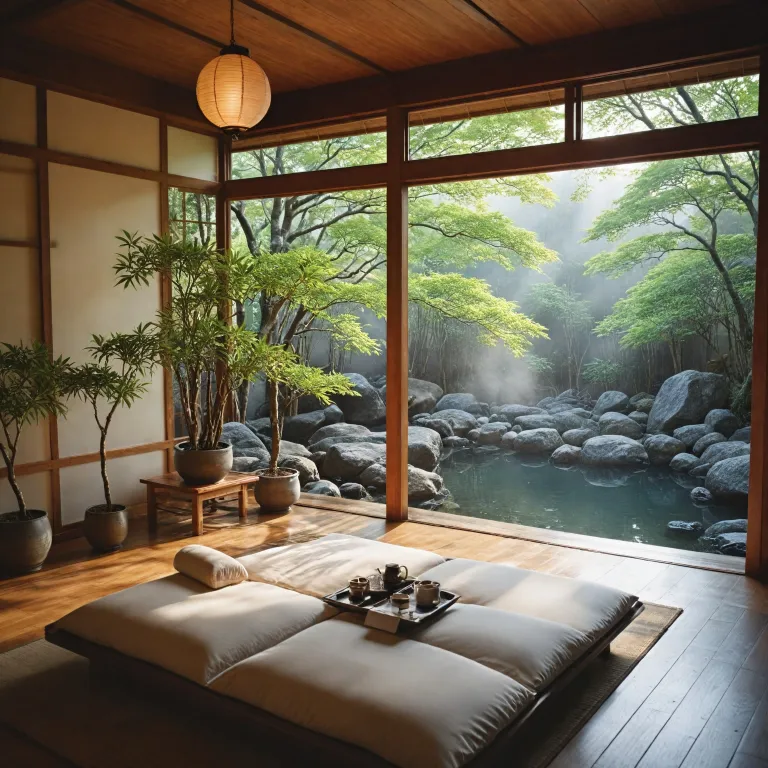
Immersive elegance at kusatsu onsen ryokan in the heart of Gunma
Kusatsu sits high in Gunma Prefecture, where hot water steams through streets and seasons. This mountain town in Japan is defined by its powerful hot spring sources, which feed ryokans and public baths with mineral rich onsen kusatsu water flowing at an exceptional natural rate. With more than one hundred hot spring sources in Kusatsu, guests encounter a rare combination of scale, purity, and traditional Japanese hospitality that shapes every stay in a kusatsu onsen ryokan.
At the centre of town, the iconic yubatake hot water field releases clouds of steam, carrying the sharp scent of sulfur through the air. Around this water field, ryokans Kusatsu cluster in quiet lanes, offering Japanese style rooms, tatami floors, and sliding shoji screens that filter soft light into each style room. From classic ryokan Kusatsu properties to more contemporary accommodations Kusatsu, travellers can choose between deeply traditional Japanese interiors or refined modern interpretations that still honour local customs.
Many ryokans in Kusatsu channel hot spring water directly from the source into indoor baths and open air baths, ensuring a constant flow rather than recirculated pools. The result is a sequence of hot baths and cooler air baths on terraces, where guests move between temperatures and textures while watching snow fall or summer mist drift across the hills. For travellers using a luxury booking website, the key is to read carefully how each ryokan describes its onsen, private bath options, and room categories, then match these details to personal rituals and comfort levels.
Signature ryokans around the yubatake and how to book them well
Near the yubatake hot spring field, Kusatsu Onsen Ryokan Boun exemplifies the classic kusatsu onsen ryokan experience with six distinct bathhouses. Fed by two separate hot spring sources, its baths include both indoor pools and open air baths framed by stone, lanterns, and carefully pruned greenery that echo traditional Japanese garden design. When browsing a premium booking website, look for clear descriptions of these multiple spring baths, as each bath offers different temperatures, depths, and atmospheres for guests.
Ryokan Tamura, also close to the yubatake, draws its hot water from Jizo no Yu, a source known for highly acidic, antibacterial properties. Here, the focus is on intimate baths and Japanese style rooms where the scent of tatami mingles with the faint mineral fragrance rising from the onsen Kusatsu pools. For travellers who value privacy, a luxury platform should highlight which ryokan Kusatsu properties offer private baths or reservable open air baths, allowing guests to enjoy a spring bath without sharing the space.
Kusatsu Onsen Eidaya, a renovated inn with only eleven style rooms, blends modern comforts with traditional Japanese elements and offers both public and private baths. When planning a Japanese escape with a private onsen, consult specialised guidance on booking a ryokan with exclusive hot spring access to understand how private bath time slots, room categories, and seasonal demand affect availability. On any high end booking website, filter results by accommodations Kusatsu that specify open air baths attached to rooms, then confirm whether the hot water is continuously flowing or time controlled.
Balancing heritage and innovation at leading kusatsu onsen ryokan
While many ryokans Kusatsu preserve centuries old architecture, the region also embraces innovation that respects tradition. KAI Kusatsu, a modern onsen ryokan scheduled to open with a private tunnel linking the hot spring town to the inn, illustrates how contemporary design can coexist with classic Japanese style hospitality. Its Silk Art Rooms pay homage to Gunma’s silk heritage, creating style rooms where textiles, lighting, and art echo local craft while still framing views of hot spring steam and mountain air.
In contrast, Kusatsu Onsen Kiyoshigekan sits slightly away from the centre, offering quieter surroundings and 100 percent natural onsen baths, including private options. This ryokan Kusatsu appeals to guests who prefer a more understated Japanese style room, where the focus rests on the quality of the hot spring bath rather than elaborate décor. On a luxury booking website, such properties may appear under modest imagery, yet their air baths and open air baths can feel exceptionally exclusive when guest numbers are limited.
For travellers seeking refined value, curated platforms often highlight exclusive ryokan deals in Japan that combine half board kaiseki dinners, access to multiple spring baths, and late checkout. Resources detailing exclusive ryokan offers with private onsen and authentic hospitality can help guests compare inclusions beyond the room rate. When evaluating accommodations Kusatsu, pay attention to whether the plan includes access to all baths, the possibility of reserving a private spring bath, and any seasonal menus that showcase local ingredients from Gunma.
Understanding rooms, baths, and air in a kusatsu onsen ryokan
Choosing the right room and bath configuration is central to any stay in a kusatsu onsen ryokan. Traditional Japanese style rooms typically feature tatami flooring, futon bedding laid out each evening, and low tables where tea is served, while some style rooms add Western beds for guests who prefer a softer mattress. On premium booking websites, look for clear labels such as Japanese style, mixed style rooms, or Western rooms, and confirm whether your room includes a private bath, an open air bath, or only access to shared spring baths.
Many ryokans Kusatsu offer a combination of large communal baths, smaller indoor pools, and open air baths that frame the surrounding landscape. The interplay between hot water and cool mountain air is essential, as guests move from steaming spring baths into crisp air baths on terraces or verandas, allowing the body to adjust gradually. When descriptions mention open air baths, verify whether they are gender separated, mixed, or reservable for private use, especially if you are travelling as a couple or family seeking privacy.
Some accommodations Kusatsu provide rooms with attached open air baths fed directly by hot spring sources, creating a personal retreat where guests can bathe at any hour. Others may offer private time slots in shared baths, which still deliver the full onsen Kusatsu experience but require advance reservations through the hotel or booking platform. In all cases, the quality of the hot water, the design of the bath, and the surrounding air and light combine to shape how restorative your stay in Japan will feel.
How luxury booking platforms can elevate your kusatsu stay
For travellers planning a refined trip to Kusatsu, a well designed luxury booking website for traditional Japanese inns can transform research into a pleasurable part of the journey. These platforms should present each kusatsu onsen ryokan with detailed photography of baths, style rooms, and dining, alongside precise information on hot spring sources, water temperature, and whether the baths are open air or indoor. By comparing ryokans Kusatsu side by side, guests can align their preferences for privacy, design, and cuisine with the right accommodations Kusatsu.
High quality sites also clarify onsen etiquette, explaining how to move between indoor baths, outdoor air baths, and spring baths while respecting other guests. Articles on booking a ryokan with a private onsen for a serene Japanese escape can guide first time visitors through the nuances of bathing nude, washing before entering the hot water, and keeping towels out of the bath. This level of guidance builds trust and helps international guests feel confident when entering a kusatsu hot spring environment for the first time.
When a platform lists properties such as Kusatsu Onsen Ryokan Boun, Ryokan Tamura, Kusatsu Onsen Eidaya, or Kusatsu Onsen Kiyoshigekan, it should highlight differences in location, from the immediate yubatake hot area to quieter hillsides with fresher air. It is also helpful when the hotel descriptions specify whether rooms include private open air baths, how many guests each bath can accommodate, and whether late night bathing is allowed. With transparent information, travellers can select a ryokan Kusatsu stay that matches their ideal balance of social atmosphere and secluded hot water rituals.
Seasonal rhythms, etiquette, and practical tips for kusatsu onsen ryokan guests
Kusatsu welcomes guests in every season, and each period reshapes how the hot spring town feels. In winter, snow laden roofs and icy air make open air baths particularly atmospheric, as hot water steams around bathers while the surrounding landscape lies silent and white. During milder months, the contrast between warm spring baths and cool evening breezes creates a gentler rhythm, inviting longer soaks and quiet contemplation of the yubatake hot water field.
Before arriving at any kusatsu onsen ryokan, travellers should review onsen etiquette, including washing thoroughly before entering the bath, keeping hair out of the water, and maintaining a calm tone of voice. Many ryokans Kusatsu provide multilingual guides, yet it remains wise to learn a few basic Japanese phrases and gestures to communicate politely with staff and other guests. Some ryokans have English speaking staff, but it is advisable to check in advance or be prepared with basic Japanese phrases.
Because Kusatsu sits at altitude, pack layers to move comfortably between hot baths and cooler air baths, especially when walking from your hotel to the yubatake or other public onsen Kusatsu facilities. Book accommodations Kusatsu well ahead of peak seasons, particularly if you require a private bath or a specific Japanese style room layout for families or older travellers. By aligning seasonal conditions, etiquette awareness, and thoughtful use of luxury booking tools, guests can experience Kusatsu’s hot water, pure air, and traditional Japanese hospitality at their most harmonious.
Key statistics on kusatsu onsen and its hot spring power
- Natural hot spring flow rate in Kusatsu Onsen reaches approximately 32 300 litres per minute, supporting numerous indoor baths and open air baths across the town.
- Kusatsu is fed by around 100 distinct hot spring sources, allowing ryokans Kusatsu to draw water with varying temperatures and mineral compositions for different baths.
Essential questions about staying in a kusatsu onsen ryokan
What is the best time to visit Kusatsu Onsen?
Kusatsu Onsen can be visited year round, but many prefer the winter months for the contrast between the cold weather and the warm onsen baths. Snow and crisp air make open air baths especially memorable, while other seasons offer easier travel conditions and lush mountain scenery. Ultimately, the best time depends on whether you value dramatic winter landscapes or gentler temperatures around the hot spring town.
Are there English-speaking staff at Kusatsu Onsen ryokans?
Some ryokans have English speaking staff, but it's advisable to check in advance or be prepared with basic Japanese phrases. Luxury booking websites often indicate language support in the hotel details, helping international guests choose accommodations Kusatsu that match their communication needs. Even where English is limited, simple Japanese greetings and gestures, combined with written booking confirmations, usually ensure a smooth stay.
Is it necessary to book onsen baths in advance?
For private baths, reservations are often required, especially at popular kusatsu onsen ryokan properties with limited time slots. Public baths typically do not require reservations, allowing guests to move between indoor baths and open air baths according to posted hours. When using a premium booking website, check whether your chosen ryokan Kusatsu allows advance booking of private spring baths online or only upon arrival at the hotel.
References : Japan National Tourism Organization (JNTO) ; Gunma Prefecture official tourism site ; Kusatsu Onsen official tourism association.
