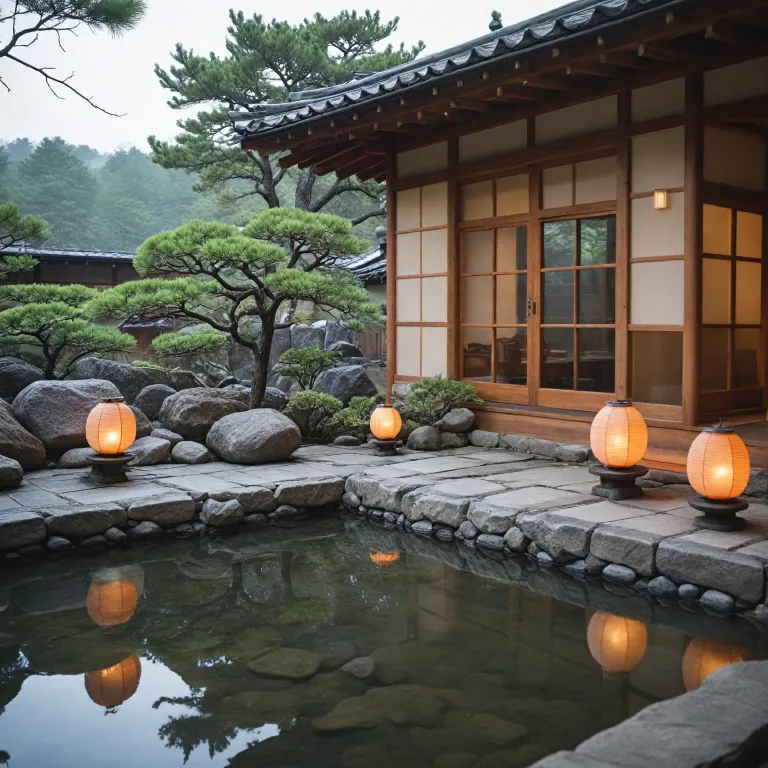
Ryokan Sapporo stays for refined Japanese style travel
Choosing a ryokan in Sapporo means stepping into a quieter rhythm of Japan. In Hokkaido’s capital you can balance urban energy with the calm of a japanese room, a steaming onsen, and attentive service that anticipates needs before you speak. For travellers used to conventional hotels, the blend of tatami rooms, hot spring baths, and seasonal cuisine offers a more intimate way to experience Sapporo and its surroundings.
Three properties shape many premium ryokan Sapporo itineraries, each with a distinct character. Marukoma Onsen Ryokan rests on the northern shore of Lake Shikotsu, where open air baths merge visually with the lake and the surrounding mountains. In contrast, ONSEN RYOKAN Yuen Sapporo, often called ryokan yuen by regular guests, brings a modern japanese style aesthetic to chuo Sapporo, with sleek lines, a tranquil lobby, and hot spring water piped from Karurusu.
Further inland, Jozankei Onsen Nukumori no Yado Furukawa sits in the jozankei valley, a classic onsen ryokan that focuses on wellness, kaiseki dining, and quiet river views. These ryokan Sapporo options share a commitment to traditional hospitality, yet their locations around Sapporo, from lake Shikotsu to jozankei onsen, shape very different stays. Understanding these contrasts helps you check availability with confidence and match each room or set of rooms to your travel style.
For many guests, the decision begins with geography and access. Lake Shikotsu and jozankei onsen offer immersion in nature, while yuen sapporo in chuo Sapporo keeps you close to restaurants, museums, and transport. Each ryokan uses its setting to frame the onsen experience, whether that means mist over the lake, snow along a riverbank, or city lights after a late return from dinner.
Understanding onsen culture and hot spring baths in Sapporo
Onsen culture is central to any ryokan Sapporo stay, especially in Hokkaido where geothermal activity shapes daily life. Natural hot spring baths, or spring baths, are more than amenities ; they are rituals that connect guests to the landscape and to centuries of japanese bathing customs. When you check in, staff will usually explain etiquette, from washing before entering the water to keeping towels out of the onsen itself.
At Marukoma Onsen Ryokan, the highlight is the open air bath that appears to flow directly into Lake Shikotsu, creating a seamless view of water and sky. This lakeside onsen hokkaido experience feels particularly atmospheric in colder months, when steam rises from the hot spring while the lake remains icy and still. Guests can move between indoor spring baths and the outdoor pool, adjusting to the temperature and the changing light over the lake.
In central Sapporo, ONSEN RYOKAN Yuen Sapporo offers a different rhythm, with its rooftop baths overlooking chuo Sapporo’s skyline. Here, the onsen ryokan concept is reinterpreted for urban travellers, combining minimalist japanese style interiors with carefully controlled lighting and quiet zones. Many guests alternate between the public baths and a private onsen session, especially couples or families who prefer more seclusion.
When comparing ryokan Sapporo options, consider whether you prefer communal baths, a private onsen attached to your room, or a mix of both. Some rooms open directly onto small terraces with open air tubs, while others rely on shared facilities with generous hours. For travellers planning multi city itineraries that include a luxury onsen stay in Tokyo, resources such as this guide to top rated ryokan Tokyo stays with private onsen baths can help you benchmark what Sapporo offers against other regions of Japan.
Rooms, amenities, and the details that define comfort
Room selection can transform a ryokan Sapporo stay from pleasant to unforgettable, especially for travellers used to premium hotel suites. Traditional tatami rooms invite you to sleep on futons that attendants lay out each evening, while some properties also offer a twin room configuration with western beds for guests who prefer familiar support. When browsing rooms, check whether they face a river, a garden, or the city, because the view often matters as much as the floor area.
At ryokan yuen in chuo Sapporo, compact yet carefully planned rooms open onto cityscapes, with clean lines, shoji inspired panels, and discreet storage. Amenities such as an electric kettle, high quality tea, and a reliable hair dryer are standard, reflecting the way modern japanese travellers blend tradition with convenience. In many rooms open to couples or solo guests, a small seating area by the window becomes a favourite spot for late night tea after the onsen.
By contrast, lakeside and mountain ryokan Sapporo properties like Marukoma Onsen Ryokan and Jozankei Onsen Nukumori no Yado Furukawa emphasise space and natural materials. Here, a japanese style room might include a low table for tea, alcoves for seasonal art, and sliding doors that frame Lake Shikotsu or the jozankei valley. Families often appreciate interconnected rooms or larger suites, which allow children to move freely while adults enjoy the hot spring baths.
Before you check availability, review which amenities are essential for your stay. Many onsen ryokan properties now highlight in room features such as an electric kettle, a powerful hair dryer, and high speed Wi Fi alongside more traditional comforts. For travellers who prioritise gastronomy, it is worth reading about private dining in ryokan booking and exclusive culinary experiences, then comparing how each ryokan Sapporo property handles kaiseki dinners and japanese breakfast service.
From Lake Shikotsu to Jozankei: choosing your Sapporo setting
Location is the quiet luxury that shapes every ryokan Sapporo itinerary, especially in a region as varied as Hokkaido. Around Lake Shikotsu, Marukoma Onsen Ryokan offers direct access to lakeside trails, boat rides, and crisp air that feels far removed from urban Japan. Its open air baths, fed by natural hot spring sources, create a sense of immersion where the boundary between lake and onsen almost disappears.
In the jozankei onsen area, Nukumori no Yado Furukawa positions guests close to forested slopes and river views, ideal for travellers who value wellness and quiet. Here, the onsen hokkaido experience is framed by seasonal colours, from fresh greens to deep autumn tones, and by spring baths that invite long, reflective soaks. Many guests pair a stay in jozankei with time in Sapporo itself, using the city as a gateway to the wider hokkaido region.
Within Sapporo, districts such as chuo Sapporo, nishi, nishi chuo, and kita nishi each offer different moods and access points. Yuen sapporo, for example, places you in chuo Sapporo, close to transport hubs, shopping streets, and dining, while still maintaining the calm of a modern onsen ryokan. Travellers who prefer shorter transfers after evening meals often choose this central ryokan Sapporo option over more remote properties.
Some itineraries also weave in day trips to otaru or longer excursions across hokkaido, using Sapporo as a base. When you check availability, consider how many nights you want in each setting, from lake Shikotsu to jozankei onsen and back to the city. Balancing these locations allows you to experience both the cultural pulse of Sapporo and the restorative quiet of its surrounding hot spring towns.
Booking strategies for luxury and premium ryokan stays
Securing the right ryokan Sapporo stay on a luxury or premium booking website requires more nuance than reserving a standard hotel room. Availability can shift quickly around national holidays, festivals, and peak onsen seasons in Hokkaido, so it is wise to check availability several months ahead. Many japanese travellers plan their onsen ryokan escapes early, especially when they want specific rooms open to lake or river views.
When browsing options, pay attention to room descriptions that mention private onsen, open air tubs, or particular outlooks such as Lake Shikotsu or the jozankei river. A twin room with a modest balcony in chuo Sapporo will feel very different from a japanese style suite with a private onsen facing the lake. Luxury platforms often allow you to filter by amenities, so you can prioritise features like an electric kettle, in room dining, or a high end hair dryer alongside the hot spring facilities.
For travellers designing multi stop journeys through Japan, it can be helpful to read destination specific guides, such as this overview of authentic japanese hospitality in Osaka ryokan stays. Comparing ryokan Sapporo offerings with those in Osaka, Tokyo, or otaru clarifies what matters most to you, whether that is proximity to nightlife, depth of onsen culture, or access to nature. Once your priorities are clear, you can use booking tools more effectively, adjusting dates and room types until the right combination appears.
Always review cancellation policies, meal inclusions, and whether breakfast is japanese style, western, or a mix. Some ryokan Sapporo properties include elaborate kaiseki dinners and breakfast in the rate, while others price meals separately to give guests more flexibility. Taking time to check these details ensures that the final price aligns with your expectations of luxury, from the quality of the onsen hokkaido experience to the comfort of your chosen room.
Dining, wellness, and the rhythm of a ryokan day
The daily rhythm of a ryokan Sapporo stay revolves around bathing, dining, and quiet intervals of rest. Mornings often begin with a soak in the hot spring baths, followed by a carefully prepared japanese breakfast that highlights Hokkaido produce. Many guests then explore Sapporo, jozankei, or Lake Shikotsu before returning to their rooms for another onsen session before dinner.
At properties like Jozankei Onsen Nukumori no Yado Furukawa and Marukoma Onsen Ryokan, kaiseki dinners showcase seasonal seafood, mountain vegetables, and regional sake. The ambience encourages slow dining, with courses timed to match the pace of conversation and the lingering warmth from earlier spring baths. In urban ryokan Sapporo settings such as yuen sapporo, guests may alternate between in house dining and nearby restaurants in chuo Sapporo, depending on mood.
Wellness extends beyond the onsen itself, especially for travellers seeking restorative stays in Japan. Many onsen ryokan properties offer spa treatments, relaxation lounges, and quiet reading corners where you can unwind between baths. In both japanese style rooms and twin room layouts, details such as an electric kettle for evening tea and a reliable hair dryer after hot baths contribute subtly to comfort.
Across Sapporo, nishi, nishi chuo, and kita nishi districts, as well as nearby otaru, travellers can curate stays that balance cultural exploration with deep rest. Whether you choose a room with a private onsen overlooking Lake Shikotsu or a compact city room in ryokan yuen, the essence of the experience lies in attentive service and thoughtful design. By aligning your expectations with the character of each ryokan Sapporo property, you can create a stay that feels both authentically japanese and personally tailored.
Key statistics for ryokan stays in Sapporo and Hokkaido
- Marukoma Onsen Ryokan holds a guest rating of 8.9 /10, reflecting strong satisfaction with its lakeside onsen and traditional japanese style rooms.
- ONSEN RYOKAN Yuen Sapporo also records a guest rating of 8.9 /10, indicating that travellers value its modern design, central chuo Sapporo location, and rooftop hot spring baths.
- Jozankei Onsen Nukumori no Yado Furukawa maintains a guest rating of 4.3 /5, underlining consistent appreciation for its jozankei onsen setting, kaiseki cuisine, and wellness focused amenities.
Essential questions about ryokan Sapporo stays
What is a ryokan?
A ryokan is a traditional Japanese inn featuring tatami-matted rooms, communal baths, and other public areas where visitors may wear yukata and interact with the owner. In the context of ryokan Sapporo stays, this can mean anything from a lakeside onsen ryokan at Lake Shikotsu to a contemporary property like yuen sapporo in chuo Sapporo. Across these variations, the core remains the same : japanese hospitality expressed through attentive service, hot spring bathing, and thoughtfully prepared meals.
Are ryokans in Sapporo suitable for families?
Yes, many ryokans in Sapporo offer family-friendly accommodations and amenities. Larger japanese style rooms and interconnected layouts allow families to share space comfortably, while onsen facilities often include times or areas that are convenient for parents with children. When you check availability at a ryokan Sapporo property, look for details on family plans, meal options for younger guests, and any guidelines for children using the hot spring baths.
Do ryokans in Sapporo provide meals?
Most ryokans offer meals, often including traditional kaiseki dinners and Japanese breakfasts. In a ryokan Sapporo context, this might mean multi course dinners featuring Hokkaido seafood, followed by a breakfast that balances grilled fish, rice, and seasonal vegetables. When booking, always check whether meals are included in the rate or optional add ons, so you can align your dining expectations with the overall rhythm of your stay in Japan.
