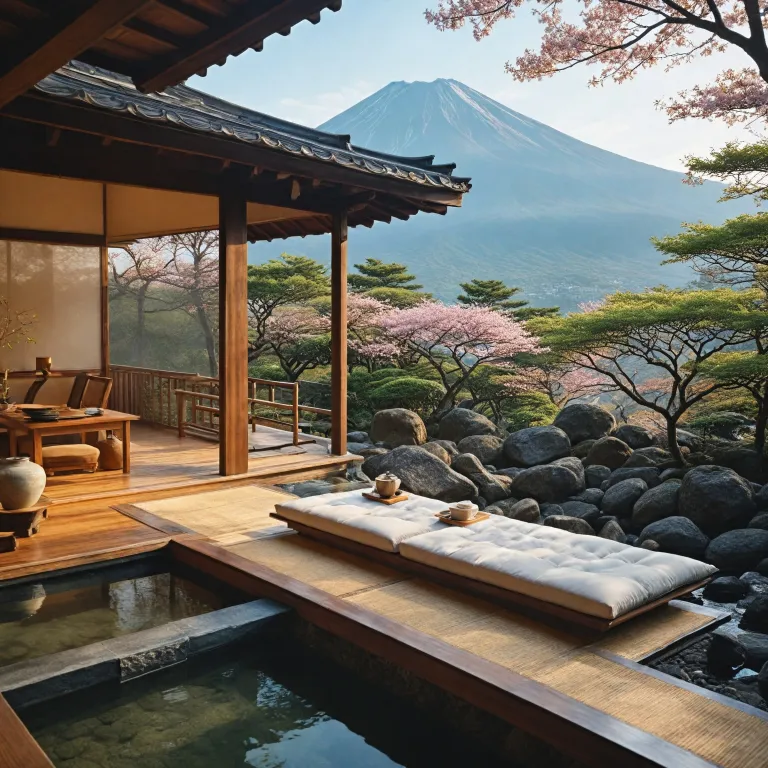
Choosing a refined ryokan near Mt Fuji for scenic stays
Staying in a ryokan near Mt Fuji offers a calm, immersive way to experience Japan. Many ryokans around Fujikawaguchiko frame the iconic mount in picture windows, while others highlight a garden view that subtly reveals Fuji at sunrise. When you choose a traditional ryokan instead of a standard hotel, you gain tatami rooms, kaiseki dinner, and attentive guest care that feel deeply rooted in place.
The Fujikawaguchiko area, spread around lake kawaguchi and lake kawaguchiko, concentrates more than fifty ryokans with easy access to mount fuji. Several properties, such as Fuji Lake Hotel, combine classic aesthetics with barrier free open air baths and a panoramic fuji view from both bedroom and bath. This balance of heritage and comfort makes a ryokan near Mt Fuji ideal for travelers who want hot spring rituals, refined breakfast, and seamless service in one stay.
When browsing options, check whether each ryokan offers a private onsen or only shared spring baths, because privacy levels vary widely. Couples often prefer a private open air bath with a direct view mount panorama, while families may appreciate larger onsen zones with indoor and outdoor pools. Always read both good reviews and more critical reviews carefully, since excellent reviews often highlight details like air quality in rooms, quiet corridors, and thoughtful staff support.
Understanding onsen etiquette and room types near Fuji
First time guests at a ryokan near Mt Fuji sometimes feel unsure about onsen etiquette. A traditional onsen hotel usually separates male and female baths, requires full washing before entering the hot spring, and expects quiet conversation in the steamy air. These customs apply whether you are in Fujikawaguchiko, a hakone onsen resort, or a small inn near fuji lake with only one or two pools.
Room categories in ryokans near Fuji range from compact tatami spaces to expansive suites with a private onsen and terrace. Many ryokans around kawaguchiko now offer Western beds alongside futons, which can be helpful for guests with back issues or limited mobility. When you check availability, look closely at floor plans and confirm whether your private bath is a true open air bath or a semi open balcony tub with sliding windows.
Some travelers compare a resort hotel to a traditional ryokan and then choose a hybrid property that blends both styles. In these ryokans, you might enjoy a fuji view from a modern sofa, yet still wear yukata to dinner and soak in mineral rich spring baths. For more detail on how luxury inns manage this balance of tradition and comfort, you can read this guide to top rated ryokan stays with private onsen baths before finalizing your booking.
Balancing private onsen luxury and cultural authenticity
One of the deepest questions for travelers choosing a ryokan near Mt Fuji is how to balance privacy with cultural immersion. A shared onsen offers a classic experience, where you sit quietly in the hot spring and feel the cool air on your shoulders while watching clouds drift over mount fuji. Yet many luxury ryokans now feature a private onsen or even several private open air baths, allowing couples or families to relax together without time limits.
High end ryokans around lake kawaguchiko and fuji kawaguchiko often design suites with a terrace air bath facing the mountain. In these rooms, you can enjoy a fuji view while soaking before kaiseki dinner, then again at sunrise before breakfast. Some guests feel that this private setting encourages deeper thought and reflection, because you can linger in silence and appreciate the changing light on the mount without distraction.
Dining is another key part of the experience, and many ryokans now offer flexible private dining formats. If you value culinary detail, consult this article on elevating ryokan stays with exclusive culinary experiences before you check specific menus. When reading reviews, pay attention to comments about dinner pacing, breakfast variety, and how well staff accommodate allergies, because excellent reviews often highlight these thoughtful touches.
Reading reviews and ratings for ryokans near Mt Fuji
For a ryokan near Mt Fuji, written reviews are often more revealing than star ratings alone. Guests tend to describe whether the view mount panorama matched the photos, how quiet the air conditioning felt at night, and whether the open air baths were truly serene. When you see consistently good reviews mentioning attentive staff and immaculate spring baths, that usually signals strong management and training.
Look for detailed comments about both dinner and breakfast, since meals form a large part of the nightly rate. Some ryokans near fuji lake serve elaborate kaiseki courses with local vegetables, river fish, and wagyu, while others offer simpler menus that still receive excellent reviews for flavor and presentation. If you have tattoos, always check whether tattoos allowed policies are clearly stated, because rules vary widely between onsen hotel properties.
It can also help to compare feedback between different ryokans in Fujikawaguchiko and nearby hakone onsen areas. Travelers who stay at more than one resort hotel often explain why a particular fuji view felt special, or why a certain private onsen layout worked better for families. For an expert perspective on how to interpret these narratives, the in depth analysis at professional ryokan review for refined stays offers structured criteria that can guide your thought process.
Location choices around kawaguchiko, hakone onsen, and Fuji Lake Hotel
Location shapes every stay at a ryokan near Mt Fuji, because weather and angles determine how often you actually see the mountain. Around lake kawaguchi and lake kawaguchiko, many ryokans line the shore, offering a layered fuji view with water, forest, and mount fuji in one frame. Properties slightly uphill may lack direct lake access but compensate with wider panoramas and quieter surroundings.
Fujikawaguchiko town provides convenient bus links, cafés, and small shops, which some guests find reassuring after a long air journey. By contrast, a secluded resort hotel closer to the forest or a hakone onsen valley can feel more remote, with fewer dining options beyond the included dinner and breakfast. When you check maps, note walking distances to stations and whether shuttle services operate during bad weather, because this affects comfort for older guests.
Fuji Lake Hotel stands out among ryokans near fuji for its combination of traditional hospitality and barrier free design. Many rooms and baths are accessible, and some open air baths are chartered, allowing private use for families or travelers with mobility needs. This approach reflects a broader trend in ryokans near Mt Fuji, where owners integrate modern amenities while preserving tatami rooms, hot spring rituals, and the calm rhythm of seasonal cuisine.
Practical booking tips for luxury ryokans near Mt Fuji
Booking a luxury ryokan near Mt Fuji requires more planning than reserving a standard city hotel. Availability around kawaguchiko and fuji kawaguchiko tightens quickly during cherry blossom and autumn foliage seasons, so it is wise to check dates several months ahead. When comparing ryokans, always confirm whether rates include dinner and breakfast, because this significantly changes the overall value.
Pay close attention to room descriptions that mention a private onsen, open air bath, or indoor stone tub, since terminology can differ between properties. Some suites offer a true outdoor hot spring with a direct view fuji, while others provide a recirculating air bath that feels luxurious but is not a natural spring. If tattoos allowed policies matter to you, email the ryokan directly to obtain written confirmation before you finalize payment.
“A ryokan is a traditional Japanese inn featuring tatami-matted rooms, communal baths, and other public areas where visitors may wear yukata.” Many ryokans near mount fuji follow this model while adding Wi Fi, climate control, and multilingual staff to welcome international guests. By combining careful reading of good reviews and excellent reviews with clear communication about dietary needs, you can select a ryokan near Mt Fuji that aligns with your expectations for privacy, culture, and refined comfort.
Key statistics for ryokans near Mt Fuji
- Number of ryokan in the wider Fujikawaguchiko area : approximately 50 establishments.
- Average nightly rate for a ryokan stay near mount fuji : around 20 000 JPY per person, including dinner and breakfast in many cases.
- Ryokans in this region operate year round, with peak demand during spring cherry blossoms and autumn foliage.
Essential questions about staying in a ryokan near Mt Fuji
What is a ryokan and how does it differ from a hotel near Fuji ?
A ryokan is a traditional Japanese inn featuring tatami-matted rooms, communal baths, and other public areas where visitors may wear yukata. Compared with a conventional hotel near Fuji, a ryokan usually includes multi course kaiseki dinner and Japanese breakfast, served either in your room or in a dining hall. The pace is slower and more ritualized, with emphasis on seasonal cuisine, onsen bathing, and attentive yet discreet service.
Do ryokans near Mount Fuji offer direct views of the mountain ?
Many ryokans in the Fujikawaguchiko area offer rooms with views of Mount Fuji, especially those located around Lake Kawaguchi. However, visibility depends on weather, room orientation, and surrounding buildings or trees, so a guaranteed fuji view is rare. When this aspect is important, choose a lakefront or hillside property, study photos carefully, and request a view mount room during the booking process.
Are meals usually included when booking a ryokan near Mt Fuji ?
Most ryokan stays include traditional Japanese meals, often served in-room or in communal dining areas. Around lake kawaguchiko and hakone onsen, many plans bundle kaiseki dinner and Japanese breakfast into the nightly rate, which supports a relaxed schedule focused on onsen and rest. If you prefer flexibility, some ryokans now offer breakfast only or room only plans, but these are less common in smaller countryside properties.
