Understanding the essence of ryokan in Kyoto: blending tradition with luxury
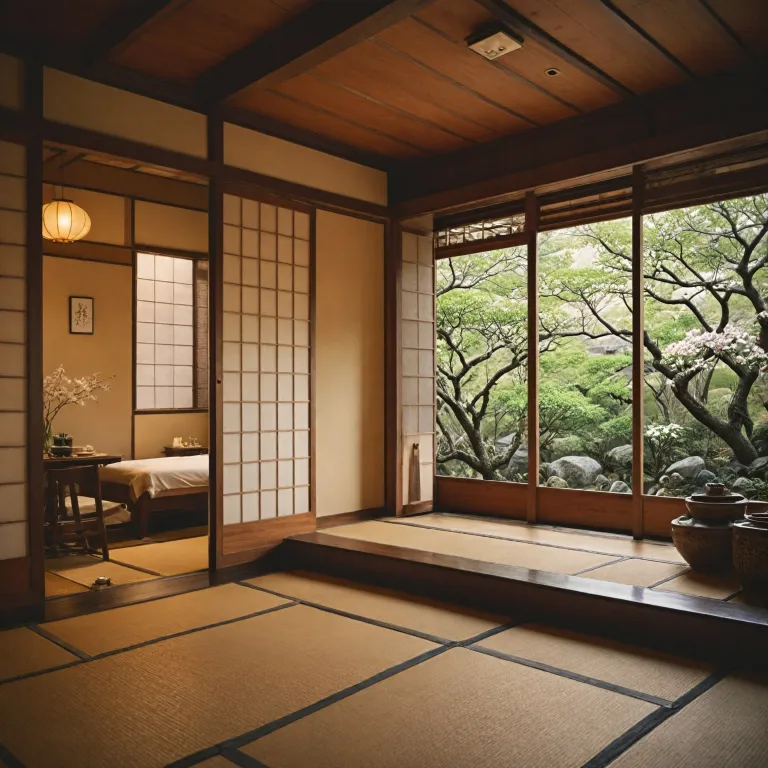
Kyoto stands as the cultural heart of Japan, where centuries-old traditions thrive alongside modern sophistication. Choosing a ryokan in Kyoto offers travelers a unique opportunity to immerse themselves in authentic Japanese culture, far beyond what typical hotels provide. The ryokan experience is defined by tatami mat guest rooms, sliding shoji doors, and tranquil garden views, creating a serene atmosphere that echoes the city’s historical charm. Guests will find that each ryokan is meticulously designed to reflect Japanese aesthetics, with attention to detail evident in every corner, from the arrangement of seasonal flowers to the subtle fragrance of incense drifting through the halls.
Staying at a ryokan in Kyoto means embracing a slower pace, where the rituals of daily life become part of the journey. The central location of many ryokan, often near Kyoto Station or iconic landmarks like Nanzenji Garden, allows for easy exploration of the city’s treasures. Ryokan owners and staff are renowned for their hospitality, ensuring every guest feels welcomed and cared for. The official websites of these establishments provide detailed information about room types, facilities, and the unique experiences available, making it simple to plan your stay in advance.
Whether you choose a garden ryokan with views of Kyoto Nanzenji or a machiya-style inn in the heart of the city, the blend of tradition and luxury is unmistakable. The integration of modern amenities, such as Wi-Fi and private baths, ensures comfort without sacrificing authenticity. For those seeking a truly immersive experience, ryokan in Kyoto offer a gateway to the soul of Japanese culture, where every detail is crafted to create lasting memories.
Choosing the perfect accommodation: types of ryokan and guest rooms in Kyoto
The variety of ryokan in Kyoto caters to a diverse range of preferences, from intimate machiya inns to expansive garden ryokan nestled near historic temples. Each accommodation offers a distinct interpretation of Japanese style, with guest rooms featuring tatami mats, futon bedding, and minimalist décor that emphasizes harmony and tranquility. The central location of many ryokan, particularly those near Kyoto Station, provides convenient access to the city’s cultural and culinary highlights.
When selecting a ryokan, consider the type of experience you wish to have. Some ryokan, such as Nishiyama Ryokan or Ryokan Yachiyo, are celebrated for their lush gardens and proximity to iconic sites like Kyoto Nanzenji. Others focus on providing an authentic Japanese atmosphere, with traditional tea ceremonies and opportunities to wear kimono during your stay. The official booking websites for these ryokan offer comprehensive descriptions of room layouts, facilities, and available packages, making it easy to compare options and secure your preferred dates.
Families, couples, and solo travelers will find that ryokan in Kyoto accommodate a wide range of needs. Many guest rooms can be configured to suit different group sizes, and some ryokan offer private onsen baths for added luxury. For those seeking a blend of tradition and convenience, hotel Kyoto properties that incorporate ryokan elements provide a seamless fusion of Japanese culture and modern comfort. For more insights on Kyoto’s accommodation options, explore this comprehensive guide to Kyoto’s traditional inns.
Experiencing Japanese culture: cuisine, tea ceremony, and seasonal traditions
One of the defining features of a stay at a ryokan in Kyoto is the opportunity to indulge in authentic Japanese cuisine. Kaiseki meals, meticulously prepared using seasonal ingredients, are served in-room or in elegant communal dining spaces. Kyoto cuisine is renowned for its delicate flavors and artistic presentation, reflecting the city’s rich culinary heritage. Guests will find that each dish is a celebration of local produce, from fresh river fish to handpicked mountain vegetables.
Participating in a traditional tea ceremony is another highlight of the ryokan experience. Many ryokan offer guests the chance to observe or take part in this centuries-old ritual, deepening their appreciation for Japanese culture. The serene setting of a garden ryokan, with views of meticulously landscaped grounds, enhances the sense of tranquility and connection to nature. Seasonal events, such as cherry blossom viewing or autumn foliage walks, are often organized by ryokan staff, allowing guests to experience Kyoto’s natural beauty firsthand.
For those interested in learning more about Japanese traditions, ryokan in Kyoto frequently collaborate with local artisans to offer workshops in calligraphy, flower arranging, or kimono dressing. The official websites of these establishments provide detailed information about available activities and cultural experiences. To further enrich your understanding of Kyoto’s cultural offerings, visit this resource on Japanese traditions in Kyoto.
Facilities and amenities: blending comfort with authentic Japanese style
Modern ryokan in Kyoto skillfully balance traditional aesthetics with contemporary comforts. Guest rooms are designed to evoke a sense of peace, featuring tatami mats, low wooden tables, and sliding paper doors that open onto private gardens or courtyards. Many ryokan offer public baths, including communal onsen sourced from natural hot springs, where guests can relax and rejuvenate after a day of sightseeing. The presence of private baths in select guest rooms adds an extra layer of luxury for those seeking privacy and exclusivity.
Facilities at ryokan in Kyoto often include serene gardens, tea rooms, and lounges where guests can unwind and socialize. The central location of many ryokan, especially those near Kyoto Station, ensures easy access to transportation and local attractions. Hotel Kyoto properties that incorporate ryokan elements provide additional amenities such as Western-style beds, Wi-Fi, and concierge services, catering to the needs of international travelers without compromising on authenticity.
Attention to detail is a hallmark of the ryokan experience. From the carefully curated décor to the personalized service provided by staff, every aspect of your stay is designed to reflect the spirit of Japanese hospitality. The official websites of these establishments offer comprehensive information about available facilities, making it simple to choose the ryokan that best suits your preferences.
Planning your stay: booking tips, early reservations, and official resources
Securing a room at a ryokan in Kyoto requires careful planning, especially during peak seasons such as cherry blossom and autumn foliage periods. Early reservations are highly recommended, as the most sought-after ryokan and guest rooms tend to fill up quickly. The official booking websites for Kyoto ryokan provide real-time availability, detailed descriptions of accommodation options, and secure payment methods, ensuring a seamless reservation process.
When booking your stay, pay close attention to the policies regarding check-in times, meal schedules, and house rules. Many ryokan uphold traditional customs, such as removing shoes before entering guest rooms and adhering to specific meal times. Familiarizing yourself with these practices in advance will enhance your experience and demonstrate respect for Japanese culture. The official websites also offer valuable information about transportation options, including directions from Kyoto Station and recommendations for local sightseeing.
For travelers with dietary restrictions or special requests, it is advisable to communicate your needs at the time of booking. Many ryokan are happy to accommodate preferences, particularly when it comes to Kyoto cuisine and kaiseki meals. The personalized service provided by ryokan staff ensures that every guest feels valued and cared for throughout their stay. By leveraging official resources and planning ahead, you will find that your Kyoto ryokan experience is both memorable and stress-free.
Immersive experiences: gardens, public baths, and the spirit of Japanese hospitality
Gardens play a central role in the design of many ryokan in Kyoto, offering guests a tranquil retreat from the bustle of city life. The meticulously landscaped grounds of garden ryokan, such as those near Nanzenji Garden or Kyoto Nanzenji, provide a serene backdrop for relaxation and contemplation. Guests will find that the changing seasons bring new beauty to these spaces, from cherry blossoms in spring to vibrant maple leaves in autumn.
Public baths are another integral part of the ryokan experience, inviting guests to unwind in soothing hot water while enjoying views of the surrounding gardens. The tradition of communal bathing fosters a sense of community and connection, reflecting the values of Japanese culture. For those seeking privacy, many ryokan offer guest rooms with private baths, allowing for a more intimate and exclusive experience.
The spirit of Japanese hospitality is evident in every aspect of a stay at a Kyoto ryokan. Staff members go above and beyond to anticipate guests’ needs, from preparing futon bedding to arranging personalized experiences. As stated in the dataset, “A ryokan offers a traditional Japanese experience with tatami-matted rooms, communal baths, and kaiseki meals, whereas a hotel typically provides Western-style accommodations and services.” This commitment to service ensures that every guest leaves with a deeper appreciation for Japanese culture and the unique charm of Kyoto.
Preserving tradition while embracing innovation: the future of ryokan in Kyoto
Ryokan in Kyoto continue to evolve, blending time-honored traditions with innovative amenities to meet the needs of modern travelers. The incorporation of features such as Wi-Fi, Western-style beds, and private onsen baths reflects a commitment to comfort without compromising authenticity. This balance allows ryokan to appeal to a broader audience, including international visitors seeking an immersive Japanese experience.
The preservation of traditional architecture and cultural practices remains a core objective for ryokan owners and staff. Collaborations with local artisans, farmers, and craftsmen ensure that every aspect of the ryokan experience is rooted in Japanese heritage. The ongoing popularity of ryokan in Kyoto supports local economies and contributes to the city’s reputation as a premier destination for cultural tourism.
As demand for authentic Japanese experiences grows, ryokan in Kyoto are poised to play an increasingly important role in the hospitality landscape. By honoring tradition while embracing innovation, these establishments offer guests a unique opportunity to connect with the essence of Japan. Whether you are planning your first visit or returning to explore new facets of Kyoto, a stay at a ryokan promises memories that will last a lifetime.
Key statistics on ryokan in Kyoto
- Number of ryokan in Kyoto: 1.2 thousand (Japan Ryokan Association)
- Average cost per night: 30,000 JPY (Japan National Tourism Organization)
- Ryokan operate year-round, blending traditional hospitality with modern amenities
Frequently asked questions about ryokan in Kyoto
What is the difference between a ryokan and a hotel?
A ryokan offers a traditional Japanese experience with tatami-matted rooms, communal baths, and kaiseki meals, whereas a hotel typically provides Western-style accommodations and services.
Are ryokan suitable for families with children?
Yes, many ryokan welcome families and provide amenities suitable for children, but it's advisable to check with the specific ryokan beforehand.
Do ryokan accommodate dietary restrictions?
Many ryokan can accommodate dietary restrictions if informed in advance, especially regarding kaiseki meals.
References: Japan Ryokan Association, Japan National Tourism Organization, Kyoto City Tourism Board.
