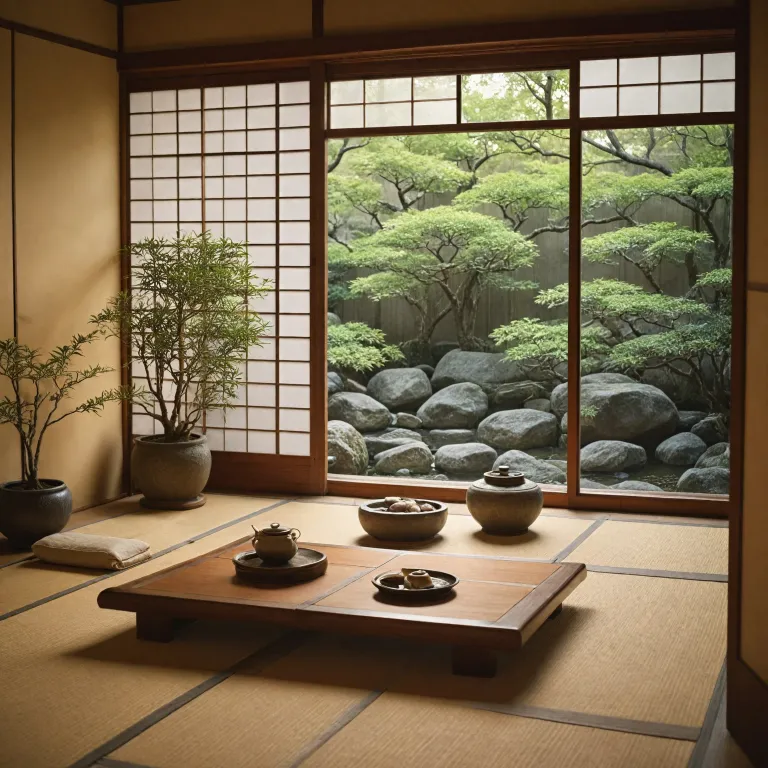
Choosing the best Kyoto ryokan for an elegant stay
Finding the best Kyoto ryokan begins with understanding how you like to travel. In Kyoto Japan, traditional Japanese hospitality ranges from intimate family run ryokans to polished luxury collection properties that feel closer to an artfully curated collection hotel. Before you book, decide whether you prefer central access to the Gion district or a quieter retreat near Arashiyama with views, gardens, and slower Kyoto nights.
Kyoto offers more than one hundred ryokans, and each ryokan Kyoto property interprets tradition differently. Historic addresses such as Tawaraya Ryokan and Hiiragiya Ryokan focus on tatami guest rooms, seasonal kaiseki dinners, and discreet service that anticipates needs before you speak. Contemporary houses like Fufu Kyoto or Nazuna Kyoto Nijo jo blend modern style rooms, private open air baths, and refined design that appeals to travelers used to a luxury collection hotel experience.
When comparing options, look closely at rooms and baths rather than only the headline rate per night. Some Kyoto rooms feature private onsen style baths, while others rely on shared hot spring inspired facilities that may be indoors or partially open to the garden air. If you plan a long stay of several nights, prioritize guest rooms with flexible seating, good natural light, and quiet separation between sleeping room and living space.
Many travelers search for a hotel Kyoto address first, then refine their list toward ryokans as they learn more. A Kyoto ryokan will usually include Japanese breakfast and often dinner in the nightly rate, which changes the value equation compared with a standard hotel. To secure the best Kyoto ryokan for peak seasons, book Kyoto stays several months ahead and communicate dietary needs when you first book.
Understanding Kyoto ryokan etiquette, rooms, and hot spring culture
Staying at a ryokan in Kyoto Japan is as much about etiquette as it is about architecture. A ryokan Kyoto stay usually means removing shoes at the entrance, walking on tatami in socks, and treating shared baths with the same respect you would offer a temple. This rhythm feels different from a hotel, yet it is central to what makes the best Kyoto ryokan experience so memorable.
Guest rooms in traditional Japanese inns are typically multi purpose spaces that change throughout the day. During daylight hours, staff may leave the room arranged with low tables and zabuton cushions, then return at night to lay out futons, creating a sense of gentle transformation between Kyoto nights. Some style rooms in newer ryokans add low Western beds, climate control for hot and humid summers, and carefully tuned air circulation to keep tatami fresh.
Bathing is another defining element of Kyoto ryokan culture. While not every property has a natural hot spring on site, many create onsen style baths with mineral rich hot water and open air sections that frame a courtyard or lantern lit garden. For travelers who want a deeper dive into hot spring traditions beyond Kyoto, an article on an elegant ryokan near Mount Fuji with refined onsen stays offers useful context for comparing regions.
Onsen Kyoto options range from compact indoor baths to generous open air tubs attached to individual Kyoto rooms. When using shared baths, wash thoroughly before entering, keep towels out of the water, and remain mindful of other guests’ quiet. If you prefer privacy, look for onsen ryokans that offer reserved time slots for family baths or suites with their own hot spring style tubs, especially if you plan a long stay of several nights.
Where to stay in Kyoto Japan: districts, nights, and atmospheres
Location shapes every Kyoto ryokan stay, especially if you have limited nights in the city. The Gion district appeals to travelers who want to step from their ryokan into narrow lanes lined with teahouses, shrines, and softly lit restaurants at night. Here, a ryokan Kyoto address places you close to Yasaka Shrine and Higashiyama, yet you still return to quiet guest rooms once the streets empty.
On the western side, Arashiyama offers a different rhythm, with river views, bamboo groves, and mountains that glow in the late afternoon air. A stay near Arashiyama suits travelers who want to pair hot spring style baths with walks along the Katsura River and slower Kyoto nights. Properties such as Suiran Luxury, part of a global luxury collection, combine the intimacy of ryokans with the service standards of a polished collection hotel, which can reassure first time visitors to Japan.
Central Kyoto Japan, around Nijo Castle and the imperial palace, offers easier transport connections and a more residential feel. Nazuna Kyoto Nijo jo, for example, occupies a restored machiya townhouse where each room is inspired by Japanese tea culture and often includes a private open air bath. If you are comparing a hotel Kyoto option with a Kyoto ryokan in this area, weigh the convenience of elevators and larger lobbies against the depth of traditional Japanese experience in smaller ryokans.
For travelers planning several ryokan nights across Japan, it can help to read a refined guide to choosing a countryside property, such as this guide to selecting a Ginzan onsen ryokan. That perspective highlights how onsen ryokans in rural regions differ from urban Kyoto ryokan stays in both baths and atmosphere. Use those insights to build a balanced list of night ryokans that mix city culture, hot spring retreats, and perhaps one long stay in a quieter valley.
Inside Kyoto’s most storied ryokans and modern luxury retreats
Among the best Kyoto ryokan addresses, a few names recur whenever travelers and experts trade recommendations. Tawaraya Ryokan, established more than three centuries ago, is renowned for its meticulous service, serene gardens, and guest rooms that feel like private worlds within the city. Hiiragiya Ryokan, founded in a later era yet still historic, blends traditional Japanese aesthetics with subtle modern comforts, making it a favorite for repeat Kyoto nights.
These ryokans exemplify omotenashi, the Japanese philosophy of wholehearted hospitality. Staff move quietly through corridors, adjusting sliding doors to manage light and air, placing seasonal flowers in alcoves, and preparing baths at just the right hot temperature after a long day of sightseeing. Meals often showcase Kyoto vegetables, river fish, and delicately plated kaiseki courses served in your room, turning each night into a private dining experience.
More recent arrivals such as Fufu Kyoto and Nazuna Kyoto Nijo jo reinterpret tradition for travelers used to a collection hotel or luxury collection environment. Fufu Kyoto, set in the Higashiyama area, offers style rooms with warm wood, deep sofas, and open air baths that blur the line between indoor room and garden. Nazuna’s tea themed rooms, many with private baths, appeal to guests who want the intimacy of ryokans but appreciate design forward spaces and modern climate control for hot summers and cool nights.
Historic Toshiharu Ryokan, housed in a preserved townhouse from the Meiji era, offers another angle on Kyoto ryokan life. Here, creaking floors, inner courtyards, and carefully restored beams remind you that Kyoto Japan is a living museum as well as a modern city. When you book Kyoto stays at such properties, you are not only reserving rooms but also supporting the preservation of fragile wooden architecture and traditional crafts.
How to book Kyoto ryokan stays with confidence and clarity
Securing the best Kyoto ryokan for your dates requires both timing and clear communication. Direct booking via official websites or phone often yields the most accurate information on rooms, baths, and meal plans, especially for smaller ryokans that limit inventory on global platforms. Reputable booking sites remain useful for comparing night rates, but once you have a short list of ryokans, consider contacting each property to clarify details before you book.
When you reach out, specify how many nights you plan, whether you prefer Japanese or Western style rooms, and if you need twin futons or a double layout. Ask about onsen Kyoto facilities, including whether baths are natural hot spring fed or simply hot water designed in an onsen style. If you are sensitive to heat or humidity, confirm that guest rooms have modern air conditioning and good air circulation, particularly for long stay itineraries in summer.
Etiquette questions are welcome and appreciated, especially from first time visitors to Japan. Many ryokans will gladly explain how to use shared baths, when to wear yukata robes, and where to leave luggage if you arrive before check in. For travelers curious about the broader culture of hot spring ryokans, this detailed article on a hot spring ryokan in Kyoto with private onsen and traditional hospitality offers practical context that complements individual hotel research.
Remember that a Kyoto ryokan rate usually includes dinner and breakfast, which can make a seemingly high nightly price competitive with a luxury collection hotel once meals are factored in. Travelers focused on value might alternate nights between a hotel Kyoto base and ryokan nights, using the hotel for simple sleep and the ryokans for immersive experiences. Whatever pattern you choose, book Kyoto stays well ahead for cherry blossom and autumn foliage seasons, when the most sought after Kyoto rooms sell out quickly.
Designing your ideal Kyoto nights: itineraries, long stays, and onsen rhythms
Thoughtful planning turns a good Kyoto ryokan stay into an exceptional experience. Start by deciding how many nights you want to spend in Kyoto Japan overall, then allocate at least one or two ryokan nights to feel the full rhythm of traditional Japanese hospitality. Many seasoned travelers suggest combining a central Kyoto ryokan with an Arashiyama or Gion district stay to experience different faces of the city.
For a short trip, one strategy is to begin in a hotel Kyoto property for arrival day, then shift to a Kyoto ryokan once you have adjusted to the time zone. This allows you to arrive late without worrying about kaiseki dinner times, then fully enjoy the slower pace of ryokan nights once you settle. During a long stay, you might alternate between ryokans and hotels, using onsen ryokans with open air baths as restorative pauses between busy sightseeing days.
Onsen Kyoto routines can anchor your daily schedule in a calming way. Many guests bathe in hot water before breakfast, then again at night, letting steam and fresh air ease muscles tired from temple steps and stone paths. If your ryokan offers private hot spring style baths attached to guest rooms, consider booking a slightly larger room category so you can linger in the water without watching the clock.
As you refine your list of ryokans, pay attention to how each property describes its rooms, baths, and meals rather than focusing only on star ratings. Some onsen ryokans emphasize serene gardens and quiet, while others highlight proximity to nightlife or family friendly facilities. By matching these details to your own travel style, you will be better placed to select the best Kyoto ryokan for your particular journey through Japan.
Key statistics for Kyoto ryokan stays
- Kyoto hosts around 100 ryokans, offering a wide range of traditional Japanese stays across the city.
- The average nightly rate for luxury ryokans in Kyoto is approximately 500 USD, typically including dinner and breakfast.
Essential questions about staying in a Kyoto ryokan
What is a ryokan?
A ryokan is a traditional Japanese inn featuring tatami matted rooms, communal baths, and local cuisine.
Are ryokans suitable for families?
Yes, many ryokans accommodate families, offering spacious rooms and family friendly services.
Do ryokans provide meals?
Most ryokans offer meals, often including traditional kaiseki dinners and Japanese breakfasts.
