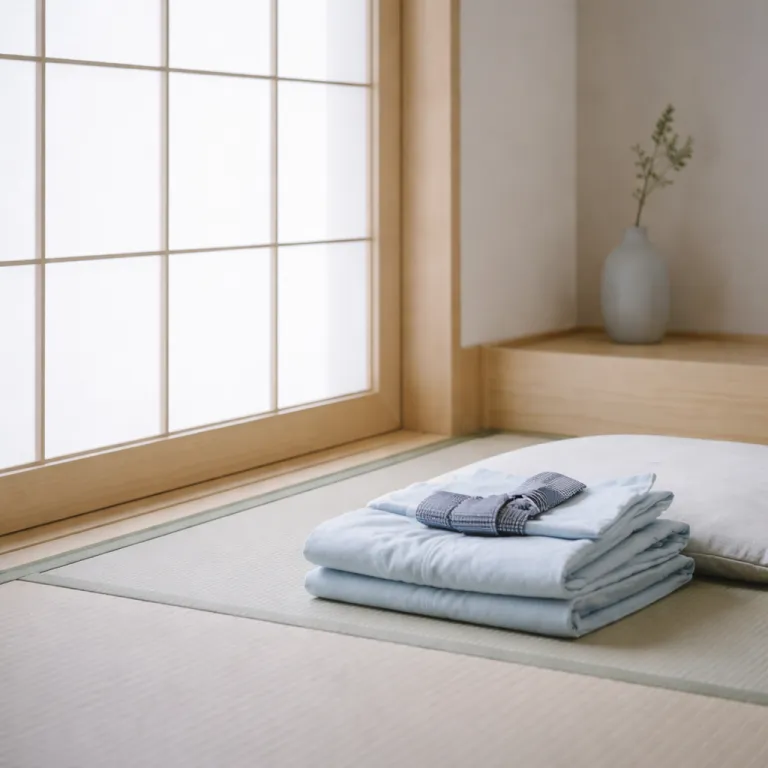
Reading ryokan room design through ma and shoji
Step into a ryokan room and the first luxury is silence. The most considered ryokan room design uses ma, the Japanese concept of meaningful space, to slow your breathing and sharpen your senses. In a refined ryokan-style Japanese property, every detail from shoji to tatami is edited until only what matters remains.
Ma is not empty space; it is charged with intention and framed by shoji screens, low beams and the soft grid of tatami mats. In a traditional Japanese room, the distance between a futon and a sliding shoji screen, or between a tokonoma alcove and the low table, tells you how the host expects you to move, sit and rest. When you compare rooms in Japan, notice how this spatial rhythm feels in both modern Japanese interiors and more traditional Japanese-style rooms, because it reveals whether the design serves calm or simply copies a look.
Light is the other quiet architect in ryokan interiors shaped by ma and shoji. Shoji paper panels filter daylight into a milky glow, turning even a compact style room into a soft, breathable interior space. When you book an onsen ryokan, ask for photos that show the room in natural light, because the way shoji screens and washi paper handle brightness will shape every moment of your stay. Image captions such as “morning light through shoji, 7 a.m., Room 301” or “late-afternoon sun on tatami, riverside suite” often tell you more about the atmosphere than any marketing phrase.
Tokonoma, tatami and the language of japanese interior
The tokonoma alcove is the room’s sentence, and you can learn to read it. In a carefully curated Japanese interior, the hanging scroll and single flower arrangement change with the season, signalling not just aesthetics but the host’s attentiveness. A ryokan guest room that updates its tokonoma thoughtfully is usually just as precise with service, from the timing of kaiseki to how quietly sliding doors close at night.
Tatami is more than flooring; it is a unit of measure and a subtle status indicator. Traditional Japanese rooms are often described by the number of tatami mats, and a six-mat style room feels very different from an eight-mat space with a generous ma zone left open near the shoji screen. A standard tatami mat in many regions (Edoma size) is roughly 90 by 180 centimetres, while larger Kyoma tatami in western Japan can be about 95 by 191 centimetres, so you can imagine how a single extra mat or regional variation changes circulation and where you might sit.
Furniture, or its absence, is another deliberate design choice in ryokan room layouts that balance ma and shoji. A low table, floor cushions and futon bedding stored away during the day keep the Japanese-style interior flexible, allowing the same room to host tea, dinner and sleep without clutter. When comparing rooms in Tokyo or rural Japan, notice whether tatami mats are fresh, tightly woven and slightly fragrant, because this signals investment rather than nostalgia. If you see heavy sofas crowding the tatami or blocking shoji screens, the property is leaning toward a generic Japanese-inspired house rather than respecting the original interior design logic.
Shoji, yukimi shoji and the shift toward glass
Shoji are sliding doors made of wood and paper, allowing light diffusion. In a classic Japanese house, these shoji screens act as both walls and lanterns, modulating privacy while keeping the interior softly lit. When ryokan owners replace them entirely with glass, the room may gain a view but often loses the layered light that defines traditional Japanese-style rooms.
Yukimi shoji, the snow-viewing shoji panels with clear glass at the bottom, offer a nuanced compromise between tradition and modern expectations. They let you sit on tatami mats and watch the garden or an open-air hot spring while the upper washi paper still filters light into the room. In thoughtful modern Japanese design, you will often see yukimi shoji paired with discreet double glazing outside, preserving the shoji screen rhythm inside while quietly upgrading insulation.
The key question is whether modernization respects the form or treats it as costume. A well considered onsen ryokan might use glass behind shoji screens, so the guest still reads a Japanese-style grid while enjoying thermal comfort and a clear view of the garden or hot spring pool. When you evaluate style rooms online, look for images where shoji, glass and ma work together, rather than wide bare windows that flatten the Japanese interior into something anonymous. Captions such as “yukimi shoji with garden view, dusk, Room A-2” can help you understand how the glazing and paper layers interact.
Modern japanese interpretations in tokyo and beyond
Urban ryokan in Tokyo have become laboratories for modern Japanese interpretations of classic room design. For example, some contemporary inns in the Setagaya and Shinjuku districts use restrained Japanese-inspired interiors where pale wood, stone and shoji screens coexist with hidden climate control and strong Wi-Fi. Here, ma is preserved through low furniture, generous circulation space and carefully framed views of a compact inner garden.
In mountain regions, onsen ryokan in areas such as Miyagi Prefecture or Nagano translate the Japanese house vocabulary into larger, more sculptural rooms. You might find a style room with raised tatami platforms, open-air onsen baths on the terrace and sliding doors that blur the line between interior and forest. The best design keeps the proportions of a traditional Japanese room, even when the materials shift toward darker timber, thicker paper or stone.
Across Japan, innovation in ryokan room design is less about spectacle and more about editing. Some owners now commission local artisans to create custom washi paper for shoji, or to weave tatami mats with subtle coloured borders that echo the garden outside. When you browse style Japanese rooms on a premium booking website, pay attention to these small interior design decisions, because they often predict how seriously the property takes omotenashi, the spirit of wholehearted hospitality. Phrases such as “custom washi by local paper studio” or “handwoven tatami edging, Room 5” in photo captions can be quiet but reliable indicators.
What couples should notice when choosing a ryokan room
For couples, the most romantic rooms are usually the most coherent ones. Start by looking at the relationship between bed or futon placement, shoji screen lines and the view toward any garden or open-air bath. A ryokan room design that respects ma will leave enough space around the sleeping area for quiet movement, rather than pushing futons against walls or crowding the tatami with furniture.
Next, study how light is handled across the interior during both day and night. Shoji paper, especially high-quality washi paper, should soften daylight and hide harsh fixtures, while sliding doors allow you to tune privacy without losing the Japanese-style atmosphere. In an onsen ryokan, check whether the route from room to hot spring is intuitive and calm, because this transition shapes how you experience both the bath and the return to your Japanese interior. One frequent guest at a Tohoku-region inn described the ideal path as “a short, dim corridor where you can hear only water and the rustle of yukata.”
Finally, read the details that never make the brochure. Are the tatami mats level and springy under bare feet, do shoji screens glide silently, does the tokonoma feel seasonal rather than generic? Industry groups and regional tourism offices note that there are many thousands of traditional inns across the country, so learning to read subtle ma and shoji nuances helps you separate deep craft from surface styling. When you explore curated reviews on specialist Japanese inn guides, focus on room-level descriptions that explain how a particular Japanese house-style room will actually feel to inhabit, and on image notes such as “evening tea by tokonoma, Room 204.”
Practical etiquette and cultural context inside the room
Understanding etiquette inside a ryokan-style Japanese room will deepen your appreciation of its design. Guests remove shoes before stepping onto tatami mats, wear the provided yukata and follow bathing etiquette so that the onsen and hot spring facilities remain serene for everyone. These rituals align with ma, preserving both physical cleanliness and a sense of psychological space.
Traditional hospitality in Japan relies on a quiet choreography between hosts and guests. Nakai-san staff enter the room through sliding doors to lay out futons while you are at dinner, then restore the style room for daytime use while you enjoy the onsen or garden. This rhythm explains why furniture remains minimal in many Japanese-style rooms, because the interior must transform smoothly without disturbing the balance between objects and empty space.
Behind the scenes, many ryokan owners work with local artisans, tourism boards and cultural organizations to preserve traditional Japanese architecture while integrating modern comforts. Tools such as tatami, shoji screens and futon bedding remain central, even as properties adopt eco-friendly practices and subtle technology. When you choose a ryokan room environment that honours these principles, you support cultural preservation and gain a more layered, memorable stay.
FAQ
What is a ryokan and how is its room different from a hotel room?
A ryokan is a traditional Japanese inn offering cultural experiences, usually featuring tatami mats, shoji screens and futon bedding instead of raised Western beds. The room is designed around ma, or meaningful space, with low furniture and sliding doors that allow flexible use throughout the day. This creates a quieter, more ritualised stay than a standard hotel room.
What is “ma” in japanese design and why does it matter for guests?
Ma is the Japanese concept of space and intervals in design, referring to the meaningful gaps between objects rather than empty voids. In a ryokan room, ma shapes how you move, where you sit and how calm the interior feels. Guests who pay attention to ma often find the stay more restful, because the room supports slow, deliberate living.
What are shoji screens and how do they affect the atmosphere?
Shoji screens are sliding doors made of wood and paper, allowing light diffusion while maintaining privacy. They soften daylight into a gentle glow, which makes even small rooms feel calm and expansive. For guests, this means a more soothing atmosphere and a smoother transition between interior and garden or corridor spaces.
What etiquette should I follow inside a ryokan room?
Guests should remove shoes before stepping onto tatami, wear the provided yukata in shared areas and follow bathing etiquette in the onsen. It is polite to keep luggage off the tatami mats and avoid leaning heavily on shoji screens or sliding them roughly. Respecting these customs helps preserve both the materials and the tranquil mood of the ryokan.
How can I tell if a ryokan balances traditional and modern design well?
A well balanced ryokan keeps core elements such as tatami, shoji and a seasonal tokonoma while integrating discreet modern comforts like good insulation, Wi-Fi and subtle lighting. Look for rooms where glass, open-air baths and contemporary furniture still respect traditional proportions and ma. If the space feels coherent, calm and easy to move through, the balance is usually right.