How sustainable ryokan subsidies are reshaping traditional stays in Japan
Japan’s new upgrade fund is quietly rewriting the rulebook for traditional inns. Under the government’s green ryokan subsidy scheme, licensed owners can claim up to 50 percent of approved eco upgrades, with a ceiling of 10 million yen per facility, which radically changes what is financially possible for small family properties. According to guidance from Japan’s Ministry of the Environment and the Japan Tourism Agency, this level of support is designed to make energy saving projects viable rather than aspirational for rural businesses, especially in regions with aging buildings and high utility costs.
The Japanese Government designed this subsidy to cut energy consumption and reduce environmental impact while keeping tourism revenue flowing into local communities. Official guidance is explicit: it is “a government program funding eco-friendly upgrades in ryokans” and offers “up to 50% of costs, max 10 million yen per facility,” as outlined in publicly available subsidy outlines and budget documents from the Ministry of the Environment and the Japan Tourism Agency. The scheme directly rewards energy saving investments such as high performance boilers, double glazed windows, LED lighting and advanced waste management systems. For eco conscious families planning travel, this green inn support program turns sustainability from a marketing line into a line item on a government form, backed by clear criteria, published application rules and annual budget allocations approved by the Diet.
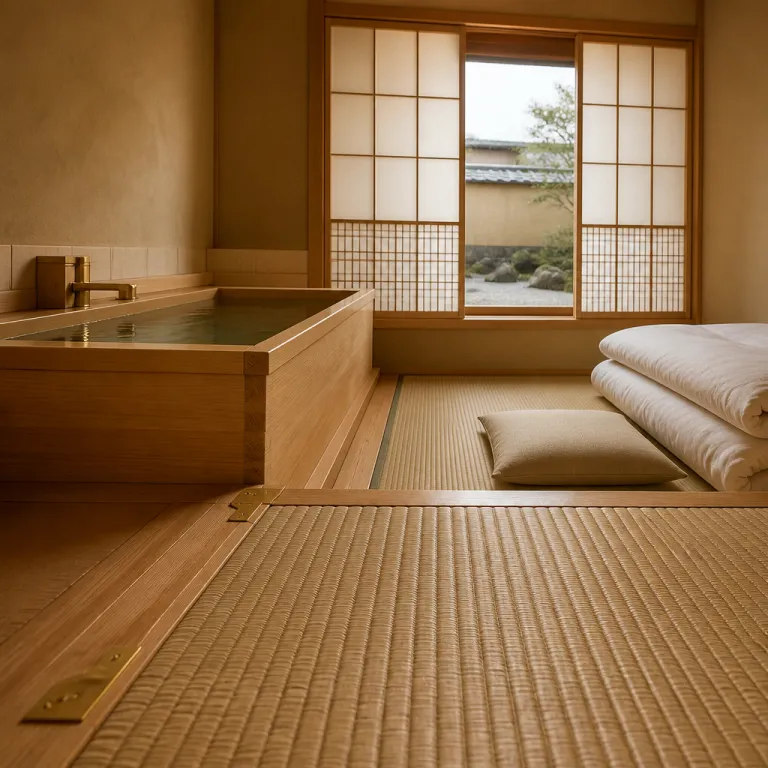
There is a deeper cultural question behind the spreadsheets and energy efficiency calculations. Can a 300 year old Japanese inn install modern HVAC management systems, motion sensitive lighting and thick insulation yet still feel like a place where time moves differently and tatami carries the scent of rice straw? The best properties treat sustainability as a form of omotenashi, using energy conservation and renewable energy to make rooms quieter, baths more comfortable and the overall environmental impact gentler on the valley outside, while still preserving shoji screens, natural materials and long standing rituals around bathing and seasonal cuisine.
From onsen valleys to living Tokyo: where the subsidies land first
Follow the money and you start to see patterns in where the green ryokan subsidy is landing. Rural prefectures with strong tourism but aging infrastructure, such as Nagano, Tohoku and parts of Kyushu, are moving fastest because energy costs bite hardest in snowbound valleys and remote coastal towns. For a multi generation inn that has watched energy consumption climb each winter, a 50 percent contribution toward new boilers, insulation and solar power arrays can be the difference between closing and welcoming another decade of guests, and this is reflected in case studies published by regional tourism bureaus summarizing approved projects.
Nagano stands out as a quiet powerhouse of sustainability, with a growing cluster of eco certified ryokan that combine altitude, clean air and serious environmental management. Tobira Onsen Myojinkan, near Matsumoto, became the first Green Key certified property in Japan in 2016, according to Green Key International’s official listing, and now runs a zero waste program that turns kitchen scraps into organic fertilizer for its own farm, which is a tangible example of sustainable tourism rather than a brochure slogan. Families who care about sustainable living can literally walk their children through the cycle from plate to compost to vegetable field, while also enjoying deep rotenburo baths and refined kaiseki dinners that highlight local produce and traditional techniques.
Urban Japan is not standing still either, especially in Tokyo where the metropolitan government has its own climate change and energy conservation targets. Newer properties in the capital are using the eco upgrade subsidy for ryokan and small hotels to modernize energy management systems, install solar power on flat rooftops and improve waste management behind the scenes, which matters when you are living Tokyo for a week with children and generating laundry, bath time steam and snack packaging. One Tokyo inn, for example, reported in a metropolitan case report that it invested roughly 18 million yen in high efficiency heat pumps and insulation, with about half covered by the subsidy, cutting winter energy use by more than 30 percent in the first year and meeting interim targets under the Tokyo Cap-and-Trade Program.
Authenticity versus LEDs: when a green ryokan still feels genuinely traditional
Many travelers worry that energy efficient upgrades will strip the soul from a ryokan stay. The fear is understandable: double glazed windows, LED lighting and high tech HVAC systems sound more like a business hotel spec sheet than a cedar framed inn beside a river. Yet the most thoughtful Japanese properties are proving that sustainability and tradition can reinforce each other when design, operations and guest communication are handled with care, and when owners treat environmental performance as part of their long term stewardship of historic buildings.
Look at how Tobira Onsen Myojinkan or Beniya Mukayu in Yamashiro Onsen approach sustainability as part of their hospitality philosophy rather than a bolt on. Myojinkan’s Green Key certification is not just a plaque at reception; it reflects third party verification of energy efficiency, waste management, water use and staff training by an independent international body, which gives eco minded guests something concrete to read beyond vague eco friendly claims. Beniya Mukayu goes further with its Mukayu Omotenashi Institute, which supports sustainable tourism through educational and cultural programs that explain how local communities, environmental stewardship and refined service can coexist, and its initiatives are regularly highlighted in regional tourism and culture reports.
For families, the key is to look past generic “eco mark” icons on websites and ask specific questions before you book. Does the property hold a recognized certification such as Green Key or an official eco mark issued by a trusted third party, and can staff explain how energy saving measures affect your stay in practical terms? Our guide to identifying genuinely sustainable ryokan in Japan breaks down what serious environmental management looks like, from renewable energy sourcing to robust green procurement policies and transparent reporting on environmental impact, including references to Ministry of the Environment guidelines on sustainable tourism.
How to read eco claims: spotting real sustainability versus greenwashing
The government’s eco upgrade program for traditional inns has triggered a wave of marketing language, and not all of it is equally honest. Some properties have invested heavily in energy saving technology, waste management systems and renewable energy, while others simply add “eco friendly” to their website without changing daily operations. As a traveler, especially as a parent booking for a family, you need a clear framework to separate genuine sustainability from green tinted wallpaper and to understand how public funds are actually being used on site.
Start with what you can verify before you travel, because transparency is a strong signal of serious intent. Look for detailed sustainability pages that explain energy consumption baselines, energy efficiency upgrades, water saving fixtures and waste reduction targets, ideally with references to recognized certification schemes such as Green Key or official eco mark programs. When a ryokan explains how the green ryokan subsidy funded specific energy conservation projects, such as solar power installations or high performance boilers, and cites figures that match those in Ministry of the Environment or Japan Tourism Agency summaries, you can mark that as a positive sign of accountable management backed by documented data.
On site, use your senses and your curiosity to test the story. Are there clear systems for separating waste, visible efforts to reduce single use plastics and staff who can talk about local communities, sustainable tourism and climate change in concrete terms rather than slogans? For a deeper policy backdrop, our feature on Japan’s plan to revive onsen ghost towns explains how national tourism strategy, environmental impact targets and the current subsidy framework for eco friendly ryokan intersect in regions where abandoned properties once dragged down entire hot spring districts and strained local government finances.
Planning an eco conscious family stay: practical tips for premium travelers
For premium families, the green ryokan subsidy is less about policy and more about how a stay feels, teaches and flows. Children notice when a property uses gentle lighting, recycles waste thoughtfully and serves seasonal food sourced from nearby farms, which turns sustainability into lived experience rather than a classroom topic. Parents, meanwhile, appreciate the quieter rooms that come with better insulation, the stable onsen temperatures delivered by efficient energy management and the knowledge that their travel footprint is being handled with care in line with national climate goals.
When you plan, start by shortlisting Japanese properties that combine strong location with clear sustainability commitments, because convenience and conscience can coexist. In Tokyo, look for inns and small hotels that reference metropolitan government climate policies, publish energy saving data and explain how they manage environmental impact in a dense urban context, which is especially relevant if you are living Tokyo for several days with children. Outside the capital, prioritize ryokan that participate in sustainable tourism initiatives, support local communities through employment and sourcing, and use renewable energy such as solar power or geothermal heat where geography allows, often with partial funding from the national eco upgrade program.
Before you confirm a booking, send a short email with three focused questions. Ask how the property has used the green ryokan subsidy, what specific energy efficiency or waste management projects are in place and whether any educational activities exist for children around sustainable living or local environmental issues. The most committed teams will respond with concrete examples, from energy conservation workshops to guided walks that explain forest management, giving your family both a refined stay and a meaningful lesson in how Japan is reimagining hospitality for a warming world, as encouraged by Ministry of the Environment sustainable tourism guidelines.
FAQ
What is the Green Ryokan Subsidy in Japan ?
The Green Ryokan Subsidy is a government program that funds eco friendly upgrades in traditional inns across Japan. It is part of a broader push for sustainable tourism, energy efficiency and reduced environmental impact in the hospitality sector. The scheme supports investments in energy efficient systems, solar power, LED lighting and other green technologies that lower energy consumption while improving guest comfort, as outlined in policy documents from the Ministry of the Environment, the Japan Tourism Agency and related agencies that oversee tourism promotion and climate policy.
How much of a ryokan’s upgrade costs does the subsidy cover ?
The current eco upgrade scheme for ryokan can cover up to 50 percent of eligible upgrade costs for each licensed facility. Funding is capped at 10 million yen per property, which is significant enough to make energy saving projects viable for many family run inns. This level of support encourages owners to prioritize renewable energy, insulation, efficient boilers and modern waste management without compromising financial stability, and the percentages are confirmed in official subsidy guidelines and annual budget requests submitted by the Ministry of the Environment and the Japan Tourism Agency.
Which types of eco upgrades are typically supported ?
Subsidized projects usually focus on reducing energy consumption and environmental impact through technology and better management. Common examples include energy efficient HVAC systems, high performance boilers, double glazed windows, LED lighting, solar power installations, water saving fixtures and improved waste management infrastructure. These upgrades align with national sustainability goals and help properties meet third party certification standards such as Green Key or official eco mark programs overseen by accredited organizations and referenced in government guidance on sustainable accommodation.
How can travelers identify genuinely sustainable ryokan in Japan ?
Travelers should look for clear evidence of sustainability rather than vague marketing claims. Recognized certification, such as Green Key or an official eco mark, indicates that a third party has assessed energy efficiency, waste management, water use and overall environmental impact. Guests can also read property information carefully, ask about how the green ryokan subsidy was used and observe on site practices such as recycling, local sourcing and educational programs about sustainable living, comparing what they see with the priorities described in Ministry of the Environment and Japan Tourism Agency materials.
Why are eco certified ryokan appealing for families ?
Eco certified ryokan offer families a chance to combine comfort, culture and environmental responsibility in one stay. Children can see sustainability in action through visible systems like recycling stations, organic gardens, energy saving signage and local community projects supported by the property. Parents benefit from quieter, more efficient rooms and the reassurance that their travel choices support sustainable tourism and climate conscious hospitality in Japan, in line with national goals to cut greenhouse gas emissions and protect fragile onsen regions.