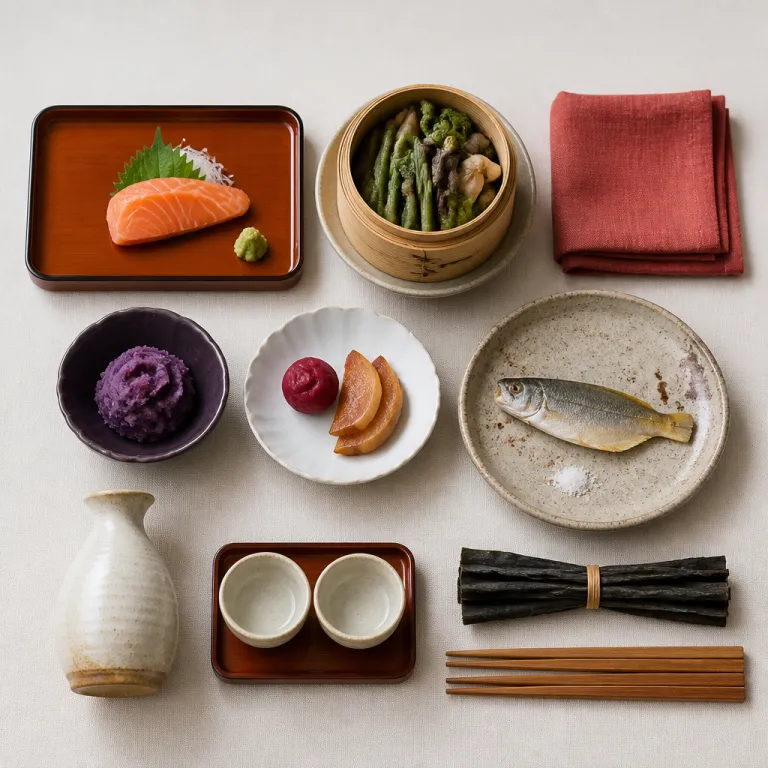
Ryokan regional cuisine in Japan as a reason to travel
Ryokan regional cuisine in Japan turns a simple overnight into a culinary pilgrimage. In a country with an estimated 50 000 ryokans spread from Hokkaido to Kyushu, the most memorable traditional Japanese inns are defined less by the room category and more by what is served on the lacquered tray. When you plan a book stay on a luxury focused platform, treat the kitchen as seriously as the onsen or the view.
A ryokan is a traditional Japanese inn offering cultural experiences, and in the best ryokan hotels the food quietly outshines many city hotels. Regional ryokan experience menus lean into Japanese cuisine that reflects local farms, rivers and hot springs, while the staff will often explain which dish comes from which village. When you read property descriptions, look for mentions of multi course kaiseki dinners, natural hot spring water used for cooking rice, and breakfast built around nearby fishermen or vegetable growers.
Families staying ryokan for the first time in Japan should think about meals before they think about tatami layouts. Ask whether dinner served in the private dining room or in your Japanese style room can be adapted for children, and whether a lighter course dinner is available for younger guests. The most rewarding ryokan regional cuisine in Japan balances formal kaiseki structure with relaxed omotenashi, so that both adults and children feel that every dish is thoughtfully served rather than theatrically staged.
When kaiseki is local, not generic: San'in crab and Kyoto restraint
Not all kaiseki in Japan is created equal, and ryokan regional cuisine in Japan makes that clear the moment the first course arrives. AUN Consulting notes that Japan’s hospitality market is shifting from volume to quality, and you feel this in ryokans where the course dinner is built around one place rather than a safe, tourist friendly checklist. The difference between a kaiseki designed for tour buses and one rooted in a fishing port or mountain valley is the difference between a pleasant dinner and a destination meal.
On the Sea of Japan coast in the San’in region, winter means hot pots and sashimi built around matsuba crab, and the best Japanese inn kitchens there serve almost every part of the animal. At a serious ryokan hotel in Tottori or Shimane, dinner served in a small dining room might move from raw leg meat to grilled shell to a hot crab miso dish, with rice cooked in crab stock at the end. This is kaiseki as regional storytelling, not as a greatest hits compilation you could eat in any hotel in Tokyo.
Kyoto ryokan properties take a different path, and their kaiseki meals are often quieter and more restrained. In a good Kyoto dining room, guests might receive a multi course sequence of delicately seasoned vegetables, river fish and tofu, with one hot dish at the center and a focus on seasonal Japanese style ceramics. For a deeper look at how dinner becomes the destination rather than the room, read the analysis in this kaiseki paradox guide before you book stay options in Kyoto or other historic cities.
Mountains on the plate: Nagano, Tohoku and Kagoshima
Head into the mountains and ryokan regional cuisine in Japan shifts from ocean to forest. In Nagano, traditional Japanese inns lean on soba, apples and mountain vegetables, and a thoughtful ryokan breakfast might feature handmade buckwheat noodles in hot broth alongside grilled river fish. When you are staying ryokan with children, ask whether the staff will arrange a smaller soba portion or a milder dipping sauce, because some broths can be surprisingly intense.
Tohoku ryokans, especially in Akita and Yamagata, build meals around sansai, the wild greens foraged in spring, and around river fish such as iwana and yamame. A typical course dinner in a serious Japanese inn there might include charcoal grilled fish on skewers, a hot pot of local pork, and rice cooked in a donabe over a hot flame, with each dish served in a way that highlights the region’s short summers and long winters. These meals feel far removed from what most hotels in Tokyo can offer, and they turn the ryokan experience into a lesson in northern seasonality.
Far to the south in Kagoshima, ryokan regional cuisine in Japan leans into kurobuta pork, sweet potatoes and shochu pairings. Here, dinner breakfast combinations might include slow simmered pork belly at night and miso soup enriched with pork stock in the morning, while some ryokan hotels also offer hot stone grilling in semi private dining rooms. Families who book stay packages in these Japanese style properties should ask in advance how strongly flavored dishes will be served to children, and whether alternative meals can be prepared without shochu based sauces; for a sense of how urban properties handle similar questions, see this overview of top rated ryokan in Tokyo.
Onsen, seasons and why breakfast matters more than dinner
Hot springs shape ryokan regional cuisine in Japan as much as any ingredient list. In many onsen towns, natural hot spring water is used to cook eggs, vegetables and even tofu, and the subtle mineral flavors carry through to both dinner and breakfast. If you care about food, read how each Japanese inn talks about its hot spring and kitchen in the same breath, because that link often signals a serious approach to hospitality.
Seasonality is not a slogan here ; it is the operating system. A spring stay in a Tohoku ryokan hotel might mean multi course meals built around sansai and river fish, while an autumn return to the same property brings hot mushroom rice, chestnut desserts and richer broths. The best ryokans publish sample menus for each season, and careful guests use these to time their book stay dates around the dishes they most want to eat.
Breakfast is where the kitchen’s real discipline shows, and it matters more than many travelers expect. A strong ryokan breakfast will served grilled fish, tamagoyaki, pickles, miso soup and rice that feel as considered as the previous night’s dinner served kaiseki, with no sense of leftovers being repurposed. For a deeper understanding of how regional hot springs influence both bathing and cooking, the article on how mineral composition shapes the onsen experience is essential reading before you choose between different hot spring valleys.
How to spot a food destination ryokan before you book
Choosing a ryokan for its kitchen requires reading between the lines of glossy photos. Look for explicit mentions of kaiseki, of multi course dinners and of ingredients sourced from named farmers or fishermen, because these details rarely appear in generic hotel marketing. When a property notes that dinner breakfast combinations change daily based on the market, you are usually looking at a serious culinary operation rather than a standard hotel buffet.
Reviews from past guests are another filter for ryokan regional cuisine in Japan, especially for families. Pay attention when travelers mention that the staff will quietly adjust spice levels for children, or that a particular dining room offered both tatami seating and chairs, which matters for grandparents. Comments about a specific hot dish, such as Nagano soba in hot broth or San’in crab in winter, carry more weight than vague praise about “great food”.
Expert voices can help you calibrate expectations as well. As one reference explains, “What is a ryokan?” and “What is kaiseki cuisine?” are answered simply as “A traditional Japanese inn offering cultural experiences.” and “A multi-course Japanese meal emphasizing seasonal ingredients.”, and those definitions are a useful baseline when you compare ryokans across Japan. When you see a ryokan hotel promising a kaiseki style course dinner without any mention of local rivers, farms or hot springs, assume the meals will be pleasant but not transformative, and prioritize properties where regional specificity is front and center.
FAQ
What is the main difference between a ryokan and a regular hotel for food?
A ryokan focuses on traditional Japanese cuisine that reflects its immediate region, while a regular hotel often offers broader, more international menus. In a ryokan hotel, dinner served as kaiseki is usually included in the room rate and eaten in a private dining room or in your room. This structure turns meals into a central part of the ryokan experience rather than an optional add on.
How can I tell if a ryokan’s kaiseki is tourist oriented or truly regional?
Read the menu descriptions and guest reviews carefully, looking for specific local ingredients rather than generic Japanese dishes. A regional kaiseki will highlight items such as San’in crab, Nagano soba or Tohoku mountain vegetables, and will often change completely with the seasons. Tourist oriented meals tend to repeat the same safe dishes year round and rarely mention nearby farms, rivers or hot springs.
Is breakfast at a ryokan suitable for children and picky eaters?
Many ryokans can adapt breakfast for children, but you should ask in advance. Traditional ryokan breakfast usually includes grilled fish, rice, miso soup and several small side dishes, which can feel unfamiliar to younger guests. When you book stay options, check whether the staff will prepare simpler items such as eggs or yogurt alongside the Japanese style set.
Do all ryokans have onsen and do hot springs affect the food?
Not every Japanese inn has a natural hot spring, but many of the most memorable properties do. In onsen towns, kitchens sometimes use hot spring water to cook eggs, vegetables or tofu, adding a subtle mineral character to certain dishes. If bathing and food are both priorities, choose a ryokan where the hot springs and the kitchen are described together in the property information.
When is the best season to visit a ryokan for regional cuisine?
The best season depends on the region and the ingredients you want to experience. Spring in Tohoku brings sansai and river fish, winter in San’in highlights crab, and autumn in Nagano showcases mushrooms and mountain vegetables. Check sample seasonal menus on booking sites and align your travel dates with the meals that interest you most.