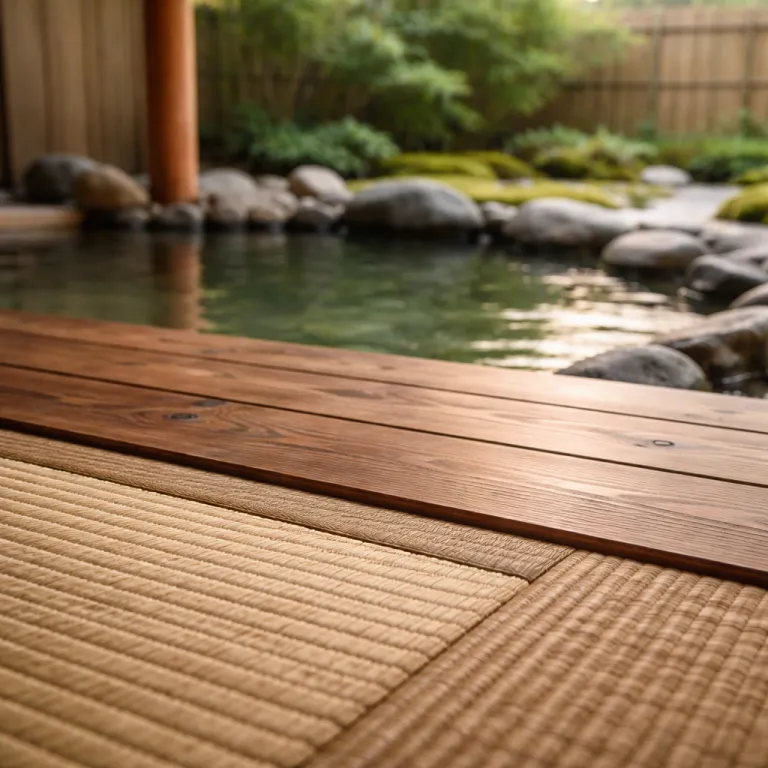
KAI Kusatsu and the green season case for onsen travel
New ryokan openings scheduled for summer 2026 are reshaping how serious travelers plan their onsen circuits. This season’s headline is KAI Kusatsu, a Hoshino Resorts property in Gunma that leans into slow travel, volcanic springs and a style of modern luxury that respects the old timber bones. For solo guests, this is the kind of hot spring hotel where the nakai-san quietly adjusts your futon height rather than your Instagram angle.
The hotel will sit above Kusatsu’s steaming yubatake, so many guest rooms and suites will feature diagonal views of the town’s hot spring fields rather than a clichéd beach resort panorama. Designed rooms here are compact yet calm, with tatami underfoot, shoji screens and separate sleeping and sitting zones so guests enjoy a real sense of ritual. In a season when many resorts chase rooftop bars, KAI Kusatsu doubles down on deep indoor baths and a small spa wing focused on wellness rather than spectacle.
For travelers tracking notable onsen openings in 2026, timing matters because June brings tsuyu, the rainy season that softens prices and crowds. As of early 2025, the official launch is announced for late June 2026 on Hoshino Resorts’ channels, and bookings should be locked in three to four months ahead if you want specific room categories, especially corner suites with better views. Expect advance reservations to be handled through the KAI Kusatsu page on the Hoshino Resorts booking site, and note that single-occupancy plans for solo travelers are typically released in limited numbers on weekdays. Our detailed guide to KAI Kusatsu’s onsen retreat explains why this season’s programming — slow breakfasts, late check out, guided walks between showers — will offer more to solo travelers than any generic city hotel with a fitness center.
Island quiet: Miyajima, Yakushima and the rise of refined retreats
Not all new ryokan launches in 2026 are in the city; some of the most interesting properties sit on islands where cicadas drown out traffic. KAI Miyajima, scheduled for mid summer with an anticipated July opening according to Hoshino Resorts’ announcements, brings a restrained luxury resort sensibility to the sacred island just across from Hiroshima, with guest rooms angled toward the torii gate and the shifting tides. This is island hospitality that feels closer to a Four Seasons–style hotel in its polish, yet the onsen etiquette and kaiseki pacing remain firmly ryokan.
Solo travelers who usually default to international hotel brands such as Mandarin Oriental or Waldorf Astoria will notice the difference immediately. Instead of a lobby bar, the focal point is a low lit lounge where guests enjoy tea before slipping into yukata, and instead of a sprawling spa complex, there are a few carefully designed suites with private rotenburo facing the water. For a deeper sense of the area’s ryokan culture, pair your stay with the properties featured in our Miyajima refined stays guide, then use KAI Miyajima as your modern luxury counterpoint.
Farther south, the Atona brand from Hyatt Hotels Corporation and Kiraku is moving toward its first opening wave in Yufu, Yakushima and Hakone, all relevant to the 2026 ryokan landscape even if exact dates are still being finalized. These hotels are expected to feature compact guest rooms that foreground hinoki baths, local timber and quiet lighting rather than oversized suites, and each property will offer dining options that lean into regional produce rather than generic resort menus. Think of them as a bridge between an international city hotel in Saudi Arabia or Tokyo and a family run inn, with enough English speaking staff to keep solo guests comfortable but enough restraint to let the island silence do the work.
Mountain retreats and renovated classics: Zao, Matsumoto and Chikusenso
While many travelers chase coastal air, some of the most rewarding 2026 ryokan debuts sit in the mountains, where mist hangs low over cedar forests. KAI Zao and the reopening of KAI Matsumoto extend Hoshino Resorts’ reach into highland onsen territory, with guest rooms that frame ridgelines instead of any beach. These are not beach resort escapes; they are places where you arrive by train, walk through a quiet city fringe and step into a lobby that smells faintly of cedar and rice straw.
In both properties, redesigned suites will feature low platform beds for those who prefer mattresses to futons, while still keeping tatami living areas for tea and late night reading. The hotel will offer compact but well equipped wellness corners rather than a full Western style fitness center, because the real workout is the walk between indoor and outdoor baths in cool evening air. For travelers used to Four Seasons hotels or a polished resort, the service cadence here feels familiar — attentive, multilingual, but anchored in omotenashi rather than brand script.
Chikusenso in Miyagi, freshly renovated, deserves equal attention within the context of upcoming onsen stays because the work goes far beyond a cosmetic refresh. Public baths have been re tiled, the restaurant now opens onto a mossy ravine, and several guest rooms have been reimagined as suites with private open air tubs that capture forest views. If you are weighing this against more urban options, our elegant guide to choosing an onsen ryokan offers a useful framework for deciding when a renovated property can feel more rewarding than a brand new city hotel tower.
How and when to book: strategy for solo travelers this summer
Planning around these summer 2026 ryokan debuts requires a different mindset from booking a conventional luxury hotel or resort. These properties are small, with limited rooms and suites, and they operate on seasonal rhythms that reward travelers who understand when locals travel and when the onsen towns exhale. For July and August, assume that any opening tied to a major city or famous island will sell out for weekends at least three months in advance.
Start by mapping your route — city hotel nights in Tokyo or Osaka at either end, then two or three nights in onsen towns where the property is the destination. For each ryokan, check whether the hotel will offer single occupancy rates in all guest rooms or only in specific categories, because this can dramatically change your budget. When comparing options, remember that a smaller inn with no formal spa or fitness center can still deliver deeper wellness through quieter baths, better air and more attentive restaurant pacing.
On the practical side, treat these stays with the same seriousness you might bring to booking high demand hotels and resorts in places such as Saudi Arabia during major events. Read floor plans carefully so you understand how room types relate to public baths, bar lounges and dining rooms, and pay attention to whether the property will feature river views, forest views or partial city views. As you compare official reservation pages, keep in mind that a ryokan is a traditional Japanese inn featuring tatami rooms and communal baths, and an onsen is a natural hot spring bath often found in these inns; reservations are usually made directly through the property’s website or via trusted travel agencies.
FAQ
What makes new ryokan openings this summer different from standard hotels?
New ryokan projects for summer 2026 focus on traditional architecture, tatami guest rooms and natural hot spring baths rather than generic hotel layouts. Where a typical luxury hotel might highlight a rooftop bar, a ryokan emphasizes kaiseki dining, onsen etiquette and quiet wellness rituals. For many travelers, that shift from spectacle to stillness is the main reason to book these properties over conventional hotels and resorts.
When should I reserve for peak summer onsen stays?
For July and August, plan to reserve 2026 onsen stays at least three to four months ahead, especially if you want specific suites or rooms with better views. Properties near major city gateways or on famous islands tend to fill first, particularly on weekends and public holidays. Flexible travelers who can arrive midweek or during the early rainy season often find more choice and better value.
Are solo travelers welcome at these new ryokans?
Many of the upcoming hot spring inns, including KAI Kusatsu and the upcoming Atona properties, are consciously designing guest rooms and dining options that work well for single guests. Some inns still price per person rather than per room, so solo travelers may pay a premium compared with a city hotel, but they gain access to quieter baths and more attentive service. Checking whether the property clearly lists single occupancy plans is the most reliable way to avoid surprises.
How do these openings support local culture and economies?
Operators behind these 2026 ryokan launches, such as Hoshino Resorts and the Atona partnership, work closely with local artisans, farmers and tourism boards. That collaboration keeps traditional crafts, regional cuisine and onsen culture visible to international guests while generating year round income for rural communities. Choosing these properties over anonymous hotels can therefore be a small but meaningful way to support cultural preservation.
What should I know about onsen etiquette before booking?
Onsen etiquette at these new properties follows long established rules that differ from Western spa culture. Guests bathe nude, wash thoroughly before entering the shared pools and keep towels out of the water, which helps maintain both hygiene and a sense of calm. Learning a few basic Japanese phrases and reading each property’s guidelines in advance will make the experience smoother and more respectful for everyone.