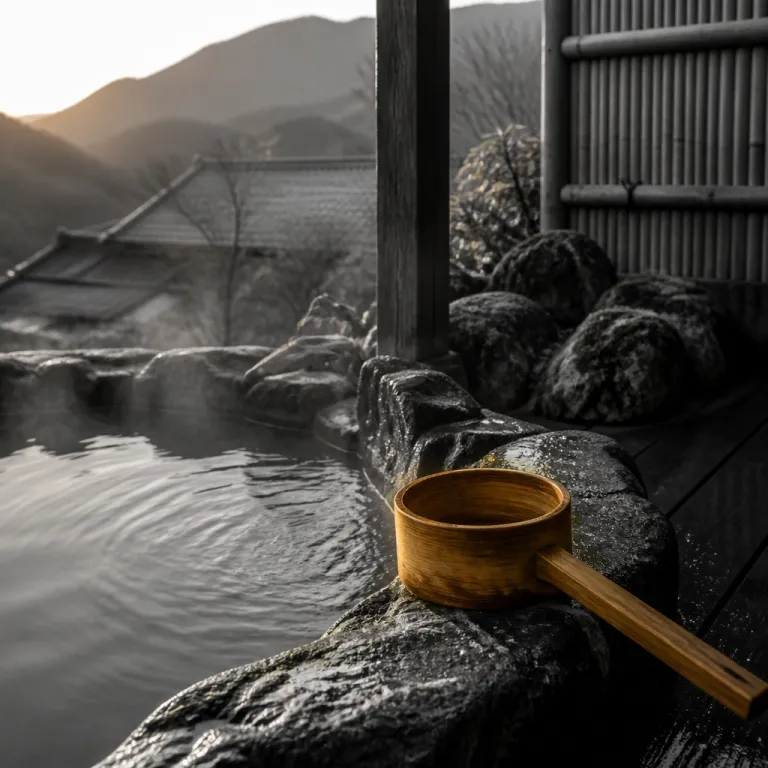
Hakone mountain escapes for tattooed guests seeking refined onsen time
Hakone sits in the mountains of Kanagawa and offers some of the most atmospheric hot springs in Japan. For travelers searching for a hakone tattoo friendly onsen, the area now balances traditional etiquette with inclusive policies that welcome tattooed guests. This makes it one of the best mountain escapes for international visitors who want both culture and comfort.
Many travelers worry that their tattoos will limit access to onsen in Japan. That concern is valid, because a traditional onsen in Hakone may still enforce a strict tattoo policy in its public baths. However, a growing number of friendly onsen options, including facilities with private baths and flexible rules, now cater to guests with visible body art.
Two names stand out for anyone researching a hakone tattoo friendly onsen. Tenzan Onsen is a classic wooden bathhouse in a forested valley, while Yunessun is a playful swimsuit spa complex that also operates traditional hot spring zones. Both sit within easy reach of Hakone Yumoto, the main gateway town where trains arrive from Tokyo and where many onsen ryokan offer refined stays.
Official guidance from local tourism offices now confirms a clear shift in attitudes toward tattoos. “Are there tattoo-friendly onsens in Hakone? Yes, Tenzan Onsen and Yunessun allow guests with tattoos.” This simple statement, echoed on multilingual visitor information sites, has encouraged more tattooed guests to consider a day trip or overnight stay in the mountains around Hakone.
For travelers who value privacy, the rise of private hot spring suites has been transformative. Many luxury onsen ryokan in Hakone now feature rooms with open air baths fed by natural hot springs, allowing tattooed guests to relax without any concern about a shared public bath. These properties combine traditional architecture, refined kaiseki cuisine, and attentive service with a modern, tattoo friendly approach.
When planning a mountain escape, it helps to understand how onsen Hakone culture works. The region’s hot springs bubble up at different temperatures and mineral compositions, and each onsen ryokan or day spa channels its own source. Guests can enjoy everything from rustic stone baths beside rivers to sleek indoor pools with views toward the Fuji Hakone landscape.
Understanding tattoo policy and etiquette at Hakone’s luxury onsen
Before booking any stay, you should examine the tattoo policy of each property. Traditional onsen in Japan often associate tattoos with organized crime, which explains why some public baths still restrict access for tattooed guests. In Hakone, however, a growing number of operators now publish clear, inclusive rules that classify them as a genuinely tattoo friendly onsen choice.
Tenzan Onsen is frequently highlighted as one of the best options for a hakone tattoo friendly onsen experience. The complex features multiple outdoor baths, including rock pools and wooden tubs, all fed by hot springs that flow through a forested ravine. Because Tenzan Onsen welcomes tattoos in its public bath areas, it has become a reference point for inclusive bathing culture in the region.
Yunessun offers a different style of onsen Japan experience, with themed pools where guests wear swimsuits. This makes it particularly approachable for first time visitors who feel shy about nude public baths, including those with large tattoos. The adjoining traditional zone, Mori no Yu, provides more classic hot spring baths, and together they form a versatile option for mixed groups and families.
Luxury travelers often compare Hakone with other mountain hot spring regions before choosing where to stay. For example, some guests weigh a refined onsen escape in Takayama against a hakone tattoo friendly onsen stay, using guides such as this detailed resource on Takayama ryokan stays in the Japanese Alps. Hakone usually wins for ease of access from Tokyo, while Takayama appeals to those who want a quieter, more remote atmosphere.
When reading any tattoo policy, look for explicit references to tattoos rather than vague wording. Some onsen ryokan in Hakone allow small onsen tattoo designs if they can be covered with a patch, while others accept tattooed guests without restrictions. If the rules are unclear, a polite email in advance will usually clarify whether the property is truly a friendly ryokan for your needs.
Etiquette still matters, even at a hakone tattoo friendly onsen. Guests should always wash thoroughly at the shower stations before entering any hot spring, whether it is a private bath or a shared public bath. Speaking quietly, keeping towels out of the water, and respecting gender separated areas are all part of the onsen Japan experience that luxury travelers are expected to follow.
Choosing a luxury onsen ryokan in Gora and Hakone Yumoto
Gora and Hakone Yumoto are the two main hubs for a refined hakone tattoo friendly onsen stay. Hakone Yumoto sits at the base of the mountains near Yumoto Station, making it ideal for a short day trip or a one night escape from Tokyo. Gora lies higher in the hills, with cooler air, sweeping views, and a cluster of upscale onsen ryokan that appeal to design conscious travelers.
In Hakone Yumoto, many traditional inns line the river and offer both public baths and private hot spring tubs. Some of these ryokan now position themselves as a friendly ryokan option for tattooed guests by emphasizing private baths in guest rooms. When a property combines a flexible tattoo policy with refined kaiseki dinners and attentive service, it becomes a strong candidate for the best hakone tattoo friendly onsen stay.
Gora, reached by cable car and mountain railway, feels more secluded and alpine. Here, luxury onsen ryokan often feature suites with private open air baths that draw directly from the local hot springs, giving tattooed guests complete privacy. Because these properties rely less on large public baths, they can maintain a discreet, tattoo friendly environment without confronting traditional expectations.
Travelers who enjoy comparing mountain regions sometimes look beyond Hakone to the Japanese Alps. For example, this guide to Nagano ryokan stays and refined onsen luxury helps guests understand how Hakone’s hot spring culture differs from that of Nagano. Hakone tends to offer more varied day trip options and easier transport, while Nagano excels at deep winter escapes and ski combined stays.
When evaluating properties in Gora or Hakone Yumoto, pay attention to how they describe their baths. A ryokan that highlights both a large public bath and several private hot spring options is usually better suited to tattooed guests. If the website mentions a clear tattoo policy, or uses phrases such as tattoo friendly or friendly onsen, that is a strong signal that management understands the needs of international visitors.
Luxury travelers should also consider the overall layout of each property. Some Gora ryokan place their public baths on upper floors with panoramic views toward the Fuji Hakone area, while others hide them in quiet garden courtyards. In both cases, a mix of private and public facilities allows tattooed guests to choose the level of exposure that feels comfortable during their stay.
Day trip bathing, free passes, and navigating Hakone’s hot springs
Not every traveler wants an overnight stay, and Hakone excels as a day trip destination. From Tokyo, you can reach Hakone Yumoto Station in under two hours, then transfer to local trains or buses that serve the main onsen areas. For tattooed guests, a carefully planned day can include both a hakone tattoo friendly onsen visit and a scenic circuit through the mountains.
Many visitors purchase a regional free pass that covers trains, buses, and some ropeways around the Fuji Hakone area. This type of Hakone Free Pass simplifies movement between Hakone Yumoto, Gora, and the lakeside zones, allowing more time to enjoy hot springs rather than queue for tickets. While the free pass does not usually include onsen admission, it pairs well with a list of friendly onsen that welcome tattoos.
Tenzan Onsen is a classic choice for a day trip because it operates as a dedicated hot spring facility rather than a ryokan. Guests pay an entry fee, store their belongings, and then move between multiple baths, including outdoor pools framed by rocks and trees. Since Tenzan Onsen is known as a tattoo friendly onsen, tattooed guests can relax in both the indoor and outdoor baths without worrying about being turned away.
Yunessun, with its swimsuit zones and playful themed pools, also works well for families or mixed groups on a day trip. The complex allows tattoos, which makes it an accessible introduction to onsen Japan culture for first time visitors who might feel nervous about a nude public bath. Those who want a more traditional experience can add a session in the Mori no Yu area, which offers classic hot spring baths with a calmer atmosphere.
When planning a hakone tattoo friendly onsen day, consider timing as carefully as location. Visiting early in the day or later in the evening often means quieter baths, which can be more comfortable for tattooed guests who prefer discretion. Off peak hours also allow more time to move between different hot spring temperatures and styles, from steaming indoor pools to cooler outdoor rock baths.
For travelers who fall in love with the ritual of bathing, Hakone can be the start of a wider journey. Some guests use their first hakone onsen experience as a benchmark before exploring other regions, such as the Japanese Alps or coastal hot spring towns. A well planned day trip that combines a free pass, a friendly onsen, and scenic mountain transport can provide the confidence to explore more remote onsen ryokan later.
Balancing privacy and tradition: private baths for tattooed guests
One of the most effective ways to enjoy a hakone tattoo friendly onsen stay is to book a room with a private bath. These baths, often called kashikiri or private onsen, allow guests to reserve a time slot or enjoy an attached hot spring tub on their balcony. For tattooed guests, this arrangement removes any anxiety about entering a public bath while still delivering the full sensory experience of natural hot springs.
In Hakone, many luxury onsen ryokan have invested in suites with open air baths that draw directly from the local hot spring source. Guests can slide open a shoji screen, step onto a wooden deck, and sink into steaming water while listening to wind in the trees. Because these private baths are not shared, the tattoo policy is usually relaxed, and tattooed guests can bathe alone, as a couple, or as a family without concern.
Some properties also operate bookable private baths within their main bathing areas. These rooms often feature stone tubs, subdued lighting, and views of gardens or ravines, creating a serene alternative to the larger public bath. For travelers who want to experience both styles, a combination of private sessions and short visits to the public baths can provide a balanced introduction to onsen Hakone culture.
Luxury travelers should pay attention to how each ryokan describes its facilities in English. A property that highlights private hot spring options, mentions tattoo friendly policies, and explains how tattooed guests can use both private and public baths is usually more experienced with international clientele. This level of transparency reflects a broader trend in Hakone, where operators aim to preserve tradition while welcoming a more diverse range of guests.
Privacy does not mean isolation, and many guests enjoy alternating between their own bath and shared spaces. After a quiet soak in a private onsen, you might visit the lounge for tea, stroll through a mossy garden, or join other guests for a multi course kaiseki dinner. This rhythm of solitude and gentle social contact is one of the reasons why a hakone tattoo friendly onsen stay feels so restorative.
For travelers planning a longer itinerary, it can be helpful to align private bath bookings with special events. For example, some properties highlight open air bath celebrations around late June, and resources such as this guide to open air bath day and rotenburo celebrations can inspire timing. Combining a private hot spring suite with seasonal events allows tattooed guests to enjoy both intimacy and a sense of connection to Japan’s bathing calendar.
Public baths, etiquette, and inclusive trends in Hakone’s onsen culture
Public baths remain at the heart of onsen culture in Japan, and Hakone is no exception. Even travelers who prioritize private baths often feel curious about the social atmosphere of a large public bath. For tattooed guests, a hakone tattoo friendly onsen with inclusive public facilities offers a rare chance to participate fully in this tradition.
At places such as Tenzan Onsen, the layout encourages quiet movement between multiple pools. Guests step from a steamy indoor hot spring to an outdoor rock bath, then perhaps to a hotter or cooler pool, following their own rhythm. Because the tattoo policy here welcomes tattoos, the focus shifts from anxiety about being judged to the simple pleasure of alternating temperatures and listening to the sound of water.
Yunessun’s swimsuit zones create a different kind of public bathing environment. Families, couples, and groups of friends move between playful themed pools, which can be an ideal setting for tattooed guests who prefer a more casual atmosphere. The presence of tattoos in these spaces feels normal, which helps normalize the idea of a friendly onsen for future generations of Japanese and international visitors.
Across Hakone, the percentage of onsen that allow tattoos remains lower than those that restrict them, but the trend is gradually shifting toward more inclusive policies. Reports from national tourism and onsen associations describe a steady increase in facilities that accept tattoos in some form, and Hakone is often cited as a leading region for this change. This evolution reflects both rising international tourism and a desire among younger operators to reinterpret tradition rather than simply preserve it unchanged.
Etiquette in public baths remains consistent, regardless of tattoo policy. Guests should wash thoroughly before entering any pool, keep hair tied up if long, and avoid bringing towels into the water. Speaking softly, refraining from photography, and respecting gender separated areas are all part of the unspoken code that makes a hakone onsen visit feel calm and dignified.
For tattooed guests, a little preparation goes a long way. Carrying a small towel or cover can be useful if you feel more comfortable concealing part of an onsen tattoo in a mixed setting, even when the official policy is relaxed. Most importantly, choosing a hakone tattoo friendly onsen with a clear, written tattoo policy ensures that your focus can remain on the sensation of hot springs, mountain air, and the quiet luxury of unhurried time.
Planning your Hakone itinerary: access, seasons, and refined experiences
Designing a refined hakone tattoo friendly onsen itinerary starts with understanding the geography of the region. Hakone Yumoto serves as the main entry point, with Yumoto Station connecting directly to Odawara and onward to Tokyo. From there, a network of trains, buses, and cable cars fans out toward Gora, Lake Ashi, and the higher hot spring clusters.
Many travelers choose to base themselves in Hakone Yumoto for one night, then move to Gora or another hillside area for a second night. This approach allows you to experience both the lively atmosphere of a gateway town and the quieter, more secluded feel of a mountain onsen ryokan. Tattooed guests can prioritize a friendly ryokan with private baths on at least one of those nights, ensuring a fully relaxed hakone tattoo friendly onsen experience.
Seasonality adds another layer of nuance to planning. In spring and autumn, the hills around Hakone glow with blossoms or foliage, and open air baths become especially appealing for tattooed guests who value scenic privacy. Winter brings crisp air and the possibility of snow, which makes a steaming hot spring feel even more luxurious, while summer invites longer evenings in outdoor baths under the stars.
Transport passes, such as the regional free pass, can simplify movement and reduce costs. A Hakone Free Pass typically covers key segments of the Fuji Hakone transport network, including mountain railways and some boats, which makes it easier to combine sightseeing with visits to friendly onsen. While the pass does not usually include entry to Tenzan Onsen or other hot spring facilities, it does make spontaneous detours to different baths more practical.
When booking, consider how each property’s tattoo policy aligns with your comfort level. Some luxury onsen ryokan in Hakone clearly state that they welcome tattooed guests in both private and public baths, while others focus on private hot spring options and remain discreet about tattoos. Reading recent guest reviews and, if necessary, contacting the property directly will help ensure that your hakone tattoo friendly onsen stay matches your expectations.
A well structured itinerary might include a day trip circuit with a free pass, a visit to a dedicated friendly onsen such as Tenzan Onsen, and one or two nights in a ryokan with private baths. This combination allows you to experience both the social and intimate sides of onsen Japan culture in a single journey. By aligning transport, seasons, and tattoo policy, you can create a mountain escape in Hakone that feels both deeply traditional and comfortably inclusive.
Key statistics and trends for Hakone tattoo friendly onsen stays
- Surveys by organizations such as the Japan Tourism Agency and the All Japan Ryokan Hotel Association indicate a gradual increase in onsen that accept tattoos in some form, reflecting a meaningful shift toward more inclusive bathing culture.
- Hakone’s hot spring facilities rank among the most visited in Japan according to Kanagawa Prefecture tourism data, underscoring the region’s importance as a leading hot spring destination.
- Operators in Hakone report a steady increase in demand for private baths and suites with attached hot springs, reflecting the preferences of tattooed guests and luxury travelers who value privacy and flexibility.
- Local tourism boards and international travel agencies now actively promote tattoo friendly onsen options such as Tenzan Onsen and Yunessun, signaling institutional support for more inclusive policies.
- Industry observers note a rise in multilingual signage and online explanations of tattoo policy at Hakone onsen, which improves clarity for international guests and reduces the risk of misunderstandings at check in.
FAQ about Hakone tattoo friendly onsen and luxury ryokan stays
Are there tattoo friendly onsen in Hakone that accept visible tattoos?
Yes, there are several tattoo friendly onsen in Hakone that accept visible tattoos without requiring them to be covered. Tenzan Onsen and Yunessun are two well known examples where tattooed guests can use the baths freely. Many ryokan also offer private hot spring options that are suitable for guests with larger tattoos.
Do I need to cover my tattoos at Tenzan Onsen or Yunessun?
No, covering tattoos is not required at Tenzan Onsen and Yunessun, which both operate with inclusive policies toward tattooed guests. This makes them ideal choices for travelers who want a relaxed hakone tattoo friendly onsen experience. Standard onsen etiquette still applies, including washing before bathing and keeping towels out of the water.
Can I find luxury ryokan in Hakone with private baths for tattooed guests?
Many luxury ryokan in Hakone, especially in Gora and Hakone Yumoto, feature rooms with private open air baths fed by natural hot springs. These private baths are ideal for tattooed guests who prefer to bathe in complete privacy. When booking, look for properties that highlight private onsen facilities and clearly explain their tattoo policy.
Is Hakone suitable for a day trip if I want a tattoo friendly onsen?
Hakone works very well as a day trip from Tokyo for travelers seeking a tattoo friendly onsen. You can reach Hakone Yumoto Station in under two hours, then visit facilities such as Tenzan Onsen or Yunessun that welcome tattooed guests. Using a regional free pass can help you combine hot springs with scenic transport around the Fuji Hakone area.
How can I check the tattoo policy of a Hakone onsen or ryokan before booking?
The most reliable approach is to read the property’s official website carefully and look for explicit references to tattoos or a tattoo policy. If the information is unclear, sending a short email in English or Japanese usually yields a direct answer about whether tattooed guests are accepted in public baths or only in private facilities. This simple step ensures that your hakone tattoo friendly onsen stay proceeds smoothly from arrival to checkout.
