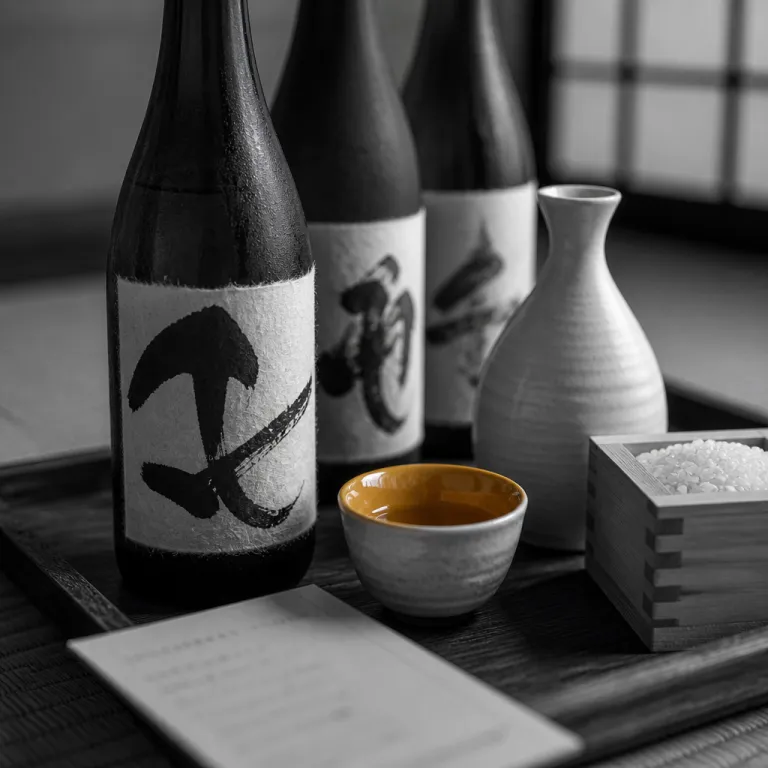
Why the sake list matters as much as the kaiseki menu
At a serious ryokan in Japan, the sake list is a quiet manifesto. It tells you which local rice fields, mountain springs, and breweries the property trusts to stand beside its most intricate Japanese food. Treating that list as an afterthought means missing half of the flavor story your stay is trying to tell.
This ryokan sake pairing guide for Japan is not about memorizing obscure labels ; it is about reading how the drinks list mirrors the kitchen, from the polishing ratio of the rice to the way each drink shapes umami on your tongue. When you understand the main types of Japanese sake and how they interact with food, you start to order with the same care you used when choosing your room and onsen view. That is when pairing sake with each course becomes a form of travel in itself, not just a way to add alcohol to dinner.
Think of the list as you would a serious wine program, except every bottle is anchored in a specific valley, town, or coastline in Japan. Niigata’s tanrei karakuchi style pairs well with sashimi because its light, dry profile cuts through fat as cleanly as a Chablis. In Akita, robust junmai styles bring a deeper flavor that suits grilled black cod or richer food pairings where you want the drink to stand up to the dish.
Most ryokan now lean into this regional identity, often partnering with one or two nearby sake breweries rather than stocking generic brands from across Japan. That means the sake food pairing you experience in Kanazawa, poured into lacquerware that feels almost too beautiful to drink from, will be very different from a similar meal in Hiroshima. For travelers who care about culinary detail, learning to read these local choices turns a simple drink into a map of your journey.
Decoding junmai, ginjo and daiginjo on a ryokan menu
When the nakai san hands you the drinks list, the first decision is usually between junmai, ginjo, and daiginjo. These words describe both the polishing ratio of the rice and the brewing approach, which together shape how light, sweet, or umami driven the final drink will feel. Understanding these types makes it far easier to choose a sake that pairs well with each stage of your kaiseki meal.
Junmai means the brewer uses only rice, water, yeast, and kōji, with no added alcohol, and it often brings a fuller flavor that works well with grilled food or simmered dishes. A classic Akita style junmai at room temperature can be a superb sake pairing with miso glazed black cod, because its rounded umami echoes the depth of the marinade. When you move to a junmai ginjo, the rice is polished more and the drink usually becomes more aromatic and slightly lighter, which can be ideal for delicate Japanese food where you want nuance rather than weight.
Ginjo and daiginjo, whether labeled as junmai ginjo or not, usually signal higher polishing ratios and more expressive aromas. Many guests treat them like white wine equivalents, ordering them cold with sashimi, sushi, and other light courses where a clean, fragrant profile pairs well with raw fish. If you enjoy drinking sake that feels almost like a floral, low alcohol wine, a chilled daiginjo can be a graceful match for the opening plates of your meal.
Honjōzō, which appears on some lists alongside these types, includes a small amount of added alcohol to lift aroma and texture. At a ryokan that takes food sake seriously, the sommelier or nakai san will explain when a honjōzō’s crisp edge suits tempura or fried food pairings better than a softer junmai. This is where asking for guidance matters more than scrolling through unrelated content on your phone, even if that content is a premium Japanese cultural deep dive or adult themed story you were reading earlier as travel escapism.
From sashimi to black cod: practical pairing moves course by course
A thoughtful ryokan sake pairing guide for Japan starts with the sashimi course, because this is where many guests default to the lightest possible drink. For pristine sushi and sashimi, a chilled ginjo or daiginjo with a clean flavor and moderate alcohol level usually pairs well, especially if the rice polishing ratio is high enough to keep textures silky. The goal is to let the fish lead while the drink quietly sharpens edges of sweetness and umami.
As the meal moves into grilled dishes, such as black cod or charcoal seared river fish, you can shift toward junmai or junmai ginjo styles. Served closer to room temperature, these Japanese sake types often bring a deeper rice character that works as a bridge between smoky flavors and the gentle sweetness of the glaze. In many Japanese restaurant settings this is where a sommelier might suggest wine, but at a ryokan the right sake food pairing will feel more integrated with the kaiseki philosophy.
Pickled courses and simmered vegetables invite a different strategy, especially if you are drinking sake with noticeable acidity or a kimoto yamahai style. These traditional methods often create a more robust flavor that pairs well with tangy, fermented Japanese food, because the drink’s umami can stand beside the pickles rather than being washed away. If you enjoy nigori sake, with its cloudy texture and gentle sweetness, try a small pour here as a contrast rather than a main pairing.
Some forward thinking properties now offer sparkling sake flights to match lighter courses or even dessert, treating them almost like Champagne in a Western pairing. A dry sparkling sake can be a playful partner for tempura, while a slightly sweet version works with fruit based sweets or creamy tofu dishes. For travelers interested in culinary culture beyond the dining room, exhibitions such as the Ryoko Kui culinary fantasy exhibition show how Japanese artists also think about food, drink, and imagination as a single narrative.
Temperature, texture and the quiet power of the nakai san
Most guests arrive with a simple rule in mind ; cold sake is good, warm sake is bad. At a ryokan that respects its cellar, the reality is more nuanced, because temperature is treated as another seasoning in the overall food pairing. The same junmai can feel light and crisp when chilled, then turn rounder and more umami rich when served closer to room temperature.
Think of cold service as a way to highlight purity and structure, especially for ginjo and daiginjo styles with delicate aromas. These drinks often pair well with sushi, sashimi, and other light courses where you want clarity rather than weight from the alcohol. Warmer temperatures, whether gently heated or simply left at room temperature, can suit kimoto yamahai or robust junmai that need a little softness to wrap around grilled or simmered food.
The person who understands this dance best is usually your nakai san, not the printed list. They know which bottles the chef chose for tonight’s menu, which sparkling sake is drinking particularly well, and which local japan sake might be too intense for a first time guest. When you say you like to drink sake that feels similar to a dry white wine, they can steer you toward a style whose flavor and texture match that reference.
Listening to their guidance is part of the omotenashi you are paying for, just as much as the way they lay out your futon while you bathe. This is also why a serious ryokan will offer guided tastings or label reading sessions before dinner, often in partnership with nearby sake breweries. One such program puts it plainly for guests who are new to the category ; “What is sake?” “A Japanese rice wine.” “How is sake made?” “By fermenting polished rice.” “What are common sake types?” “Junmai, Ginjo, Daiginjo.”
Reading the list: regional clues, natural brews and breakfast pours
A well curated ryokan list reads like a compact atlas of Japan, with each brewery name hinting at local water, climate, and rice. Niigata labels often signal light, dry profiles that pairs well with clean, seafood focused menus, while Hiroshima producers lean into softer water and rounder textures. Akita’s junmai specialists tend to deliver more muscular flavor, which can be ideal when you want your drink to stand up to richer food.
Look for signs that the property treats alcohol as part of its culinary identity rather than a generic add on. Mentions of specific polishing ratios, limited seasonal releases, or exclusive partnerships with local sake breweries suggest a program built for serious food pairings. When you see tasting menus that include structured sake pairing options, you can be confident that the kitchen and cellar are in conversation, not operating as separate worlds.
Another emerging thread is the rise of natural or craft focused Japanese sake, often served with vegan or vegetable forward kaiseki. These bottles may use kimoto yamahai methods, wild yeast, or minimal intervention to create complex, sometimes slightly wild flavor profiles that pairs well with earthy dishes. If you enjoy drinking sake that feels textural and alive, this is where to experiment rather than defaulting to the safest ginjo.
Then there is the asa sake moment at breakfast, where some ryokan offer a small pour alongside rice, grilled fish, and pickles. For some guests this feels like indulgence, but in regions with strong brewing traditions it is framed as a cultural gesture, a way to connect morning food with local drink. If you are unsure, ask the staff to suggest a light style that will not overwhelm your first meal of the day, and remember that travel is often about these small, context rich decisions.
Planning your stay around sake: tastings, budgets and room choices
For travelers who care about gastronomy, it makes sense to plan a ryokan stay around sake as deliberately as you plan around onsen quality. Many properties now offer structured sake tasting sessions between check in and dinner, using proper sake glasses and printed tasting notes to walk guests through local types. These guided tastings are not just entertainment ; they are designed to help you read the evening drinks list with confidence.
Pricing is usually transparent once you know the basic ranges, which helps you budget without killing spontaneity. By the glass, expect to pay roughly ¥800 to ¥1,500 for quality Japanese sake at a high end ryokan, with bottles often running from ¥3,000 to ¥8,000 depending on style and rarity. If you plan to drink sake across several courses, a bottle shared between two people often offers better value than multiple small pours, especially when you coordinate the food pairing with the staff.
Some guests choose room categories based on how they like to drink, opting for suites with private open air baths where they can enjoy a small cup at room temperature after dinner. When you read a property description, clues such as in house tastings, partnerships with named breweries, or dedicated sake lounges usually signal a serious program. For a deeper sense of how to read these cues, guides such as this site’s piece on reading a ryokan room through its design can be surprisingly helpful, because the same attention to detail often extends to the cellar.
Behind the scenes, many of these programs are built in collaboration with local producers and designed to promote regional culture as much as to sell alcohol. Japan now counts around 1,400 active sake breweries according to the National Tax Agency, and ryokan that work closely with one or two of them can offer a more focused, story driven list. When you book, it is worth asking whether the property hosts seasonal events or sake tourism weekends, because these often include extra tastings, label workshops, and time with brewers that deepen your understanding of both food and drink.
Key figures behind ryokan sake culture
- Japan is home to about 1,400 licensed sake breweries, according to the National Tax Agency of Japan, which means most quality ryokan can partner with at least one local producer within a reasonable travel radius.
- At many premium ryokan, sake by the glass typically ranges from ¥800 to ¥1,500, while full bottles often sit between ¥3,000 and ¥8,000, positioning curated sake pairings as a mid range luxury compared with high end wine lists.
- Guided sake tasting sessions are increasingly offered year round, often scheduled between check in and dinner, reflecting a broader rise in sake tourism and guest demand for educational food and drink experiences.
- Interactive tasting formats that use dedicated sake glasses and printed tasting notes are designed to increase guest knowledge of types such as junmai, ginjo, and daiginjo, helping travelers make more confident pairing choices at dinner.
FAQ: ryokan sake and pairing basics
What is sake and how is it different from wine ?
Sake is a Japanese rice wine made by fermenting polished rice with kōji and yeast, and it usually has an alcohol level similar to fortified wine but a very different production method. Unlike grape wine, where sugar ferments directly, sake uses a parallel fermentation process that converts starch to sugar and then sugar to alcohol. This creates a wide range of textures and umami driven flavors that pair well with Japanese food.
How is sake made at the breweries that supply ryokan ?
Breweries supplying ryokan typically start by polishing rice to a specific ratio, washing and steaming it, then inoculating part of it with kōji mold to create enzymes. They combine this kōji rice with more steamed rice, water, and yeast in stages, allowing fermentation to build alcohol and flavor over several weeks. The resulting liquid is then pressed, sometimes filtered or pasteurized, and finally bottled as styles such as junmai, ginjo, or nigori sake.
Which sake types should I order with sushi and sashimi ?
For sushi and sashimi, chilled ginjo, daiginjo, or light junmai ginjo usually pairs well because their clean profiles do not overpower delicate fish. Look for bottles described as light, dry, or aromatic rather than rich or earthy, especially if you are new to pairing sake. If you prefer a slightly fuller drink, a well balanced junmai served just below room temperature can also work with fattier cuts of fish.
How can I tell if a ryokan takes its sake program seriously ?
Signs of a serious program include clear information on polishing ratios, named partnerships with local breweries, and the option of structured sake pairing menus with kaiseki. Properties that offer guided tastings, label reading sessions, or seasonal events with brewers usually treat sake as part of their cultural mission, not just as alcohol sales. A concise but focused list of regional bottles often signals more intent than a long, unfocused catalog.
Do I need to book sake tastings in advance at a ryokan ?
Many ryokan ask guests to book sake tasting sessions in advance, especially on weekends or during peak travel seasons, because group sizes are limited. When you reserve your room, it is wise to inquire about available tasting times and any extra fees. This ensures you can align the tasting with your dinner schedule and get the most from the food and drink pairings offered.
References
- National Tax Agency of Japan – statistics on the number of licensed sake breweries.
- Japan Sake and Shochu Makers Association – educational resources on sake types and production.
- Niigata Sake Brewers Association – regional information on tanrei karakuchi styles and local breweries.