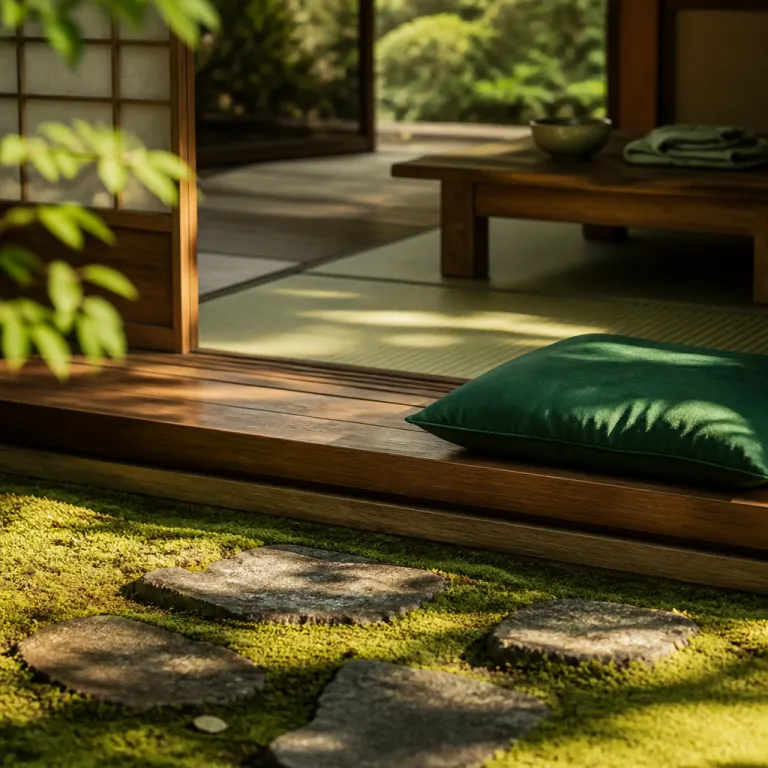
Why four days in Tokyo itinerary planning suits luxury ryokan stays
Planning a refined four days in Tokyo itinerary allows you to balance the city’s electric energy with serene traditional Japanese inn experiences. With a clear structure for each day, you can move confidently between neon avenues, quiet gardens, and intimate ryokan courtyards without wasting precious time. Travel specialists often answer the recurring question from people asking “Is 4 days enough to see Tokyo?” with a reassuring line: “Yes, with a well-planned itinerary, you can cover major attractions.”
In practice, four days in this vast city of Tokyo works beautifully when you pair central locations with efficient train and subway connections. You can start each morning in a tranquil ryokan suite, then step out to explore a different area such as Shinjuku, Shibuya, or Asakusa, returning to tatami rooms and kaiseki dinners at night. This rhythm lets you spend time in Tokyo in a way that feels indulgent yet unhurried, especially when your traditional Japanese inn handles luggage transfers, restaurant reservations, and onsen time slots.
For many travelers arriving in Japan, the Narita Express train offers a smooth first contact with the city before you reach your chosen station near a luxury ryokan. Once checked in, use Google Maps or a carefully curated Tokyo My Maps layer from your booking concierge to visualize each day trip and every walk between subway stops and quiet streets. A thoughtful Tokyo itinerary that blends ryokan calm with urban highlights becomes the best way to experience both the modern city and the enduring Japanese sense of omotenashi hospitality.
Day one in Shinjuku and Shibuya from a refined urban ryokan
Begin the first day in Tokyo in Shinjuku, where skyscrapers, gardens, and hidden alleys sit surprisingly close to discreet luxury inns. If you are traveling with children yet want elegance, consider pairing this four days in Tokyo itinerary with a stay recommended in an article about elegant places to stay in Tokyo with kids, then adapt the schedule so every area feels manageable. From Shinjuku Station, one of the busiest train hubs in Japan, you can walk to Shinjuku Gyoen National Garden in about 15 minutes and ease into the city with a peaceful stroll.
After this morning walk, use the subway to reach Shibuya and its famous crossing, a must-visit on any multi-day Tokyo plan that aims to show the city’s pulse. Many people like to pause for coffee in a quiet café above the intersection, watching the street choreography before continuing the day trip toward nearby Cat Street and Omotesandō. Your ryokan concierge can mark the best coffee stops and ramen counters on Google Maps or share a custom Tokyo route so you never lose time searching on your phone.
As evening approaches, return by train to Shinjuku and slip into the narrow lanes of Golden Gai, where tiny bars line each street and local people chat shoulder to shoulder. While Golden Gai is lively, you can still retreat early to your traditional Japanese inn, perhaps booking a private head spa treatment to ease jet lag. This first day in Tokyo sets the tone for the rest of your Tokyo itinerary, balancing the bright city with restorative rituals that make luxury travel feel genuinely human centered.
Urban sanctuaries : staying in traditional Japanese inns inside the city
Choosing a traditional Japanese inn within the city of Tokyo transforms your four days in Tokyo itinerary into an urban sanctuary experience. Rather than commuting long distances each day, you wake up close to a subway station yet feel worlds away from the street noise once you slide the shōji doors closed. A recent analysis of Tokyo’s hospitality scene, such as the piece on Tokyo’s quiet counter trend and small ryokan openings, shows how travelers increasingly seek this contrast between city access and deep calm.
In neighborhoods like Yanaka, Kagurazaka, or Ningyōchō, you can spend a day in Tokyo wandering low-rise streets, then return to tatami floors, futon bedding, and seasonal kaiseki dinners. These areas feel intimate, with local people greeting shop owners by name, yet they connect quickly by train to Shinjuku, Shibuya, and Tokyo Station for each day trip on your Tokyo itinerary. When you plan time carefully, you can visit a Tokyo museum in the morning, enjoy a head spa session in the afternoon, and still be back at your inn in time for a multi-course meal.
For many guests, the best part of staying in a city ryokan is how staff quietly orchestrate logistics behind the scenes. They can check Narita Express schedules, print Google Maps walking routes, and advise which subway line to take for the imperial palace, Tokyo Tower, or Tokyo Skytree on different days. This level of guidance means you do not need to don the role of full-time planner, freeing mental space to appreciate Japanese aesthetics, seasonal cuisine, and the subtle art of attentive yet unobtrusive service.
Day two and three : culture, museums, and skyline views
On the second day in Tokyo, focus on culture and calm, starting with Meiji Jingū Shrine near Harajuku before moving toward Omotesandō and Takeshita Street. The contrast between the forested shrine approach and the colorful fashion street gives a vivid sense of how Tokyo blends tradition and youth culture in a single area. After a relaxed lunch, you might use the subway to reach Odaiba for an evening at teamLab Planets, where immersive digital art installations create one of the best sensory experiences in the city.
The third day of your four days in Tokyo itinerary can revolve around history and museums, beginning in Asakusa at Sensō-ji Temple. From there, a short train ride of around 10 minutes brings you to the Ueno area, home to several major institutions including the Tokyo National Museum and the National Museum of Nature and Science, both essential for understanding how the city and country evolved over time. When planning these visits, check opening hours on Tokyo Google search results and pin each Tokyo museum on Google Maps so you can walk efficiently between entrances and nearby coffee spots.
Later that same day trip, continue by train to the Sumida district for panoramic views from Tokyo Skytree, timing your ascent for late afternoon light. Many people consider this one of the best skyline perspectives in Japan, especially when the weather is clear and Mount Fuji appears faintly in the distance. Returning to your traditional Japanese inn after such a full day, you will appreciate the quiet corridors, perhaps ending the evening with a head spa treatment or a slow walk through a lantern-lit street near your station.
Day four : imperial palace, Tokyo Station, and refined escapes beyond the city
The final day trip in your four days in Tokyo itinerary can center on the imperial palace area and its surrounding districts. Start early with a walk around the palace outer gardens, where wide paths and manicured lawns contrast with the nearby office towers of the city. From there, it is a short subway or walk to Tokyo Station, whose red brick façade and underground shopping streets make it a convenient base for both sightseeing and onward travel within Japan.
Inside and around Tokyo Station, you can spend a last day in Tokyo browsing artisanal food halls, sipping coffee in elegant cafés, and picking up omiyage gifts before your train. If you have extra time, consider a short day trip by shinkansen to nearby cities, then return to your urban ryokan for one last night of traditional Japanese hospitality. Many luxury travelers pair this with a future stay in a countryside hot spring village, using resources such as a detailed guide to Kurokawa Onsen and its onsen hopping culture to plan the next chapter of their Japan journey.
As you prepare to leave the city, your inn staff can confirm Narita Express or airport limousine bus times, print Google Maps directions, and help you navigate the subway one last time. This thoughtful support ensures that every day in Tokyo felt both efficient and gracious, from the first walk through Shinjuku streets to the final glance at Tokyo Tower or Tokyo Skytree from the train window. When you look back, the best memories will likely blend specific places, such as teamLab Planets or the National Museum of Nature and Science, with the quiet moments spent in your room listening to nothing but the sound of your own breathing.
How to choose the best luxury ryokan for a four day city stay
Selecting the right traditional Japanese inn in Tokyo begins with clarifying how you want to spend days in the city. If nightlife and dining are priorities, staying near Shinjuku or Shibuya offers quick subway access to Golden Gai, late-night ramen, and stylish cocktail bars, while still allowing you to retreat to tatami serenity. Travelers who prefer quieter streets might choose an area like Yanaka or Ningyōchō, where you can walk to small temples and artisan shops before boarding a train for each day trip.
When comparing properties for your four days in Tokyo itinerary, pay attention to room size, onsen or bath facilities, and whether a head spa or in-room treatments are available. Some luxury ryokan-style inns inside the city offer only a few suites, which means highly personalized service but limited availability on popular days, so booking early is wise. Ask the équipe about proximity to a major station, how long it takes by subway to reach Tokyo Station or the imperial palace, and whether staff can pre-load Google Maps routes for your planned visits.
Food is another key factor, especially for people who value seasonal Japanese cuisine as part of their travel experience. Many high-end inns serve elaborate kaiseki dinners and refined breakfasts, which can be the best meals of your time in Japan, while others focus on lighter menus and recommend nearby restaurants. A well-chosen property will feel like an anchor for your entire Tokyo itinerary, turning each return from the city streets into a small ceremony of welcome, warmth, and understated luxury.
Practical tips for navigating Tokyo while staying in an urban ryokan
Efficient movement through Tokyo is essential when you only have a four days in Tokyo itinerary and want to see both iconic sights and quieter corners. Purchase a Suica or PASMO card as soon as you arrive, then use it seamlessly across train and subway networks, tapping in and out at each station without handling cash. Before leaving your traditional Japanese inn each morning, confirm the day’s route on Google Maps, then save it offline so you can still navigate if mobile data becomes unreliable.
Comfortable shoes are non-negotiable because you will walk several kilometres each day in Tokyo, especially in sprawling hubs like Shinjuku, Shibuya, and around Tokyo Station. Plan short coffee breaks in each area to rest and observe local people, whether on a side street in Harajuku near Takeshita Street or in a quiet corner near the National Museum of Nature and Science. When using Tokyo Google search to check opening hours or reservations, cross-reference with the official site of each Tokyo museum or attraction to avoid surprises on busy days.
Finally, remember that staff at your inn and local guides are invaluable partners in refining your Tokyo itinerary in real time. They know which train lines are crowded at specific times, which exits at a station lead most directly to the imperial palace or Tokyo Tower, and which head spa salons accept same-day bookings. By combining their expertise with digital tools like Google Maps and your own curiosity, you can spend time in Tokyo in a way that feels both impeccably organized and pleasantly spontaneous.
Key figures for planning four refined days in Tokyo
- Tokyo welcomed around 15 million international visitors in 2019 according to the Japan National Tourism Organization, which means booking your traditional Japanese inn several months ahead is advisable during peak seasons.
- A four day stay allows you to structure your Tokyo itinerary around the official city transport network, where trains and subways typically run every few minutes on major lines, reducing waiting time and maximizing sightseeing hours.
- Many central districts such as Shinjuku, Shibuya, and the Tokyo Station area are within about 5 to 20 minutes of each other by train, making it realistic to combine multiple neighborhoods in a single day trip without feeling rushed.
- Walking distances in core sightseeing zones often reach 8 to 12 kilometres per day, so planning regular café pauses and head spa sessions can significantly improve comfort and energy levels throughout your four days in Tokyo itinerary.
FAQ about four luxurious days in Tokyo with urban ryokan stays
Is 4 days enough to see Tokyo while staying in a ryokan ?
Yes, four days is enough to experience key areas of Tokyo when you plan carefully and stay in a well located traditional Japanese inn. With a structured Tokyo itinerary that groups nearby sights, you can cover Shinjuku, Shibuya, Asakusa, the imperial palace area, and at least one major Tokyo museum. Choosing a ryokan near a major station also reduces commuting time and keeps each day trip efficient.
What is the best way to get around Tokyo from an urban ryokan ?
The best way to move around the city is by public transportation, especially trains and subways, which are punctual and extensive. A prepaid Suica or PASMO card simplifies transfers between lines and lets you tap quickly through each station. Many luxury inns will help you map routes on Google Maps so you can walk confidently between platforms and street exits.
Which areas should I prioritize in a four days in Tokyo itinerary ?
For a first visit, prioritize Shinjuku, Shibuya, Asakusa, the imperial palace surroundings, and the Tokyo Station and Ginza area. These districts offer a balance of temples, gardens, shopping streets, and skyline views from landmarks such as Tokyo Skytree or Tokyo Tower. You can then add a cultural day trip to Ueno and a visit to teamLab Planets to deepen your understanding of both historical and contemporary Japan.
How do I choose a traditional Japanese inn inside Tokyo rather than in the countryside ?
Focus on location near a convenient train or subway station, room size, and the presence of onsen style baths or spa facilities. Urban ryokan in areas like Yanaka, Kagurazaka, or Ningyōchō offer quieter streets while still connecting easily to major hubs such as Shinjuku and Tokyo Station. Reading detailed property descriptions and asking staff about dining options, head spa services, and luggage support will help you select the best match for your travel style.
Can I combine a Tokyo city ryokan stay with a hot spring escape in the same trip ?
Many travelers pair four days in Tokyo with two or three nights in a countryside onsen town, using Tokyo Station as the rail gateway. You can enjoy the energy of the city first, then take a train to a hot spring village such as Kurokawa Onsen or Hakone for deeper relaxation. Planning both segments through a specialized luxury and premium booking website for traditional Japanese inns ensures smooth transfers and consistent service standards.
