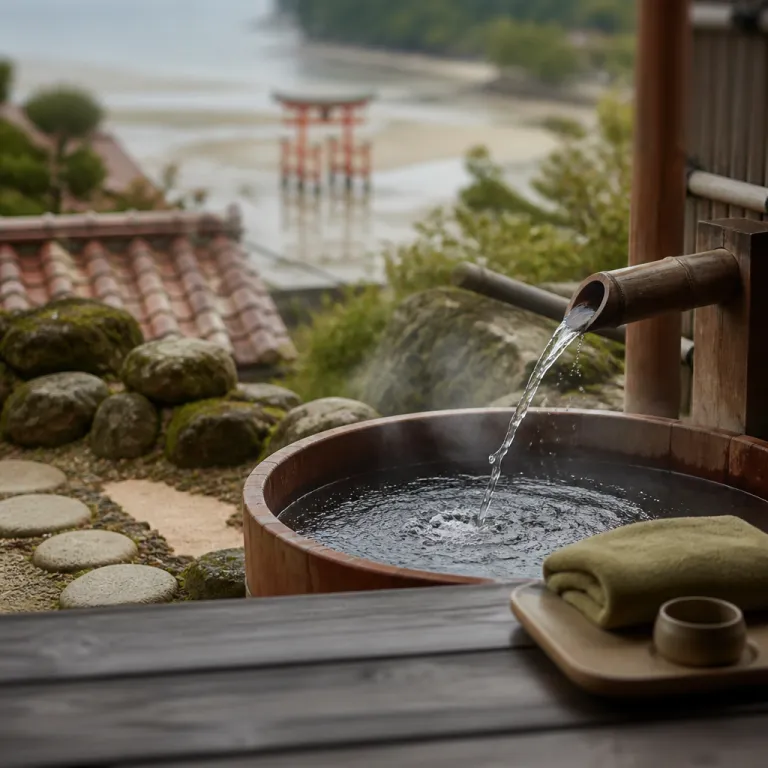
Itsukushima ryokan on Miyajima island for refined coastal stays
Itsukushima ryokan stays on Miyajima island offer an intimate alternative to a conventional hotel. Travellers arrive by the Miyajima ferry, then step into a quieter world where the sea, the shrine, and the forest shape every moment of the experience. Each ryokan on this small island frames its rooms and shared spaces around the tides, the light, and the iconic torii gate offshore.
Many guests choose a Japanese style room with tatami flooring, sliding shoji doors, and low furniture that keeps the view of the Seto Inland Sea completely open. These rooms often combine traditional materials with discreet modern comforts, so you can enjoy Wi‑Fi, climate control, and refined lighting without disturbing the calm Japanese aesthetic. When you compare an itsukushima ryokan to a grand hotel in a major city, the emphasis here is always on quiet, measured hospitality rather than spectacle.
The island setting shapes every part of your stay, from the first check in to the final walk back to the Miyajima ferry pier. Because Miyajima island is compact, most ryokan properties sit within a few minute walk of the waterfront and the main shopping street, yet they still feel sheltered from the daytime crowds. This balance makes an itsukushima ryokan ideal for travellers who want to stay Miyajima overnight and see the shrine and torii gate in the soft light of early morning or late evening.
Staying at Itsukushima Iroha and neighbouring Miyajima ryokan
Among the most polished options, Itsukushima Iroha stands out as a contemporary ryokan on the main street of Miyajima. The property offers around 18 guest rooms according to recent property descriptions, which keeps the atmosphere calm and allows staff to give each visitor detailed attention during check in, dinner, and breakfast service. This scale also means that a room with a sea view or a room facing the shopping street can feel equally private, because the building never feels crowded.
Itsukushima Iroha blends Japanese style interiors with designer furniture and natural materials, so the rooms feel warm rather than minimal. Some rooms feature open air baths on the balcony, giving guests a private onsen style soak while they watch the light change over the bay and the torii gate. One guest described sitting in the tub as “watching the tide and the lanterns slowly replace the daylight,” and the seafood kaiseki dinner continues that sense of theatre with seasonal ingredients from the Seto Inland Sea and a breakfast that feels like a gentle epilogue to the evening meal.
When you compare this kind of intimate ryokan to a larger grand hotel such as Hotel Arimoto or the historic Miyajima Grand properties, the difference lies mainly in scale and shared facilities. A grand hotel on the island may offer more varied room categories and larger public hot spring baths, while a smaller ryokan private onsen setup focuses on quiet, personalised service. If you are planning future trips across Japan, it is worth checking curated lists of new openings and seasonal highlights, such as a guide to ryokan openings worth booking before the crowds, then pairing those ideas with an overnight stay at an itsukushima ryokan.
Onsen, hot spring rituals, and private open air baths
One of the main reasons travellers choose an itsukushima ryokan over a standard hotel is access to onsen style bathing. While Miyajima island does not have the same volume of natural hot spring sources as regions like Hakone or Beppu, several properties offer hot baths that follow onsen etiquette and design, including open air tubs. Guests can move between indoor and outdoor pools, letting the hot water ease travel fatigue while the cool sea air keeps the body comfortable.
For travellers who value privacy, a room with a private onsen style bath is worth the higher booking cost. These ryokan private baths are often set on a terrace or behind a screen, giving you an open air feeling without exposure to other guests, and they are especially appealing after a long walk to Momijidani Park or a late evening visit to Itsukushima Shrine. Families and couples who are new to Japanese bathing culture often find that a private onsen style room lets them learn the washing and soaking rituals at their own pace.
When you plan your stay Miyajima wide, check whether the property offers gender separated public baths, mixed use family baths, or only in room tubs. Some larger Miyajima ryokan and grand hotel complexes provide both public hot spring style facilities and a small number of suites with private baths, so you can alternate between social and solitary bathing. For travellers visiting during peak summer, it can be useful to look at regional availability guides, such as a report on ryokan regions that still have July availability, then align those dates with your preferred itsukushima ryokan booking.
Rooms, views, and the quiet drama of Itsukushima Shrine
Choosing the right room category at an itsukushima ryokan shapes how you experience the island’s most famous sights. Some rooms face the bay and offer a direct view of the floating torii gate and the rooflines of Itsukushima Shrine, while others look towards Momijidani Park and the forested slopes of Mount Misen. Both orientations have their charm, so the decision comes down to whether you prefer water or woodland as your first sight each morning.
Japanese style rooms with tatami mats and futon bedding create a strong sense of place, especially when the sliding doors open onto a low balcony with an uninterrupted view. Western style rooms with beds can still feel distinctly Japanese when the design uses natural woods, shoji screens, and a low seating area near the window, and many ryokan now offer hybrid layouts that combine both approaches. When you check the official website of a chosen Miyajima ryokan, look for detailed floor plans and photographs that show how the room frames the view, not just the furniture.
Because Miyajima island is compact, even a room without a direct sea view leaves you only a short walk from the waterfront. Many guests choose to spend sunrise and sunset outside, watching the light shift around the torii gate and the shrine corridors, then return to their ryokan room for a hot bath and a quiet tea. This rhythm between public scenery and private retreat is one of the defining pleasures of an itsukushima ryokan stay.
Hidden gem walks and quiet corners beyond the main shrine
Once you have visited Itsukushima Shrine and taken the classic photograph of the torii gate, the real depth of Miyajima reveals itself on foot. A gentle walk through the back streets behind the main shopping arcade leads to small temples, stone staircases, and residential lanes where everyday island life continues at an unhurried pace. Guests who stay overnight at an itsukushima ryokan have the luxury of exploring these areas early in the morning or after the last Miyajima ferry departure, when the day trippers have gone.
Momijidani Park is one of the most rewarding hidden gem areas, especially outside the peak autumn foliage season. The park’s walking paths follow a clear stream, crossing small bridges and passing under maple trees that frame the mountainside, and from here several trails climb towards Mount Misen for more demanding hikes. Returning from a long walk to a ryokan private bath or a hot open air tub feels particularly satisfying, because the contrast between the cool forest and the hot water heightens your sense of relaxation.
Some of the most atmospheric moments on Miyajima island happen in the narrow lanes between ryokan and small shrines, where lanterns cast a soft light on stone walls. An evening stroll before dinner lets you appreciate how the island quiets down, with only the sound of waves and the occasional bell from a shrine or temple. If you are interested in how traditional Japanese inns respond to the changing seasons, a guide to how ryokan transform when their gardens reach peak greenery can deepen your appreciation of the subtle shifts you notice on each walk.
Dining, booking strategies, and using official websites wisely
Dining is central to the appeal of an itsukushima ryokan, and it is one of the main reasons to choose this style of accommodation over a standard hotel. Most properties on Miyajima island serve elaborate kaiseki dinners that highlight seasonal ingredients from the Seto Inland Sea, including local oysters, white fish, and carefully prepared vegetables. A two night stay often brings a different menu each evening, so it is worth confirming in advance whether the dishes change nightly or follow a fixed pattern.
When you make a booking, pay close attention to whether meals are included, because room only plans can seem cheaper but reduce the overall experience. Many guests prefer half board packages that include both dinner and breakfast, served either in a private dining room or in a small restaurant space within the ryokan, and this arrangement keeps you from worrying about restaurant availability after the last Miyajima ferry. For travellers with dietary needs, contacting the property through its official website before confirming the booking is essential, as smaller ryokan may have limited flexibility.
Availability at the most sought after Miyajima ryokan, including Itsukushima Iroha, Hotel Arimoto, and the various Miyajima Grand properties, can tighten quickly during weekends and national holidays. It is wise to check booking calendars several months ahead, especially if you want a room with a private onsen style bath or a guaranteed sea view. As one property information sheet notes, “Book in advance. Try the seasonal kaiseki dinner. Visit Itsukushima Shrine nearby.”
Key figures for Itsukushima Iroha and Miyajima stays
- Itsukushima Iroha is reported to offer about 18 rooms, which keeps guest numbers low and allows staff to maintain a high staff to guest ratio compared with larger hotels on Miyajima island (approximate data from Japan Ryokan Guide and property descriptions; confirm current figures on the official website).
- The ryokan sits roughly 5 minutes on foot from Miyajima Pier for most walkers, so many guests can stroll from the Miyajima ferry terminal to the lobby without needing any additional transport (estimate based on regional tourism listings and map distances; check local signage for exact walking times).
- Hatsukaichi city, which administers Miyajima, receives several million visitors annually, yet only a small fraction stay overnight, making itsukushima ryokan bookings particularly valuable for experiencing the island after day trippers leave (broad trend drawn from Hiroshima Prefecture tourism reports; consult the latest statistics for precise numbers).
- Open air baths and private onsen style facilities consistently rank among the top requested amenities in guest surveys for Japanese inns nationwide, reflecting the importance of hot spring style bathing to the overall ryokan experience (summary of Japan National Tourism Organization accommodation studies and similar surveys).
FAQ about Itsukushima Iroha and Miyajima ryokan stays
What amenities does Itsukushima Iroha offer?
Itsukushima Iroha provides tatami rooms, open air baths, and multi course seafood kaiseki meals, along with Wi‑Fi, climate control, and other modern conveniences. The combination of traditional design and contemporary comfort suits travellers who want a refined itsukushima ryokan experience on Miyajima island.
How close is the ryokan to Itsukushima Shrine ?
The ryokan sits within a short walk of Itsukushima Shrine and the famous torii gate, so most guests reach the complex in just a few minutes. This proximity makes it easy to visit at high tide, low tide, and again after dark without worrying about transport.
Is English spoken at Itsukushima Iroha ?
English speaking staff are usually available at Itsukushima Iroha, particularly at reception and in guest facing roles. This support helps with check in, explaining dinner times, and answering questions about onsen etiquette or local walks.
Should I choose a sea view room or a mountain view room ?
A sea view room offers direct sightlines to the bay and, in some cases, partial views of the torii gate, which many first time visitors value highly. A mountain view room, often facing Momijidani Park or the slopes of Mount Misen, feels quieter and more sheltered, especially in the early morning. Both options work well, so the choice depends on whether you prefer water or forest as your main view.
How far in advance should I book an itsukushima ryokan ?
For weekends, holidays, and peak foliage or cherry blossom periods, booking several months ahead is prudent, especially if you want a room with a private onsen style bath. Midweek stays outside peak seasons can sometimes be secured closer to the travel date, but popular Miyajima ryokan such as Itsukushima Iroha and Hotel Arimoto still fill quickly. Checking each property’s official website regularly helps you catch cancellations or newly released rooms.
