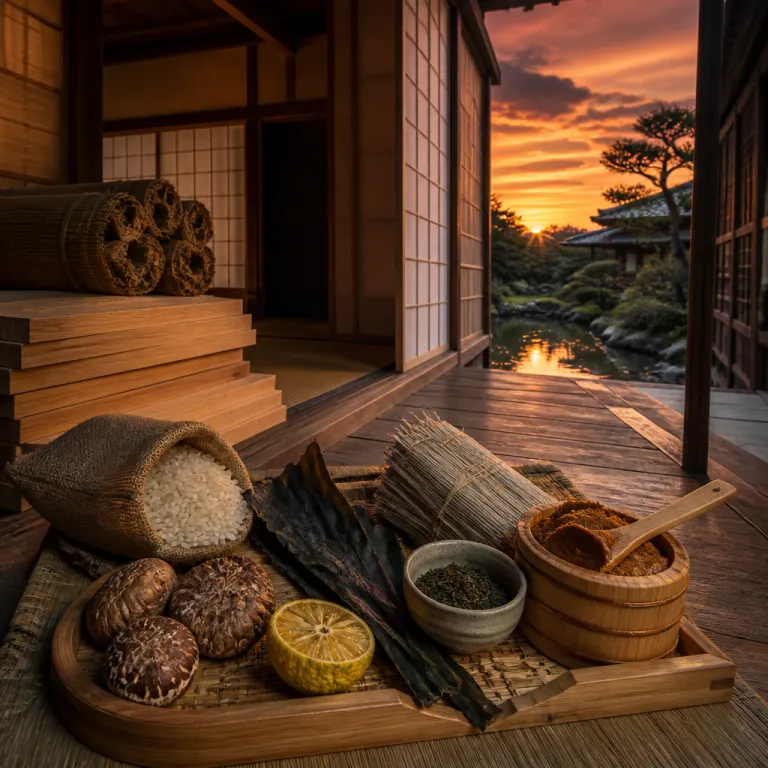
The quiet architecture of a ryokan digital detox Japan retreat
Step into a traditional Japanese ryokan and the digital noise falls away. The architecture itself has been refined over centuries to create a natural ryokan digital detox Japan retreat that feels both intentional and effortless. Tatami underfoot, shoji screens, and low furniture slow your movements and your mind within a few minutes of your stay.
Many of the most effective retreats in Japan do not advertise themselves as a formal detox retreat, yet they quietly remove the usual triggers of distraction. Corridors are softly lit, televisions are absent from many rooms, and some traditional Japanese properties still choose not to offer Wi-Fi in guest spaces. This is the best digital reset for a business traveller whose nervous system has been running on airport lounges and notifications.
Across the country, these traditional inns are designed around presence rather than performance. A ryokan stay follows a gentle timeline: check in, soak in an onsen, dine on kaiseki, sleep on a futon laid out while you bathe. This simple structure turns your retreat experience into a kind of moving meditation, where time is measured not by emails but by the rhythm of bathing, dining, and resting.
Onsen, hot spring rituals and the business of slowing down
For many travellers, the first real exhale of a detox experience arrives in the onsen. These mineral rich hot spring baths are the beating heart of any serious retreat Japan itinerary, and they are where digital habits loosen their grip. When you are naked, immersed, and surrounded by steam, there is no practical way to hold a phone or answer questions digital colleagues might send.
Ryokan across major wellness destinations from Hakone to the Noto Peninsula build their retreats around this ritual. Properties that take digital detox seriously will often post gentle reminders to leave devices in your room, turning each soak into a structured mindfulness Japan practice. At places such as Gora Kadan in Hakone or Hoshinoya Kyoto, staff quietly reinforce this etiquette so that even first time guests feel guided rather than policed.
Some of the most refined hot spring retreats Japan offers pair communal onsen with private open air baths. If you are planning a ryokan digital detox Japan retreat near Tokyo, study guides to Hakone onsen ryokan with private experiences to find perfect matches for your privacy needs. This balance of shared ritual and secluded soaking is what turns a simple stay into one of the best digital detox retreats for high pressure travellers.
Forest bathing, peninsula hideaways and the geography of calm
The most effective Japan retreats for a genuine digital detox are often defined less by design and more by geography. Mountain valleys with weak reception, remote peninsula villages, and forest wrapped hamlets naturally enforce the boundaries your willpower cannot. In these places, the landscape itself becomes part of your detox retreat, holding you in a quieter kind of time.
Many ryokan now weave shinrin yoku, or forest bathing, into their wellness programmes. Guided walks through cedar forest or along coastal trails are framed as a practice for calming the nervous system and reconnecting with Japanese culture beyond the screen. When combined with onsen bathing and unhurried meals, these retreats Japan wide create a layered retreat experience that feels genuinely restorative rather than performative.
Executives extending a Tokyo work trip can use the city as a soft landing before or after a deeper retreat Japan escape. A night in a property with a private onsen style bath, such as those featured in guides to refined relaxation hotels in Tokyo with private onsen, can prepare the body for a longer stay in the forest. From there, a short train ride carries you to quieter Japan wellness enclaves where the only notifications are wind, water, and the evening bell.
Kaiseki, breakfast trays and the slow ritual of nourishment
Digital detox is not only about what you switch off but also about what you pay attention to. In a traditional Japanese ryokan, the kaiseki dinner and the morning tray become anchors for your day, turning each stay into a curated retreat experience around food. Courses arrive in a fixed sequence, encouraging you to sit, taste, and notice rather than scroll between bites.
Many Japan retreats now frame these meals as part of a broader wellness journey. Seasonal ingredients, local sake, and quietly attentive service form a cultural narrative that deepens your connection to place and time. One guest described the experience simply: “By the second night, I realised I had not reached for my phone once between courses; the meal itself felt like a meditation.”
Breakfast is where this philosophy becomes most obvious, and it is worth reading about the ryokan breakfast that reveals the kitchen before you book. For travellers comparing retreats Japan wide, this level of detail can help you find perfect matches between your expectations and a property’s offer. A thoughtfully composed tray, served at a set time, is a quiet reminder that wellness also lives in the way you begin your day.
How to choose a ryokan for a genuine digital detox stay
Choosing the right ryokan digital detox Japan retreat starts with clarity about your own habits. If you need firm boundaries, look for traditional Japanese inns that explicitly limit Wi Fi, keep televisions out of rooms, and sit in regions where reception is unreliable. Properties that advertise emptiness, slowness, or silence as a core offer are usually aligned with this kind of stay.
For travellers who want structure, some Japan wellness programmes now integrate Reiki, Shiatsu, or Kampo consultations alongside onsen bathing and forest bathing. These curated detox retreats can be especially effective for executives whose nervous system is overstimulated by constant travel and meetings. Remember that “What is a ryokan?”, “Are ryokan suitable for digital detox?”, and “What amenities do ryokan offer?” are among the most frequently asked questions digital travellers raise when planning.
Recent hospitality surveys suggest that a growing share of global travellers now seek some form of digital detox during their trips, reflecting a wider shift toward longer, slower journeys. This aligns with the rise of extended Japan retreats, where guests stay multiple nights to deepen their detox experience and cultural immersion. When you compare retreats Japan wide, prioritise places that feel genuinely aligned with mindfulness Japan values rather than those that simply market a detox retreat label.
FAQ
What is a ryokan and how is it different from a hotel ?
A ryokan is a traditional Japanese inn offering cultural experiences such as tatami rooms, futon bedding, and kaiseki meals. Unlike many modern hotels, a ryokan stay is structured around fixed meal times, onsen bathing, and quiet communal spaces. This makes it a natural setting for a digital detox retreat where presence matters more than constant connectivity.
Are ryokan suitable for a digital detox retreat Japan itinerary ?
Ryokan are particularly suitable for a ryokan digital detox Japan retreat because many limit electronic distractions by design. Guests are encouraged to focus on onsen rituals, seasonal cuisine, and local culture rather than screens. For travellers planning retreats Japan wide, choosing properties without in room Wi Fi can deepen the detox experience.
What amenities support wellness in traditional Japanese ryokan retreats ?
Core amenities in Japan retreats include tatami rooms, communal or private onsen, and multi course kaiseki dinners. Many properties now add guided forest bathing walks, mindfulness Japan sessions, or simple stretching classes to support the nervous system. These elements combine to create a holistic wellness environment without feeling like a clinical spa.
How long should I stay at a ryokan for an effective detox experience ?
For most business leisure travellers, a two or three night stay offers enough time to adjust to slower rhythms. The first night often feels like an adjustment, while the second and third nights allow the retreat experience to deepen. If your schedule allows, aligning your stay with a quieter midweek period can make the detox retreat feel even more secluded.
What should I know before booking a digital detox focused ryokan ?
Before you book, check whether the property offers Wi Fi, how strong mobile reception is, and whether onsen areas allow devices. It is wise to send any important work messages in advance, then inform colleagues about your limited access to reduce questions digital teams might send. Travellers are advised to book in advance, respect local customs such as washing before entering the bath, and prepare for minimal digital access when choosing these retreats.