Inside the ryokan futon turndown service ritual
The ryokan futon turndown service ritual begins long before you notice it. While you linger over a multi course kaiseki dinner or soak in a hot spring bath, a nakai quietly transforms your tatami room into a sleeping sanctuary. This is the moment when a traditional ryokan stay in Japan reveals how deeply it understands both rest and privacy.
In a classic Japanese ryokan, the same attendant often cares for your room from arrival to departure. Traditional ryokan teams still assign one nakai to a single room or a small cluster of rooms, which means the person laying your futon bedding also served your tea and explained the onsen etiquette. At long‑established inns such as Tawaraya in Kyoto or Gora Kadan in Hakone, that continuity turns a simple hotel style turndown into a private performance shaped by memory and attention.
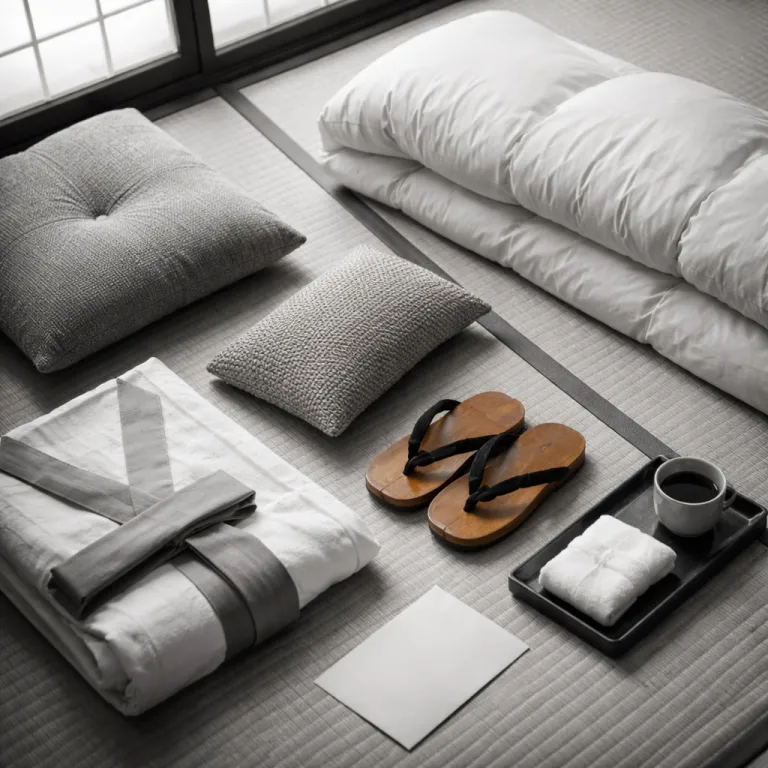
The choreography is precise yet almost invisible. Staff enter while you are at dinner or in the open air onsen, slide the low table aside, and unroll the futon bedding along the tatami in a line that respects the alcove and the room’s focal points. As one practical guide for first time guests from the Japan National Tourism Organization puts it without embellishment, “Expect staff to enter room” and “No need to prepare bed yourself,” a reminder that this quiet rearrangement is considered part of standard Japanese hospitality.
How the futon is laid: choreography, placement and unspoken trust
What separates a memorable ryokan experience from a generic hotel stay is the way the futon appears as if by magic. In many luxury ryokans near Tokyo, Kyoto or in quieter onsen towns such as Hakone and Kinosaki, the nakai times the evening bed preparation between your last savory course and dessert, so the room is ready the moment you return. The trust involved is significant, because someone has entered your private space and read the room without leaving a trace of their presence.
The futon layout follows rules that most travelers never see written down. Mattresses are aligned away from the sliding doors and never intrude on the decorative alcove, while pillows face inward so your gaze meets the room rather than the corridor when you wake from your ryokan stay. In larger rooms, couples or friends may find two or three futon bedding sets placed with equal spacing, a quiet signal that this is a traditional ryokan rather than a standard hotel corridor with identical beds.
Details extend to the bath and onsen rhythm. Many luxury properties encourage guests to bathe in the hot springs just before sleep, so the futon feels especially inviting after the last hot soak of the evening. If you are choosing the perfect ryokan in Tokyo, a careful property will explain this timing in advance at check in, and a thoughtful Tokyo ryokan selection guide or specialist travel advisor can help you anticipate how each inn handles this ritual.
From omotenashi to materials: how luxury ryokan refine the ritual
At the high end of the market, the ryokan futon turndown service ritual becomes a study in texture and temperature. A luxury ryokan will often grade its futon bedding by firmness, offering softer pads for side sleepers and denser options for guests used to Western mattresses. Some luxury properties keep a discreet pillow menu, allowing travelers to choose buckwheat, feather or synthetic fills during the booking process rather than in the room; at Hoshinoya Kyoto, for example, staff can swap in a low buckwheat pillow on request for guests who prefer a cooler, more supportive option, a detail noted in several Japanese language hotel review magazines.
Seasonality is another quiet differentiator. In mid winter, expect hot water bottles wrapped in cotton sleeves or low wattage electric blankets tucked beneath the futon, while in the humid mid range of spring and autumn, the inn may switch to lighter quilts and breathable covers. The best ryokan offer quilts dyed in natural tones that echo the surrounding landscape, turning the private bath, the tatami and the bedding into a single visual composition.
Food and sleep are deliberately linked. A carefully paced kaiseki dinner, with its multi course progression of local seafood and vegetables, is designed to leave you satisfied but not heavy before you return from the dining room or private onsen. Serious reviewers now evaluate a ryokan experience by looking at both the kaiseki dinner and the futon turndown, and some professional rating systems used by Japanese travel magazines and online booking platforms focus on this connection between plate and pillow.
Modern adaptations: privacy, self service futons and hybrid rooms
Not every traveler is comfortable with staff entering a private room while they are away. In response, some mid range ryokans and a few luxury properties in larger cities now offer a choice between full service and self service versions of the ryokan futon turndown service ritual. Guests who prefer more control can request that futon bedding be left folded in the corner, ready to be unrolled after a late bath or a final drink.
Hybrid rooms are also reshaping the traditional ryokan experience. Many Japanese ryokan near Tokyo, Kyoto now combine low Western beds with a tatami sitting area, while still providing extra futon bedding for guests who want to sleep on the floor for part of their trip. In these spaces, the turndown becomes a lighter touch, with staff adjusting duvets, preparing pajamas and setting out tea rather than fully transforming the room.
Onsen culture is evolving in parallel. Some properties now feature a private onsen or semi open air hot spring attached to each room, which changes the timing of the ritual because guests may bathe several times through the evening. When every suite has one or more private baths, the inn must coordinate staffing carefully so the nakai does not interrupt a soak, and a thoughtful guide or pre‑arrival email will explain how to signal your preferred schedule during your trip to Japan.
Choosing your ryokan: reading between the lines of turndown descriptions
For travelers planning a trip Japan wide, the way an inn describes its ryokan futon turndown service ritual tells you a great deal about its priorities. If a property highlights futon bedding quality, private baths and the link between onsen time and sleep, you are likely looking at a serious traditional ryokan rather than a generic hotel with tatami themed rooms. When the description focuses only on dinner breakfast packages and hot spring access, the sleep ritual may be more functional than artful.
Price band matters, but not in a simple way. Some mid range ryokan offer exceptionally attentive turndown service, with staff quietly adjusting the number of futons when they notice a guest prefers more cushioning, while certain high priced properties lean on design and neglect the small acts that define omotenashi. A reliable guide or curated booking service will compare ryokans not just by room size or onsen temperature, but by how consistently they prepare the space between dinner and dawn.
Think about how you like to move through a stay. If you want long, unhurried soaks in hot springs followed by quiet reading in your room, choose a place where each room has a private bath or even a private onsen, as outlined in this expert guide to Tokyo hotels with private onsen style baths. If you prefer social dining and shared hot spring pools, look for ryokan offer notes that emphasize communal spaces, knowing that the most intimate moment of the night will still be that silent, carefully staged futon performance.
FAQ
What is a ryokan and how does it differ from a hotel?
A ryokan is a traditional Japanese inn with tatami rooms and futon bedding, usually paired with communal hot springs and a kaiseki dinner. Unlike a standard hotel, a Japanese ryokan centers the stay around seasonal cuisine, onsen bathing and the intimate futon turndown ritual. The atmosphere is quieter, more residential and more focused on omotenashi than on amenities lists.
Do all ryokans include a futon turndown service ritual?
Most traditional ryokans in Japan still include the ryokan futon turndown service ritual as part of the room rate. Some modern or design forward properties, especially in big cities, may offer Western beds instead or provide futon bedding for guests to arrange themselves. When you book, check whether staff will prepare the futon while you are at dinner or whether you prefer a self service option for greater privacy.
Is the futon turndown service optional if I prefer to make my own bed?
At many inns the service is included by default, but you can usually opt out. One common explanation in booking notes answers the question “Is the futon turn-down service optional?” with the phrase “Typically included; guests can request otherwise.” If you want to handle your own bedding, mention this in advance so staff can leave the futon folded in your room.
How should I plan my onsen time around the turndown ritual?
A good rhythm is to bathe in the hot spring just before or just after dinner, so the futon feels especially inviting when you return to the room. In many luxury ryokans, staff will enter during your kaiseki dinner to prepare the bedding, minimizing any intrusion into your private space. If your room has a private onsen or private bath, you can simply let the nakai know your preferred timing at check in.
What is usually included in a ryokan stay besides the futon service?
A classic ryokan stay typically includes a tatami room, access to hot springs, a kaiseki dinner and a Japanese style dinner breakfast combination the next morning. Many properties also offer open air baths, private baths by reservation and, at the luxury end, suites with private onsen attached. The futon turndown service ritual ties these elements together, signaling that your trip has shifted from activity to rest.