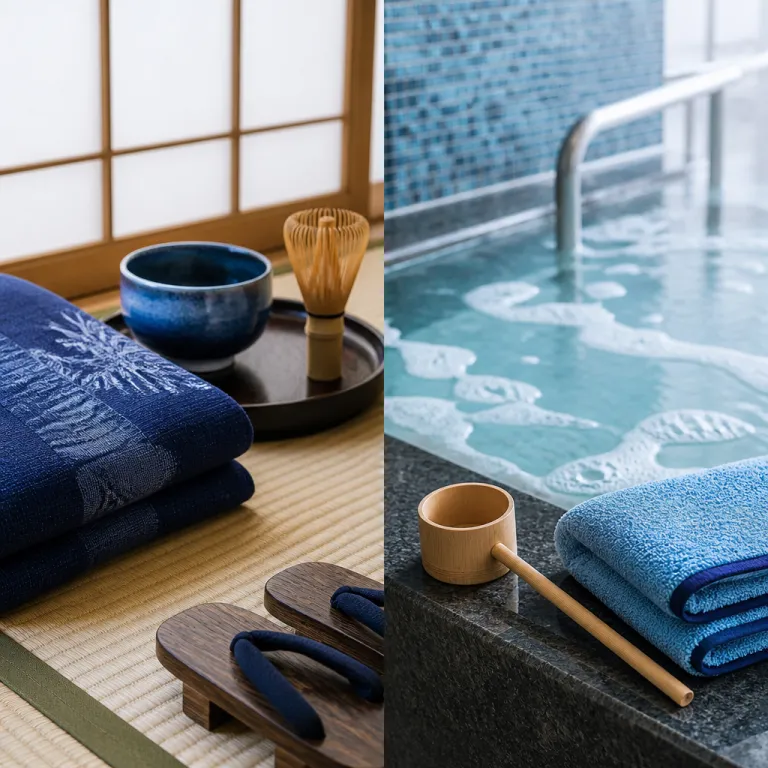
Section 1 – Why the ryokan vs onsen hotel difference shapes your entire stay
Choosing between a ryokan and an onsen hotel in Japan is not a minor detail for your trip. The ryokan vs onsen hotel difference will decide whether your stay becomes a deep immersion into traditional Japanese culture or simply a pleasant night at a hot spring resort with good facilities. For couples planning a romantic stay, understanding how ryokans, onsen hotels and hybrid onsen ryokans actually work in real life can mean the difference between a quiet tatami room with private onsen and a busy corridor of guest rooms next to a buffet restaurant.
A ryokan is a traditional Japanese inn where the architecture, guest rooms, meals and service are designed around centuries old customs. An onsen hotel is a modern hotel that happens to sit on a natural hot spring and offers hot baths as part of its facilities, but the rest of the experience usually follows international hotel norms. When you compare a ryokan hotel to an onsen resort, you are really comparing two philosophies of hospitality rather than just two types of hot springs or two ways to take a hot bath.
In a classic onsen ryokan, the hot spring is woven into the rhythm of the day, from the first quiet soak before breakfast to the last open air bath under the night sky. In many onsen hotels, the hot baths are a shared amenity, closer to a spa facility that people dip into between sightseeing and buffet meals. Both can be luxurious, but staying ryokan style means your room, your meals and even how you move through the building will be shaped by traditional Japanese etiquette and by the idea that the hot spring is a ritual, not just a way to get clean.
Section 2 – Rooms, service and meals: how a ryokan actually feels different
Step into a true ryokan and the first signal is the floor under your feet. Guest rooms are usually tatami mat spaces where you remove shoes at the threshold, sit at a low table and sleep on futon bedding that staff lay out while you are in the baths, which already sets a very different tone from carpeted rooms in most onsen hotels. In many ryokans, a dedicated attendant known as a nakai san manages your stay, quietly orchestrating your meals, your bath times and even the timing of your tea so that the entire experience feels choreographed rather than scheduled.
By contrast, onsen hotel rooms tend to mirror international standards, with beds, desks and sometimes a small private bath that uses regular hot water rather than natural hot spring water. Service is usually handled by a front desk team instead of a single attendant, and while it can be polished, it rarely has the same intimacy as a traditional Japanese stay where staff remember your tea preference from the booking form and anticipate when you will want to use the private onsen. This is where the ryokan vs onsen hotel difference becomes very tangible for people who value personal attention and a sense of ceremony.
Meals underline the gap even more clearly. A traditional ryokan stay often includes kaiseki, a multi course Japanese food experience of 10 to 15 dishes served either in your room or in a private dining space, with seasonal ingredients that reflect the region of Japan you are visiting. Onsen hotels, even high end ones, usually lean on buffets or à la carte restaurants, which can be excellent but rarely carry the same narrative of local produce, Japanese culture and slow pacing. If you care about food as a central part of your stay ryokan style, this alone may justify the higher price of a ryokan onsen property that still honours Japanese traditional dining rituals, a topic explored in depth in this analysis of the identity crisis of the modern ryokan.
Section 3 – The onsen itself: ritual bathing versus resort spa facilities
Both ryokans and onsen hotels can offer access to natural hot springs, but the way those hot springs are framed changes everything. Under Japan’s Onsen Law, a spring must flow at 25 °C or higher or contain specific minerals such as radium, lithium or iron to qualify as an onsen, which means not every hot bath in a hotel is a true onsen bath. In a traditional Japanese onsen ryokan, the baths are usually separated by gender, often include open air pools and are treated as a quiet ritual where people wash carefully before entering the water and move slowly between different temperatures.
Onsen hotels often feature larger bath halls with multiple pools, saunas and sometimes water slides or family friendly spring facilities that feel closer to a resort spa than a temple of water. The water may still come from a natural hot spring, but the atmosphere is louder, more social and less focused on contemplation, which can be ideal for families but less appealing for couples seeking a calm, romantic stay. When you stay ryokan style, the architecture of the baths, the lighting and even the way the steam moves through wooden beams are designed to slow you down and connect you to the landscape of Japan around you.
Private onsen options exist in both formats, yet they serve different needs. In a ryokan hotel that follows traditional Japanese design, a private open air bath attached to your room often uses direct natural hot spring water and becomes the centrepiece of the stay, especially for couples who want to bathe together without crowds. In many onsen hotels, private baths are rentable time slots in small rooms off the main facilities, convenient but less atmospheric, which is why understanding the ryokan vs onsen hotel difference is essential when browsing luxury and premium booking experiences for traditional Japanese inns on curated platforms such as JapaneseInnStay’s ryokan booking guide.
Section 4 – Price, value and when each option makes sense
At a similar quality level, a ryokan stay usually costs more per night than an onsen hotel, and the reason is simple. You are not just paying for a room and access to hot baths, you are paying for labour intensive service, elaborate meals and the maintenance of traditional Japanese architecture that uses natural materials and often fewer guest rooms. When you compare prices, remember that ryokans typically bundle dinner and breakfast into the rate, while onsen hotels often quote room only prices and charge separately for food and some facilities.
For couples planning a special occasion in Japan, such as an anniversary or honeymoon, a night or two at a high end ryokan onsen can be the emotional high point of the trip. The combination of tatami rooms, kaiseki meals, natural hot spring baths and attentive service creates a complete experience that is hard to replicate in any other format, even in luxury city hotels with impressive spa facilities. Families with young children, on the other hand, may find onsen hotels more forgiving, with Western style rooms, flexible meal times and large hot springs where noise is less of an issue.
There is also a growing category of modern ryokans onsen that blend Japanese traditional elements with contemporary design and hotel like amenities, offering beds instead of futons, larger private baths and sometimes even small gyms. These hybrid properties can be ideal for travellers who want a taste of Japanese culture without fully committing to the formality of a classic ryokan, and they often sit in the same price band as upscale onsen hotels. When you book, read the fine print about guest rooms, meals and bath facilities, and use specialist platforms that understand the ryokan vs onsen hotel difference rather than generic booking engines that label everything with a hot spring as a ryokan hotel.
Section 5 – Cultural immersion: how a ryokan stay deepens your connection to Japan
Numbers tell part of the story, with the Japan National Tourism Organization estimating around 50 000 ryokans across the country and roughly 3 000 onsen locations, but statistics alone do not explain why staying ryokan style feels so different. A traditional Japanese inn is built around the idea of omotenashi, a form of hospitality where hosts anticipate needs before guests voice them, and where the line between home and accommodation blurs. When you walk through the sliding doors of a small ryokan onsen in a mountain town, you are entering a curated version of Japanese culture that still feels lived in rather than staged.
Daily rituals reinforce this immersion. You change into a yukata robe, move between indoor and open air baths, and sit down to Japanese food that reflects the local sea, river or mountain, often served on lacquerware that has been in the family for generations. The pace of the stay slows, because meals stretch over two hours, baths invite lingering and there is no rush to vacate the room for housekeeping, which is why many people describe their first stay ryokan style as the moment Japan shifted from a destination to a feeling.
Onsen hotels can certainly introduce you to hot springs and Japanese hot bathing customs, but they rarely carry the same narrative thread from room to bath to table. For travellers who want a deeper cultural experience, especially couples who value quiet time together, a ryokan hotel that still honours Japanese traditional design and service will always offer more than a resort built primarily around spring facilities. If you want to understand how this plays out in Tokyo and other urban centres, the guide to authentic Japanese hospitality in premium Tokyo accommodation is a useful reference when planning where to stay before or after your onsen town escape.
Section 6 – Booking without regrets: how to read listings and avoid common mistakes
Many international booking sites blur the ryokan vs onsen hotel difference, tagging any property with a hot spring as a ryokan and leaving travellers confused on arrival. To avoid disappointment, start by checking whether the accommodation clearly identifies itself as a traditional Japanese inn with tatami rooms and kaiseki meals, or as a hotel with hot spring baths and standard rooms. The Japan National Tourism Organization notes that not all ryokans have onsen facilities and that some onsen locations offer day use baths without any guest rooms, which shows how important it is to read beyond the headline.
Look closely at photos of rooms and baths. If you see futons on tatami, sliding shoji screens and low tables, you are likely looking at a ryokan or a hybrid ryokan hotel, while images of Western beds, carpets and large buffet halls usually signal an onsen hotel. Pay attention to how meals are described, because phrases such as in room kaiseki dinner or private dining kaiseki indicate a more traditional Japanese experience, whereas buffet breakfast and dinner or multiple restaurants on site suggest a hotel model where food is optional rather than central to the stay.
Finally, read the fine print on baths and spring facilities. Confirm whether the property uses natural hot spring water in its large communal baths, whether any private onsen options are available for couples and whether there are time slots reserved for quieter bathing, which can matter if you are sensitive to crowds. The dataset of common traveller questions captures the core distinctions clearly with answers such as “Do all Ryokans have onsen? No, not all Ryokans have onsen facilities.”, “Can you stay overnight at an onsen? Some onsen facilities offer accommodations; others do not.” and “What is the main difference between a Ryokan and an Onsen Hotel? A Ryokan is a traditional inn; an Onsen Hotel is a hotel with hot spring baths.”, and those three lines summarise why careful reading will protect your romantic escape from turning into a mismatched resort weekend.
Key figures on ryokans, onsen hotels and hot springs
- Japan hosts an estimated 50 000 ryokans across the country, according to the Japan National Tourism Organization, which means travellers can find traditional inns in almost every region, from Hokkaido to Kyushu.
- There are roughly 3 000 onsen locations in Japan, based on Japan National Tourism Organization data, showing that not every hot spring town will have a large choice of ryokans with guest rooms attached.
- Because not all ryokans have onsen facilities, travellers seeking both cultural immersion and natural hot spring baths should specifically search for onsen ryokans or ryokan onsen properties rather than assuming every traditional inn offers hot springs.
- Some onsen facilities operate only as day use bath houses without accommodation, which is why verifying whether guest rooms are available is essential when planning an overnight stay around a particular hot spring.
FAQ about ryokans, onsen hotels and hot spring stays
Do all ryokans have onsen baths ?
No, not every ryokan includes onsen baths, because some traditional Japanese inns were built before hot springs were developed in the area or rely on regular hot water. If bathing in natural hot spring water is important to your stay, look specifically for an onsen ryokan or a ryokan hotel that clearly states it uses natural hot spring sources in its communal baths or private onsen rooms. Always confirm this detail in the facilities description before you book.
Can you stay overnight at an onsen without booking a ryokan ?
Some onsen facilities in Japan operate purely as day use bath houses, while others are attached to onsen hotels or ryokans with guest rooms. When you plan an overnight stay around a particular hot spring, check whether the site lists accommodation options or only bathing fees and opening hours. If overnight rooms are not available, you can still enjoy the baths during the day and sleep in a nearby city hotel.
What is the main ryokan vs onsen hotel difference for couples ?
For couples, the main ryokan vs onsen hotel difference lies in intimacy and cultural immersion. A ryokan stay usually includes tatami rooms, kaiseki meals and quiet natural hot spring baths that encourage slow time together, while an onsen hotel focuses on larger facilities, flexible dining and a more resort like atmosphere. If you want a romantic, traditional Japanese experience, a small onsen ryokan with private onsen options will usually feel more special than a big hot spring resort.
How should I choose between a ryokan, an onsen hotel and a hybrid property ?
Start by deciding how important Japanese culture, food and ritual bathing are to your trip. If you want full immersion, choose a ryokan onsen with kaiseki meals and tatami rooms, while travellers who prioritise convenience, Western beds and large spring facilities may prefer an onsen hotel. Hybrid modern ryokans onsen sit in the middle, offering Japanese traditional touches with hotel style comfort, which can work well for first time visitors.
Are private onsen baths worth the extra cost ?
For many couples, paying more for a room with a private onsen or for reservable private baths is one of the best value upgrades of a hot spring stay. A private open air bath using natural hot spring water allows you to bathe together without crowds and to enjoy the changing light over the mountains or sea directly from your room. If your budget allows, prioritise private onsen access over a slightly larger room, because the bathing experience will shape your memories of Japan more than a few extra square metres.