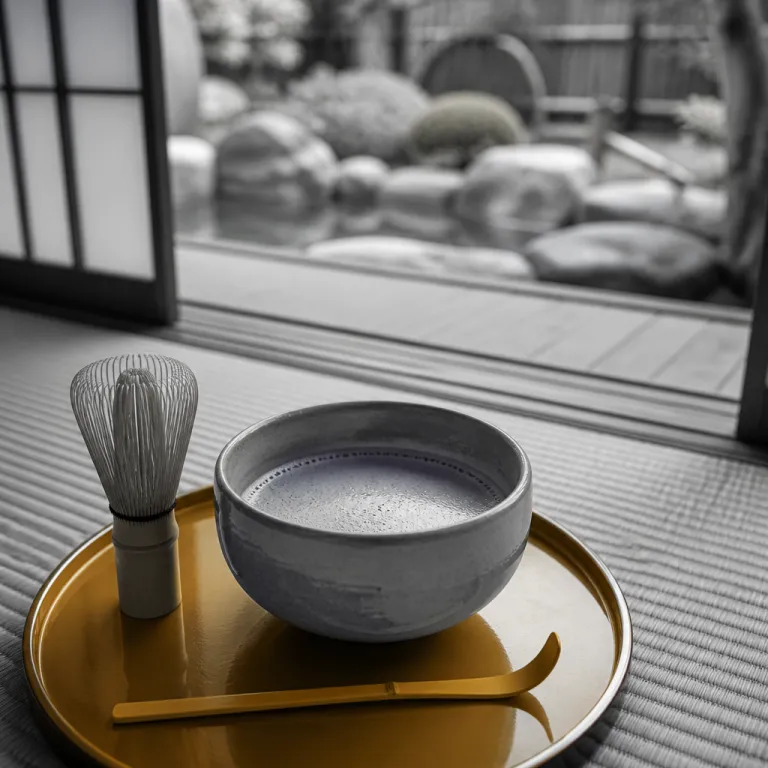
Why luxury ryokans are the most refined way to taste the best matcha tea in Japan
Staying in a luxury ryokan is one of the most elegant ways to encounter the best matcha tea in Japan as part of a complete cultural journey. In these traditional Japanese inns, the line between lodging and gastronomy blurs, and carefully prepared green tea becomes a central ritual that frames your arrival, your meals, and even quiet moments in your tatami room. Guests who care about high quality food and drink quickly realise that matcha, tea ceremonies, and seasonal kaiseki cuisine are woven together with the same attention to detail.
In Kyoto and nearby Uji, where many connoisseurs say the best matcha and green tea leaves are grown, premium ryokans often partner directly with producers such as Marukyu Koyamaen, Ippodo Tea, or Tsujiri to serve authentic matcha with a vibrant green color and rich flavor. These partnerships matter, because they help ensure ceremonial grade matcha powder or carefully selected loose leaf green tea rather than generic blends that lose their character during transport and storage. When you book a high end room, you are not only paying for a futon and a view; you are paying for access to grade matcha from matcha Japan regions that rarely appears on ordinary store shelves abroad.
For travelers comparing options, a luxury ryokan in Kyoto or Uji is usually better for a focused matcha tea experience, while a premium inn in Yame, Fukuoka excels at showcasing different Japanese tea styles alongside regional cuisine. Both approaches can lead you to the best matcha if the property works with a respected brand and treats tea as seriously as wine. Before you reserve, ask whether the inn offers a formal tea ceremony, whether the host uses ceremonial grade matcha powders, and whether tastings of Naoki Matcha or Ippodo Tea selections are available in the lounge or in room.
From Uji to Kyoto: how ryokans curate matcha, tea leaves, and regional flavors
Uji, just south of Kyoto, is widely regarded as one of the finest regions for matcha green production in Japan, and many luxury ryokans there build entire culinary journeys around this heritage. When you check in, you might be welcomed with a bowl of matcha tea prepared from Marukyu Koyamaen matcha powder, its vibrant green surface shimmering as hot water at around 75–80°C is whisked into a smooth foam for 15–20 seconds. The flavor profile is usually rich yet balanced, with gentle sweetness and almost no bitterness, which is exactly what travelers expect when they search for the best matcha.
Kyoto city offers a slightly different perspective, where historic houses such as Ippodo Tea supply both loose leaf Japanese tea and ceremonial grade matcha to nearby inns that specialise in refined hospitality. A ryokan tea host may explain that “Matcha is powdered whole leaves; green tea is steeped leaves,” and then guide you through a tasting that compares a classic green tea infusion brewed at about 70°C for one minute with a bowl of authentic matcha from a top brand. This kind of structured tasting helps guests understand why high quality matcha powders from Uji or Yame cost more than standard green tea bags in a supermarket store abroad.
Guests with dietary questions often ask how matcha compares to sake or other drinks when they plan multi course dinners at a traditional inn. If you are sensitive to gluten or other ingredients, it is worth reading a refined guide to safe drinks such as the one focused on whether sake is gluten free when you stay at a traditional Japanese inn, because it shows how carefully many ryokans manage beverage service. Once you understand the basics, you can better appreciate how water temperature, matcha powder grade, and even the choice between milk or plain water in a matcha latte influence both flavor and digestion during a long stay.
Inside the tea ceremony: how luxury inns elevate ceremonial grade matcha
Many high end ryokans treat the tea ceremony as the emotional centre of the stay, using ceremonial grade matcha to slow guests down after a long journey. In a quiet tatami room, a host will measure a small amount of matcha powder, add carefully heated water, and whisk until a thick foam forms, revealing a deep green color that signals high quality tea leaves. This intimate setting allows travelers to feel how authentic matcha connects architecture, hospitality, and gastronomy in a single gesture.
Some properties collaborate with Kyoto Obubu Tea Farms or Hoshino Seichaen to offer educational sessions that go beyond a simple tea ceremony and into the craft of growing and stone milling matcha green. During these sessions, guests may compare different grade matcha samples, from everyday culinary blends to the best matcha reserved for formal tea ceremony practice, and learn why Uji and Yame are considered benchmarks for matcha Japan production. The explanation “Where is the best matcha produced? Uji, Kyoto, and Yame, Fukuoka are renowned regions.” is often repeated as hosts show maps and photos of terraced fields.
Travelers who enjoy culture often combine these tastings with art or design experiences, and some booking platforms highlight packages that pair a ryokan stay with exhibitions such as an immersive journey through manga, anime, and culinary fantasy in New York. While that event takes place far from Japan, it reflects the same fascination with Japanese tea, matcha latte desserts, and green tea flavored sweets that you will encounter in modern Kyoto cafés linked to Tsujiri or Ippodo Tea. When you return to your inn after such an outing, a quiet bowl of matcha tea in your room feels even more meaningful.
From matcha latte to kaiseki desserts: culinary journeys built around green tea
Luxury ryokans increasingly design tasting menus where matcha and green tea appear in multiple courses, from savoury dishes to desserts and even breakfast. A chef might use Naoki Matcha powder to create a delicate sauce for grilled river fish, then finish the meal with a matcha latte style custard that blends milk, cream, and vibrant green matcha powders into a silky texture. These menus show that the best matcha tea in Japan is not limited to a single bowl but can shape an entire culinary narrative.
In Kyoto, some inns collaborate with Tsujiri cafés or Ippodo Tea to offer afternoon sweets that highlight both loose leaf Japanese tea and ceremonial grade matcha in different preparations. You may taste a simple bowl of matcha tea alongside a small cake infused with green tea, followed by a chilled drink that resembles a matcha latte but uses less milk to preserve the original flavor of the tea leaves. Guests who usually associate matcha with sugary drinks quickly learn to appreciate the rich, umami driven character of authentic matcha when it is handled with restraint.
For travelers who want to understand the philosophy behind this approach, reading about wabi sabi in hospitality and why imperfection can make a ryokan feel more honest than a conventional five star hotel is extremely helpful. That perspective explains why a slightly uneven handmade bowl or a faint trace of tea powder on the tray can enhance, rather than diminish, the sense of care in a tea ceremony. When you book through a specialised platform for traditional Japanese inns, look for descriptions that mention culinary journeys, tea pairing menus, and direct relationships with matcha brand producers, because those details usually indicate a serious commitment to tea culture.
How to choose a ryokan if you care about authentic matcha and Japanese tea
Travelers who prioritise tea often feel overwhelmed when they try to find the right ryokan among hundreds of options in Kyoto, Uji, and other parts of Japan. A practical method is to start with regions known for green tea and matcha Japan production, then narrow your search to inns that mention partnerships with producers such as Marukyu Koyamaen, Ippodo Tea, Kyoto Obubu Tea Farms, or Hoshino Seichaen. Properties that highlight ceremonial grade matcha, loose leaf Japanese tea, and structured tastings in their descriptions usually take beverage service as seriously as their rooms.
When reading details on a luxury and premium booking website for traditional Japanese inns, pay attention to how the property talks about water, milk, and preparation methods for matcha tea and green tea. An inn that specifies water temperature, whisking techniques, and the difference between a simple matcha latte and a formal tea ceremony is signalling expertise, while vague mentions of green drinks suggest a more casual approach. You should also check whether the ryokan offers both matcha powders and loose leaf options, because this variety allows you to compare flavor and aroma across different grade matcha styles.
Another useful indicator is how the property handles retail sales, since many guests want to bring home the best matcha or green tea they tasted during their stay. Some ryokans maintain a small store corner where you can find Naoki Matcha, Ippodo Tea tins, or other brand selections, often with clear notes about origin, harvest, and recommended use in tea or matcha latte recipes. If the inn is willing to explain which matcha powder is suitable for ceremonial use and which works better with milk or in desserts, you can trust that they understand both authentic matcha traditions and modern culinary applications.
Bringing the experience home: buying matcha powder and green tea after your stay
Once you have tasted the best matcha tea in Japan at a ryokan, the next challenge is recreating that experience at home with the right products and techniques. Many guests ask their hosts how to find the same matcha powder or loose leaf green tea in their own country, and whether Naoki Matcha or Ippodo Tea offers international shipping or local store partners. The answer often depends on your location, but starting with a brand you enjoyed during your stay is usually the safest way to maintain the same vibrant green color and rich flavor.
When you shop, look for clear labels that indicate ceremonial grade or at least high quality grade matcha, and avoid vague descriptions that simply say green tea powder without specifying origin. Authentic matcha from Uji, Kyoto, or Yame should mention harvest region, production method, and whether the tea leaves were shade grown before being stone milled into powder, because these factors directly influence taste and aroma. If you plan to prepare both straight matcha tea and matcha latte drinks with milk or plant based alternatives, consider buying two matcha powders, one ceremonial grade for pure tea ceremony style bowls and one slightly more robust blend for mixed drinks.
At home, try to replicate the careful approach you saw at the ryokan by measuring water precisely, preheating your bowl, and whisking until the surface of the matcha green liquid becomes smooth and glossy. Even if you do not perform a full tea ceremony, these small gestures help you reconnect with the calm atmosphere of your Japanese inn and remind you why you invested time in finding the best matcha during your trip. Over time, you may build a small collection of Japanese tea and matcha Japan products from different producers, turning your kitchen into a quiet extension of the culinary journey that began in a tatami room overlooking a garden.
Key figures and statistics about matcha regions and producers
- Marukyu Koyamaen has a documented history of around 300 years in Uji, which underlines how long established producers have refined techniques for growing and stone milling high quality matcha.
- Ippodo Tea was founded in Kyoto in 1717, making it one of the oldest continuously operating Japanese tea houses and a reference point for both loose leaf green tea and ceremonial grade matcha.
- Uji in Kyoto Prefecture and Yame in Fukuoka Prefecture are consistently cited by tea educators as leading regions for the best matcha and green tea in Japan, which is why many luxury ryokans in these areas build tasting programs around local producers.
- Educational initiatives by Kyoto Obubu Tea Farms and similar partners have expanded in recent years, reflecting a broader global interest in authentic matcha and structured tea ceremony experiences among international travelers.
FAQ about experiencing matcha at luxury Japanese inns
What is ceremonial grade matcha and why does it matter at a ryokan ?
Ceremonial grade matcha is the highest quality matcha used in traditional tea ceremonies, made from carefully selected shade grown tea leaves that are stone milled into a fine powder. At a ryokan, using ceremonial grade matcha ensures a smooth, rich flavor with minimal bitterness, which is essential when the tea ceremony is presented as a highlight of the stay. Guests who taste ceremonial grade matcha can better appreciate the difference between authentic matcha and lower grade products often used in mass market drinks.
How is matcha different from regular green tea served at Japanese inns ?
Matcha is powdered whole leaves; green tea is steeped leaves. This means that when you drink matcha, you consume the entire leaf in suspended form, while with regular green tea you only drink the infusion that passes through the leaves. As a result, matcha usually has a more intense flavor, a deeper green color, and a higher concentration of certain nutrients compared with standard loose leaf green tea.
Which regions should I visit if I want to taste the best matcha in Japan ?
Travelers who focus on tea should prioritise Uji near Kyoto and Yame in Fukuoka, because both regions are renowned for producing some of the best matcha and green tea in Japan. Luxury ryokans in these areas often collaborate directly with producers such as Marukyu Koyamaen, Ippodo Tea, Kyoto Obubu Tea Farms, or Hoshino Seichaen to offer tastings and tea ceremonies. Booking an inn in these regions increases your chances of encountering truly high quality, authentic matcha during your stay.
Can I buy the same matcha powder I tasted at a ryokan to take home ?
Many ryokans maintain a small store or retail corner where guests can buy matcha powders and loose leaf Japanese tea from partner brands, often including Naoki Matcha or Ippodo Tea. Staff usually explain which products are ceremonial grade and which are better suited for matcha latte drinks with milk or for cooking. If you cannot carry much luggage, ask whether the brand offers international shipping so you can reorder the same matcha powder after returning home.
Do luxury ryokans cater to guests who prefer modern matcha drinks like lattes ?
High end traditional inns primarily focus on classic tea ceremony service, but many now recognise that guests also enjoy modern matcha latte drinks and desserts. Some properties offer both straight matcha tea and lighter preparations that blend matcha powder with milk or plant based alternatives, often using a slightly different grade matcha for each style. When you book, you can ask whether the inn provides both traditional and contemporary matcha options so that every member of your group finds a drink they enjoy.
