Reading the silent grammar of a ryokan stay
Ryokan non verbal communication in Japan begins before you even step inside. From the moment you remove your shoes at the entrance, the best traditional inns in Japan are already guiding your stay through objects, timing, and silence rather than through English words. Understanding this quiet system turns a potentially confusing first time ryokan experience into a calm, almost choreographed form of travel.
Think of a classic ryokan in Japan as a place where architecture, tatami, and sliding doors speak a language older than any phrasebook. The staff speak through the angle of your slippers, the position of the tea set in your room, and the exact arrival time of your kaiseki dinner rather than through a phone call or long explanation at the front desk. When you travel Japan with this mindset, every movement inside the inn becomes part of a guide to how you should move, bathe, dine, and rest.
For international guests, the language barrier can feel intimidating, especially when not many staff speak English fluently. Yet ryokans have refined a system where the room attendant, the ryokan staff in the dining room, and even the layout of the public baths will quietly show you what to do. This is why a focused ryokan guide to non verbal cues is more useful than memorizing stock phrases, because the real communication in Japan luxury inns happens through placement, timing, and the deliberate use of space.
The slipper protocol and the map beneath your feet
The first chapter of ryokan non verbal communication in Japan is written in slippers. At many ryokans, you will change footwear several times during your stay, and each pair signals where you are allowed to go and how you should move through the building. When you arrive, staff at the front desk will often turn your street shoes to face the door, a quiet hint that the outside world stays outside while your time ryokan experience unfolds inside.
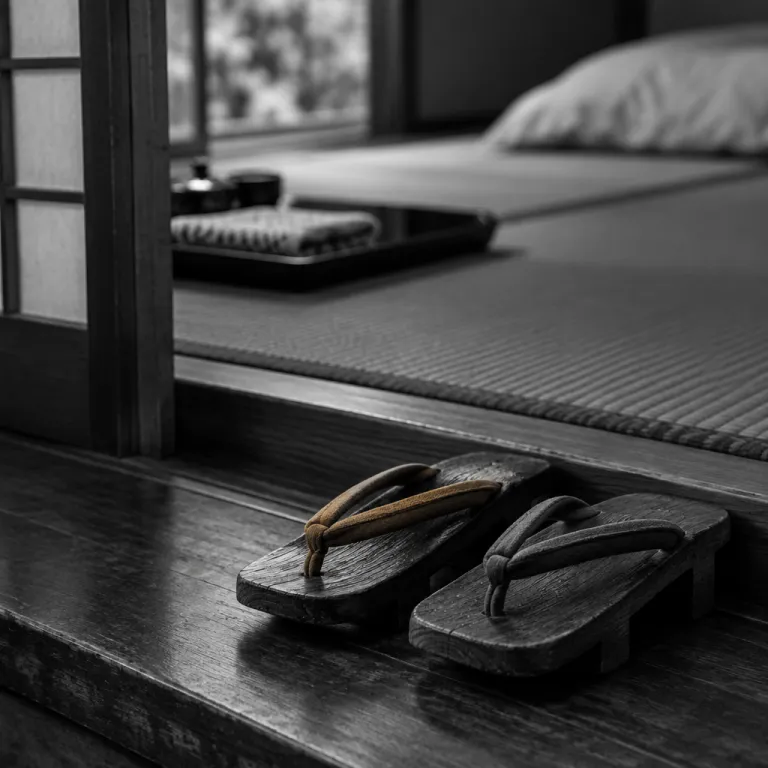
Hallway slippers point you toward shared spaces, while sturdier wooden geta near the entrance guide you to the garden or hot spring paths. Bathroom slippers wait just inside the toilet area, their placement a clear boundary between clean tatami and wet tile, and the way they face the door tells you how to step in and out without a word of English. If you travel Japan with children or a multi generational group, this choreography of footwear becomes even more important, and resources such as this practical guide to booking meals and shared baths with kids can help you brief everyone before arrival time.
Inside your room, the position of slippers by the veranda or near the private bath quietly indicates where you can stand with bare feet and where you should slip something on. In many Japan luxury properties, the room attendant will realign your slippers each time you return, a subtle reminder of the inn’s heritage of order and care. Once you start reading these signals, you realize the ryokan staff are mapping the building for you underfoot, reducing the language barrier by turning every step into a guided route.
Meal timing, room transformation, and the choreography of care
Ryokan non verbal communication in Japan is perhaps most visible at meal times and during the nightly room transformation. When you complete your booking, you are usually asked to confirm an arrival time and a preferred dinner time, because the kitchen and room attendant plan your entire kaiseki sequence around those details. In many ryokans, breakfast dinner combinations, futon layout, and even hot springs cleaning schedules are synchronized to the minute.
At a classic onsen ryokan, dinner time is rarely flexible, and the multi course kaiseki meal may begin as early as 18:00. If you are late, the ryokan staff will not call your phone repeatedly ; instead, the untouched place setting at the dinner table becomes a visible sign that the choreography has been disrupted. Before you travel Japan, it helps to understand that punctuality here is not rigid formality but a way to protect the temperature of each dish, the rhythm of service, and your own time in the bath between courses.
After you leave the dining room, the next act of communication happens inside your room. While you soak in the onsen or visit the public baths, the room attendant will quietly clear the low dining table, slide it aside, and prepare the time futon ritual, laying out bedding that often faces the garden or a hanging scroll chosen to match the season. Guides such as this detailed rotenburo etiquette overview for open air onsen explain how your movements between hot spring and room are anticipated, so the staff speak through timing rather than through constant knocks.
Sound, silence, and what first timers often misread
Another layer of ryokan non verbal communication in Japan is built from sound and the deliberate absence of it. The soft double knock on a sliding door, followed by a pause, tells you the room attendant is waiting for permission to enter, even if you do not speak English or Japanese. The way the door is opened just a hand’s width, then closed again after placing a tray inside, is a signal that your privacy matters as much as attentive service.
Many first time ryokan guests from abroad misread this quiet as distance or coldness. In Western hotels, staff speak English at length, ask about your day, and often linger in the room, while in Japan luxury inns the staff speak mostly through gestures, bowing, and the angle of a tea pot on the tray. What feels like space or even neglect is usually a carefully calibrated respect for your stay, and the silence between interactions is part of the heritage of omotenashi, the Japanese philosophy of anticipatory hospitality.
Public baths and hot springs also have their own acoustic code. The absence of music in a hot spring area, the soft splash of water, and the rustle of yukata fabric tell you this is a place for quiet reflection rather than conversation across the bath. If you are unsure how to move between shared onsen and private bath options, this in depth guide to choosing between private and shared baths explains how sound, sightlines, and layout all work together to communicate expectations without a single printed sign.
How to participate gracefully when you do not speak Japanese
For many readers, the most practical side of ryokan non verbal communication in Japan is learning how to respond. You do not need to speak English or Japanese perfectly to show respect ; small gestures carry more weight than long speeches. A slight bow when the room attendant enters, placing your phone out of sight during kaiseki, and aligning your slippers neatly when you leave the room all tell the ryokan staff that you understand their care.
Before your stay, use your booking form or a short email to share any dietary requests, such as allergies or preferences for lighter breakfast dinner combinations. Many ryokans now have at least one staff member who can speak English, and while not all staff speak fluently, clear written notes about dietary needs help the kitchen adjust the kaiseki menu without awkward last minute changes. During your time ryokan experience, you can point to the relevant line on your printed reservation if the language barrier feels high, letting the front desk or dining room team confirm details without stress.
When you travel Japan, remember that the best communication in these heritage inns is mutual attentiveness. Watch how other guests move through the public baths, how they handle the hot spring ladle, and how they fold their yukata inside the room, then mirror what feels respectful. Over a few nights, you will notice that ryokans reward this quiet participation with even more thoughtful touches, from a perfectly timed bath refill to a small change in the dinner table arrangement that reflects your earlier dietary preferences.
FAQ
How can I manage the language barrier at a ryokan if I only speak English ?
Most ryokans that cater to international guests have at least one person at the front desk who can speak English, even if not all staff speak fluently. Use your booking confirmation to write down key details such as arrival time, dietary requests, and preferred dinner time, then show this paper or your phone screen when you check in. During your stay, rely on the non verbal cues described above, since ryokan non verbal communication in Japan is designed to guide guests who do not share a language.
What should I do if I have specific dietary requests for kaiseki meals ?
Always communicate dietary requests before your stay, ideally at the time of booking or by email a few days in advance. Kaiseki is a highly structured meal, and the kitchen needs time to adjust courses without compromising the balance of flavors and presentation. When you arrive at the ryokan, briefly confirm your dietary needs at the front desk so the dining room and room attendant teams can coordinate breakfast dinner menus accordingly.
How do I know when to go to the bath or onsen areas ?
Your room usually contains a simple ryokan guide with bath opening hours, and staff may point to these times during check in. Many properties alternate public baths for men and women at set times, so signs and colored curtains at the entrance communicate which side to use without needing English explanations. If you are unsure, watch where guests wearing the same color yukata belt are heading, or ask the front desk to mark the correct hot spring times on a map.
Why is dinner time at a ryokan often earlier than I expect ?
Ryokan kaiseki dinners are multi course experiences that depend on precise timing, from sashimi freshness to the moment a hot pot reaches its peak. Serving dinner time earlier allows the kitchen and room attendant to coordinate service, futon preparation, and access to public baths so your evening flows smoothly. Arriving late can disrupt this choreography, so treat the agreed dinner table time as part of the overall experience rather than a flexible restaurant booking.
How can I tell if a ryokan is the best choice for my first stay in Japan ?
Look for ryokans that clearly explain their facilities in English, mention whether staff speak some English, and provide details about onsen, public baths, and room types on their website. Properties that highlight heritage, hot springs, and thoughtful service rather than only room size usually offer a more authentic Japan luxury experience. Reading a detailed ryokan guide focused on non verbal communication, meal structure, and bath etiquette will help you choose a place where the silent language of placement, timing, and silence feels welcoming rather than confusing.