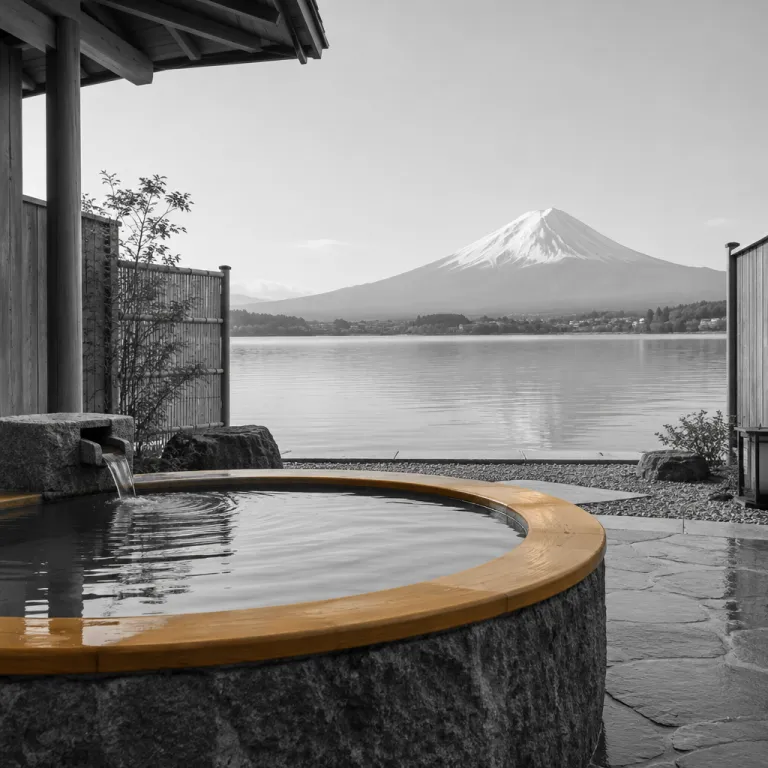
Choosing a ryokan near Mount Fuji for a refined mountain escape
A stay in a ryokan near Mount Fuji turns a simple night into a deeply textured mountain escape. Around the Fuji Five Lakes area and Hakone, luxury ryokans combine traditional tatami rooms, kaiseki cuisine, and hot spring onsen rituals with discreet modern comfort. When you search for a ryokan Mt Fuji stay, focus on how the property frames the iconic peak, how many rooms offer a direct Mount Fuji view, and how the onsen layout connects you to the surrounding lake and forest landscape.
The most coveted ryokans cluster around Lake Kawaguchiko, often written as Lake Kawaguchiko or Lake Kawaguchi, where the water mirrors Mount Fuji on clear mornings. In this area, premium ryokans such as Kawaguchiko Fufu and Hotel Asafuji offer rooms with private bath facilities and open air terraces, so guests can enjoy Fuji views without leaving their suite. When you compare ryokans, check whether the property guarantees a Fuji view room category or only lists “mountain side” rooms, because this distinction affects both booking confidence and final price.
Hakone, especially the Gora area, offers a different ryokan Mt Fuji experience, with forested hillsides, art museums, and access to Lake Ashi cruises. A historic property such as Gora Kadan blends classic ryokan service with contemporary design, and some rooms feature a private onsen or private bath with partial mountain panoramas. One recent guest described waking up to steam rising from the outdoor tub while a faint outline of Mount Fuji appeared between clouds, a reminder that views are never fully guaranteed. Whether you choose Kawaguchiko, Hakone, or another Fuji lake area, always check availability early for weekends and holidays, because the number of true Fuji view rooms is limited and demand is consistently high.
Where to stay around Kawaguchiko and the Fuji Five Lakes
The lakeside town often called Kawaguchiko is the most popular base for a ryokan Mt Fuji stay, thanks to its balance of scenery, transport, and dining. From Kawaguchiko Station, buses and taxis fan out along Lake Kawaguchiko, giving easy access to ryokans that line the shore and offer uninterrupted Fuji views. If you want to minimise transfers, choose a ryokan Fuji style property within a short taxi ride of the station, then plan to arrive by mid afternoon to settle into your room before the light softens over Mount Fuji.
On the north shore of Lake Kawaguchiko, several ryokans specialise in all rooms facing the mountain, creating a wall of windows that frame the peak at sunrise. Properties such as Kawaguchiko Fufu and Hotel Asafuji are often highlighted in guest reviews for their combination of refined kaiseki dinners, attentive ryokan staff, and hot spring baths that seem to float above the Fuji lake surface. When you read reviews, pay attention to comments about whether the onsen water is genuinely hot and whether the indoor and open air baths feel crowded at peak times, because this shapes the overall sense of calm.
For travellers who prioritise foliage and seasonal colour, the lakeside promenades near the Maple Corridor pair beautifully with steaming onsen sessions. To deepen your understanding of how Japanese inns integrate nature into bathing culture, you can explore an in depth feature on onsen towns where the rotenburo faces the autumn foliage, then apply those insights when choosing between ryokans around Kawaguchiko. Remember that visibility of Fuji changes daily, so a ryokan Mt Fuji booking in this area should be motivated by both the view and the quality of the rooms, meals, and service, not by the mountain alone.
Hakone and Gora: refined hot spring retreats with Fuji views
Hakone sits within the Fuji Hakone Izu National Park and offers a more dispersed, resort like setting for a ryokan Mt Fuji escape. Here, ryokans are scattered across valleys and ridges, with some focusing on forest immersion and others on partial Fuji views from selected rooms or baths. The Gora district, home to Gora Kadan and other high end ryokans, is especially appealing for guests who want art museums, ropeways, and hot spring experiences all within a compact area.
At Gora Kadan, a former imperial villa turned luxury ryokan, certain rooms feature a private onsen or private bath on a terrace, where you can soak in hot spring water while looking toward the surrounding mountains. On clear days, some vantage points in Hakone offer a distant view of Mount Fuji, though not every ryokan can promise consistent Fuji views, so you should always check the exact room description before booking. Around Lake Ashi, a handful of ryokans and hotels offer lake facing rooms and baths, and some cruises on the lake align perfectly with the silhouette of Mount Fuji rising behind the water.
Travellers who are passionate about hot spring culture often combine a ryokan Mt Fuji stay with a visit to other renowned onsen regions. To understand how different mineral compositions and designs influence the experience, consult detailed coverage of a property that uses highly acidic water, such as the feature on a Yamagata ryokan built around Japan’s most acidic onsen. This context helps you evaluate whether a Hakone or Kawaguchiko hot spring, often milder and more focused on Fuji views, aligns with your wellness priorities and your expectations for a multi night itinerary.
How to evaluate rooms, private onsen, and overall value
When you compare ryokan Mt Fuji options, the first decision is whether you want a shared onsen experience or a private onsen attached to your room. Shared hot spring baths often have the most dramatic Fuji views, with large windows or open air decks, while private baths trade some scale for intimacy and flexibility. For couples or families who value privacy, a room with a private bath fed by natural hot spring water can justify a higher price, especially if it includes a guaranteed Fuji view.
Premium ryokans around Lake Kawaguchiko and Hakone usually price stays per guest, including dinner and breakfast, so a quick price comparison with Western style hotels can be misleading. A typical luxury ryokan Mt Fuji stay in a Fuji view room with private onsen access can reach around ninety thousand yen per guest in peak seasons, reflecting the labour intensive kaiseki meals and the limited number of rooms. To judge value, read reviews that mention the quality of the kaiseki courses, the attentiveness of the ryokan staff, and the condition of tatami, futons, and in room amenities, not just the angle of the mountain from the balcony.
Some ryokans, such as Onsenji Yumedono and Fuji Onsenji near Kawaguchiko, specialise in suites with large private onsen baths and separate living rooms, creating a villa like feel. Others, including Hotel Asafuji and certain wings of ryokan Fuji properties, focus on compact but well designed rooms that maximise Fuji views through floor to ceiling windows. One traveller who stayed in a modest corner room at Lake Kawaguchiko recalled that the memory that stayed with them was not the square footage but the quiet moment of watching the summit turn pink at dawn from a small balcony chair. For travellers researching broader Japanese inn trends and how luxury properties balance tradition with comfort, an in depth report on Kyoto style serenity with onsen comfort offers useful parallels when assessing what matters most in your own booking.
Booking strategies, timing, and practical checks for clear Fuji views
Securing the right ryokan Mt Fuji stay requires more than simply choosing a famous name and clicking the first booking button. Visibility of Mount Fuji is highly weather dependent, with the clearest views typically in the colder months and early in the morning. To maximise your chances, plan at least one night in a Fuji view room, arrive early enough to enjoy the afternoon light, and set an alarm to check the view at sunrise when the air is often clearest.
Regional tourism sources suggest that guests can expect clear Fuji views from lakeside ryokans on only a fraction of days each year, which means flexibility matters. When you check availability, consider adding a second night in the same room category, because this doubles your chances of waking up to an unobstructed Fuji view. Before finalising your booking, confirm practical details such as tattoo policies in the onsen, whether the hot spring baths are genuinely natural or simply heated tap water, and whether the hot pools are separated by gender or operate on a rotation system.
Transport planning also shapes the comfort of your ryokan Mt Fuji experience, especially if you are arriving from Tokyo. Allow around two hours of travel time by highway bus or train to reach Kawaguchiko Station, and a similar duration for Hakone via the Shinkansen and local lines. Once you arrive in the area, use the afternoon to check walking distances, shuttle schedules, and the layout of the lake or valley, so you can move smoothly between your room, the onsen, and any viewpoints you want to photograph at different times of day.
Reading reviews and working with ryokan staff for a personalised stay
Thoughtful use of guest reviews can transform a standard ryokan Mt Fuji reservation into a tailored, satisfying stay. Instead of focusing only on star ratings, read detailed reviews that mention specific rooms, such as Fuji view suites, private onsen villas, or lake facing tatami rooms, and note recurring praise or concerns. Pay attention to comments about noise at night, the temperature of the hot baths, and how staff handle special requests, because these details often matter more than a single dramatic photo of Mount Fuji.
Ryokan staff are trained in omotenashi, a style of anticipatory hospitality that values discretion and sincerity, and they can fine tune your experience if you communicate clearly. Before arrival, email the property to confirm your room type, any dietary needs for kaiseki meals, and your preferred time slots for private bath usage if the hot spring facilities operate on a reservation system. During check in, ask which onsen or open air deck offers the best Fuji views at sunrise and sunset, and whether there are quieter periods when the baths are less crowded, so you can plan your bathing around both scenery and serenity.
Regional guidance for Fuji view ryokans emphasises three core tips that align with what experienced travellers report in their reviews: “Book during autumn or winter for clear views”, “Pick a room with direct Fuji view”, and “Check onsite onsen policy for tattoos”. When you combine this advice with your own priorities, whether that is a Lake Kawaguchiko panorama, a secluded private onsen, or proximity to cultural sites in Hakone, you can choose between ryokans with confidence. Over time, this careful approach to reading reviews and engaging with staff builds a more nuanced understanding of what makes a ryokan Mt Fuji stay truly memorable.
Key figures for planning a ryokan stay near Mount Fuji
- Regional accommodation data indicates that clear visibility for Mount Fuji from lakeside ryokans is limited to a modest portion of the year, so travellers should not expect guaranteed views on every night of their stay.
- Premium ryokan Mt Fuji stays that include kaiseki dinner, breakfast, and access to natural hot spring baths often average around ninety thousand yen per guest in busy periods, reflecting both the labour involved and the limited number of Fuji view rooms.
- Typical travel time from central Tokyo to Kawaguchiko Station or to the Hakone area is about two hours by public transport, which makes a one night stay feasible but a two night stay more relaxed for enjoying onsen and lake scenery.
- Many high end ryokans around Lake Kawaguchiko operate with fewer rooms than comparable city hotels, which increases privacy but also means that Fuji view categories can sell out several weeks in advance during peak foliage and snow seasons.
FAQ: planning your ryokan Mt Fuji experience
Where should I stay for the best Fuji views from a ryokan ?
The Fuji Five Lakes region, especially the shores of Lake Kawaguchiko, offers the most consistent combination of unobstructed Mount Fuji views and a dense concentration of ryokans. Many properties here, including Kawaguchiko Fufu, Hotel Asafuji, and several ryokan Fuji style inns, design their rooms and onsen baths to face the mountain directly. Hakone and Lake Ashi also provide scenic stays, but only certain rooms and viewpoints offer a clear Fuji view, so you need to check descriptions carefully.
When is the best period to book a ryokan Mt Fuji stay for clear views ?
Autumn and winter generally provide the clearest air and the highest chance of seeing Mount Fuji from your room or from the onsen. Regional guidance recommends planning for early morning views just after sunrise, when clouds are less likely to obscure the peak. Because visibility still varies, consider staying at least one or two nights and choosing a guaranteed Fuji view room category to improve your odds.
Are meals usually included in the price at Fuji area ryokans ?
Most traditional ryokans around Kawaguchiko and Hakone include both dinner and breakfast in the nightly price, especially in Fuji view or private onsen room categories. Dinner is typically a multi course kaiseki meal that showcases regional ingredients, while breakfast may be Japanese style with grilled fish, rice, and miso soup. When you check availability, confirm whether your chosen plan is half board or room only, because this significantly affects both cost and overall value.
How do I reach Kawaguchiko and Hakone from Tokyo for a ryokan stay ?
To reach Kawaguchiko, many guests use highway buses from Shinjuku or the Fujikyuko Line from Otsuki, arriving at Kawaguchiko Station in around two hours. For Hakone, a common route is the Shinkansen to Odawara followed by local trains or the Romancecar to Hakone Yumoto, then onward connections to Gora or Lake Ashi. In both cases, planning an early afternoon arrival gives you time to check in, explore the area, and enjoy the onsen before dinner.
What should I check before finalising a ryokan Mt Fuji booking ?
Before confirming your booking, verify that your room explicitly mentions a Fuji view if that is important to you, and confirm whether the bath is shared, semi private, or a true private onsen attached to the room. Review the onsen rules, including tattoo policies and any time slots for private bath usage, and check whether the hot spring water is natural or artificially heated. Finally, read recent guest reviews to understand the current condition of the rooms, the quality of meals, and how well the staff handle special requests, so you can align expectations with reality.