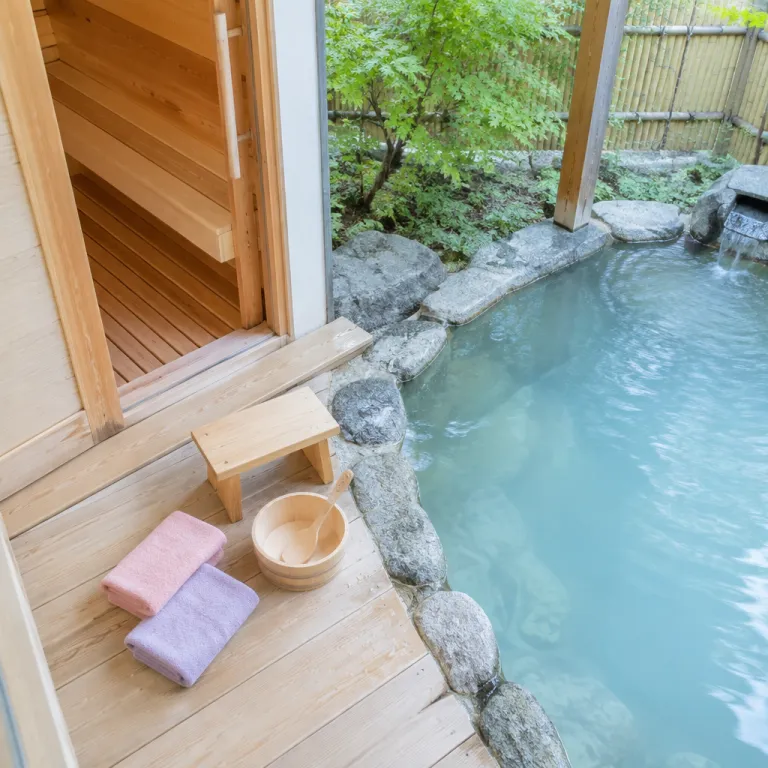
The rise of the ryokan sauna onsen wellness circuit
In Japan, the phrase “totonou” describes the clear, floating state after heat, cold and rest. The modern ryokan sauna onsen wellness circuit is built entirely around guiding guests toward that precise sensation. For business travelers extending a stay, it reframes the traditional hot spring bath as a structured ritual rather than a single soak.
At its core, this circuit moves you through hot onsen water, a focused sauna experience, a sharp cold plunge and then a quiet lounge. The sequence repeats in several rounds, using different types of baths and saunas to nudge the body from stress into balance. When a ryokan commits to this format, the entire hotel layout, from the first changing room to the last rest chair with a view, is redesigned around flow.
Traditional onsen culture in Japan already prized contrast between hot and cold water, but the new circuits make that contrast explicit. You might start in a cedar lined indoor bath, step into a dry heat Finnish sauna, then move straight to an outdoor cold plunge pool. After each round, the post sauna pause in a dim, quiet room for adults becomes as important as the hot spring itself.
Understanding totonou and the logic of heat, cold and rest
Totonou is not a mystical concept ; it is a very physical reset that many guests now seek out by name. The ryokan sauna onsen wellness circuit uses controlled hot and cold exposure to push circulation, then uses stillness to let the nervous system settle. When done well, the rhythm feels inevitable rather than forced, even for first time visitors from the United States or the United Kingdom.
A typical round begins with a thorough wash, then a slow entry into a hot spring bath fed by mineral rich spring water. From there, you move into a sauna room where dry heat or gentle steam raises your core temperature in a measured way. Only then does the circuit send you into cold water, either a dedicated cold plunge tub or a plunge outdoor pool with mountain air on your face.
The hot cold contrast is what many regulars describe as addictive, especially when repeated three or four times. Some properties now offer both a classic Finnish sauna and a lower temperature infrared sauna, allowing guests to choose their preferred style of heat. If you are curious how this fits into a broader digital detox approach to Japanese bathing, a detailed guide to slow, screen free stays in onsen town settings is available through this analysis of Japan’s original digital detox culture on JapaneseInnStay.
Where the circuit enriches ryokan tradition, and where it strains it
For purists, the ryokan has always been about unhurried immersion in onsen water, followed by kaiseki and sleep on a futon. The ryokan sauna onsen wellness circuit can feel like a new layer, but it still respects the core elements when thoughtfully designed. The best properties keep the baths quiet, the lighting low and the focus on the spring rather than on gadgets.
In these inns, the sauna experience is treated as another expression of omotenashi, not a gym amenity. Staff guide guests through the order of hot spring, sauna, cold plunge and rest, but they do so with the same discretion as when they lay out your yukata. Many now add private options, such as a small private sauna attached to a suite, or a private onsen bath on a terrace with a forest view.
For travelers who want more control, booking a ryokan with a private onsen and a private sauna in the same room can be a strong choice. This format lets room adults move through their own hot cold circuit without watching the clock in shared baths. To understand how reservation channels shape access to these more exclusive configurations, JapaneseInnStay has a detailed breakdown of how the ryokan reservation game is really won across direct booking and major Japanese platforms.
Designing for the sauna circuit: rooms, decks and the pause
Once a ryokan commits to a full sauna cold circuit, architecture follows. You start to see rooftop decks with plunge outdoor tubs, dedicated cold water pools and lounges that feel closer to quiet reading rooms than to spa waiting areas. The goal is to choreograph movement from hot to cold to rest without breaking the mood.
In practice, that means separate zones for noisy showers and for silent baths, and clear sightlines so guests never wonder which room comes next. A well designed circuit might place a Finnish sauna beside a window with a mountain view, then tuck the cold plunge just outside in fresh air. After that, a softly lit room for adults only, with reclining chairs and cool spring water on tap, becomes the stage for the post sauna reset.
Some properties experiment with multiple types of saunas, from classic dry heat cabins to compact infrared sauna rooms that warm the body more gently. Others focus on the onsen town setting, using local springs Japan is famous for to feed both indoor baths and outdoor hot springs pools. If you are weighing whether to prioritize a private bath, a shared circuit or a mix of both, JapaneseInnStay’s guide to booking a ryokan with a private onsen offers a clear framework for matching layouts to your travel style.
Global influences and how to choose your ideal circuit
Japan’s sauna revival has not happened in isolation ; it has absorbed ideas from Europe while exporting its own language of totonou. Travelers who know the lakefront saunas of Switzerland or the mountain spas of Italy will recognize the emphasis on contrast and repetition. What feels distinct in a Japanese ryokan is the way the circuit is folded into the wider ritual of arrival, dining and sleep.
Some inns now reference the communal sauna culture of the United Kingdom and Northern Europe, pairing a large Finnish sauna with smaller private rooms. Others lean into springs Japan already celebrates, piping onsen water into both shared baths and semi private suites. Across these properties, the ryokan sauna onsen wellness circuit is marketed not as a trend, but as a structured way to support the immune system through alternating heat and cold.
When choosing, look beyond the word “sauna” on a hotel website and study the actual sequence. Is there a true cold plunge or only a lukewarm pool, and is there space for quiet post sauna rest rather than a busy lobby? For business leisure travelers who value precision, the most satisfying circuits are those where every room, from the first changing area to the last tatami lounge, has been designed to make each round feel inevitable.
FAQ
What does totonou feel like in a ryokan sauna onsen wellness circuit ?
Most guests describe totonou as a calm, clear state that arrives after several rounds of hot spring bathing, sauna heat, cold water and rest. Your heart rate settles, your skin tingles slightly and your thoughts slow down without feeling drowsy. In a well designed circuit, that feeling usually appears after the second or third complete round.
How many rounds of hot and cold should I do in one visit ?
For first time visitors, two or three full rounds of hot bath, sauna, cold plunge and rest are usually enough. Each heat phase should feel comfortably intense but never overwhelming, and each cold phase should be brief but decisive. If you feel light headed or overly tired, it is better to stop and hydrate than to push for another round.
Is a private sauna or private onsen worth the extra cost ?
For travelers who value privacy, a room with a private onsen and a compact private sauna can transform the experience. You can move through your own hot cold circuit without watching other guests or adjusting to shared room etiquette. This is especially appealing for couples or small groups who want to talk freely between rounds.
Can the sauna onsen circuit help with jet lag after a long flight ?
Alternating hot and cold exposure, followed by quiet rest, can help reset your sense of time and ease muscle tension after travel. Many business travelers use an evening circuit to wind down after a flight, then sleep more deeply on tatami. While it is not a medical treatment, the structured rhythm can support relaxation and better sleep.
How do I behave in shared baths and saunas at a ryokan ?
In shared spaces, the basic rules are to wash thoroughly before entering any bath, keep voices low and avoid bringing phones into the bathing area. Towels stay out of the water, and you sit on a small stool when washing at the showers. If you are unsure about the order of the circuit, quietly watching regulars for a few minutes usually clarifies the local rhythm.