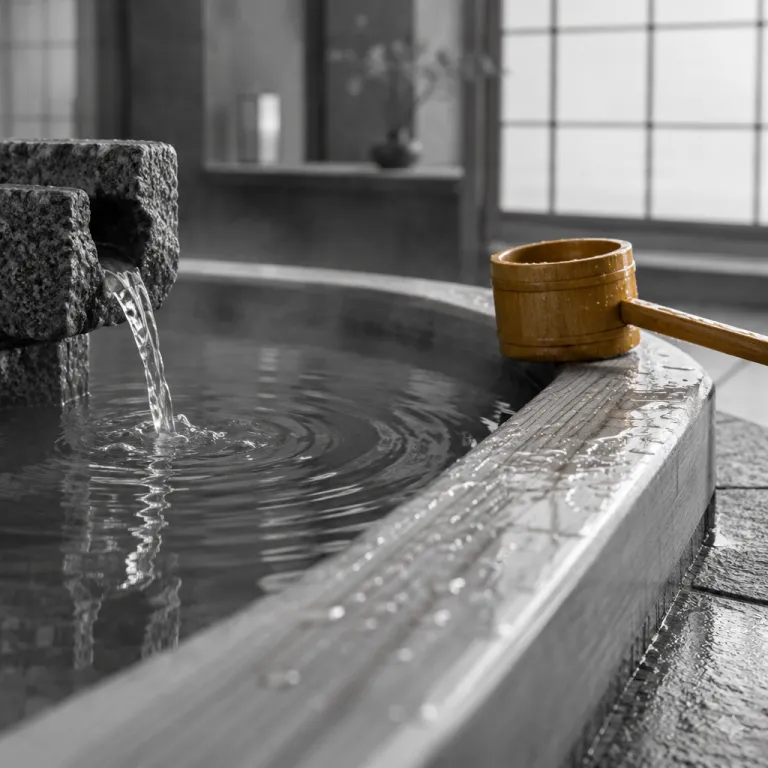
Urban sanctuaries for a private onsen in Tokyo
Seeking an onsen in Tokyo with private serenity starts with location. In a dense city where people move constantly, a luxury ryokan with secluded hot spring style baths becomes an urban sanctuary. The best properties balance traditional Japanese calm with discreet hotel level service and refined rooms.
In central Tokyo, many travelers look for a private onsen style hot bath rather than a large public onsen complex. Water is often piped mineral hot spring water rather than natural on site springs, yet the intimate air and quiet rooms private from the street still feel deeply restorative. When you check detailed room descriptions, focus on phrases such as private bath, open air bath, or rooms open to a terrace with a view.
Neighborhoods like Asakusa offer a rare mix of heritage and convenience for an onsen in Tokyo private retreat. A traditional Japanese ryokan in Asakusa can place you near Sensō ji while still offering private baths that feel far removed from the crowds. Look for ryokan Asakusa addresses that mention Japanese style rooms, tatami flooring, and private open air baths facing a small garden.
Some urban ryokan private suites feature semi open air baths on balconies, giving you a hot spring inspired experience with skyline views. These rooms private from neighboring buildings often use carefully placed screens to protect both modesty and air circulation. When a property describes air baths or open air hot spring baths, confirm whether they are fully outside or partially enclosed for comfort in cooler seasons.
Because Tokyo private bathing spaces are limited, availability can change quickly across seasons. Always check whether the private baths are attached to your room or shared as reservable air bath facilities used by mixed gender couples or families. Clear descriptions on a premium booking website help people compare public onsen areas, private onsen rooms, and hybrid options at a glance.
Choosing a traditional Japanese ryokan in Asakusa and central Tokyo
Selecting a ryokan in Tokyo for a private onsen stay requires more nuance than booking a standard hotel. You are not only choosing a room but also a traditional Japanese way of bathing, dining, and resting that shapes the entire trip. The right ryokan private suite can turn a short city break into a deeply memorable cultural immersion.
In Asakusa, several small inns and boutique ryokan blend Japanese style architecture with modern comforts for international guests. Many people appreciate that a ryokan Asakusa stay keeps them close to the Sumida River and Tokyo Skytree while still offering quiet rooms private from the busy streets. When you check room categories, compare whether the private bath is an indoor stone tub, an open air bath, or a semi open air cypress tub on a terrace.
Across central Tokyo, some luxury ryokan style hotels offer onsen Tokyo experiences through carefully designed hot baths that evoke a natural hot spring. While not every property can access a true hot spring source, the ritual of washing, soaking, and cooling in fresh air remains central. Look for descriptions that mention private onsen inspired baths, air baths with city views, and mixed gender use through timed reservations.
For travelers with tattoos, a tattoo friendly policy can be decisive when comparing public onsen and private baths. Many traditional Japanese public onsen facilities still restrict visible tattoos, which makes a private bath in your room or a reservable private open air bath especially valuable. A premium booking website should clearly label tattoo friendly ryokan options so people can check policies before confirming non refundable rooms.
When evaluating any ryokan private offering, pay attention to layout as much as décor. Some rooms open directly onto a compact garden with an open air bath, while others place the hot bath beside a large window for a dramatic night view of Tokyo. If you are sensitive to heat or humidity, confirm whether the air bath area has adjustable ventilation and whether the room air conditioning reaches the bathing space comfortably.
For travelers planning a wider itinerary across Japan, pairing a Tokyo stay with a refined Kansai experience can be rewarding. An elegant Osaka ryokan hotel guide for refined traditional stays can help you compare how urban ryokan in different cities handle private onsen style baths, room sizes, and service levels. This contrast highlights how each region interprets Japanese style hospitality while keeping the core rituals of hot spring bathing intact.
Designing your ideal private onsen room experience
Once you have chosen your preferred neighborhood in Tokyo, the next step is to design the exact private onsen experience you want in your room. Some people prioritize a deep stone hot bath with a view, while others value a spacious tatami room where they can unwind before and after soaking. A detailed premium booking website should let you filter rooms private by bath type, size, and outlook.
For couples, a private open air bath on a balcony can feel especially romantic when the city lights shimmer beyond the steam. These rooms open to the sky often feature wooden or stone tubs that echo traditional Japanese hot spring design while still meeting modern safety standards. When you check photos, look for how the air baths are screened from neighboring buildings and whether seating is available beside the tub.
Families or small groups may prefer larger rooms private from corridors, with sliding doors separating the sleeping area from the private bath. This layout allows one person to enjoy the hot bath while others relax in the room without disturbing each other. Mixed gender use is straightforward in such private baths, which is a major advantage over many public onsen facilities in Japan that separate men and women.
Travelers who value wellness often seek a sequence of hot spring style bathing, cool air, and quiet rest. A well designed air bath area lets you step out of the hot bath, sit in fresh air, and then return to your Japanese style futon or bed. When a property describes its facilities as air baths or open air baths, confirm whether they are attached to each room or shared as reservable spaces.
Some luxury ryokan in Tokyo integrate spa level amenities into their private onsen style rooms, including aromatherapy, adjustable lighting, and curated teas. These details transform a simple hot bath into a multi sensory ritual that feels aligned with traditional Japanese wellness philosophies. If you are planning a special occasion, check whether the ryokan private suites include extras such as seasonal kaiseki dinners served in room after your soak.
For travelers who fall in love with urban hot spring culture, it can be interesting to compare Tokyo private onsen style stays with other cities. Urban sanctuaries with Osaka private onsen experiences for refined city stays show how different metropolises adapt the same bathing traditions to their own skylines. By reading both Tokyo and Osaka focused guides, people can better understand how to balance public onsen visits with deeply personal private baths across a longer journey.
Navigating public onsen, tattoo policies, and mixed gender options
Even when your priority is an onsen in Tokyo private room, understanding public onsen culture will enrich your stay. Many ryokan and hotel properties combine private baths with access to larger public onsen areas that follow long established Japanese etiquette. Knowing how these spaces work helps you decide when to soak privately and when to join other guests.
Public onsen facilities in Japan usually separate men and women, which can be limiting for couples who want to bathe together. In response, some urban ryokan now offer mixed gender private baths that can be reserved by the hour, often described as private open air baths or family baths. When you check facility details, look for clear explanations of which baths are public onsen, which are private onsen style, and how reservations are managed.
Tattoo friendly policies remain a key concern for many international travelers visiting Tokyo. While attitudes are gradually changing, a significant number of public onsen still restrict entry for people with visible tattoos, regardless of size or design. Choosing a ryokan private room with its own hot bath or air bath ensures you can enjoy the hot spring inspired ritual without worrying about being turned away.
Some properties explicitly label certain baths as tattoo friendly, especially when they are private baths attached to rooms or reservable air baths. This clarity is particularly important in Tokyo private stays, where guests may have limited time and cannot easily change plans if refused entry. A transparent premium booking website should highlight tattoo friendly options and encourage guests to check policies before finalizing rooms open for specific dates.
Mixed gender bathing is another area where private onsen style facilities offer flexibility that public onsen cannot. Couples, families, and close friends can share a private bath without navigating separate entrances or changing areas, which feels more relaxed for many people. When a property offers both public and private baths, consider how you want to balance social experiences with quiet, personal time.
For travelers new to Japanese style bathing, starting with a private bath in your room can build confidence before visiting a larger public onsen. You can practice the washing ritual, adjust to the hot water, and understand your comfort level with temperature and humidity. Once you feel at ease, you may appreciate the contrast between the intimacy of your ryokan private room and the communal energy of a larger hot spring facility elsewhere in Tokyo.
How premium booking platforms elevate Tokyo private onsen stays
Luxury and premium booking websites for traditional Japanese inns play a crucial role in shaping your onsen in Tokyo private experience. These platforms act as curators, selecting ryokan and hotel properties that meet high standards for service, design, and authenticity. For travelers, this curation reduces the risk of arriving at a room that does not match the promised hot bath or open air facilities.
A well designed booking interface should let you filter for private onsen style rooms, open air baths, and tattoo friendly policies with just a few clicks. Detailed room descriptions need to clarify whether the private bath is a true hot spring feed, a hot bath inspired by hot spring traditions, or a standard deep tub. High resolution photos of rooms open to gardens, terraces, or city views help people visualize how the air baths integrate with the overall layout.
Trustworthy platforms also provide transparent information about room sizes, which is essential when comparing Japanese style and Western style layouts. A 20 square metre tatami room with a private open air bath can feel more spacious than a larger Western style room without outdoor access. When you check floor plans, pay attention to how much of the area is dedicated to the hot bath, seating, and sleeping zones.
Another advantage of specialized platforms is their focus on narrative and context rather than only price. Instead of listing a ryokan private room as a generic category, they explain how the hot spring inspired bath, the air bath terrace, and the Japanese style décor work together. This storytelling approach aligns with how many people choose urban sanctuaries, prioritizing atmosphere and ritual over simple cost per night.
Premium booking websites also help manage expectations around public onsen access, mixed gender options, and tattoo friendly rules. Clear icons and concise notes allow guests to check whether a property offers both public and private baths, whether reservations are required, and how late the hot baths remain open. This level of detail reduces misunderstandings at check in and supports smoother communication between international guests and Japanese staff.
For travelers extending their journey beyond Tokyo, curated content about other regions can be invaluable. Refined mountain ryokan stays in Hakone’s onsen heights, for example, offer a contrast to Tokyo private urban baths while still being accessible from the capital. By linking city based onsen Tokyo experiences with countryside hot spring retreats, premium platforms encourage people to see Japan’s bathing culture as a continuous narrative rather than isolated stays.
From Tokyo private onsen nights to wider journeys across Japan
An onsen in Tokyo private stay often becomes the gateway to a deeper exploration of Japan’s hot spring culture. After experiencing how a ryokan private room can transform a short city break, many people start planning routes that connect urban sanctuaries with rural hot spring towns. This progression feels natural because the core rituals of bathing, resting, and dining remain consistent even as landscapes change.
Within Tokyo itself, you can combine nights in a Japanese style ryokan Asakusa property with stays in other districts that offer different views and atmospheres. One night you might soak in a private open air bath facing a small garden, while another night you enjoy an air bath balcony with a sweeping view of the skyline. When you check availability, consider alternating between rooms private with attached baths and properties that emphasize larger public onsen facilities.
Beyond the capital, classic hot spring regions such as Hakone, Izu, and Tōhoku offer true hot spring sources that feed both public and private baths. In these areas, the distinction between a public onsen and a private onsen room often comes down to how you prefer to experience the same mineral rich water. Some travelers choose rooms open directly onto rivers or forests, where the only sounds during a hot bath are wind and water.
Urban travelers, however, may find that Tokyo private onsen style stays fit more easily into tight schedules. A single night in a ryokan private suite with a hot bath can reset your body after long flights or intense meetings. Because these properties are integrated into the city, you can step from a quiet air bath terrace into the energy of Tokyo’s streets within minutes.
When planning a multi city itinerary, think about how each stop contributes a different layer to your understanding of traditional Japanese hospitality. A night in a carefully designed Asakusa ryokan might highlight refined design and intimate private baths, while a stay in a mountain ryokan emphasizes nature and true hot spring sources. By the time you return home, the memory of each hot bath, each air bath, and each view from your rooms private will form a coherent story.
Ultimately, the strength of Japan’s onsen culture lies in its adaptability to different settings and lifestyles. Whether you favor a compact Tokyo private room with a carefully designed hot bath or a sprawling countryside suite with multiple air baths, the underlying values of cleanliness, relaxation, and respect remain constant. A thoughtful premium booking website helps you navigate these choices with confidence, ensuring that every private bath you reserve aligns with your expectations and personal rhythm.
Key figures on onsen and ryokan travel in Japan
- The Japan Tourism Agency reported that domestic overnight trips to hot spring areas exceeded 140 million guest nights in 2019, underscoring how central onsen culture remains to leisure travel across the country. This figure appears in the agency’s annual tourism statistics, which track domestic travel trends by purpose and region.
- According to the Japan Spa Association, there are more than 2,900 officially designated hot spring resorts nationwide, giving travelers a wide range of choices between urban onsen Tokyo stays and remote mountain retreats. The association’s published lists group resorts by prefecture and type of spring.
- Surveys by the Japan National Tourism Organization in the late 2010s indicate that over 30 percent of international visitors list staying at a ryokan as a top priority, with many specifically seeking private baths or open air baths for added privacy and comfort. These findings appear in JNTO’s visitor questionnaire reports, which summarize motivations and preferred experiences.
- Industry data from major Japanese booking platforms shows a steady rise in searches that combine terms such as “tattoo friendly onsen” and “private bath”, reflecting growing demand for inclusive and flexible bathing options. Platform trend reports often highlight this shift as part of broader changes in inbound tourism.
- Urban prefectures such as Tokyo and Osaka have seen year on year growth in ryokan style accommodations, as developers convert smaller properties into Japanese style inns with rooms private and compact open air baths to meet changing traveler expectations. Local government tourism white papers and accommodation statistics document this gradual increase.
FAQ about private onsen stays in Tokyo
Are there true hot spring onsens inside Tokyo city limits ?
Some facilities in Tokyo access genuine hot spring water from underground sources, while others offer hot baths designed in the onsen style without natural springs. When you check property details, look for the term “hot spring” or “onsen” with an explanation of the water source. If a true spring is essential to you, prioritize ryokan and hotel descriptions that specify natural hot spring usage.
How can I find a tattoo friendly private onsen room ?
Many premium booking websites now allow you to filter for tattoo friendly properties or clearly mark them in the room descriptions. A private bath attached to your room or a reservable private open air bath is usually more flexible than a large public onsen. Always check the policy section or contact the ryokan directly if you have extensive tattoos or special concerns.
What is the difference between a private bath and a public onsen ?
A public onsen is a shared bathing area, often separated by gender, where multiple people use the same hot spring pools after washing thoroughly. A private bath is reserved for one room, couple, or family at a time, which allows mixed gender use and more relaxed behavior. In Tokyo private stays, many guests combine both options, using the public onsen for variety and the private bath for quiet moments.
Do all ryokan rooms in Tokyo have open air baths ?
Only a subset of ryokan and hotel rooms in Tokyo offer open air baths or semi open air air baths on balconies or terraces. Many Japanese style rooms instead feature deep indoor tubs that still follow onsen bathing rituals but lack outdoor air. When booking, look specifically for room categories that mention open air baths, air baths, or rooms open to gardens or city views.
Is mixed gender bathing allowed in Tokyo onsens ?
Most large public onsen facilities in Japan, including those in Tokyo, separate men and women into different areas. Mixed gender bathing is typically available only in private baths, such as family baths or private open air baths that can be reserved by the hour or attached to rooms. If mixed gender bathing is important to you, focus on ryokan private suites and clearly labeled private onsen facilities rather than standard public onsen areas.