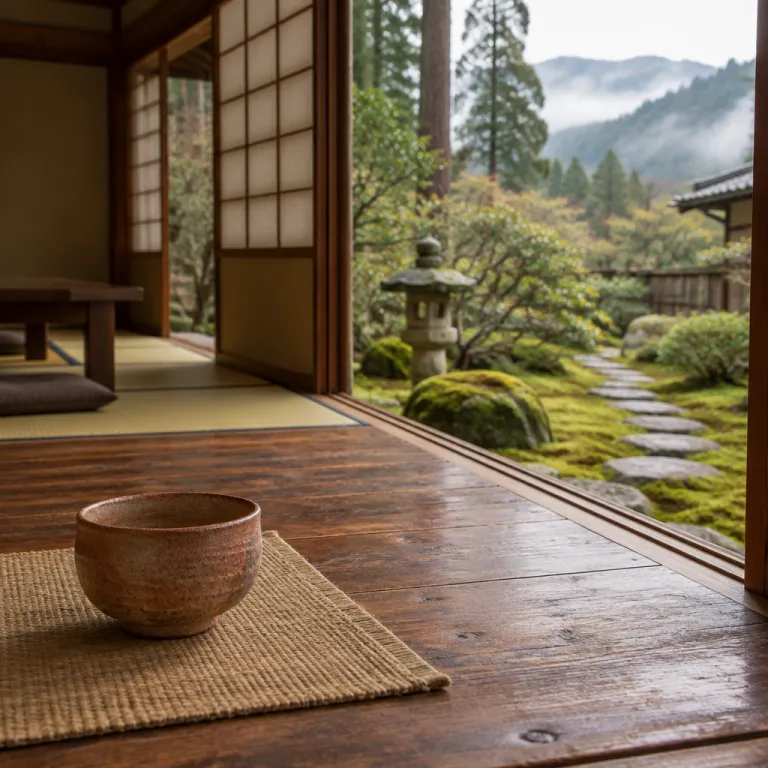
Kayotei ryokan as a gateway to refined Japanese inn culture
Kayotei ryokan represents a style of intimate Japanese inn where every room feels like a private sanctuary. In Hokuriku and Kyoto retreats, this type of stay connects guests directly with the quiet rhythm of daily life in Japan, from the first cup of tea to the last lantern lit at night. When you choose a kayotei ryokan, you are selecting a curated experience that balances discreet luxury with the warmth of traditional omotenashi hospitality.
Many travellers first encounter the word kayotei while researching a Japanese inn in Ishikawa Prefecture or Kyoto, then realise that the term often signals a smaller property with meticulous service and a strong sense of place. Each room type, from compact tatami spaces to expansive Japanese suite layouts, is designed to frame nature, whether through a private balcony corner overlooking a garden or a terrace facing a mountain ridge. This focus on setting makes a kayotei ryokan ideal for guests who value time for reflection as much as they value polished amenities.
In these properties, the architecture often draws on local materials such as washi Japanese paper screens and cedar beams, which soften light and sound throughout the day. Sliding doors reveal a private alcove for tea, a spring bath pavilion, or a dining room prepared for kaiseki, the multi course meal that showcases seasonal produce and organic rice from nearby farms. By the time you leave, the measured pace of the ryokan has usually reset your internal clock to something closer to the natural flow of the surrounding landscape.
From Kyoto retreats to Hokuriku: how kayotei ryokan define place
Kyoto remains the spiritual reference point for many travellers planning a stay in a kayotei ryokan, even when their final destination lies further north in Ishikawa Prefecture. When you compare Kyoto retreats with Hokuriku properties, you notice how each Japanese inn interprets tradition differently while preserving the same core values of privacy, quiet, and attentive service. This is why using a specialist luxury and premium booking website for traditional Japanese inns helps you match the right room type and location to your travel style.
For Kyoto stays, a kayotei style property often sits on a narrow street near a temple district, with a bridge or small lane leading to a concealed entrance that opens into a lantern lit courtyard. Inside, you might find a junior suite with a compact open air bath on a small balcony, or a Japanese junior layout with a private hinoki tub and views of a moss garden. Before choosing, it is worth reading a detailed guide such as an elegant guide to choosing a luxury ryokan in Kyoto, which explains how location, meal plans, and bath facilities differ between neighbourhoods.
Further north, a kayotei ryokan in Kanazawa or the hot spring town of Yamanaka Onsen will feel more closely tied to rivers, forests, and mountain light. Here, Japanese suite and family suite categories often include a private open air hot spring bath on a terrace, allowing you to soak while listening to the river below at any time of day. Whether you stay in Kyoto or Hokuriku, the essence of kayotei lies in how each property uses architecture, cuisine, and bathing rituals to express the character of its region in Japan.
Yamanaka Onsen and Kanazawa: hot spring suites and riverside calm
Yamanaka Onsen, in southern Ishikawa Prefecture, is one of the most atmospheric settings for a kayotei ryokan stay, especially for travellers who prioritise hot spring rituals. The town stretches along a dramatic gorge crossed by a famous bridge, and many Japanese inn properties position their rooms to capture the sound of the river and the changing colours of the forest. When you book through a luxury focused platform, you can filter for a room type that includes a private open air hot spring bath, ensuring uninterrupted soaking time.
In Yamanaka Onsen, Japanese suite and junior suite categories often feature a suite shower area separate from the deep stone or hinoki spring bath, which allows guests to follow traditional cleansing etiquette before entering the water. Some family suite layouts add a balcony with low chairs and washi Japanese lanterns, creating a secluded corner where you can cool down between baths while watching mist rise from the gorge. Kanazawa, by contrast, offers kayotei style properties closer to art districts and gardens, where a private bath might use heated spring water but focus more on design details such as Japanese paper screens and lacquerware.
Access to this region is straightforward, with Komatsu Airport serving as the main gateway for both Kanazawa and Yamanaka Onsen, and transfers by train or car taking a manageable amount of time. For instance, the Limited Express train from Komatsu Station to Kanazawa typically takes around 30 minutes, while a car or shuttle transfer from Komatsu Airport to Yamanaka Onsen usually requires about 40–50 minutes. Many travellers pair a stay in a kayotei ryokan here with nights in other traditional properties across Japan, such as refined mountain inns around Matsumoto that you can explore through this curated overview of Matsumoto ryokan stays for mountain serenity and onsen comfort. This combination allows you to experience both riverside hot spring culture and alpine retreats within a single itinerary.
Inside the room: suites, washi Japanese details, and private baths
Stepping into a kayotei ryokan room feels closer to entering a carefully staged residence than a conventional hotel space. Tatami flooring, sliding doors made from washi Japanese paper, and low furniture create a calm, horizontal rhythm that encourages you to slow your movements and adjust to the house’s pace. Every room type, from compact Japanese junior layouts to expansive family suite configurations, is arranged to frame a particular view or architectural detail.
In higher categories such as a Japanese suite or junior suite, you will often find a dedicated dining room corner where kaiseki meals are served course by course, allowing you to dine in a private setting rather than a shared hall. Many kayotei properties now offer a suite shower area adjacent to an open air spring bath, so you can follow traditional bathing steps while still enjoying the privacy of your own terrace. Some suites add a balcony with a low railing, giving the impression that your hot spring bath extends directly into the surrounding garden or forest.
Lighting plays a crucial role in these interiors, with lanterns made from Japanese paper casting a soft glow that changes throughout the day and into the night. Storage is often concealed, keeping the room open and uncluttered until futons are laid out after dinner, transforming the same space from dining room to bedroom in a matter of minutes. This fluid use of space is one of the reasons kayotei ryokan stays feel so different from other accommodation in Japan, and why travellers often return to the same property to experience different seasons from the same familiar room.
Dining rituals, organic rice, and the rhythm of the ryokan day
Life inside a kayotei ryokan follows a gentle, deliberate rhythm that revolves around bathing and dining rather than rigid schedules. A typical day begins with a quiet visit to the hot spring bath, either in a shared onsen or in your own private open air tub, followed by a Japanese breakfast built around grilled fish, seasonal vegetables, and organic rice from nearby paddies. This unhurried sequence sets the tone for the rest of the day, encouraging you to move between room, bath, and street at a pace that feels almost meditative.
Evening meals are usually served either in a dedicated dining room or in your private space, depending on the property and room type you have chosen. Multi course kaiseki menus highlight regional ingredients, such as seafood from the Sea of Japan in Kanazawa or mountain vegetables from the forests around Yamanaka Onsen, plated on lacquer and ceramics that echo the colours of the season. The careful pairing of food, tableware, and washi Japanese accents reinforces the sense that every element of the kayotei ryokan has been considered as part of a single, coherent experience.
Between meals, guests often stroll along the nearest street, visit a local shrine, or cross a nearby bridge to reach a viewpoint over the river or town. Others prefer to remain within the ryokan grounds, alternating between the main hot spring bath and their own terrace tub, or simply reading by the open shoji doors while listening to the wind. By the time night falls, the combination of warm water, quiet conversation, and nourishing food usually ensures a deep, uninterrupted sleep on the futons laid out on the tatami floor.
Planning your stay: access, booking strategies, and Kyoto pairing ideas
Thoughtful planning makes a kayotei ryokan stay feel effortless, especially when you are combining Kyoto retreats with time in Ishikawa Prefecture. For Hokuriku, Komatsu Airport offers convenient access to Kanazawa and Yamanaka Onsen, with onward travel by train or private transfer taking under an afternoon, which leaves enough time for a first hot spring bath before dinner. In Kyoto, many travellers arrive by shinkansen, then continue by taxi to a Japanese inn tucked along a narrow street near the Kamo River or in the Higashiyama district.
When using a luxury and premium booking website for traditional Japanese inns, start by deciding your preferred room type and bathing style, since these two factors shape most of the experience. If you value complete privacy, look for a Japanese suite or family suite with a private open air hot spring bath and a balcony, which allows you to bathe at any time of day without leaving your room. Travellers who enjoy social bathing might instead choose a junior suite or Japanese junior layout with a private spring bath for quick soaks, while relying on the larger communal facilities for longer sessions.
Pairing Kyoto with Kanazawa or Yamanaka Onsen creates a balanced itinerary that combines temple visits and city walks with riverside hot spring time. A practical example is to spend three nights in Kyoto, then travel by Limited Express Thunderbird to Kanazawa in about two and a half hours, followed by a one or two night stay in a kayotei ryokan before returning to Tokyo. You can deepen your understanding of regional differences by reading a focused overview of refined stays in traditional Japanese inns in Kyoto before selecting your Hokuriku property, ensuring that each stay offers a distinct atmosphere. By aligning access routes, room categories, and desired level of privacy, you can turn a simple trip to Japan into a layered journey through some of its most evocative landscapes and hospitality traditions.
Key figures on kayotei ryokan stays and Japanese inn travel
- According to the Japan Tourism Agency’s “Accommodation Travel Statistics Survey” (for example, the 2019 and 2022 editions), traditional ryokan and Japanese inn stays account for roughly 13–15 % of total accommodation nights booked by international visitors, a share that has been gradually increasing as travellers seek more authentic cultural experiences.
- Data published by the Ishikawa Prefecture tourism office in its annual “Tourism Statistics of Ishikawa” reports indicate that hot spring areas such as Yamanaka Onsen and nearby Kaga Onsenkyo collectively welcome over one million overnight guests annually, underlining the continued appeal of hot spring bath culture in regional Japan.
- Surveys by the Japan Ryokan and Hotel Association, summarised in its hospitality trend reports from the late 2010s and early 2020s, show that more than 60 % of foreign guests now prefer rooms with some form of private bath or private open air tub, which explains the growing number of kayotei style suites with terrace hot spring facilities.
- Kyoto City tourism statistics, including the “Kyoto City Tourism Survey” released in recent years, report that average length of stay for international visitors has extended beyond two nights, encouraging more travellers to combine a Kyoto Japanese inn experience with side trips to Kanazawa, Yamanaka Onsen, or other regional hot spring towns.
FAQ: planning a kayotei ryokan stay in Kyoto and Hokuriku
What makes a kayotei ryokan different from other Japanese inns ?
A kayotei ryokan usually has fewer rooms, a stronger emphasis on privacy, and a more personalised style of service than larger properties. Many offer Japanese suite or junior suite layouts with private open air hot spring baths and in room dining, which creates a residential atmosphere. The design often highlights local materials such as washi Japanese paper, lacquerware, and regional ceramics.
How should I choose the right room type for my stay ?
Start by deciding whether you want a private hot spring bath, a larger shared onsen, or both, since this choice will narrow the available room type options. Guests who value seclusion often select a Japanese suite, junior suite, or family suite with a balcony tub and separate suite shower area. Travellers comfortable with communal bathing can choose smaller rooms without private baths and allocate more budget to cuisine or location.
Is Yamanaka Onsen suitable for first time visitors to Japan ?
Yamanaka Onsen works very well for first time visitors who want a quieter alternative to major cities while still enjoying reliable transport connections. Access from Komatsu Airport and Kanazawa is straightforward, and many kayotei ryokan offer English support and clear guidance on hot spring etiquette. The town’s compact size, riverside walks, and famous bridge viewpoints make it easy to explore over one or two days.
Can I combine a Kyoto kayotei stay with other regions in one trip ?
Yes, many travellers pair a Kyoto Japanese inn with a stay in Kanazawa, Yamanaka Onsen, or mountain areas such as Matsumoto to experience different landscapes and hot spring traditions. High speed rail links between Kyoto and Kanazawa, plus regional connections from Komatsu Airport, make multi stop itineraries efficient. Planning your room type and bath preferences in advance helps ensure each stay offers a distinct yet complementary experience.
What is the best time of year to book a kayotei ryokan ?
Peak seasons for kayotei ryokan include cherry blossom and autumn foliage periods, when demand for rooms with balcony views and open air baths is especially high. For quieter stays and better availability of Japanese suite categories, consider late spring, early summer, or the winter months outside major holidays. Booking several months ahead through a specialist luxury and premium platform gives you the widest choice of room type and meal plans.