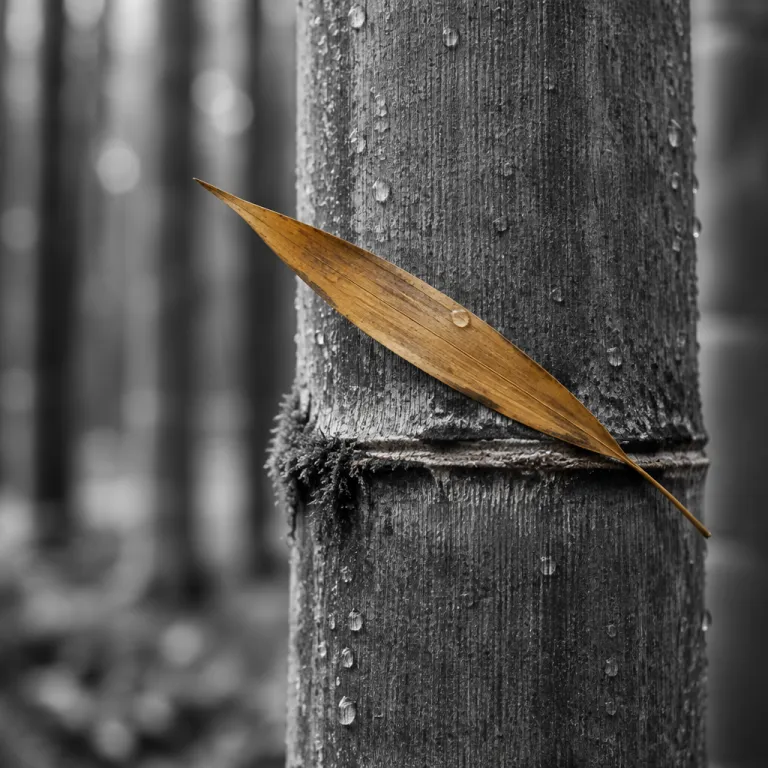
Takefue ryokan as a hidden gem in Kumamoto’s bamboo forest
Takefue ryokan sits deep in a bamboo forest in Kumamoto prefecture, wrapped in mist and birdsong. This traditional inn in Minami Ogunimachi feels like a private retreat where guests step from daily noise into quiet valleys clear and green. Every room, every path, and every open air bath is designed so you can enjoy the rhythm of a Japanese hot spring stay.
The property lies in the Aso gun region, not far from the volcanic landscapes of Aso Kumamoto and the famous hot springs of Kurokawa Onsen. Many guests pair nights at Takefue with a day trip to the wider Aso area, using the ryokan as a base to explore rural Japan while returning each hour to deep comfort. Because the ryokan is small and intimate, staff can adjust bath times, meal pacing, and room preferences so each stay feels tailored rather than standard.
Reaching this hidden place takes some planning, yet the journey is part of the experience for travelers seeking luxury and authenticity. From Kumamoto Airport, the drive to Minami Ogunimachi usually takes around ninety minutes ; from Fukuoka Airport, expect closer to two and a half hours depending on traffic and weather. Once you leave the main road in Aso gun, the last minutes from Kumamoto city or the airport wind through forests and valleys clear of billboards, and the air turns cooler, cleaner, and scented with earth.
Rooms, open air baths, and the art of slow bathing
Takefue rooms are designed as private sanctuaries, with tatami floors, shoji screens, and views of the bamboo forest or streams. Many guests choose a room with a private open air bath so they can enjoy the hot spring water at any hour without leaving their suite. The combination of natural light, fresh air, and the sound of water creates a setting where a single hour feels like a full day of rest.
Several baths at Takefue are carved from stone or fragrant wood, and some are large enough for couples or families to share comfortably. These baths at Takefue draw from a natural hot spring source, so the water arrives hot and mineral rich before being adjusted to a safe temperature. Because the ryokan limits the number of guests, even the shared onsen baths rarely feel crowded, and you often find an air bath or open air tub entirely to yourself.
Travelers planning a longer itinerary through Japan often combine Takefue ryokan with other traditional stays, such as those featured in this ryokan focused three week itinerary for hidden stays. This approach lets you compare different hot springs and bathing styles, from the quiet zen spa atmosphere at Takefue to more social onsen towns in Aso Kumamoto or Kurokawa Onsen. When you return to your room after a day of exploring, the contrast between the cool night air and the hot springs on your terrace makes each minute feel especially vivid.
From airport to onsen: how to reach Takefue ryokan smoothly
Most international guests arrive via Fukuoka Airport or Kumamoto Airport before continuing by car or private transfer to Aso gun. From Kumamoto Airport, the route through Kumamoto prefecture passes farmland and low hills, and the drive of roughly an hour and a half is gentle enough for travelers tired from a long flight. If you land at Fukuoka Airport, plan for at least one airport hour more on the road, especially during busy travel periods or on rainy days.
Luxury and premium booking platforms for traditional Japanese inns now show clearer transfer options, including private cars that wait at the airport for a fixed hour and then drive directly to Minami Ogunimachi. When you book Takefue rooms through a specialist site, you often see estimated hour minutes for each leg of the journey, which helps you decide whether to stop in Aso Kumamoto or Kurokawa Onsen on the way. Many guests schedule a lunch break in the Aso area, then arrive at the ryokan in the late afternoon, just in time to enjoy a first hot spring bath before dinner.
For travelers who value hidden gems, the slightly longer transfer time becomes a filter that keeps the area quiet and uncrowded. The air grows cooler as you climb into the valleys clear of major highways, and by the last minutes from Kumamoto city you are surrounded by forest rather than neon. If you prefer not to drive, ask the booking website or the ryokan to arrange a private transfer, as local buses in gun Kumamoto can be infrequent and may not align with your arrival hour.
Why Takefue ryokan stands apart among Japan’s hot springs
Takefue ryokan distinguishes itself through its deep integration with the surrounding bamboo forest and its focus on privacy. While many hot springs in Japan welcome large numbers of day visitors, this property limits access so overnight guests can enjoy the baths without rush or noise. That choice shapes everything from the layout of the rooms to the timing of meals and the design of each open air bath.
The hot spring water at Takefue flows constantly, which means the baths at Takefue feel fresh rather than stagnant, and the temperature remains consistently hot yet comfortable. Some rooms feature multiple baths, such as an indoor tub and an outdoor air bath, so you can alternate between them depending on the time of day and the outside air temperature. In the quiet of night, when the bamboo leaves move in the wind, the combination of hot springs and cool air creates a natural zen spa atmosphere that many guests describe as the highlight of their stay.
Travelers who have already visited larger onsen towns like Kurokawa Onsen often comment that Takefue offers a more secluded version of the classic Japanese hot spring experience. Instead of walking through busy streets, you move from your room to the baths along lantern lit paths, with only a few minutes between each space. For those planning a wider hot springs journey, it can be interesting to compare this intimate style with other properties that feature more public pools, such as the acidic water ryokan highlighted in this article on Japan’s most acidic onsen water.
Design, cuisine, and the sensory rhythm of a Takefue stay
The design of Takefue rooms emphasizes natural materials, soft light, and a close relationship with the outdoors. Sliding doors open directly onto terraces where you can feel the air shift from cool morning mist to warm afternoon sun in just a few minutes. Inside, the layout keeps the bath, sleeping area, and sitting room distinct, so each part of the day has its own space and mood.
Meals at Takefue ryokan showcase ingredients from Kumamoto prefecture and the wider Aso area, with seasonal vegetables, river fish, and local beef often appearing in multi course kaiseki dinners. Because the number of guests is limited, the kitchen can adjust timing so you never feel rushed between courses, and you can return to your private bath between dishes if you wish. Many travelers describe a rhythm where they bathe, dine, rest in their room, then bathe again, turning a single evening into several distinct experiences measured in quiet hour minutes rather than in activities.
During the day, you might walk the paths through the bamboo forest, sit in a lounge with open views of the valleys clear below, or schedule a treatment in the small zen spa area. The air in this part of gun Kumamoto feels especially pure after rain, and the contrast between the cool forest and the hot springs sharpens your senses. By the time night falls, the combination of sound, scent, and temperature has usually slowed even the most hurried traveler into a calmer pace.
How luxury booking sites curate hidden ryokan like Takefue
Luxury and premium booking websites that specialize in traditional Japanese inns play a crucial role in connecting international guests with places like Takefue ryokan. These platforms vet each property in person, checking the quality of the hot spring water, the condition of the baths at Takefue, and the privacy level of Takefue rooms. Because many ryokan in Japan still rely on phone reservations, a trusted intermediary helps travelers compare room types, bath layouts, and transfer times from Kumamoto Airport or Fukuoka Airport.
Curated sites also highlight hidden regions such as Minami Ogunimachi in Aso gun, which might otherwise be overshadowed by larger destinations. When a booking platform explains that the drive from the airport takes a specific number of minutes from Kumamoto city and that the last section passes through valleys clear of development, travelers can decide whether the journey matches their style. Some websites even group properties by themes, such as bamboo forest retreats or zen spa focused stays, making it easier to understand how Takefue differs from coastal ryokan like those featured on the Sanin coast of the Japan Sea.
For guests who value privacy, these booking services often recommend specific room categories with the most secluded open air baths or the largest indoor tubs. They can also coordinate arrival times so your private transfer from the airport aligns with check in, reducing waiting time to just a few hour minutes. In a landscape where many options look similar online, this level of detail and guidance helps travelers choose a stay at Takefue that matches their expectations for space, quiet, and access to hot springs.
Planning your stay: timing, seasons, and nearby experiences
Choosing the right season for Takefue ryokan shapes how you experience the baths, the air, and the surrounding bamboo forest. In cooler months, the contrast between the hot spring water and the crisp night air makes each open air bath especially memorable. During warmer periods, guests often bathe in the early morning or late evening, using the day for gentle walks through Minami Ogunimachi or drives around Aso Kumamoto.
Many travelers stay two or three nights to balance time in the room with short excursions in Kumamoto prefecture. A typical day might start with a quiet air bath on your terrace, followed by breakfast and a drive of forty to sixty minutes to viewpoints around Aso gun, then a return to the ryokan for a long afternoon in the hot springs. Because the property is designed for rest rather than constant activity, the most satisfying stays usually include at least one full day with no fixed schedule beyond meals and bathing.
When planning transfers, allow extra minutes from Kumamoto city or the airport in case of weather changes in the mountain area. The roads into the valleys clear of major towns can be narrow, and driving slowly lets you enjoy the scenery and arrive relaxed rather than rushed. If you prefer to focus entirely on the experience of the baths at Takefue and the quiet of your room, consider arranging a private car so the last airport hour of your journey becomes part of the unwinding process rather than a logistical challenge.
Key figures on Japanese ryokan and hot springs
- Japan has more than 20,000 onsen sources registered by the Ministry of the Environment, and Kumamoto prefecture is among the regions with a high density of hot springs relative to its population.
- The Aso area, including Aso gun and Minami Ogunimachi, sits within one of the world’s largest volcanic calderas, which contributes to the abundance of hot spring water feeding ryokan baths.
- Surveys by the Japan Tourism Agency show that international visitors who stay at a traditional inn with onsen tend to spend significantly more per day than those who stay only in city hotels, reflecting the value placed on immersive hot spring experiences.
- Travel time from Kumamoto Airport to the Aso region typically ranges from 60 to 90 minutes by car, while transfers from Fukuoka Airport to the same area often take between 120 and 150 minutes depending on traffic.
- Data from regional tourism offices indicate that smaller ryokan with fewer than 20 rooms, such as many properties in Kurokawa Onsen and Aso Kumamoto, report higher repeat visit rates than larger accommodations in nearby cities.
FAQ about Takefue ryokan and luxury onsen stays
How many nights should I stay at Takefue ryokan ?
Most guests find that two or three nights at Takefue ryokan provide enough time to enjoy the private baths, explore the bamboo forest, and take at least one day trip in the Aso area without feeling rushed.
Which airport is best for reaching Takefue ryokan ?
Kumamoto Airport is usually the most convenient, with a drive of about 60 to 90 minutes to Minami Ogunimachi, while Fukuoka Airport offers more international flights but requires a longer transfer of roughly two to two and a half hours.
Do all rooms at Takefue have private open air baths ?
Many, but not all, rooms at Takefue feature private open air baths or a combination of indoor and outdoor tubs, so it is important to select a specific room category that includes a hot spring bath when booking.
Can day visitors use the baths at Takefue ryokan ?
Policies can change, but Takefue primarily focuses on overnight guests, and access to the baths is usually reserved for those staying in the rooms to preserve privacy and a quiet atmosphere.
Is Takefue ryokan suitable for travelers new to Japanese onsen etiquette ?
Yes, staff are accustomed to hosting international guests and can explain onsen etiquette, such as washing before entering the bath and not wearing swimwear, so first time visitors can relax and enjoy the experience confidently.