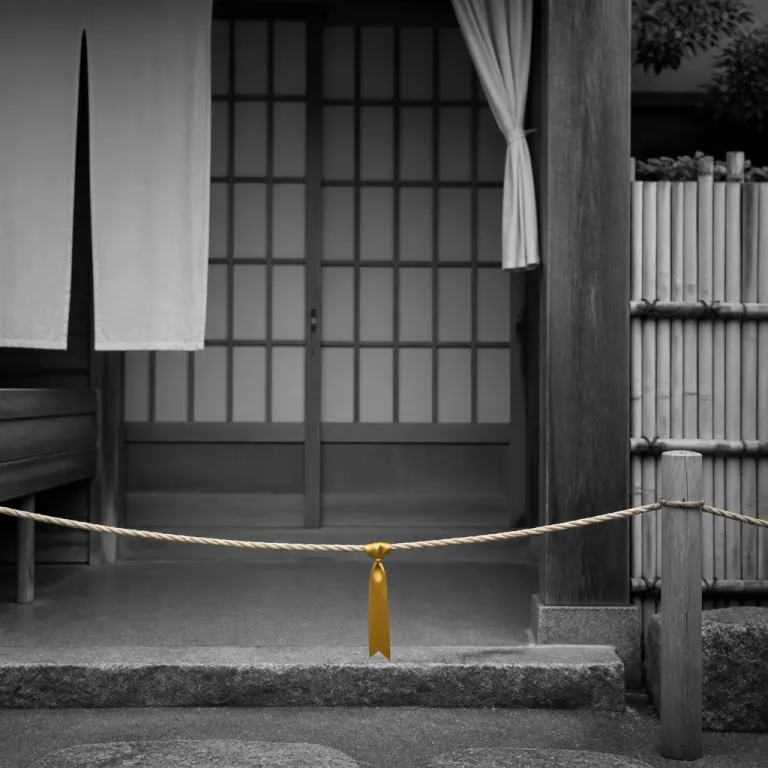
From spontaneous strolls to structured stays in onsen towns
Japan has quietly shifted from casual onsen wandering to a reservation era. The change is most visible in every famous hot spring town where visitor numbers, fragile streets and limited bathing capacity now collide in peak seasons. For families planning a premium trip, understanding how new onsen town crowd-control and reservation policies work will decide whether your stay feels serene or stressful.
Ginzan Onsen in Yamagata is the clearest signal that the old rhythm has gone. Once you could arrive late in the day, walk the riverside lanterns and slip into a hot spring after dinner without thinking about tickets or time slots. Now evening ticketing means that after 20:00 access to the historic core is effectively reserved for overnight visitors, while day trippers are directed to designated parking and a mandatory shuttle bus that protects the narrow private alleys from gridlock, as outlined in Obanazawa City’s Ginzan Onsen access notices.
This shift is not isolated to one town or one winter season. Japan’s national overtourism strategy has expanded from a handful of hotspots to a plan covering around 100 priority regions, guided by the Japan Tourism Agency’s crowd-management policies published between 2023 and 2024. The logic is simple for both domestic and foreign visitors who care about quality: advance reservations and timed entries keep streets walkable, hot springs comfortable and local communities willing to welcome guests.
For premium families, the question is no longer whether you will book, but how early and how smartly. Surveys of major booking platforms and ryokan associations suggest that the average lead time for the best ryokan in popular onsen towns is now around two months, especially in the most sought-after windows such as January–February or the cherry blossom weeks in March. A luxury-focused booking website that understands onsen culture can translate these rules into clear guidance, from shuttle bus timetables and sample itineraries to which spring town still allows a relaxed day trip without strict entry tickets.
Ginzan Onsen and the new rules of evening access
Ginzan Onsen is the poster child for current debates about how Japan’s hot spring resorts handle overtourism and reservations. The town’s Taishō-era facades, gas lamps and riverside wooden ryokan were never designed for hundreds of thousands of visitors from across Asia and beyond arriving in a single peak winter. When a weak yen made the price of a Japan trip feel unusually gentle for foreign visitors, the narrow streets filled with selfie sticks and rolling suitcases rather than quiet yukata-clad strolls.
Local onsen ryokan owners and the Obanazawa City tourism authorities responded with a calibrated system rather than a blunt ban. Day trippers now park outside the town and board a shuttle bus that runs on a fixed schedule from Ōishida Station, while overnight guests show their reservation confirmations to access the central hot springs area after dark. For families, this means that the best time for a day trip to Ginzan Onsen is earlier in the day, leaving the late evening to those who have committed to a full stay and a multi-course kaiseki dinner.
The practical implication is that your booking on a premium platform is no longer just about room type and meal plan. It is also your de facto ticket into the town’s most atmospheric hours, when snow falls softly in winter and the hot spring steam curls above the river. When you compare properties, look for clear information on the official website about evening access, shuttle bus requirements, any published Ginzan Onsen shuttle schedules and notes related to how visitor data is collected and used for crowd management.
Families who value sustainability should also pay attention to how a ryokan handles energy, water and waste. Some of the best properties now pursue independent eco labels, and guides that explain how to identify genuinely sustainable ryokan help you separate marketing from measurable action. In Ginzan and other onsen towns, the most thoughtful hosts use overtourism rules not only to protect their streets, but to preserve the hot springs themselves for the next generation.
Timed entries from Kyoto to Mount Fuji: what it means for families
The reservation era is not limited to one remote onsen town in northern Japan. In Kyoto, the Arashiyama Bamboo Grove now uses timed entry slots with advance booking during busy periods, a system that mirrors what is happening in hot spring districts where narrow lanes and fragile riverbanks cannot absorb endless crowds. For a family itinerary that links Tokyo, Kyoto and a stay near Mount Fuji, this means your days will be shaped by tickets and time windows as much as by personal whim.
Handled well, these systems can actually improve a premium trip. Timed entries spread visitors across the day, reduce noise and allow you to appreciate the quiet between bamboo stalks or the sound of a riverside hot spring without a constant shuffle of tour groups. In onsen towns, capped numbers mean that the baths are less crowded, the changing rooms stay calm and your children can move between indoor and outdoor hot springs without jostling.
Japan’s national plan to expand overtourism countermeasure regions has a clear sustainability logic. Concentrating visitors in a few famous spots years ago strained infrastructure, while leaving other spring town destinations under-visited and economically fragile. Now, as regional reservation and crowd-control policies mature, more areas receive funding to manage flows, and families who plan ahead are rewarded with better maintained facilities, cleaner private alleys and more attentive service from staff who are not overwhelmed.
Energy use is also part of the sustainability story. Some ryokan in southern Japan, particularly around Kagoshima, now run much of their heating and bathing systems on geothermal power drawn from the same volcanic forces that feed their hot springs. If you are curious about how this works in practice, look for reporting on volcanic heat and forest-bath-powered ryokan, then ask your chosen property how they manage their environmental footprint and whether they follow Japan Tourism Agency guidance on sustainable operations.
How to plan a reservation based onsen trip with children
For a premium family, the key to planning an onsen trip under Japan’s new reservation norms is to treat bookings as a framework, not a constraint. Start by deciding your broad route between Tokyo, Kyoto and your chosen onsen towns, then layer in fixed elements such as timed entries, rail tickets and ryokan stays. Once those anchors are set, you can leave space for unstructured hours in each town, wandering private alleys, tasting local snacks and letting children watch the steam rise from a roadside hot spring.
Booking kashikiri, or private family baths, is now essential in many high-demand properties. These small hot springs are reserved by the hour and give parents and children a relaxed space to bathe together without worrying about etiquette in gender-separated public baths. When you use a luxury booking website, look for clear filters for private baths, family rooms and flexible cancellation policies, then read the privacy policy and terms of use sections to understand how your data will be handled in the reservation system.
Timing matters as much as location. The best time for families who dislike crowds is often shoulder season, such as late winter after the January–February rush or early spring before the main sakura wave in March, when price levels can be softer and day trippers fewer. If you must travel in peak periods, consider lesser-known spring town destinations where walk-in visitors are still welcome and the rhythm of the day feels closer to what regulars remember from years ago.
Flexibility is your ally. Build at least one free day between major stops so that if a shuttle bus is full or a timed entry slot shifts, your entire trip does not unravel. For inspiration on where availability still exists in busy periods, curated roundups that highlight ryokan regions with remaining summer rooms can point you toward onsen towns that balance access, atmosphere and sustainable visitor numbers. A simple checklist that covers booking windows, how to reserve kashikiri baths and where to confirm local shuttle schedules will make this planning stage faster.
Choosing sustainable luxury in the age of overtourism
Luxury in an onsen town is no longer defined only by room size or the number of hot springs on site. The new markers are quieter but more meaningful, such as how a ryokan staggers check-in times to avoid lobby crowds, or how it coordinates with local authorities to align its guest list with town-wide visitor caps. In the context of Japan’s evolving overtourism and reservation policies, the best properties act as partners in sustainable travel rather than passive beneficiaries of demand.
When you compare options on a premium booking website, read beyond the photos. Look for specific references to shuttle bus schedules, evening access rules, and whether the property supports local initiatives that protect riverbanks, forests and historic streets from overuse. A ryokan that clearly explains its privacy policy, terms of service and data handling for reservation systems is also signalling a broader respect for guests, which often extends to thoughtful touches such as child-friendly kaiseki menus and flexible futon layouts for families.
Price is part of the sustainability equation, but not in the way discount hunters might expect. In many onsen towns, slightly higher rates help fund staff training, facility maintenance and environmental measures that keep hot springs clean and streets safe for pedestrians, especially in winter when snow removal is constant. For families, paying a fair price for a well-managed property usually means fewer visitors competing for the same baths, calmer breakfasts and a more authentic sense of place.
Finally, remember that not every memorable stay needs to be in the most famous onsen town on social media. Japan still has many spring town communities where foreign visitors are relatively few, day trippers are manageable and the rhythm of the day feels unhurried. Choosing one of these towns for part of your trip spreads benefits more evenly across regions, supports the national overtourism plan and gives your family a quieter window into everyday life around the hot springs.
FAQ
How far in advance should I book an onsen ryokan for my family?
For popular onsen towns in Japan, you should plan to book a premium ryokan at least two months in advance, especially for peak periods such as the winter snow season or cherry blossom weeks. This lead time becomes even more important in places like Ginzan Onsen, where evening access to the town center is now effectively tied to overnight reservations. Families needing kashikiri private baths or larger rooms should consider booking even earlier to secure the best options.
Why do onsen towns now require advance reservations and timed entries?
Advance reservations and timed entries help manage visitor numbers, protect fragile streets and ensure that hot springs are not overwhelmed. In high-profile destinations such as Ginzan Onsen or Kyoto’s Arashiyama district, these systems reduce crowding, noise and pressure on local infrastructure. For travelers who plan ahead, the result is usually a calmer atmosphere, shorter queues and a more comfortable experience in both the town and the baths.
Are there still onsen towns where walk in visitors are welcome?
Most of the most famous onsen towns now expect some form of advance booking, at least for overnight stays and evening access. However, smaller or less publicized spring town destinations often remain flexible, allowing walk-in visitors to use public baths or stay in simple inns when space allows. A good booking website or local tourism office can point you toward these quieter towns if you prefer a more spontaneous style of travel.
How do reservation systems affect the experience for children?
For families, reservation systems can make onsen trips easier rather than harder. Knowing your timed entry slots, shuttle bus schedules and kashikiri bath reservations in advance reduces waiting, avoids meltdowns in crowded lobbies and gives children predictable rhythms for bathing and meals. The smaller crowds that result from capped visitor numbers also mean more space in changing rooms and a safer feel in narrow streets and private alleys.
What should I check before confirming a luxury onsen booking online?
Before confirming, review the property’s cancellation policy, privacy policy and any terms of service statements related to how your data is used in reservation systems. Check whether evening access to the town center is restricted to overnight guests, whether a shuttle bus is required from the nearest station and how kashikiri or family baths are reserved. Finally, compare not only price but also sustainability measures, such as energy use, waste management and support for local overtourism initiatives.