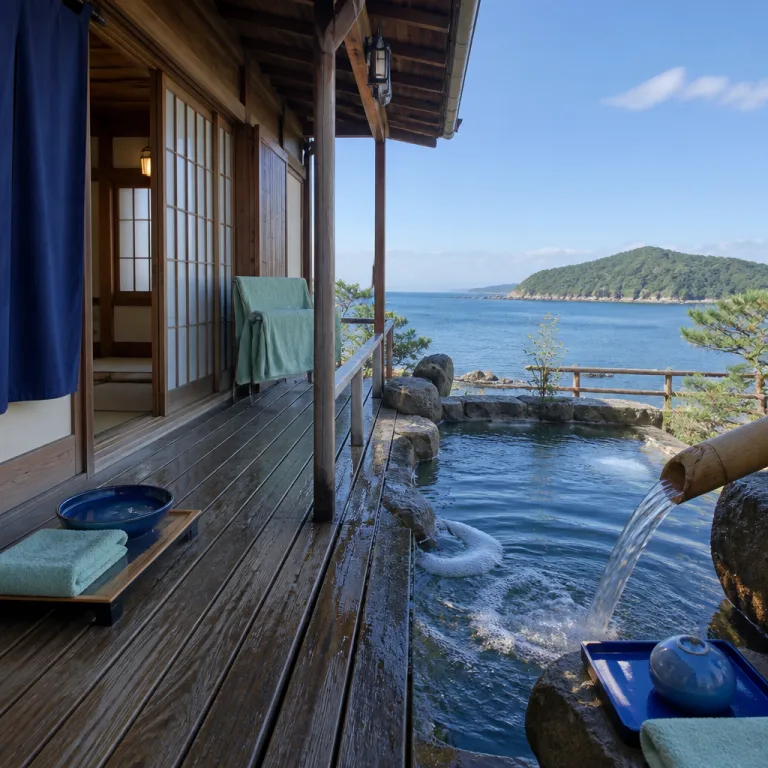
September ryokan Japan shoulder season booking: the quiet sweet spot
September in Japan sits between the humid summer peak and the autumn foliage rush. For a ryokan stay, that shoulder season timing often means lower rates, more attentive service and a calmer rhythm around the onsen rather than crowded corridors. When you plan a september ryokan Japan shoulder season booking with intent, you align your travel dates with the moment when staff have time to notice details and guests still enjoy generous availability.
Data from the Japan Meteorological Agency shows that the average high temperature in Tokyo in September is 27 °C, with lows around 20 °C, which keeps open air hot springs comfortable rather than stifling. Those conditions make an onsen ryokan in the hills above Hakone or near the Fuji lakes feel indulgent, because you can move between tatami room, kaiseki dinner and ryokan onsen terrace without battling extreme heat. This is also when many ryokans Japan wide quietly shift from summer menus toward autumn ingredients, so your ryokan stay will often feature early matsutake, chestnut rice and river fish grilled over charcoal.
Travelers often ask whether September is a good time to visit Japan, and the answer from local tourism boards is clear : “Yes, due to favorable weather and fewer tourists.” That same logic applies even more strongly to a japanese ryokan, where crowd levels directly shape the intimacy of your stay and the pace of the nakai-san who looks after your room. When you book ryokan stays in these weeks, you are buying not only a room but also the time and attention of an experienced team that is not yet stretched by the autumn foliage surge.
From a pricing perspective, many of the best ryokans quietly adjust their rate tables once the Obon holiday crowds fade in mid August. Industry data from Ryokan Finder Japan indicates that typical ryokan price increases during peak seasons can reach around 30 %, which means that a september ryokan Japan shoulder season booking often secures the same suite and kaiseki sequence for noticeably less. Couples who book months ahead for September rather than the blossom season or peak autumn foliage weeks often redirect that saved budget into a longer stay, a higher room category or private onsen access.
There is also a strategic advantage in how far in advance you commit, because September dates usually do not require the same months advance scramble as cherry blossom weeks. For high demand regions such as Kyoto, Hakone and the Fuji lakes area, I still recommend that you book months ahead for top tier japanese ryokan, especially if you want rooms with private hot springs. However, compared with March or late October, you will find that a september ryokan Japan shoulder season booking through platforms such as Rakuten Travel or a specialist agency leaves more choice for discerning guests.
One more practical layer now shapes every international trip to Japan, and that is the departure tax. Before you finalize your flights and your ryokan booking, read a clear briefing such as this analysis of Japan’s departure tax changes and their impact on ryokan travel budgets. When you understand how these fixed costs interact with seasonal rate swings, it becomes easier to see why September often delivers Japan best overall value for a luxury ryokan onsen itinerary.
Weather, culture and the autumn equinox: how September shapes the stay
The character of a ryokan stay in September is defined by transition, both in the weather and in the rhythm of japanese life. Early in the month, temperatures in cities such as Tokyo still feel summery, while mountain ryokans in Tohoku or around the Fuji lakes begin to cool in the evenings. By late September, especially around the autumn equinox, you will feel the first crisp air on the engawa veranda after your evening soak in the hot spring.
That equinox, usually falling around the twenty second or twenty third, is more than a date on the calendar for ryokans Japan wide. Kitchens begin to pivot from chilled summer dishes toward heartier autumn plates, and you may notice persimmons, new rice and wild mushrooms appearing in the kaiseki sequence. Garden teams quietly prune maples and rake gravel in preparation for the coming autumn foliage, so your september ryokan Japan shoulder season booking often includes the rare pleasure of watching staff tune the stage before the main seasonal performance.
September also sits between major domestic travel waves, which shapes who your fellow guests will be and how public spaces feel. The summer school holidays and Obon family trips have ended, while the leaf peeping tours from across Japan and overseas have not yet begun. That gap means quieter communal onsen, more space in the lobby and a more relaxed pace in dining rooms, especially in smaller traditional japanese properties where every extra table changes the mood.
From a cultural perspective, this is a month when local festivals continue but without the crush of peak season crowds. Many travelers choose to base themselves in a japanese ryokan near Kyoto or in onsen towns within bullet train reach of Tokyo, then use regional trains or guided tours to dip into harvest festivals and temple events. Because the days remain long enough for unhurried excursions, your ryokan onsen routine can expand to include late afternoon baths after a day of travel, followed by multi course dinners that showcase the shift from summer to autumn.
Practical preparation matters in this shoulder season, especially for couples planning a premium stay. Pack light clothing for warm afternoons, but add layers for cooler evenings on the terrace or when walking between indoor and outdoor hot springs. Local tourism boards and the Japan Meteorological Agency both recommend monitoring weather forecasts for typhoons in these months, yet most systems pass quickly, and watching rain drift across a cedar forest from a steaming onsen ryokan bath can be one of the most atmospheric experiences in Japan.
For travelers who value sustainability alongside comfort, September is also an ideal time to assess how a property operates before the busiest weeks. Use your september ryokan Japan shoulder season booking to observe energy use, water practices and sourcing in a calmer context, then cross check your impressions with resources such as this guide to identifying genuinely sustainable ryokan stays in Japan. When you align your own travel habits with ryokans that manage hot springs responsibly and support local producers, your stay contributes to keeping these traditional japanese inns viable for the next generation of guests.
Where September shines: regional strategies for ryokan value
Choosing the right region is where september ryokan Japan shoulder season booking moves from good idea to exceptional value. In the highlands of Tohoku and Hokkaido, temperatures drop earlier, so you may see the first hints of color in the hills while still enjoying relatively empty hot springs. These mountain ryokans often price September below their October and November peaks, which lets guests upgrade to suites with private onsen without breaching a mid to high range budget.
Closer to the classic first timer circuit, Hakone remains a strong choice in this season, especially for couples who want to balance onsen time with art museums and lake views. The area’s proximity to Tokyo by bullet train or limited express means you can arrive at your japanese ryokan in time for an afternoon ryokan onsen session even after a morning of city shopping. Around the Fuji lakes, September brings clearer skies after the humidity of August, so sunrise views of Mount Fuji from an open air bath feel sharper and less hazy.
Kyoto requires a more tactical approach, because demand for traditional japanese accommodation remains high throughout the year. However, compared with cherry blossom weeks or peak autumn foliage, September still offers better availability in high end ryokans Japan wide, including those tucked into the Arashiyama hills or near temple districts. If you book months ahead for a Kyoto ryokan stay in this shoulder season, you often secure rooms that would be fully committed to repeat guests in more competitive months.
Tokyo itself is not known for classic onsen ryokan properties, yet it plays a crucial role in any itinerary. Many travelers choose to spend their first night in a well run city hotel near Tokyo Station, then take the bullet train out to hot spring regions the next morning when jet lag has eased. This pattern works especially well for september ryokan Japan shoulder season booking, because you can adjust your route in response to short term weather forecasts, choosing Hakone, the Fuji lakes or northern hot springs depending on where the skies look clearest.
When evaluating options, pay attention to how each property positions its September rates relative to blossom season and late autumn. Some of the best ryokans now work with international partners and platforms such as Rakuten Travel to smooth demand across the year, which can translate into attractive packages that include kaiseki dinners, private baths or curated tours. The broader investment trend is clear in moves like the Hyatt and Kiraku partnership on luxury ryokan development, and for guests this means a wider range of premium onsen ryokan choices in both established and emerging regions.
As these projects come online, the definition of Japan best ryokan experiences will continue to evolve, but September is likely to remain a value rich month. Properties still need to fill rooms between summer and the high yield autumn foliage weeks, so they have strong incentives to reward guests who book months ahead for this shoulder season. For couples willing to travel outside the most obvious hotspots and consider ryokans in lesser known onsen towns, the combination of price, service and atmosphere in September can be quietly exceptional.
How far ahead to book, and how to use online platforms well
Timing your september ryokan Japan shoulder season booking is less about panic and more about precision. For marquee destinations such as Kyoto, Hakone and the Fuji lakes region, aim to book ryokan stays three to six months ahead if you want specific room types or private hot spring facilities. That window balances access to the best ryokans with the flexibility to adjust your broader travel route around flight deals and bullet train schedules.
In secondary onsen towns or rural areas, you can often shorten that lead time, especially for weekday stays. Many japanese ryokan owners report that September bookings still come in closer to the stay date than during cherry blossom or peak autumn foliage periods, which leaves room for spontaneous travelers. However, if you are planning a special occasion trip or coordinating multiple ryokans Japan wide, it remains wise to book months ahead so that your preferred sequence of stays locks into place.
Online platforms have become central tools in this process, particularly for international guests who do not read japanese. Sites such as Rakuten Travel aggregate a wide range of ryokans, from simple family run inns to high end onsen ryokan with elaborate kaiseki programs, and they allow you to filter by private baths, meal plans and room size. Use these platforms for initial research and booking, then follow up directly with the property by email to confirm dietary needs, arrival times and any special requests for your ryokan stay.
When comparing options, look beyond headline photos and focus on details that shape real experiences. Check whether the hot springs are true onsen sourced from natural hot springs or heated tap water, and read recent reviews for comments on water temperature, cleanliness and crowding patterns at different hours. Pay attention to how staff respond to feedback, because a thoughtful reply from the manager often signals the kind of omotenashi you will feel when you arrive.
One final point concerns packing and on the ground logistics, which can quietly influence how much value you extract from your september ryokan Japan shoulder season booking. Light clothing works for daytime city walks, but bring a thin sweater or shawl for evening strolls to the outdoor baths, especially in higher altitude regions. “What should I pack for Japan in September ? Light clothing with layers for cooler evenings.”
As you move between ryokans by bullet train and local lines, keep your luggage lean so that transfers remain graceful rather than stressful. Many couples now send large suitcases ahead by courier and travel between onsen towns with only an overnight bag, which makes stepping onto tatami floors and navigating narrow corridors far easier. That small adjustment, combined with thoughtful advance booking and a clear understanding of seasonal rhythms, is often what turns a well planned itinerary into a quietly memorable sequence of japanese ryokan stays.
FAQ: planning a September ryokan stay in Japan
Is September a good time to visit Japan for a ryokan stay ?
Yes, September is an excellent time to travel to Japan for a ryokan stay because the weather is generally warm but not oppressive and crowds are lighter than in summer or peak autumn. “Is September a good time to visit Japan? Yes, due to favorable weather and fewer tourists.” This shoulder season positioning often translates into better availability and more attentive service at both city adjacent and rural onsen ryokan properties.
Are ryokan prices lower in September compared with peak seasons ?
Many ryokans reduce their rates in September compared with cherry blossom and late autumn foliage periods, while keeping the same room standards and kaiseki menus. “Are ryokan prices lower in September? Yes, as it's considered a shoulder season.” For couples, that pricing shift can make premium suites with private hot springs or longer multi night stays more attainable.
How far in advance should I book a ryokan for September ?
For high demand areas such as Kyoto, Hakone and the Fuji lakes, aim to book ryokan stays three to six months in advance, especially if you want specific room categories or private onsen access. In less visited onsen towns, one to three months ahead is often sufficient, particularly for weekday stays. Booking earlier still helps if you are coordinating several japanese ryokan stays along a longer bullet train based itinerary.
What should I pack for a September trip that includes onsen ryokan ?
Plan for warm days and cooler evenings by bringing light clothing plus a few layers such as a cardigan or light jacket. “What should I pack for Japan in September? Light clothing with layers for cooler evenings.” Most ryokans provide yukata robes and indoor slippers, so focus your packing on comfortable walking shoes, a compact umbrella and any personal toiletries you prefer.
Do I need to worry about typhoons affecting my September ryokan plans ?
Typhoons can occur in Japan during September, but their impact on a ryokan itinerary is usually manageable with some flexibility. Monitor weather forecasts in the days before travel and consider routing that allows you to adjust bullet train times or shift a stay by one night if necessary. Many ryokans are experienced in handling such disruptions and will work with guests to rearrange meals or check in times when conditions require it.