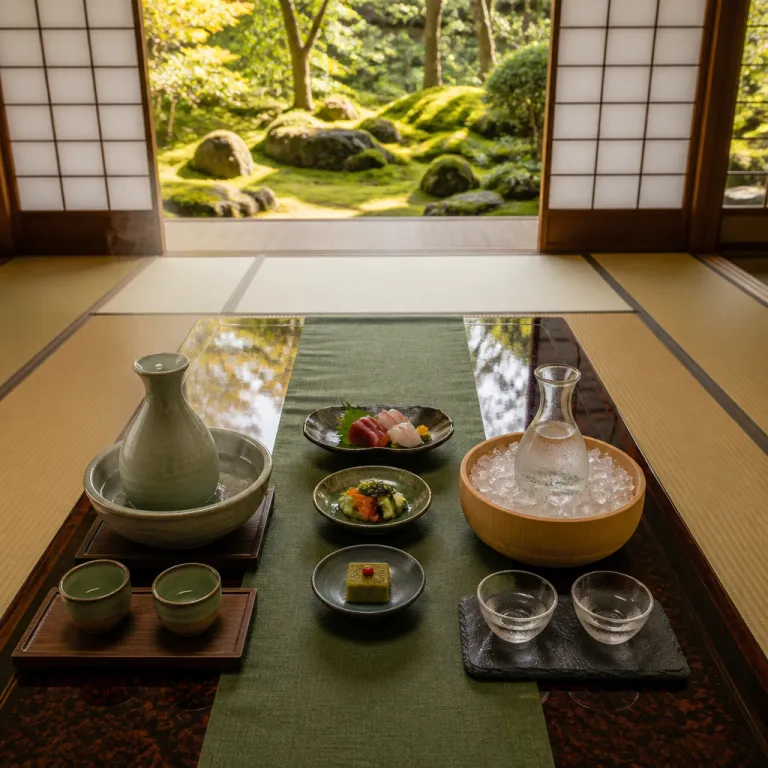
Warm sake vs cold sake in a traditional Japanese inn
When you compare warm sake vs cold sake during a stay in a luxury ryokan, you are really comparing two distinct culinary experiences. The same premium sake changes character dramatically with each serving temperature, and Sake Brewers in Japan have spent years refining styles that respond beautifully to being chilled, gently heated or poured at room temperature. As you read the inn’s sake list, you will notice that every grade, from junmai to junmai daiginjo, is paired with a suggested temperature range rather than a single fixed point.
In the tatami room of a premium ryokan, a host will often ask whether you prefer your sake served chilled, warm or as hot sake with your kaiseki dinner. That simple question about temperature is as important as choosing between a full bodied junmai and a fragrant ginjo, because the way the sake is served will decide which umami notes, floral tones or rice sweetness you taste first. Many guests arrive thinking hot or cold is just a matter of personal comfort, yet they leave understanding that sake temperature is a core part of Japanese hospitality and not a casual detail.
Luxury inns work closely with Sake Sommeliers, whose expertise in sake serving traditions helps them match each course to the ideal serving temperature. These advisors know that some junmai ginjo labels shine when served chilled around 5 °C, while other junmai styles become rounder and more generous when gently warmed to a temperature hot enough to release deeper aromas without harshness. As one Tokyo based Sake Sommelier explains, “a five degree shift can turn a shy junmai into something silky and expressive, so we treat temperature like a seasoning.” When you book a premium room with in room dining, you gain the opportunity to explore warm sake, cold sake and even room temperature pours in a calm setting where staff can answer detailed questions about grades, temperatures and pairing ideas.
How temperature transforms flavor during kaiseki dining
During a multi course kaiseki dinner, the contrast between warm and chilled sake becomes especially clear because each dish highlights different textures and umami notes. A chilled ginjo or junmai daiginjo, served at a precise sake temperature, will often accompany delicate sashimi, while a warmed junmai might be reserved for grilled river fish or simmered vegetables. The way sake is served in this context is never random, since the chef and sommelier coordinate temperatures to echo the progression of flavors on your tray.
Cold sake that is served chilled around 5 to 10 °C tends to emphasize higher aromatics, such as melon, pear and white flowers, which is why many premium sake labels in the ginjo family are kept in dedicated refrigeration units. When the same grade is allowed to reach room temperature, the fruitiness softens and the rice character becomes more evident, giving a different answer to the question of which temperature works best with richer dishes. Warm sake, especially full bodied junmai, gains a velvety texture when gently warmed, and that warming process can make salty or grilled dishes feel more harmonious on the palate.
Guests booking private dining at a high end ryokan can expect staff to explain how temperature choices interact with each course, often suggesting that you start with cold sake and gradually move toward warm or even hot sake as flavors intensify. For a deeper look at how exclusive meals are structured, many travelers consult guides to private dining in traditional inns before they arrive, then use that knowledge to request specific serving temperature ranges. This collaborative approach means your sake serving sequence will mirror the arc of the meal, allowing you to experience chilled, warmed and room temperature pours in a way that feels both educational and indulgent.
Choosing between junmai, ginjo and daiginjo in luxury settings
Understanding how warm sake vs cold sake interacts with different grades is essential when you browse a premium ryokan’s drinks menu. Junmai, made only from rice, water, yeast and kōji, often has a robust, full bodied profile that responds well to being warmed, while ginjo and junmai ginjo usually show their best side when served chilled. At the very top, junmai daiginjo is typically treated as a delicate treasure, with Sake Sommeliers recommending a lower serving temperature to protect its refined aromatics.
Many luxury inns provide a printed guide to grades and sake temperature, sometimes directing guests to a more detailed reference on the kinds of sake served in high end properties, such as this refined guide to sake styles. When you read these materials, you will notice that junmai appears frequently in the section about warm sake, because its structure and umami notes remain stable even when you heat sake to a moderate temperature hot enough to release aroma but not alcohol. Ginjo and junmai ginjo, by contrast, are usually listed under cold sake, with advice that they be served chilled to around 5 °C for maximum freshness.
Premium sake lists in ryokans sometimes include tasting flights that let you compare the same grade at different temperatures, such as a junmai poured warm, at room temperature and chilled. This kind of sake serving experience shows how the same rice base can feel creamy when warmed, crisp when cold and balanced at room temperature, giving you a nuanced answer to the warm sake vs cold sake question. Sake Brewers have even developed temperature specific varieties over the years, ensuring that at least one label on the menu will perform beautifully whether you prefer bold hot and cold contrasts or subtle shifts between nearby temperatures.
Traditional warming methods and modern chilled service in ryokans
In a traditional Japanese inn, the ritual of warming sake is treated with the same care as preparing tea, and the tools used reflect centuries of practice. Staff may place a ceramic tokkuri flask in a hot water bath, carefully monitoring the temperature sake reaches so that warm sake feels silky rather than sharp. This gentle approach to heating contrasts with the precise refrigeration used to keep cold sake at a stable, chilled state until the moment it is poured.
Modern luxury properties invest in specialized sake warmers and climate controlled storage, allowing them to offer a wide range of temperatures from cool to pleasantly hot without compromising quality. When you order hot sake with a hearty winter dish, the server will often explain which temperature range they aim for and why that choice suits the full bodied profile of the junmai or honjōzō being served. For guests who prefer a more subtle experience, room temperature pours can highlight rice sweetness and umami notes without the extremes of hot and cold contrasts.
Some ryokans even organize tasting events where Sake Brewers visit to explain how they design premium sake for specific serving temperature bands, from served chilled aperitifs to gently warmed digestifs. These events often draw on guidance from organizations such as the Japan Sake and Shochu Makers Association, which notes that junmai and honjōzō sakes are ideal for warming and that ginjo sake is typically served cold to protect its aroma. Guests also learn that warming sake does not change its alcohol content, since the liquid is never boiled, which reassures them that experimenting with temperature will not raise sake high in alcohol strength.
Pairing hot, warm and cold sake with seasonal ryokan cuisine
Seasonality is central to ryokan cuisine, and the warm sake vs cold sake decision often follows the rhythm of the calendar and the local climate. On a snowy evening in the mountains, many guests gravitate toward hot sake or at least gently warmed junmai, which complements nabe hot pots and grilled river fish with its comforting texture. During milder seasons, chilled ginjo or junmai daiginjo, served chilled in thin glassware, can feel more refreshing alongside sashimi, tempura and lightly seasoned vegetables.
Chefs and Sake Sommeliers collaborate closely to ensure that each sake serving enhances the dish rather than competing with it, adjusting temperatures so that umami notes in both food and drink align. For example, a full bodied junmai warmed to a moderate temperature can echo the savory depth of miso glazed eggplant, while a cold sake at around 5 °C cuts through the richness of fatty tuna. When dishes are served at room temperature, such as certain simmered vegetables or marinated seafood, a sake poured at similar room temperature can create a seamless transition between bites and sips.
Guests planning a stay often read sample menus in advance and send questions about which grades and temperatures will be available, especially if they have strong preferences for warm, cold or room temperature pours. Luxury booking platforms for traditional inns now highlight sake temperature programs alongside information about open air baths, sometimes referencing features on rotenburo celebrations and seasonal bathing to emphasize the holistic nature of the stay. This integrated approach means that from the moment you arrive, every detail, from how your sake is served to how your meal is paced, is calibrated to the surrounding environment and the time of year.
Planning your sake experience when booking a luxury Japanese inn
When you reserve a room at a high end ryokan through a specialized booking website, it is worth planning your warm sake vs cold sake journey as carefully as your choice of suite. Many platforms now include detailed notes on premium sake programs, indicating whether the property offers guided tastings, in room service at multiple temperatures and access to Sake Sommeliers for pairing advice. Reading these descriptions closely will help you identify inns where sake serving is treated as a central part of the experience rather than a simple beverage option.
As you compare properties, look for mentions of junmai, ginjo, junmai ginjo and junmai daiginjo on sample menus, along with references to how each sake is served, whether chilled, warmed or at room temperature. Some inns highlight that a high percentage of their sake is served chilled, reflecting a broader trend among younger guests, while still maintaining traditional options for warm and hot sake that appeal to those who appreciate classic styles. If you are curious about how practices have evolved since years ago, these descriptions can offer a concise answer, showing how modern preferences for cold sake coexist with enduring respect for warming rituals.
Once you have chosen your inn, consider sending a brief message outlining your interests in temperature variations, such as wanting to compare hot and cold contrasts across different grades or to focus on full bodied junmai at various temperatures. This advance communication allows the inn’s équipe to prepare an appropriate selection, perhaps including a vertical tasting of the same label served chilled, at room temperature and warmed to a gentle temperature hot enough to release aroma without roughness. By the time you sit down on the tatami, your sake will be ready to tell its story through temperature, turning a simple drink into a memorable part of your journey.
Key statistics on sake temperatures in luxury Japanese inns
- Approximately 70 % of sake served in modern urban settings is served chilled, according to Kanpai Navi, and luxury ryokans mirror this trend while still offering extensive warm and hot options for traditionalists.
- Specialists often recommend an optimal temperature of around 5 °C for serving many ginjo style sakes, as noted by The Sake Company, which aligns with the practice of keeping premium bottles in dedicated refrigeration until the moment of service.
- Traditional serving practices for warm sake date back several centuries in Japan, while the strong preference for cold sake has become more visible over recent decades as refrigeration technology and consumer tastes have evolved, a shift also discussed by the Japan Sake and Shochu Makers Association.
- Luxury inns increasingly collaborate with Sake Brewers and Sake Sommeliers to design temperature specific sake lists, a strategy that aims to increase guest appreciation and deepen understanding of how serving temperature shapes flavor.
FAQ about warm and cold sake in luxury Japanese inns
Which sake types are best served warm in a ryokan ?
Junmai and honjōzō styles are generally best suited to warming in a ryokan setting, because their full bodied structure and pronounced rice character remain stable at higher temperatures. Many luxury inns therefore recommend warm sake from these categories with grilled or simmered dishes. Ginjo and daiginjo grades are usually kept for cooler service, where their delicate aromatics can shine.
Why is ginjo sake typically served cold during kaiseki dinners ?
Ginjo sake is typically served cold because its fruity and floral aromas are most vivid at lower temperatures, usually around 5 to 10 °C. Chilling helps preserve volatile aromatic compounds that might fade or become unbalanced if the sake were warmed. For this reason, many ryokans pair chilled ginjo with sashimi and other delicate courses.
Does warming sake change its alcohol content ?
Warming sake does not change its alcohol content, because the heating process used in ryokans is gentle and does not boil the liquid. What does change is the perception of alcohol, which can feel stronger or softer depending on the serving temperature. Guests sometimes interpret this sensation as a change in strength, but the actual alcohol level remains constant.
How should I choose between warm sake and cold sake with my meal ?
A practical approach is to match cold sake with lighter, more delicate dishes and warm sake with richer, saltier or grilled foods. During a kaiseki meal, staff can guide you through a progression that starts with chilled ginjo and moves toward warmed junmai as flavors intensify. Communicating your preferences to the Sake Sommelier will ensure that each serving temperature complements both the food and your personal taste.
Can I request specific serving temperatures when booking a luxury inn ?
Many premium ryokans welcome detailed requests about sake temperature, especially when you book through specialized platforms that highlight culinary experiences. You can ask in advance for tastings that compare warm, cold and room temperature pours, or for pairings focused on a particular grade such as junmai ginjo. Providing this information early allows the inn to prepare an appropriate selection and to schedule staff who can explain each serving in depth.
