Are there any English speaking Japanese ryokans for luxury travelers ?
Many travelers quietly ask themselves are there any english speaking japanese ryokans before committing to a long haul trip. Luxury focused guests want reassurance that a traditional Japanese ryokan can still offer smooth communication in English, especially when rituals, onsen etiquette, and multi course kaiseki dinners are involved. In practice, a growing number of premium ryokans in Japan now provide English speaking staff, English room guides, and digital support so that every ryokan stay feels both authentic and effortless.
High end ryokans Japan wide, from Hokkaidō to Kyūshū, increasingly treat language as part of their core personalized services. Management teams understand that international guests expect clarity about the hot spring facilities, the tattoo policy in public baths, and the timing of kaiseki meals, so they invest in training front desk and dining staff in conversational English. When you book a luxury onsen ryokan today, you can often request that at least one English speaking attendant be assigned to your room, which transforms every interaction from stressful guessing into calm anticipation.
For travelers comparing a Japanese ryokan with a Western style hotel, the question is not only whether staff can communicate in English but also how consistently those services are delivered. A premium ryokan Japan property will usually specify on its booking page whether staff speak English and whether written information is available in multiple languages. For instance, the official sites of Gora Kadan and Hidatei Hanaougi both include English booking flows and note that staff can assist non Japanese speakers. Before you book, look for clear notes about English support for check in, onsen water explanations, and in room dining, because these details signal that the ryokan will handle your arrival and first night with the same precision it applies to its hot springs and kaiseki cuisine.
How language support shapes your traditional Japanese ryokan stay
Language support does more than answer the question are there any english speaking japanese ryokans ; it shapes how deeply you can engage with traditional Japanese culture. When staff can explain the meaning of each kaiseki course in English, guests understand regional ingredients, seasonal symbolism, and sake pairings rather than just admiring beautiful plates. The result is a ryokan stay where every hot spring soak, every tea ceremony, and every room detail feels intentional rather than mysterious.
In luxury onsen ryokans Japan wide, English speaking concierges often guide guests through subtle customs such as when to wear yukata, how to move between rooms private and public spaces, and how to behave in shared baths. Clear explanations of onsen etiquette in English help first time visitors feel confident about washing before entering the baths, managing towels, and respecting quiet zones around the hot springs. One frequent Kyoto visitor recalls that a brief English orientation at check in, including a printed diagram of the bath layout, turned what felt intimidating into the most relaxing part of the trip. This kind of support is especially valuable in destinations like Kyoto, where historic ryokans balance centuries old rituals with the expectations of modern international travelers.
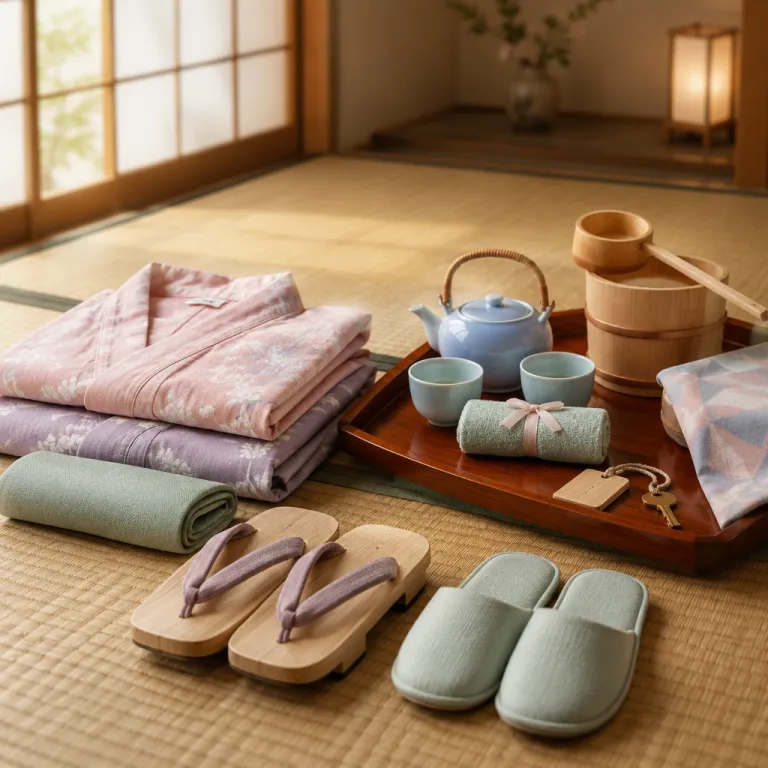
Some premium properties go further by offering curated amenities for international guests, from tailored sleepwear to weather ready loungewear such as the styles highlighted in this guide to elevating your stay with thoughtful ryokan wardrobe choices. When you book a Japanese ryokan that understands these details, you gain more than a comfortable room and hot baths. You gain a framework where English explanations, personalized services, and traditional Japanese hospitality work together so that every person night feels both culturally rich and reassuringly clear.
Choosing the best English friendly onsen ryokan in Japan
Once you know that the answer to are there any english speaking japanese ryokans is yes, the next step is choosing the best fit for your travel style. Luxury travelers often compare iconic names such as Gora Kadan in Hakone or Hidatei Hanaougi in Takayama, both renowned for refined kaiseki and meticulously maintained onsen water. These properties illustrate how a Japanese ryokan can combine deep tradition with English speaking service, ensuring that every question about the room, the baths, or the hot spring source is answered with ease.
When evaluating ryokans Japan wide, look beyond star ratings and focus on how each property describes its language support and personalized services. A strong English friendly ryokan will mention multilingual staff, English room directories, and clear explanations of tattoo policy for both public baths and private onsen facilities. For example, many Hakone and Kyoto inns now include a “Language Support” or “For Overseas Guests” section on their official pages that lists available languages at reception, in the dining room, and in printed guides. Many luxury booking platforms now highlight whether rooms private open air baths are available, whether the ryokan will accommodate dietary needs in kaiseki dinners, and whether staff can assist with local transport in English at the time of arrival.
Comfort also depends on physical details, from futon thickness to slipper sizing, which is why some high end properties pay close attention to sizing guidance such as the practices described in this overview of how luxury ryokans tailor every step of your stay. When you book a ryokan Japan property that takes these elements seriously, each person night feels carefully calibrated rather than improvised. The best English speaking onsen ryokan options in Kyoto, Hakone, and Kanazawa treat language, comfort, and cultural immersion as a single integrated experience rather than separate checkboxes.
What to expect from rooms, baths, and private onsen options
Understanding what to expect from rooms and baths helps you decide which English speaking Japanese ryokans suit your needs. A traditional Japanese room usually features tatami flooring, sliding shōji doors, and futons laid out each night, while premium suites may add Western style beds and separate lounge areas. When you book, check whether the ryokan will provide English explanations of room controls, meal times, and onsen etiquette so that you can relax from the moment of arrival.
Bathing options vary widely between ryokans Japan wide, ranging from large public baths fed by natural hot springs to intimate rooms private open air tubs. Luxury onsen ryokan properties often highlight their private onsen choices, which are ideal for guests who prefer seclusion, have tattoos, or feel unsure about shared spaces. Clear English descriptions of each hot spring facility, including temperature, mineral composition of the onsen water, and any tattoo policy, allow guests to choose confidently before they book.
Some of the best Japanese ryokan properties, such as Gora Kadan or Hidatei Hanaougi, offer both gender separated public baths and reservation based private onsen experiences. Staff at these English speaking ryokans can explain how long to soak, how to move between indoor and outdoor hot baths, and how to use amenities without wasting time guessing. One Takayama guest, for example, received a small bilingual card at check in that listed recommended soaking times and a simple step by step bathing sequence. When travelers ask are there any english speaking japanese ryokans that balance privacy, tradition, and clarity, these kinds of properties often set the benchmark for what a refined ryokan stay should feel like.
Booking strategies for English speaking ryokans and price per person night
Smart booking strategies help you move from asking are there any english speaking japanese ryokans to securing the exact stay you want. Luxury and premium ryokans Japan wide usually price by person night rather than by room, which can surprise first time visitors who are used to Western hotel models. When you book, always confirm whether the listed rate includes dinner, breakfast, access to hot springs, and taxes for each person night, because this affects both value and expectations.
Many English friendly properties allow you to specify language needs in the booking form, which is essential if you rely on English for medical, dietary, or accessibility discussions. If a website is only partially translated, tools such as Google Translate can help you navigate, but you should still email the ryokan in simple English to confirm key details such as tattoo policy, private onsen availability, and any special timing for kaiseki meals. A responsive Japanese ryokan will reply with clear answers, often in polite but straightforward English, which signals that your arrival and stay will be handled with care.
For travelers who value gastronomy, some booking platforms now highlight sake programs and temperature focused pairings, similar in spirit to the insights shared in this article on how sake temperature shapes premium dining in luxury ryokans. When you combine this level of culinary detail with English speaking service, the best ryokans Japan can feel like intimate resorts where every hot spring soak and every course of kaiseki is explained with precision. As a practical template, many travelers send a short message such as: “Dear Sir or Madam, I would like to confirm if you have English speaking staff at check in, if tattoos are allowed in the public baths, and if you can prepare a no shellfish kaiseki dinner. Thank you very much.” Over time, you will learn to read between the lines of booking pages and identify which ryokan Japan properties truly prioritize international guests rather than treating them as an afterthought.
Onsen etiquette, tattoos, and using English or Google Translate on site
Even in English speaking Japanese ryokans, understanding onsen etiquette is essential for a respectful stay. Staff often provide printed guides in English that explain how to wash thoroughly before entering the baths, where to leave towels, and why you should keep hair out of the hot springs. These explanations help guests feel at ease in public baths, where quiet conversation and unhurried soaking are part of the traditional Japanese rhythm of relaxation.
Tattoo policy remains a sensitive topic in many onsen ryokan properties, although attitudes are gradually softening in major tourist areas. Some ryokans Japan wide still restrict visible tattoos in public baths, while others allow them if covered with patches or direct guests toward rooms private open air tubs or bookable private onsen sessions. When you are unsure, ask in simple English at check in or use Google Translate on your phone to show a written question, because a clear answer early in your ryokan stay prevents awkward moments later.
Even where staff are English speaking, short translated phrases on your device can help with nuanced requests about onsen water temperature, dietary adjustments to kaiseki, or preferred time slots for baths. A considerate Japanese ryokan will appreciate the effort and respond with patient explanations, sometimes writing key information in both Japanese and English for you to keep in your room. A sample phrase that works well is: “Could you please write the bath opening times and tattoo rules in English for me?” By combining human interaction with light use of Google Translate, guests can navigate any remaining language gaps while still enjoying the warmth and formality that define the best ryokan Japan experiences.
Key statistics on international guests and English friendly ryokans
- According to the Japan National Tourism Organization, international visitor arrivals to Japan surpassed 31 million in the most recent pre pandemic year, creating strong demand for English speaking accommodation staff across major regions. This figure is documented in JNTO’s annual statistics on inbound tourism, which are published on the organization’s official website.
- Surveys by the Japan Tourism Agency have shown that more than 60 percent of overseas guests consider language support a decisive factor when choosing traditional Japanese accommodation, especially in rural onsen towns. These findings appear in the agency’s “Consumption Trends of Foreign Visitors to Japan” reports, which regularly analyze satisfaction drivers and pain points.
- Industry reports from the Japan Ryokan and Hotel Association indicate that a growing share of member properties now provide English websites or booking pages, with adoption rates highest in Kyoto, Hakone, and other established hot spring destinations. Summary data from these reports is typically made available through the association’s official publications and press releases.
- Research by regional tourism boards suggests that properties offering clear English explanations of onsen etiquette and tattoo policy receive higher satisfaction scores from first time visitors, particularly from Europe and North America. These studies are often published as PDF reports on prefectural tourism portals and cited in local strategy documents aimed at improving hospitality standards.
FAQ about English speaking Japanese ryokans
Are there many English speaking Japanese ryokans outside major cities ?
English speaking Japanese ryokans are most common in major tourist areas such as Kyoto, Hakone, and Takayama, but availability is improving in regional hot spring towns. Rural properties may rely more on written English guides than fluent conversation, so checking language details before you book remains important. When in doubt, a short email in simple English often reveals how comfortable staff feel communicating with international guests.
How can I confirm whether a ryokan offers English support before booking ?
Start by checking the official website for English pages, then look for notes about multilingual staff or English room information. If details are unclear, send a brief message asking about English speaking staff at check in, explanations of onsen etiquette, and support for dietary needs during kaiseki dinners. A prompt, understandable reply is usually a reliable indicator that the ryokan will handle your stay smoothly.
What should I do if I have tattoos and want to use the onsen ?
Policies vary widely, so you should always confirm the tattoo policy with the ryokan before you book. Some properties allow tattoos in public baths, others request that they be covered, and many guide tattooed guests toward private onsen or rooms private open air tubs. Asking in English by email or showing a translated question on arrival helps staff propose respectful, comfortable options.
Is it acceptable to use Google Translate during my ryokan stay ?
Using Google Translate is widely accepted and often appreciated, especially in smaller ryokans Japan wide where staff may understand written English better than spoken conversation. Short, clear sentences translate more accurately and make it easier to discuss topics such as meal preferences, hot spring usage, or transport arrangements. Combining basic English with translation tools usually leads to smooth, friendly communication.
Why do ryokans charge per person night instead of per room ?
Traditional Japanese ryokans typically include dinner, breakfast, and access to hot springs in their rates, so pricing per person night reflects the full service nature of the stay. This structure allows the ryokan to tailor kaiseki meals, bedding, and amenities to the exact number of guests in each room. When comparing prices, always check what is included for each person night to understand the true value of your booking.