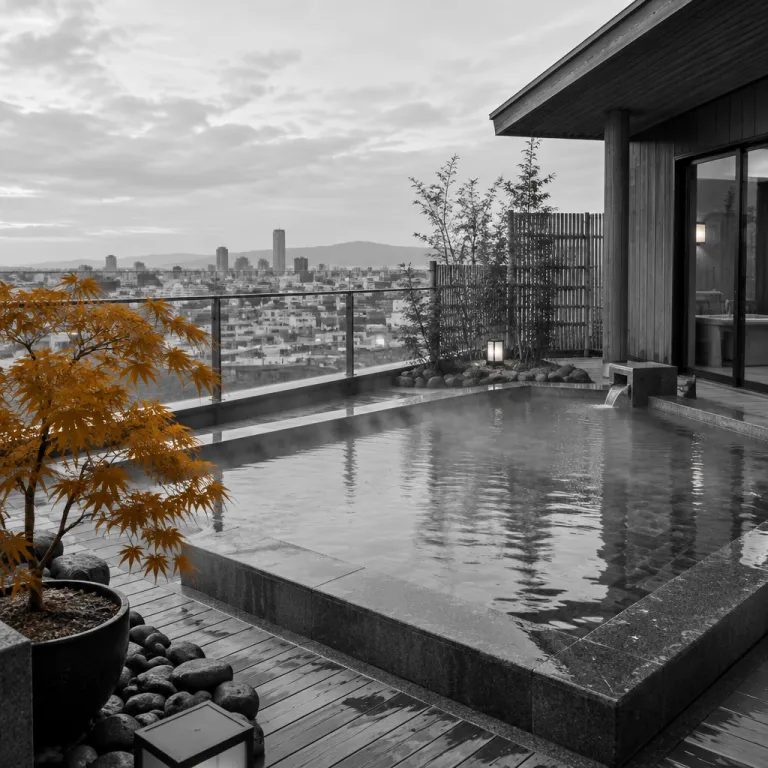
Jindai no Yu as an urban onsen sanctuary in city tokyo
Jindai no Yu offers a rare sense of calm in central tokyo. This refined spring inn style retreat blends the intimacy of a traditional japanese onsen with the convenience of an urban onsen facility, giving visitors a wellness base that feels both secluded and connected. For travelers comparing hot springs near tokyo, the balance between easy public transport access and authentic onsen bathing rituals makes Jindai no Yu stand out immediately.
The property draws its spring water from natural hot springs linked to the wider jindai izu hydrothermal system, a network of deep aquifers that supply several small bathhouses in the region. According to local tourism materials, the water is typically classified as mildly alkaline and gently mineralized, which many guests associate with smooth skin and a light, non-fatiguing warmth. While the setting remains firmly urban and close to shinjuku, the baths carry minerals associated with classic hot spring thermae traditions in japan, so guests can move from the energy of kabukicho shinjuku to the quiet steam of the indoor baths at Jindai no Yu in a short time, turning a busy city break into a restorative onsen experience.
Architecturally, the facility combines clean contemporary lines with subtle references to izu spring town aesthetics. Warm wood, stone, and gently flowing water create a calm frame around the hot baths, while open air terraces echo the feeling of a rural spring inn without leaving city tokyo. One returning guest described the contrast as “stepping through a side door from neon into a mountain village,” capturing how the shift from the urban skyline to the soft mist rising from each hot spring pool becomes part of the mental reset that a carefully curated onsen stay can provide.
Wellness focused bathing rituals from izu springs to shinjuku
Guests at Jindai no Yu often arrive after a day exploring tokyo or returning from izu city, where larger hot springs resorts dominate the landscape. Here, the scale is more intimate, so each onsen bathing session can be tailored to personal rhythm and time rather than group schedules. This approach suits travelers who want to integrate japanese onsen culture into a wider itinerary that may include art districts, dining in shinjuku, or even longer journeys to Hokkaido hot spring retreats such as those highlighted in this guide to refined hot spring stays in Sapporo.
At Jindai no Yu, the bathing sequence usually begins with a careful cleanse before entering any of the baths filled with mineral rich spring water. Staff encourage visitors to slow their breathing, pour warm water over shoulders, and then step gradually into the hot pools, which are maintained at temperatures designed to relax muscles without overwhelming the body. Because the facility is smaller than many large onsen facilities in japan, it is easier to find quiet corners where the only sounds are flowing water and the soft echo of movement, a quality that regulars often mention in feedback forms.
Some travelers pair a morning session in the indoor baths with an evening soak in the open air pools, creating two distinct wellness moments in one day. Others alternate between hotter hot spring pools and slightly cooler baths to stimulate circulation, a method often recommended by japanese onsen therapists. One regular guest described the effect as “like pressing a reset button after shinjuku nights,” a feeling that captures how these structured yet flexible rituals at Jindai no Yu help reset both body and mind and turn a short city stay into a focused wellness interlude.
Private bath serenity and shared onsen experience for every comfort level
One of the most refined aspects of Jindai no Yu is the way it handles privacy within an inherently social onsen culture. Some visitors prefer the traditional shared baths, where etiquette and quiet conversation create a gentle sense of community around the hot springs. Others feel more at ease in a private bath, and the hotel has designed several enclosed spaces where couples or solo travelers can enjoy natural hot spring water without any audience at all.
These private bath suites often feature both indoor baths and small open air tubs, allowing guests to move between sheltered and sky facing spaces during a single onsen experience. For travelers unsure whether to choose shared or private facilities, it is worth reading guidance such as a detailed comparison of private onsen and shared baths based on comfort level. At Jindai no Yu, staff are used to international visitors and will calmly explain bathing etiquette, from how to rinse before entering the springs to the best time to reserve a private bath for sunset.
Because the facility operates within an urban onsen context, it can offer flexible time slots that suit both business travelers and leisure guests. Early morning reservations allow you to soak in spring water before meetings in central tokyo, while late evening sessions are ideal after a theatre performance in shinjuku. A front desk tip is to request slightly off peak hours, when you are more likely to have a quieter shared bath and can fully appreciate the quality of the hot spring water and the quiet respect that defines japanese onsen culture.
From city tokyo to jindai izu: transport, access, and timing your stay
Reaching Jindai no Yu is straightforward for visitors who rely on public transport in japan. The property typically sits within easy reach of major train lines that connect central tokyo with the broader jindai and izu regions, so you can move between an urban onsen stay and a rural spring town escape without logistical stress. Many guests plan a multi night itinerary that starts with a city based hotel near shinjuku, then shifts to Jindai no Yu, and finally continues toward izu city for a deeper immersion in coastal hot springs.
When planning your time, consider how you want to balance sightseeing with bathing and rest. Some travelers schedule their first onsen experience immediately after arrival in city tokyo, using the hot spring baths to ease jet lag and muscle tension from long haul flights. Others prefer to explore kabukicho shinjuku and nearby districts for a day or two, then retreat to the quieter atmosphere of Jindai no Yu once the initial excitement of the metropolis has settled, often timing their first long soak for late afternoon or early evening.
Because the facility is usually open from early morning until late evening, you can design a rhythm that suits your own wellness goals. Morning sessions in the indoor baths pair well with light walks and cultural visits, while twilight soaks in the open air pools feel especially calming after navigating busy transport hubs. Whether you are arriving from another hotel in tokyo or traveling up from a spring inn in izu, the key is to allow enough time for repeated immersion in the hot springs so that the therapeutic effects of the water can build gradually.
Culinary wellness and seasonal spring water inspired dining
Wellness at Jindai no Yu extends beyond the baths into a thoughtful culinary program that respects both seasonality and the body’s natural rhythms. Many guests choose room plans that include kaiseki style dinners, where courses are paced to complement the relaxing effects of earlier onsen bathing. Light broths, grilled fish, and vegetables from nearby regions such as izu city are served in portions that satisfy without weighing down the body before a final hot spring soak.
The kitchen often highlights ingredients associated with mountain spring towns, echoing the purity of the spring water that fills the baths. Dishes may reference the same rivers and forests that feed the wider jindai izu watershed, creating a subtle narrative link between what you taste and the water in which you bathe. For travelers interested in how regional cuisine elevates a ryokan style hotel stay, this in depth article on how sansai udon refines luxury ryokan dining offers useful context that also applies to the philosophy at Jindai no Yu.
Breakfasts are usually lighter, designed to prepare guests for another day of alternating between urban exploration and quiet time in the onsen facilities. Many visitors choose to bathe before eating, then enjoy a final short session in the indoor baths or open air pools before checking out. This gentle cycle of hot springs, nourishing food, and rest helps transform a simple hotel stay into a coherent wellness retreat that feels carefully tuned to both body and environment.
Designing a personalized wellness retreat around Jindai no Yu
Creating a meaningful wellness retreat at Jindai no Yu starts with clarifying your priorities. Some visitors focus on physical recovery, using repeated sessions in the hot springs to ease chronic tension, while others seek mental quiet after intense periods of work in city tokyo. Because the facility is smaller than many resort style properties in japan, staff can often suggest specific bathing times, room types, and even preferred baths that match your goals.
A typical two night stay might include several cycles of onsen bathing, short walks through nearby neighborhoods, and unhurried meals that respect the natural pace of digestion. Guests who enjoy movement can combine light stretching or yoga with time in the indoor baths, using the warmth of the spring water to support flexibility and recovery. Those who prefer stillness may spend longer in the open air pools, watching steam rise against the urban skyline and letting the rhythm of the water replace the usual noise of kabukicho shinjuku.
Because transport connections are strong, you can easily extend your retreat by adding nights at a rural spring inn in the wider jindai or izu regions. This combination of urban onsen sophistication at Jindai no Yu and quieter countryside hot spring stays allows you to experience the full spectrum of japanese onsen culture in a single journey. Whether you are a first time visitor to tokyo or a returning traveler refining your wellness routine, the key is to treat time in the baths not as a quick attraction but as the central thread around which the entire trip is woven.
Key figures on onsen travel and wellness focused stays
- Industry reports from tourism bodies in japan note that onsen facilities collectively welcome well over one hundred million visits each year, underlining how central hot springs are to domestic and international wellness travel.
- Travel surveys focused on city tokyo consistently show that a clear majority of international visitors rely on public transport as their primary mode of movement, which makes easily accessible urban onsen facilities such as Jindai no Yu especially attractive.
- Questionnaires conducted by spa associations in japan indicate that many guests choose hot spring stays primarily for stress relief and mental relaxation, confirming the importance of calm bathing environments and flexible time slots.
- Analyses of ryokan and traditional inn bookings reveal that stays combining hot springs with multi course regional dining often achieve higher guest satisfaction scores than room only plans, underlining the value of integrated culinary wellness.
FAQ: planning your Jindai no Yu onsen experience
How many days should I stay at Jindai no Yu for a wellness retreat ?
Most wellness focused travelers find that two to three nights at Jindai no Yu allow enough time for repeated onsen bathing, unhurried meals, and short explorations of nearby tokyo neighborhoods. A single night can feel restorative, but multiple cycles of immersion in hot spring water tend to deliver deeper relaxation. If you plan to combine this stay with a visit to a rural spring town in izu, consider at least four or five nights in total.
Is Jindai no Yu suitable for first time visitors to japanese onsen culture ?
Yes, the facility is well suited to first time visitors because staff are accustomed to explaining bathing etiquette in clear, patient language. The presence of both shared baths and private bath options means you can choose the level of exposure that feels comfortable while you learn the rituals. Clear signage, gentle reminders about washing before entering the springs, and a calm atmosphere all help ease newcomers into the onsen experience.
How easy is it to reach Jindai no Yu from central tokyo using public transport ?
Access from central tokyo is straightforward, with frequent train and bus connections that link major hubs such as shinjuku to the wider jindai and izu corridors. Most travelers use a combination of rail and short local transfers, which staff at the hotel can outline in detail before arrival. Because services run late into the evening, you can comfortably plan both early check ins after flights and later returns from city excursions.
What should I bring for an overnight stay focused on onsen bathing ?
For a stay centered on hot springs, pack light, breathable clothing for moving between your room and the baths, along with any personal skincare products you prefer. The hotel typically provides towels, basic amenities, and yukata robes, so you do not need to bring heavy items. Many visitors also carry a small bag for storing phones and valuables while they are in the water, keeping the bathing areas uncluttered and calm.
Can I combine a stay at Jindai no Yu with visits to other hot springs in izu city or beyond ?
Yes, many travelers design itineraries that start with an urban onsen stay at Jindai no Yu and then continue to larger hot spring resorts in izu city or other regions of japan. Strong rail links make it easy to move from city tokyo to coastal or mountain spring towns without renting a car. This combination lets you experience both the convenience of an urban facility and the slower pace of a traditional countryside spring inn within a single trip.